
Last updated July 2026, the best time to visit Florence depends on whether you prioritize mild weather, shorter museum lines, or lower hotel rates. Spring and early summer bring blooming gardens and long daylight hours, but they also bring European school groups and peak-season prices. Late fall and winter trade a few degrees of warmth for thinner crowds, and hotel rates can drop by half compared with July.
The Quick Verdict: Best Time to Visit Florence by Priority
May, June, and September usually deliver the most reliable mix of comfortable temperatures and manageable crowds. Late April and early October come close behind, trading a few degrees of comfort for noticeably lower rates. Budget-focused travelers do better in January, February, or November, when hotel rates fall and the Uffizi thins out. The table below reflects typical seasonal patterns, in our editorial assessment, drawn from local event calendars and school-holiday timing.
Weather, crowd levels, and prices rarely move together, so the best time to visit Florence really depends on which one matters most for a specific trip. Travelers chasing the mildest days should lean toward May or late September. Those chasing the lowest prices should lean toward January, February, or November instead.
Typical centrally located double rooms run around €90 a night during low-season January. The same room can top €180 a night during June's peak. Planning early pays off. See the neighborhood lodging guide for options across price tiers. For neighborhoods that stay calmer even in July, explore Florence's quieter corners.
| Month | Avg. Daytime High | Crowd Level | Price Index | Best For |
|---|---|---|---|---|
| January | 8°C (46°F) | Low | € | Empty museums, budget stays |
| February | 9°C (48°F) | Low | € | Off-season rates, indoor sights |
| March | 13°C (55°F) | Low-Medium | €€ | Florentine New Year, early gardens |
| April | 17°C (63°F) | High (Easter, school groups) | €€€ | Blooming gardens, Easter events |
| May | 21°C (70°F) | High | €€€ | Iris Garden, long daylight |
| June | 26°C (79°F) | Peak | €€€€ | Outdoor festivals, Pitti Immagine |
| July | 31°C (88°F), peaks 38-40°C (100-104°F) | High but easing | €€€€ | Early-morning sightseeing |
| August | 31°C (88°F) | Medium (Ferragosto lull) | €€€ | Shoulder-season deals |
| September | 27°C (81°F) | High | €€€ | Harvest season, warm evenings |
| October | 20°C (68°F) | Medium-High | €€€ | Golden light, wine harvest |
| November | 14°C (57°F) | Low-Medium | €€ | Lower rates, rainy-day museums |
| December | 9°C (48°F) | Medium (Christmas markets) | €€ | Festive lights, holiday markets |
Spring in Florence (March to May): Gardens, Holidays, and School Groups
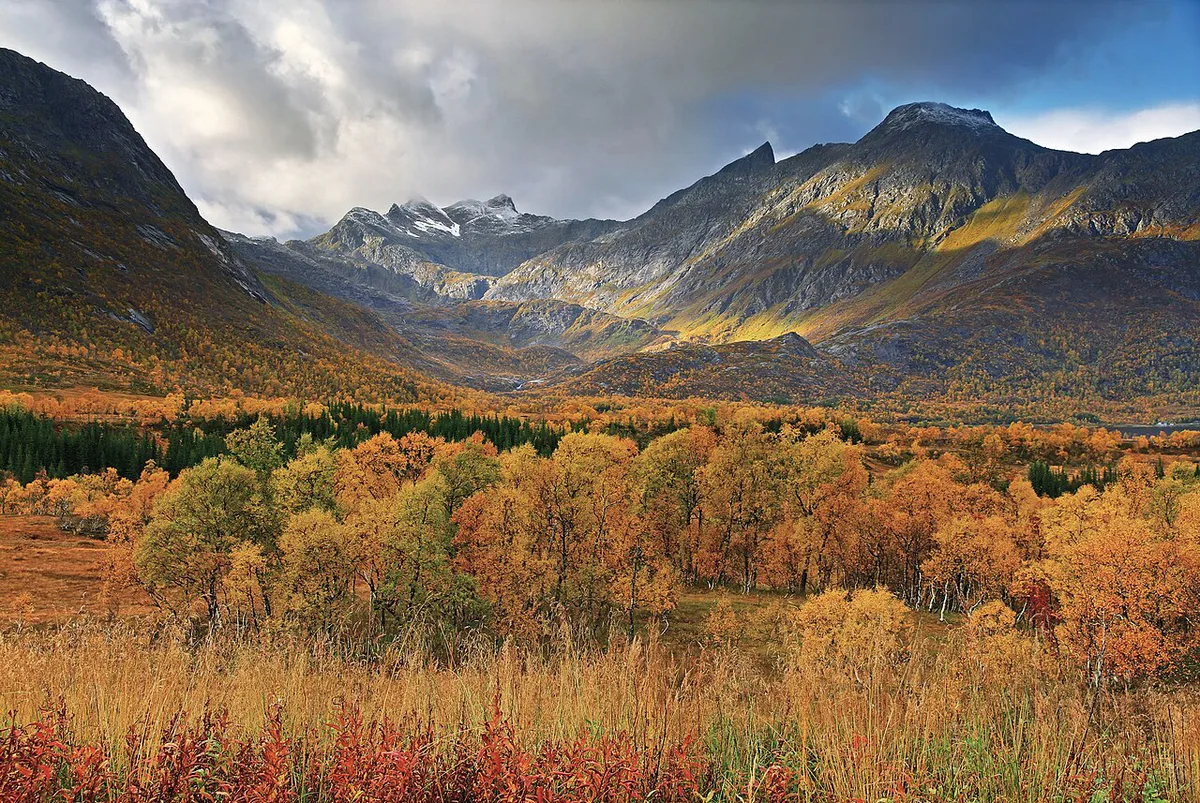
Spring brings blooming gardens and the return of outdoor dining across the city center. March 25 marks the Florentine New Year, celebrated with markets, street food, and historical parades. Easter weekend adds Scoppio del Carro, a centuries-old tradition where a firework-packed cart is set off in front of the Duomo. The Iris Garden typically opens from late April through late May, timed to the flowering season. Boboli Gardens and Bardini Gardens are both good picks in March and early April, before the crowds build.
Easter and the national holidays on April 25 and May 1 push demand and prices higher across the same weeks. Florence's Maggio Musicale Fiorentino, a season of opera, concerts, and dance, runs from spring into early summer and adds to the pull. April and May also bring thousands of school groups from Italy and the rest of Europe on class trips. Their free museum entry means longer lines at major sights during this window. Check the top Florence museums for entry times that dodge the worst of it. Families visiting over Easter week can pair garden visits with playgrounds. See family travel in Florence for age-specific picks.
Summer in Florence (June to August): Heat, Humidity, and Late Nights
Summer is Florence's hottest and most humid season, especially in the Arno valley. Locals call the thick, sticky air afa, and July afternoons make it obvious why. Average daytime highs reach 31°C (88°F), with peaks of 38-40°C (100-104°F) in July and August. Summer is also the driest season, with long stretches of little to no rain. June is usually the most crowded month, so book accommodation, guided tours, and restaurant tables well ahead.
The 38-40°C (100-104°F) peaks in July and August drive crowds indoors during midday, creating unexpectedly short museum lines despite the worst heat of the year.
Saint John the Baptist Day falls on June 24 and celebrates Florence's patron saint. Expect parades, fireworks, and the final match of the historic Calcio Storico tournament in Piazza Santa Croce. Pitti Immagine's fashion trade shows, including the menswear event Pitti Uomo, run through the second half of June and fill hotels near the show halls. Firenze Rocks, an outdoor festival with international acts, typically lands around mid-June. Shops along the main shopping streets get busier during fashion week. Time a visit to Florence's shopping streets around it if browsing matters. August 15, Ferragosto, is a national holiday, and many family-run shops and restaurants close for the week around it, even though most tourist-facing businesses stay open.
Photography works best in the early morning before the heat and tour buses arrive. Many locals shift plans to the cooler evening hours, and the city obliges with later dinner reservations and open-air bars. For an after-dark plan, see Florence's after-dark activities. Sunset over the Arno is easiest to enjoy once the day's heat breaks. Check the best sunset spots for exact timing. Reservations at popular kitchens fill up fast in summer, so top Florence dining picks is worth checking before you land.
Fall in Florence (September to November): Harvest Season and Golden Light
Warm weather typically holds through the end of October, then turns cooler and rainier in November. September and October have become busier in recent years, as summer's heat pushes some travelers to shift trips later. October is often called the golden month, with average highs around 20°C (68°F) and warm, low-angle light for photos. Layered clothing works well for the wide swing between sunny afternoons and cool evenings this time of year.
Grape harvest usually runs from late September into early October across the Tuscan countryside. Truffle hunting and vineyard visits are especially good options in this window. For guided harvest tours and countryside stops, see Tuscan day-trip options. Foliage and low autumn light also suit the city's rooftop and hillside views. Visit the city's best viewpoints for the best light, especially from mid-October.
November brings more rain and a real drop in crowds and prices. Outdoor dining terraces that stayed busy through October start closing for the season by mid-November. Crowding through fall still concentrates around the Duomo district and Santa Croce. The Oltrarno side of the Arno stays comparatively calmer even during the busiest fall weeks.
Winter in Florence (December to February): Low Season, Lower Prices
Winter is the coldest season, though the Florence area rarely drops below freezing for more than a few days a year. January and February average daytime highs of around 8-9°C (46-48°F), with night-time lows sitting much closer to freezing. This is the one stretch when the Uffizi and other major museums can feel genuinely uncrowded.
A centrally located double room costs around €90 a night in January, roughly half the €180 rate in June, making winter the most cost-effective season.
December brings Christmas markets and street lighting across the historic center. Crowds pick up again around the holidays, though nowhere near summer or Easter levels. Shops and museums keep close to normal hours through most of December, aside from December 25 and January 1.
January and February are the coldest months but also the best for stretching a travel budget. Rain is common through the winter, so indoor plans matter. See indoor rainy-day plans for museum and market backups. Budget travelers can fill a full day without spending much. See no-cost things to do for walking routes and free viewpoints.
Florence by Interest: Best Time for Museums, Photography, and Budget Trips
Budget travelers do best in January, February, or November, when hotel rates and flight prices both ease. Art and museum-focused visitors should aim for late winter for the shortest lines. A mid-summer heatwave can have the same effect during the early-afternoon siesta hours. Midday in July and August often empties out museums as visitors retreat from the heat. Ticket lines can be shorter between roughly 1 and 3 in the afternoon than during the cooler morning rush. Neither extreme suits every traveler, so weigh comfort against ticket-line tolerance before locking in dates.
Photographers get blooming gardens and clear light in spring, and warm, low-angle light in autumn. Golden-hour shots over the rooftops work especially well from a handful of elevated spots. See top photo locations for exact spots and best visiting times.
Essential Planning Logistics: Booking Windows, Trip Length, and Passes
Peak-season slots at the Uffizi and the Accademia Gallery fill up weeks in advance, especially timed-entry morning slots. Book May, June, and September visits as soon as travel dates are fixed. Shoulder-season months like March, November, and January need far less lead time, sometimes just days ahead.
- Not sure how much time to plan? See how much time to budget for trip-length guidance.
- Only got one day? Follow a single-day Florence route.
- With a weekend, follow a two-day Florence plan.
- With three days, follow a three-day Florence plan.
- Weigh the numbers with whether the sightseeing pass pays off before buying anything in advance.
Common Mistakes to Avoid When Timing a Florence Trip
Skipping the humidity warning for July and August is the most common planning mistake. The afa makes the same temperature feel worse than the number alone suggests. Plan outdoor time for early morning or evening, and treat midday as siesta time for museums instead.
Assuming shoulder months are ticket-easy is another common error. April, May, September, and October all draw enough demand that popular museums still need advance booking. Waiting until arrival to book the Uffizi in these months often means a wait, or no ticket at all.
Forgetting Ferragosto is a third mistake. Around August 15, many family-run shops, small restaurants, and some local businesses close for the week, even in the center. Cross-check opening hours and event dates against the complete Florence guide before locking in a full itinerary.
Overlooking shoulder-season chill is a fourth mistake. March and November evenings can dip into single-digit temperatures even when afternoons feel mild, so layered clothing matters in spring and fall as much as in winter.
Further reading: Florence on Wikivoyage · Florence on Wikipedia
Frequently Asked Questions
What is the single best month to visit Florence?
May, June, and September usually offer the best balance of comfortable temperatures, long daylight, and manageable crowds. Late April and early October come close, trading a little comfort for lower prices and thinner crowds.
Is Florence too hot to visit in July and August?
Daytime highs average around 31°C (88°F) in July and August, with peaks of 38-40°C (100-104°F). The Arno valley's humidity, known locally as afa, makes the heat feel more intense than the number suggests. Midday in these months also tends to have shorter museum lines, since many visitors retreat indoors or nap through the heat.
When do school groups affect Florence's museum lines the most?
April and May bring large numbers of school groups from across Italy and Europe. Their free museum entry adds to wait times at the Uffizi and other major sights during these weeks.
Is Florence cheaper to visit in winter?
Yes. January, February, and November typically bring the lowest hotel rates of the year. A centrally located double room that runs around €90 a night in January can top €180 during June's peak. Flight prices tend to follow the same pattern, with the cheapest fares often landing in late January and February.
What is the coldest month in Florence?
January is usually the coldest month, with average daytime highs around 8°C (46°F). Temperatures rarely drop below freezing for more than a few days each winter.
Does it rain a lot in Florence?
Rain is more common from October through February, and November is typically the wettest month of that stretch. Summer is comparatively dry, with long spells of little to no rainfall through July and August.
Do shops and restaurants close for the Ferragosto holiday?
Yes. Around August 15, many family-run shops and small restaurants close for the week, even in the city center. Most tourist-facing hotels, museums, and larger restaurants stay open through the holiday.