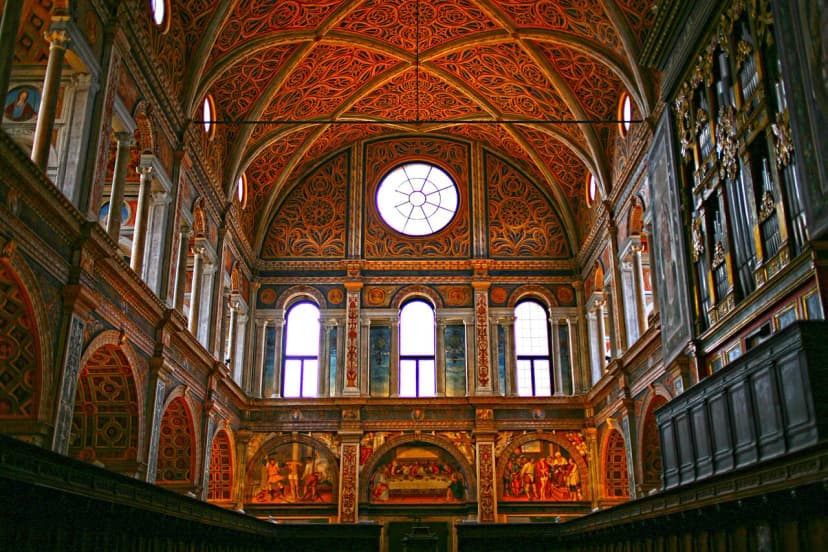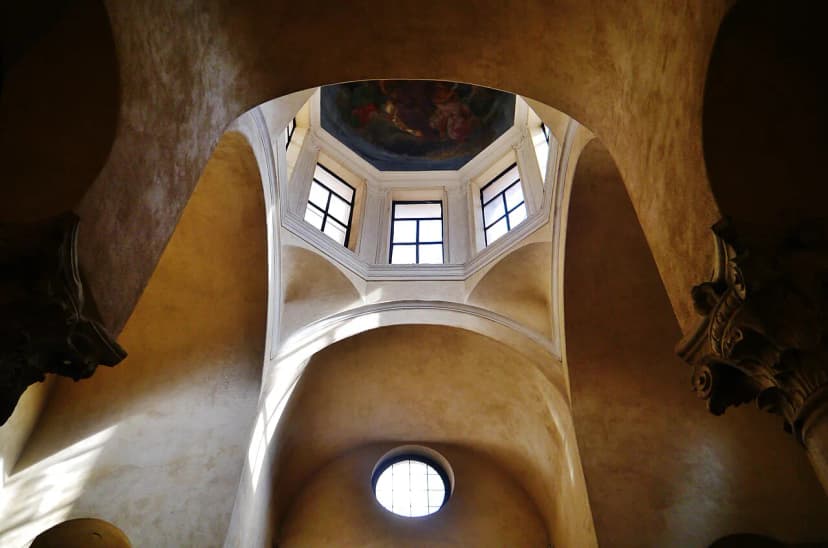

Florence rewards photographers who look up as often as they look ahead. Editors who track the best photo spots in Florence keep returning to a short list of reliable stops. Terracotta rooftops, a river lined with bridges, and a skyline dominated by one dome make the city unusually easy to shoot well.
A dome climb costs around €30 on the combined Brunelleschi Pass, while the city's top free viewpoint sits a short walk away. That price gap matters when you are deciding which stops deserve a full morning. This guide updates pricing and hours for 2026 so you can plan a realistic route instead of guessing at opening times.
Some of the most photographed corners of Florence are free; others require a timed ticket booked days in advance. Knowing which is which before you arrive saves an entire afternoon of standing in the wrong line. The list below covers ten spots, the light and crowd patterns that shape each one, and a few overrated stops worth skipping.
10 Best Photo Spots in Florence
The ten spots below cover the full range of Florence's photogenic character. Expect skyline viewpoints, a Renaissance river crossing, a garden estate, and a market hall thick with produce stalls. Each entry lists typical cost, hours, and the detail a casual visitor tends to miss.
Order matters less than timing; several of these spots peak at sunrise or just before sunset. Piazzale Michelangelo and San Miniato al Monte face the same direction, so pick one for sunrise and the other for a quieter return visit. Bridges over the Arno reward patience more than a specific hour, since river light shifts fast in Tuscany. For more panoramic options beyond this list, see the guide to the best viewpoints in Florence.
Most historic-center stops sit within a 25-minute walk of each other, which keeps a single day manageable. The wider guide to Florence's top attractions is a useful reference for planning beyond photography. The list groups a mix of ticketed sites and completely free stops, so budget varies by route.
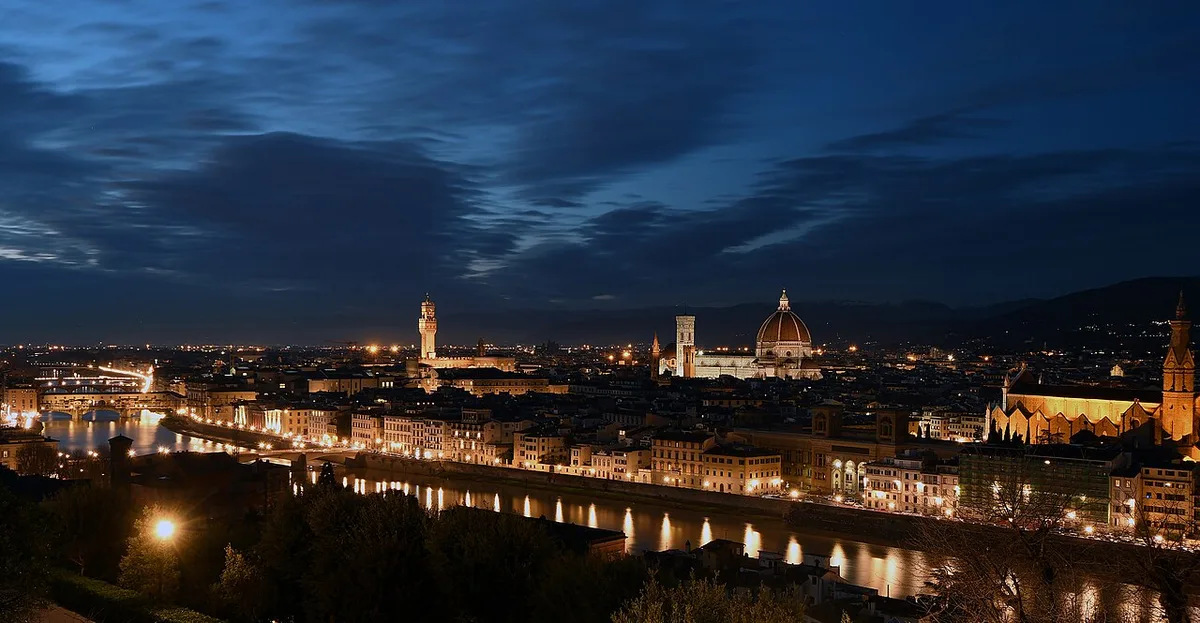
Arrive 40 minutes before sunset at Piazzale Michelangelo to secure a good spot along the balustrade. Popular viewpoints fill quickly in peak summer months, so timing matters more than arrival method.
- Piazzale Michelangelo at Sunset
- This hillside piazza delivers the single best panoramic view over central Florence.
- Locals gather here most evenings with wine and a blanket rather than a formal reservation.
- The terrace is free and stays open around the clock, with no entry gate.
- Tour buses fill the lower steps by early evening in peak summer months.
- Arrive forty minutes before sunset to claim a spot along the balustrade.
- Ponte Vecchio and Ponte Santa Trinita
- Florence's oldest bridge has carried jewelry shops above the Arno since the fourteenth century.
- Photographing it from the water is less crowded than standing on the bridge itself.
- Ponte Santa Trinita, one bridge over, gives a clean view back toward Ponte Vecchio at dusk.
- Shops along the bridge generally trade from mid-morning into early evening, closed on some Sundays.
- Sunrise clears the bridge of the daytime crowd almost entirely.
- Brunelleschi's Dome and Piazza del Duomo
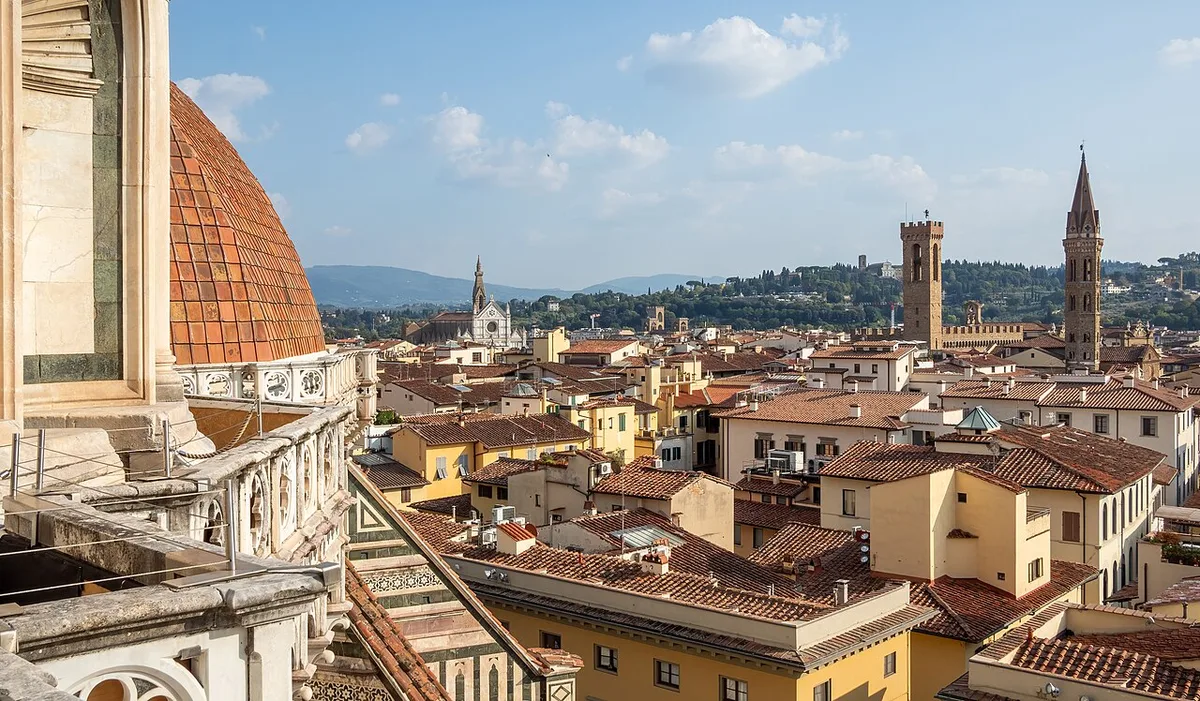
- The cathedral's dome remains the largest masonry dome ever built, according to the Duomo's own visitor materials.
- A combined Brunelleschi Pass runs around €30 and covers the dome climb, bell tower, and museum.
- The climb up involves a narrow spiral staircase that gets tight when a tour group bunches up.
- Reserve a timed dome slot in advance, since walk-up spots run out by mid-morning most of the year.
- Hours shift by season, so confirm the current schedule on the official Duomo site before booking.
- Boboli Gardens Behind Palazzo Pitti
- This sprawling Medici garden spreads across a hillside just south of the Arno.
- Cypress-lined avenues and stone terraces give a formal, almost theatrical backdrop for photos.
- A garden-only ticket runs roughly €10 to €13, with combined Palazzo Pitti passes priced higher.
- Opening hours stretch to early evening in summer but close as early as mid-afternoon in winter.
- Midweek mornings are noticeably quieter than weekend afternoons, when tour groups arrive in waves.
- Basilica di Santa Croce and Its Piazza
- This Franciscan basilica holds the tombs of Michelangelo, Galileo, and other major Florentine figures.
- The piazza in front works well for wide shots of the striped marble facade.
- Entry costs around €8 and includes access to the frescoed interior and cloisters.
- The church generally opens by mid-morning and closes in the early evening, with shorter Sunday hours.
- Late-December visits catch the piazza's Christmas market for a different seasonal frame.
- San Miniato al Monte, the Quiet Overlook
- This Romanesque church sits a short uphill walk past Piazzale Michelangelo, on the same ridge.
- The view is nearly identical to the more famous piazza, minus most of the crowd.
- Entry is free, though the church closes for a midday break most days.
- Sunrise here draws far fewer people than sunset at Piazzale Michelangelo does.
- The stone facade and green-and-white marble geometry reward a slower, wider-angle shot.
- Piazza della Signoria and the Loggia dei Lanzi
- This open-air square doubles as a free sculpture museum in front of Palazzo Vecchio.
- Original Renaissance statues stand under the loggia's arches, unlike the copy in the square itself.
- There is no entry fee and no fixed hours, since the piazza is public space.
- Early morning light empties the square of the afternoon's souvenir-cart crowds.
- Reflections in puddles after rain give the cobblestones an unexpected extra layer.
- Oltrarno Backstreets South of the River
- This artisan quarter across the Arno feels calmer than the main tourist loop.
- Workshop windows display leatherwork, framing, and restoration trades that rarely make it onto postcards.
- Wandering here costs nothing beyond the time it takes to get pleasantly lost.
- Most workshops trade on weekday mornings and afternoons, with many closed on Sundays.
- Doorways and shopfronts photograph best in the soft light before midday sun hits the lanes.
- Mercato Centrale and the San Lorenzo Market
- The ground floor sells fresh produce, meat, and cheese under a nineteenth-century iron-and-glass roof.
- Vendor stalls and hanging goods create dense, colorful frames without much effort.
- Ground-floor entry is free, with stalls typically trading from early morning into the evening.
- The upstairs food hall stays open later, into the night on most days.
- Weekday mornings offer the clearest aisles before tour groups arrive after lunch.
- Fiesole Hilltop Overlooking the City
- This hill town sits a short bus ride north of central Florence, above the valley.
- The Monastery of San Francesco terrace frames the whole city in one wide shot.
- An ATAF bus from the center takes about twenty-five minutes and costs a few euros each way.
- Entry to the monastery grounds is free, though donation boxes are common near the church.
- Late afternoon light softens the valley haze that often sits over Florence at midday.
When Is the Best Time to Photograph Florence?
Light in Florence changes fast, since narrow streets create sharp shadow lines by midmorning. Golden hour lasts longest in late spring and early autumn, when the sun sits lower without summer's harsh glare. Winter offers the softest all-day light but the shortest window before dusk.
Sunrise clears most viewpoints of crowds almost entirely, even in August. Sunset draws the opposite crowd, especially at Piazzale Michelangelo, where the terrace fills an hour before the sky changes color. Picking sunrise over sunset at the same spot can mean the difference between an empty frame and a packed one.
Shoulder months, April, May, September, and October, balance mild weather against manageable crowd sizes. July and August bring the longest days but also the thickest tour-group traffic through the historic center. Rain is not a reason to stay in; wet cobblestones and empty piazzas can produce some of the city's best reflections. Check the best places to watch sunset in Florence for spot-specific timing beyond this list.
How to Plan a Photo Walk Through Florence
A single day can realistically cover five or six of these spots on foot. Start near the river at sunrise, work toward the Duomo by midmorning, then finish south of the Arno in the afternoon. That order avoids backtracking across the same bridge twice.
Central Florence is compact enough that a car adds little beyond parking stress. Buses cover the longer stretches, like the ride out to Fiesole, more efficiently than walking. Comfortable shoes matter more than any piece of camera gear on this route. Those extending the trip beyond Florence might reference this 10 Days in Italy: Your Perfect Itinerary for a broader route.
Timed-entry sites like the Duomo's dome and Palazzo Pitti's gardens need booking at least a few days ahead in peak season. Walk-up tickets do exist but often mean a wait of an hour or more. Booking early also locks in a specific climb slot, which matters for planning the rest of the day around it.
| Photo Spot | Entry Cost | Booking Required | Best Lighting |
|---|---|---|---|
| Piazzale Michelangelo | Free | No | Sunset or sunrise |
| Brunelleschi's Dome | €30 (combined pass) | Yes, in peak season | Midmorning, afternoon |
| Boboli Gardens | €10–13 | No, but recommended | Late morning, early evening |
| Santa Croce Basilica | €8 | No | Morning, late afternoon |
| San Miniato al Monte | Free | No | Sunrise, early morning |
| Piazza della Signoria | Free | No | Early morning, golden hour |
| Mercato Centrale | Free | No | Weekday mornings |
Readers building a longer stay can pair this walk with a full one-day Florence itinerary for a complete plan. That pairing works well for a first visit, when photography competes with major sights for time.
Travelers with extra days might fold in the day trips from Florence that reach Fiesole and the Tuscan hills. Those trips add landscape variety that the historic center alone cannot match.
What to Skip: Overrated Photo Spots in Florence
Not every listed attraction earns the wait it demands. The Uffizi's exterior courtyard photographs fine, but the queue outside can eat two hours of daylight for one shot. Skip it unless the museum's collection is the actual goal, not the photo. For background on what hangs inside, the cheat sheet on art in Florence, Italy covers the major names.
Walk-up tickets for popular sites like the Duomo dome and Palazzo Pitti can mean an hour or more of waiting in peak summer. Booking 2–3 days ahead is essential if you want to shoot within a specific time window.
The fake David replica in Piazza della Signoria draws a crowd for a copy, while the original sits inside the Accademia. A quick photo works, but treating it as a must-see stop wastes time better spent elsewhere. Save the deeper visit for the real statue if art, not just the photo, matters to the trip.
Budget-conscious visitors can still fill a memory card without paying a single entry fee. The free things to do in Florence guide lists several no-cost stops that pair naturally with this route. Piazza della Signoria, San Miniato al Monte, and the Oltrarno backstreets already cost nothing to shoot.
Is Florence Worth Visiting for Photography?
Photography-focused travelers tend to rate Florence highly, though not purely for grand landmarks. The city's real strength is density: iconic sights, quiet gardens, and working markets sit within a short walk of each other. Few European cities pack that range into a historic center this compact.
Two full days cover the ten spots above at a comfortable pace, with room for rain delays. A single day works if the goal is only the highlights near the river and the Duomo. Rainy-day plans should lean on the best museums in Florence worth visiting for indoor alternatives.
Photographers chasing dramatic landscapes may find Florence more architectural than wild. Those drawn to street scenes, historic facades, and river light will likely rate the trip highly. The mix of free and ticketed stops keeps the trip flexible for almost any budget.
Frequently Asked Questions
What is the best time of day for photos in Florence?
Sunrise gives the clearest, least crowded light at most viewpoints across the city. Sunset works well too, though popular spots like Piazzale Michelangelo fill up an hour beforehand. Shoulder-season mornings between April and June balance good light with manageable crowds.
Is Piazzale Michelangelo worth visiting for photos?
Yes, it remains Florence's most reliable skyline view and costs nothing to visit. The terrace gets crowded before sunset, so arriving thirty to forty minutes early secures a good spot. San Miniato al Monte nearby offers a similar view with fewer people.
How much does it cost to climb the Duomo for photos?
A combined Brunelleschi Pass runs around €30 and includes the dome climb, bell tower, baptistery, and museum. Reserve a timed slot in advance, since walk-up availability often runs out by midmorning. Prices and hours shift by season, so check the official site before booking.
How many days do you need for a Florence photo trip?
Two days cover the main spots at a relaxed pace, including one sunrise and one sunset session. A single focused day works if the goal is only the historic center near the river and Duomo. Add a third day for a Fiesole day trip.
Florence rewards a plan built around light and timing rather than a rigid checklist. The ten spots above cover sunrise viewpoints, a working market, and a garden estate without repeating the same shot twice. Booking the dome and garden tickets early frees up the rest of the day for wandering.
Pair this walk with a broader trip plan, and the city's photo opportunities multiply well beyond this list. Return for golden hour at a spot missed the first time, and Florence rarely disappoints twice.