

Konstanz is the largest city on Lake Constance and the only German municipality on the lake's southern shore, which is why its waterfront feels like a working harbour rather than a resort strip. The harbour, the flower-lined promenade and the old town sit almost on top of each other, so you can walk from a boat berth to a medieval guild house in minutes.
A published guide to the lakefront promenade suggests one to two hours at a relaxed pace, and flags the early morning or late afternoon as the quieter windows from May to September. Treat that as a planning suggestion rather than any official timing, and note that the route itself is free.
The planning decision that matters most is free versus paid. The public promenade and harbour cost nothing, while the lidos, the thermal baths and Mainau all charge for access, so mixing them without thinking produces a day of queuing and ticket checks instead of lake views. Exact entry fees, opening hours and boat times change, so check the operator pages before you commit; where a figure appears below it is attributed to the source that publishes it.
The Free Waterfront: Harbour, Imperia and the Promenade
Start at the harbour, where the nine-metre Imperia statue by local sculptor Peter Lenk stands at the end of the pier. She holds miniature figures of Pope Martin V and Emperor Sigismund and rotates around her axis once every four minutes, a detail worth knowing so you wait for the turn rather than photographing her back. The statue is a free, open-air landmark on the Hafenstrasse, and it sets the tone for a city that treats its council history with a wink.
From the pier the maintained promenade runs along the shore with flowerbeds, benches and art installations, and it is the easiest place in the city to watch boats cross the lake. Konstanz Tourism describes the view from the harbour stretching over sailing vessels to the foothills of the Alps on clear days, which is the reason to time this walk for good weather rather than squeezing it into a schedule.
The tourism region also notes that the city's summer tip is to swim in one of the numerous free lidos around the lake, while its spring suggestion is the tulips on Mainau, so the free-versus-paid split is something the destination itself flags. The city's own pages point visitors toward the minster tower and the old town lanes just behind the waterfront, so the promenade works best as a spine rather than a destination. Pair it with the medieval centre and you get a half day of walking without spending anything on admission.
If you want more free mileage out of the day, the free things to do in Konstanz guide covers the unmetered sights that sit within an easy walk of the water, including squares, churches and lanes that cost nothing to enter.
For the wider picture of what the city offers beyond the water, the Konstanz: Landmark Visitor Guides hub collects the one-entity guides for the minster, the museums, Mainau and the day-trip targets, each explaining how to visit a single named place rather than the city as a whole.
Swimming Lidos Compared: Horn, Wallhausen and Dingelsdorf
Konstanz has three main lakeside bathing areas, and they suit different people rather than ranking one above another. Strandbad Horn, at Eichhornstrasse 100 in the Staad district, is the roomiest: it has broad sunbathing lawns, platforms that let you enter the water without walking on pebbles, a dedicated children's pool, a playground and a cafe or kiosk. Choose it when you want facilities and space and do not mind sharing the water with a crowd.
Strandbad Wallhausen on Uferstrasse is the most active of the three, with shallow water that families with small children tend to prefer, plus canoe and kayak rental, large sunbathing areas and an 18-hole mini golf course. It also has a cafe and restaurant, so it works as a full day rather than a quick dip. If your group splits between swimmers and paddlers, this is usually the compromise that keeps everyone busy.
Strandbad Dingelsdorf am Klausenhorn sits within a nature reserve setting and is the quietest option, with shallow water and shade that reviewers repeatedly mention, though the same reviews also flag a smaller dog-friendly section and service that varies. One reviewer describes a day parking ticket costing under five euros, but that is a user-reported figure rather than a published tariff, so confirm current charges and beach rules with the operator before relying on it. All three lidos are run by the city's bathing operation, which publishes its own strandbad pages — the correct place to check whether a lido charges, and what it charges.
Bodensee-Therme Konstanz: When a Paid Spa Beats an Open-Air Lido
The Bodensee-Therme in Staad is a modern spa and sports pool with roughly 3,000 square metres of water, combining indoor and outdoor pools, a thermal pool with lake views, a sauna area and family touches such as low showers and small changing facilities for young children. Lake Constance Tourism notes that the warm thermal water is paired with a panoramic view of the Alps, which is the reason most people choose it over a beach.
The trade-off is straightforward. Pick the thermal baths on a cool, grey or shoulder-season day, or when you want warm water and a sauna rather than sunbathing; skip them on a hot July afternoon when the open-air lidos are doing the job for less. Families with toddlers should compare the shallow-water lidos first, since a spa day involves more supervision and quieter behaviour than a beach.
Ticket prices and opening times for the thermal baths change seasonally and are published on the operator's own site, so check there rather than trusting old listings. Note also that the Bodensee Card PLUS gives one-time free admission for children but explicitly excludes SEA LIFE, so a regional pass is not a universal key to the waterfront; the thermal baths and SEA LIFE appear as separate entries in the card's own information.
Wollmatinger Ried: Birdwatching Instead of Beach Time
Wollmatinger Ried, Untersee and Gnadensee form a nature reserve on the western edge of the city, and it is a fundamentally different outing from a lido. The reserve is described as home to a very large range of bird species and hundreds of plant varieties, with quiet trails and clean paths, so the appeal is observation rather than swimming or sunbathing. Bring binoculars and expect a slow, low-noise walk.
Because it is protected habitat, the sensible approach is to stay on marked routes and check current access rules with the reserve's own visitor centre, run by NABU, before setting out. Paths, closures and guided programmes change with the season and with breeding activity, and none of that is predictable enough to guess at.
Cyclists often fold the reserve into a longer loop around the western shore, and a documented lakeside cycle path runs alongside the road past poplar trees toward Reichenau Island, connecting to the Lake Constance cycle path in Konstanz. That makes a bike the most efficient way to see the quiet side of the water without retracing your steps. For a dedicated look at the island at the end of that ride, see the Reichenau Island UNESCO Visitor Guide.
Mainau Island: Belongs to Konstanz, Reached Three Ways
Mainau, the flower island, belongs to the city of Konstanz and is the best-known excursion destination on the lake, with an 18th-century palace, extensive gardens, a butterfly house and play areas for children. Lake Constance Tourism states plainly that you can reach it by boat, on foot or by bike, and that distinction matters: arriving by boat puts you at the island's landing, while walking or cycling brings you in over the bridge and changes how much of the day you spend in transit. A separate guide to Mainau Island covers the island itself.
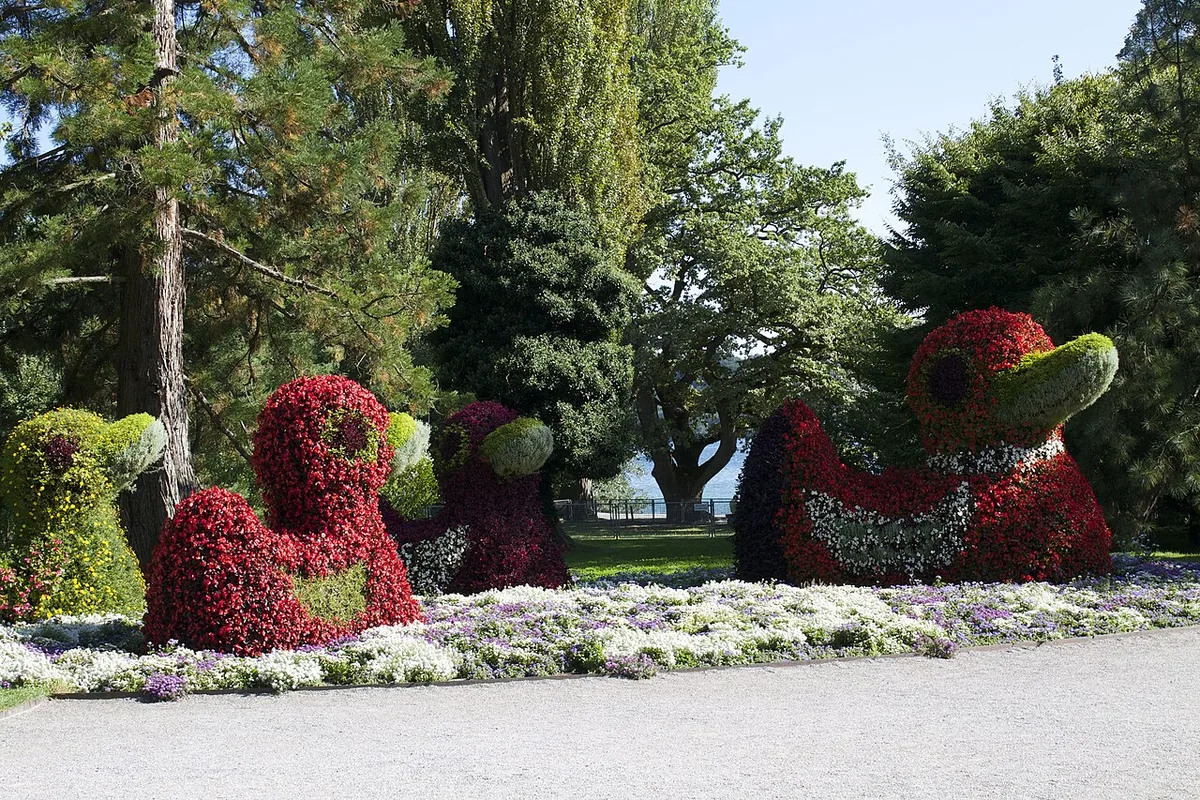
Treat Mainau as a paid garden attraction rather than a public park, and budget most of a day if you want the palace, the gardens and the butterfly house. The garden-or-city trade-off is real: a Mainau day means less time on the Konstanz promenade and in the old town, so decide early which one you are prioritising. Boat and bridge options have their own conditions, and fares and departure patterns are seasonal, so verify them with the operator rather than assuming a summer timetable runs year-round.
If you would rather keep the city as your base and see the lake from a different angle, the best viewpoints in Konstanz range from the minster tower to the harbour pier, all reachable without a ticket to the island.
Rainy Days and Non-Lake Add-Ons That Pair With the Waterfront
The Rosgartenmuseum occupies the former butchers' guild house, a building first mentioned in 1324, and it holds a permanent exhibition on the art and cultural history of the city and the Lake Constance region, plus a historic museum cafe in the extension and inner courtyard. Lake Constance Tourism lists a recommended visiting time of about 60 minutes and a published adult admission of 5.00 euros, with opening hours of Tuesday to Friday from 10 am to 6 pm and Saturday and Sunday from 10 am to 5 pm. Those figures come from the tourism listing rather than a fresh 2026 tariff, so confirm current prices and times with the museum before you go.
The museum's own tours page quotes admission of 3.00 euros per person, 1.50 euros reduced, and 1.50 euros for groups of ten or more as part of tour costs, and notes that tours must be booked in advance and that only English and Spanish foreign-language tours are currently offered on that page. That is a different ticket scope from the general tourism listing, so read the page that matches what you actually want to book. The same page states that external guides are not permitted and that groups are capped at 25 people.
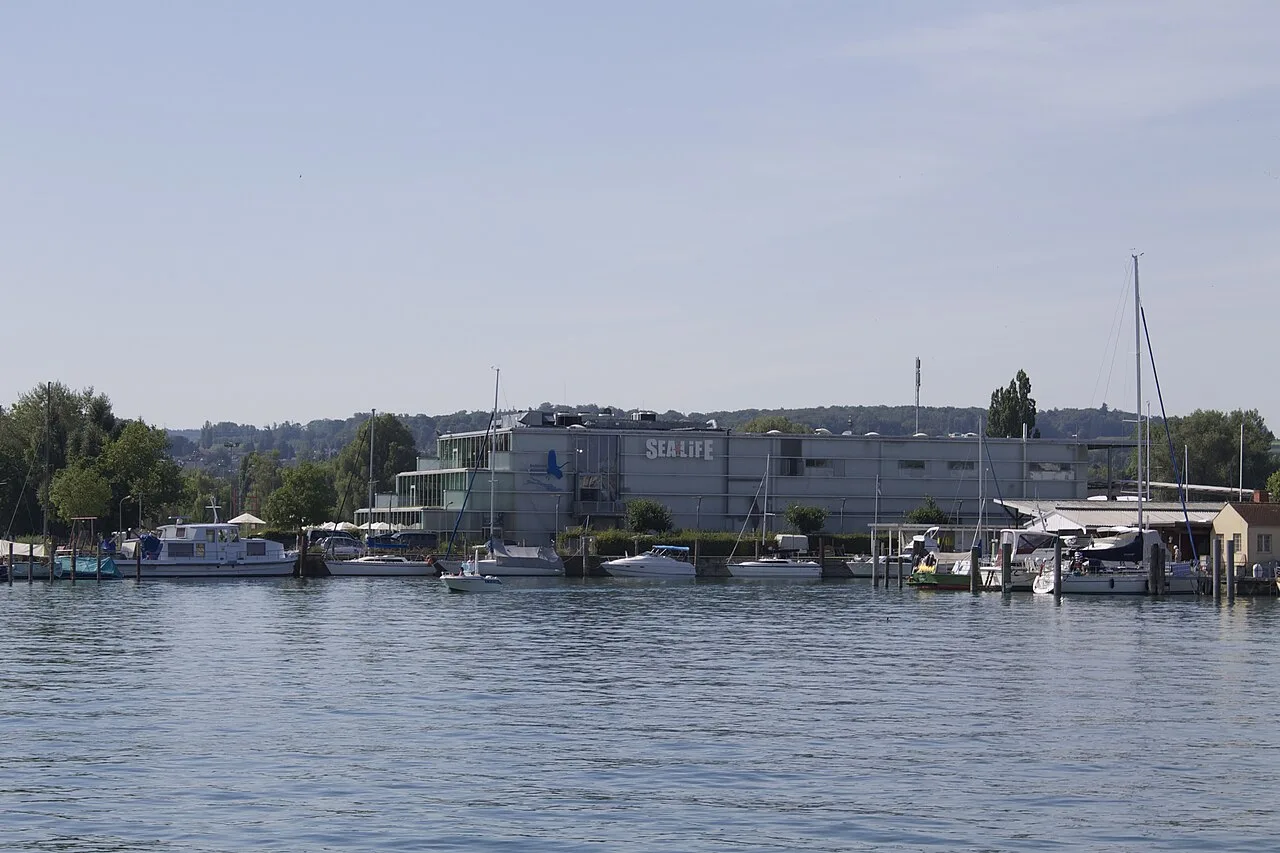
SEA LIFE Konstanz on Hafenstrasse is the other reliable indoor option, with a glass tunnel, Gentoo penguins, sharks and a touch tank among more than 3,500 sea creatures. Lake Constance Tourism confirms that entry to the Lake Constance Nature Museum in the same building is included in the SEA LIFE ticket, and that SEA LIFE is fully accessible to wheelchair users with an accessible toilet available. Note that the same page says admission to SEA LIFE is not included in the Bodensee Card PLUS. Do not assume this arrangement extends to other museums in the city; the Hus-Haus is run separately and the city publishes its details on its own site.
If the forecast is genuinely wet, the Konstanz on a Rainy Day guide groups the indoor options so you are not starting from scratch on the morning of your visit.
Families travelling with children may want to compare the lido facilities with the city's indoor attractions before committing to a beach day; the Konstanz with Kids guide covers the practical family options.
Getting Around the Lakefront and What to Verify
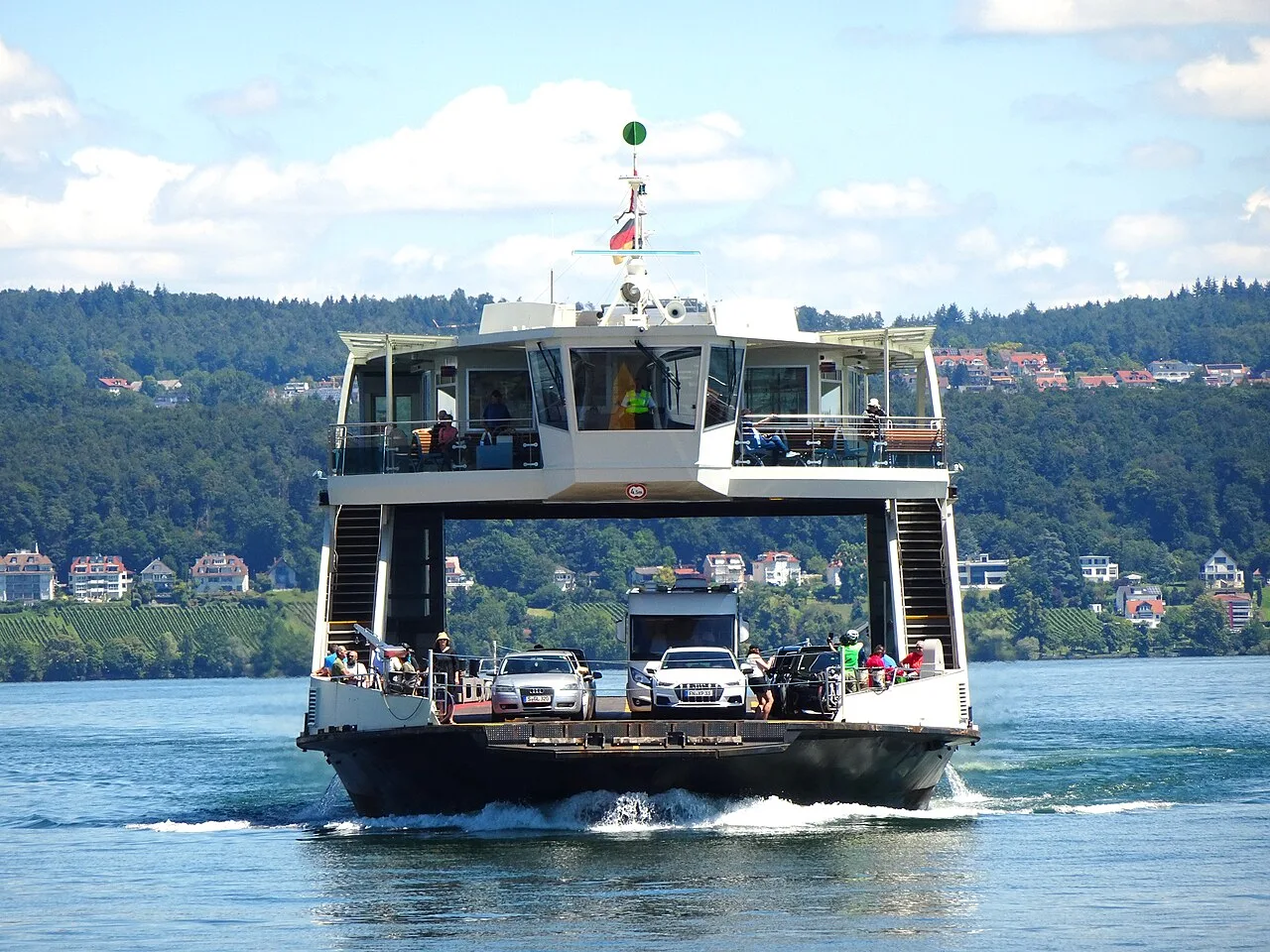
Walking covers most of what this guide describes: the harbour, the promenade and the old town are compact and flat enough for an ordinary day on foot. Cycling extends your range to the lidos at Horn and Wallhausen, the Dingelsdorf beach and the western shore, and the region's path network is designed for exactly that. Boat options connect Konstanz with the rest of the lake, and Lake Constance Tourism specifically documents a regular car and passenger ferry between Konstanz and Meersburg on the northern shore, as well as catamarans reaching Friedrichshafen. Timetables and fares change by season, so confirm them with the operator.
Before you travel, verify four things on the operator or city pages: current lido and thermal bath opening hours, whether a lido charges entry at all, boat and ferry timetables for the day you want, and any seasonal closures on reserve trails. Public transport options exist for reaching the outer beaches, but routes and timings are not stable enough to repeat here. The city's official tourism organisation, Marketing und Tourismus Konstanz GmbH, publishes city information and its own contact and tourist information details through konstanz-tourismus.de.
Evening on the water is its own experience, and Konstanz at night is worth planning for if you are staying over, with the harbour and old town changing character after the day crowds leave. The Niederburg quarter, which survived the war intact, is the most atmospheric part of the centre for an after-dinner walk.
Plan Your Konstanz Waterfront Day
Choose free or paid first, then build the rest around it. A free day is the harbour, Imperia, the promenade and the old town; a paid day adds one lido, the thermal baths or Mainau, but rarely all three on the same date.
If you have more time, the 3 days in Konstanz itinerary shows how to spread the waterfront, the gardens and the quieter western shore across a longer stay without repeating the same walk twice.
Whichever you pick, confirm opening times, entry rules and boat connections with the operator on the day before you set out, because the figures that matter most on a lakefront day are the ones that change.
Frequently Asked Questions
Is the Konstanz lakefront free to visit?
The harbour area, the Imperia statue at the end of the pier and the lakeside promenade are public and free to walk, and so is the old town behind them. The paid parts of a lakefront day are the swimming lidos, the Bodensee-Therme thermal baths and Mainau Island. Check each operator's own page for what is currently charged.
Can you swim in Lake Constance in Konstanz?
Yes, but the organised places to do it are the city's bathing areas rather than the harbour itself. Strandbad Horn has platforms and lawns, Strandbad Wallhausen has notably shallow water plus kayak rental, and Strandbad Dingelsdorf am Klausenhorn is the quieter, nature-reserve option. Confirm current opening times and entry rules with the operator before travelling, as these change by season.
How long does it take to walk the Konstanz promenade?
One published guide suggests one to two hours for the lakefront promenade at a relaxed pace, but that is a suggestion rather than any official figure. Add time for the harbour, the Imperia statue and the old town lanes if you want to see the centre as well. Distances are short enough that walking is the practical way to cover the waterfront.
Should you choose a lido or the Bodensee-Therme?
Pick a lido on a warm day when you want lawns, sun and lake swimming, and the thermal baths when the weather is cool or you want warm water, saunas and an Alpine view. Families with very small children often prefer the shallow-water lidos, especially Wallhausen. Prices and hours for both change seasonally, so check the operator site before deciding.
Is Mainau Island part of Konstanz, and how do you get there?
Mainau belongs to the city of Konstanz and is the region's best-known excursion destination, with gardens, a palace and a butterfly house. Lake Constance Tourism states that you can reach it by boat, on foot or by bike; the route you choose changes the shape of the day. Fares, timetables and island opening arrangements vary by season, so verify them with the operator.
Does one ticket cover Konstanz's museums?
No. Only the Lake Constance Nature Museum is documented as included in the SEA LIFE Konstanz ticket, since it occupies the same building. The Rosgartenmuseum and the Hus-Haus are separate museums with their own arrangements. Always check the individual museum's published information rather than assuming a shared pass.


