Konstanz rewards a three-day stay because the city is compact: the preserved medieval district of Niederburg, with its Romanesque cathedral and its delicately frescoed town hall, sits within walking distance of the harbour and the station. The Rosgartenmuseum is a good example of how much is packed into a small area, and the regional tourism board recommends allowing about 60 minutes for it, a figure that comes from the operator's own listing rather than from this guide.
Plan the three days as one city day, one Mainau day and one Swiss day. Order is a judgement call, but the island and the border town both depend on weather and timetables, so keep those two days interchangeable and lock them in only once you have checked the forecast and the current schedules. If you would rather compress the city portion, a two-day Konstanz itinerary covers the old town and harbour without the island and border days.
Two practical anchors before you start. The city's tourist information office, Marketing und Tourismus Konstanz, sits at Bahnhofplatz 43 inside the railway station, which is where you resolve mobility questions, ticket sales and current local information. The same office markets the Wasserbus, a boat service it presents as transport rather than a sightseeing cruise, so check the seasonal operating pattern before building a day around it.
Day 1: Old Town, Münster and the Harbour
Start in the Niederburg and let the lanes lead you past the Münster and the frescoed town hall rather than working through a checklist. This is the densest part of the city, and an unhurried two to three hours is a suggested pace from this guide, not an official duration. Walking the quarter costs nothing; nothing about wandering the streets requires a ticket.
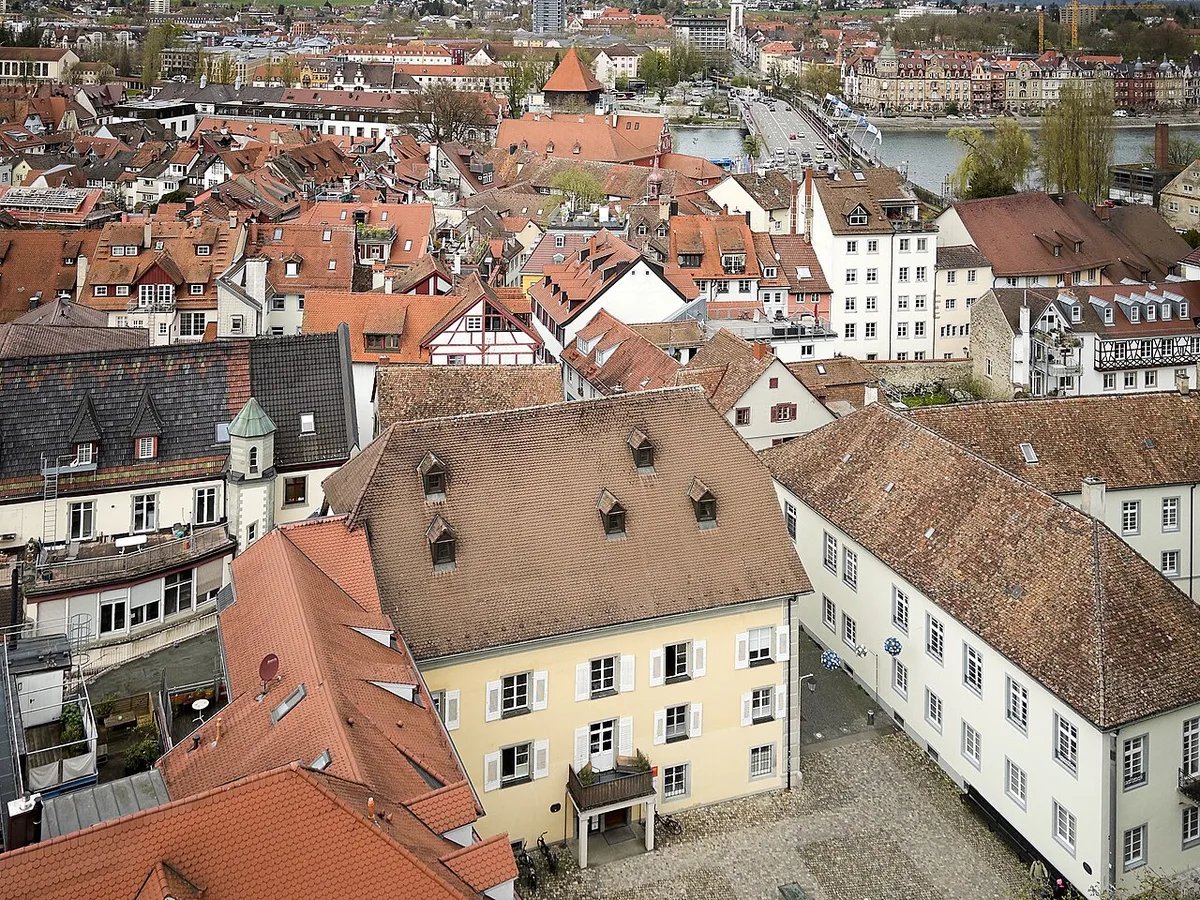
The Münster is described by third-party listings as a grand Catholic church with frescoes, statuary, two organs and an observation tower open to the public, but that is not an operator confirmation of current access or of any tower fee. Treat the climb as optional and check the parish and city tourism pages on the morning of your visit instead of designing the day around it.
The Rosgartenmuseum is the rain-proof anchor of this day and the best single stop for understanding the region. The house known as Zum Rosgarten was the medieval guild house of butchers, grocers, apothecaries, stove makers and ropemakers, first mentioned in 1324, and it merged with the neighbouring house Zum Schwarzen Widder in 1454. Ludwig Leiner founded the museum in 1870, and the listed Leiner Hall on the ground floor still displays his founding collection.
Two details change how long you stay. The museum offers a free audio guide in German, English and French, and there is a museum café in the historic extension and inner courtyard where you can break the visit rather than push through it. Opening hours differ between weekdays and weekends, and the museum's own pages and regional tourism listings do not quote the same admission figure, so treat any price you see as something to confirm at the desk.
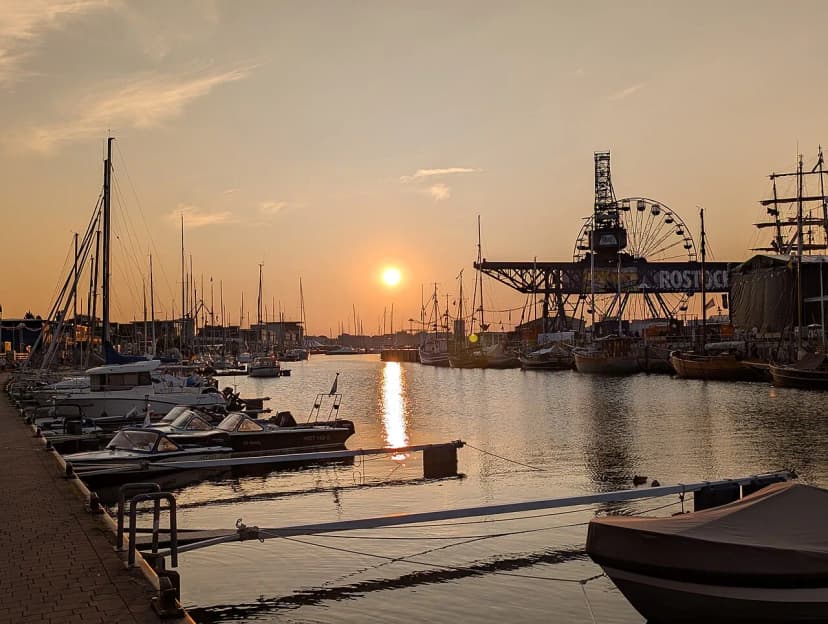
Finish at the harbour, where the Imperia statue rotates on its pedestal and the promenade fills with people watching the boats. The walk from the old town to the water is short and level, which makes it an easy end to a walking day. If you want more free options for the rest of the afternoon, there are plenty of no-cost ways to fill the hours before dinner.
Day 2: Mainau, the Flower Island
Mainau belongs to Konstanz and, as the regional tourism board puts it, can be reached by boat, on foot or by bike. That flexibility is why it works as a half-day island visit rather than a full-day marathon. The island's Schloss Mainau, a baroque castle and count's residence, adds a built element to the gardens, but do not assume one ticket covers everything: the castle, the park and any separate exhibitions may each be handled differently, so confirm the scope of admission for the date you plan to visit.
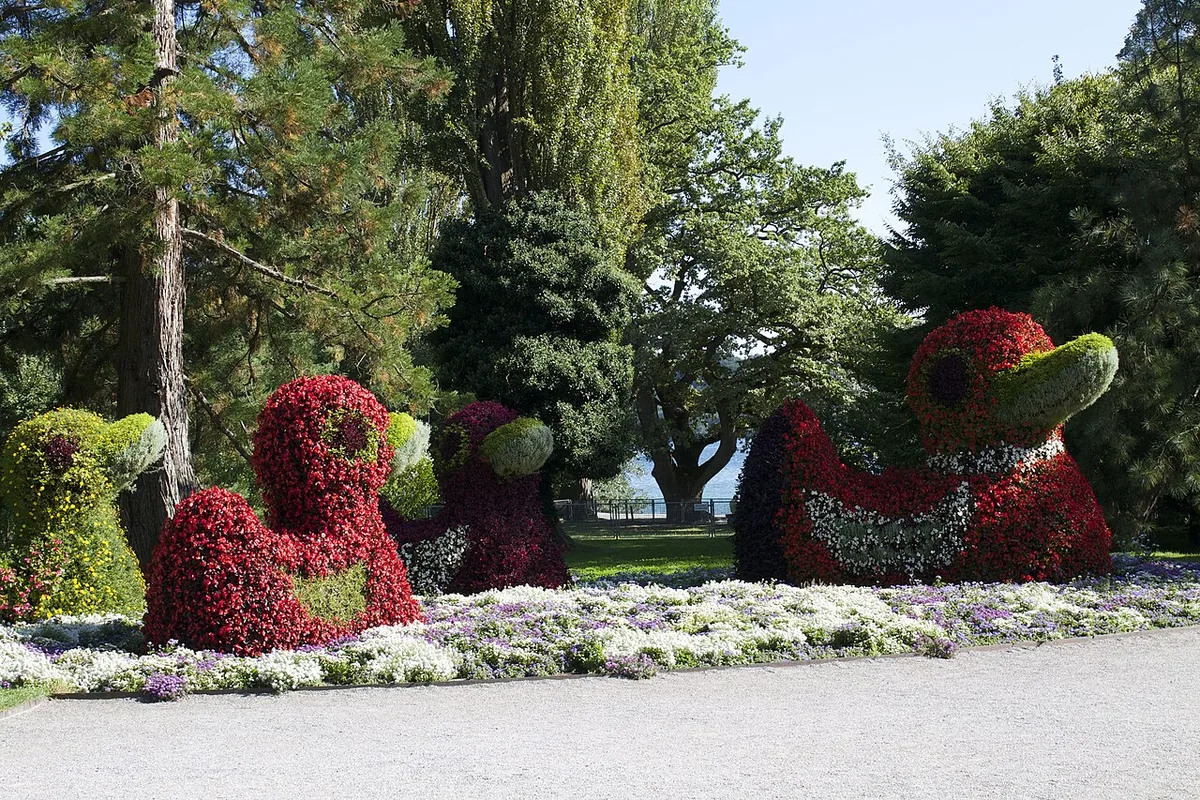
The garden trade-off is seasonal, not financial. Different plantings peak at different times, so a spring visit and a late-summer visit deliver genuinely different islands, and a slow walker will get more out of the grounds than someone working through a checklist. Boat fares and island entry prices are not published here in a form we can verify, so check the operator's own site for the current season before you budget.
For the return leg, walk the lakeside promenade instead of taking the boat straight back. It costs nothing, it puts the harbour approach in perspective, and it spreads the day so you arrive in the city with the evening still ahead of you. If you have hired a bike, the lakeside paths are the flattest option and let you extend the loop without a timetable.
A Wet-Weather Swap for Day 2
If the forecast turns, SEA LIFE Konstanz is the obvious indoor substitute, and it sits in the same building as the Lake Constance Nature Museum. The regional tourism board states that the nature museum's entrance fee is included in the SEA LIFE ticket, so treat them as one combined visit rather than two separate stops.
The operator also states that it is fully accessible to wheelchair users with a wheelchair-accessible toilet on site, and its own site lists more than 3,500 sea creatures including green sea turtles and Gentoo penguins. The catch is booking: SEA LIFE says that due to high demand, admission is only guaranteed with a pre-booked online ticket or a time-slot reservation, and that admission is not included in the Bodensee Card PLUS. That combination can disrupt a flexible day, so decide before you leave the hotel whether you are willing to commit to a slot.
Archaeology fans can treat the Archäologisches Landesmuseum Baden-Württemberg in Petershausen as a swap rather than a stack. The city tourism site says it covers the Stone Age through the Middle Ages, including pile dwellings, Celtic barrows, urban Roman life and the ships and boats section, plus a new Constance room tracing the town from lake village to Roman fort to medieval episcopal town. It sits at Benediktinerplatz 5, and it is the kind of museum that quietly eats a full afternoon.
Day 3: A Swiss Day Trip to Stein am Rhein
Stein am Rhein is the low-friction border crossing from Konstanz: a well-preserved medieval Swiss town of painted facades on the Rhine, and one of the day trips from Konstanz that combines easily with a boat or a train. Carry your passport or national identity card, because this is a genuine border even when nothing appears to be checked; confirm the current document rules for your nationality before travelling. Exact fares and timetables are not published here in verifiable form, so pull the current schedule from the operator on the day.
Keep the return leg deliberately loose. Regional services across the lake run often enough that you can decide at the station rather than committing to a fixed hour weeks in advance, and the boat option gives you a different view on the way back if the weather holds. The one rule worth keeping is to leave Stein am Rhein before the last sensible connection, since a missed final departure turns a relaxed day into an expensive one.
If you would rather stay in Germany, Meersburg is the natural substitute: the regional tourism board notes that a regular car and passenger ferry operates between Konstanz and the wine town on the northern shore, and excursion boats link Konstanz to almost every municipality on the lake. A slower alternative pairs Reichenau's UNESCO monastery heritage with Meersburg on the same day. Both let you keep the Swiss border for a separate trip.
Evenings in Konstanz
Evenings in Konstanz are promenade evenings. The harbour fills first, then the old town terraces, then Marktstätte, where the shopping streets and street cafés keep the centre busy into the night. The city has a large student population, so weekday evenings tend to feel livelier in the lanes while the waterfront stays family-quiet, and the pattern flips slightly on weekends.
Treat event programming as calendar-dependent. The city runs seasonal events throughout the year, including festival periods and a winter special, but listing a wine festival or market as a fixed date on your itinerary is a mistake unless the organiser has published it for your travel window. The tourist information calendar and the city's own event listings are where you check what is actually on.
One quieter evening option is the Hus-Haus, run by the city, which covers the Bohemian reformer Jan Hus and his life. It sits in the city's museum portfolio alongside the Rosgartenmuseum and the Wessenberg-Galerie, and it suits an hour when you want substance rather than another restaurant terrace. Opening arrangements change seasonally, so confirm before walking over.
Getting Around Without a Car
Walking handles the old town, the harbour and the station, and this is genuinely the fastest way to move between them. For anything longer, the city runs buses and a Wasserbus boat service, both of which are normal transport rather than tourist attractions. Exact single-ticket fares and current boat timetables are not published here, so ask at the tourist information office in the station and check the operator's live schedule.
If you drive in, the city operates park-and-ride and several central car parks, but the Altstadt, Marktstätte, Fischmarkt and Lago facilities fill on busy days and street parking in the centre is limited. Leaving the car at P+R Seepark and riding in is the calmer plan, particularly on high-traffic days. Cycling is another realistic option: Konstanz is a designated cycling city with signed routes, repair stations and lake-shore paths.
Arriving by train puts you directly in the centre, which removes the parking problem entirely, and the station is also where the tourist information counter sits. Arriving by boat is slower but arrives with a view of the lake and the Alps on clear days. Either way, you will not need a car for any part of the three-day core.
Where to Base Yourself and How to Pace Three Days
Staying inside the old town buys you atmosphere and walkability at the cost of noise and price, while staying near the station or in Petershausen buys you easy arrivals and quieter nights. If your three days include a Swiss day trip and a Mainau day, the station side is the more practical base because both of those days begin with a departure. Whichever you choose, verify current availability and terms directly with the property rather than relying on an old listing.
Build in one unscheduled half-day. Konstanz rewards lingering, and the lakeside promenade, the harbour and the café terraces are exactly where an over-scheduled itinerary falls apart. If you want a deeper catalogue of sights before you commit, browse the Konstanz landmark visitor guides and decide which individual attractions deserve a dedicated slot rather than a passing glance.
Plan Your Visit
Three days in Konstanz work because the city does not demand transport logistics: you walk the centre, you take a boat or a bus to the island, and you take a train across a border that is a few minutes away. The only real planning decisions are which day gets the better weather and whether you are willing to lock in a timed slot for the aquarium. Everything else can be settled on the morning of.
Confirm the volatile details before you go: current admission scope at the Rosgartenmuseum, whether the Münster tower is open, boat timetables, and Mainau's seasonal opening pattern. The tourist information office in the railway station is the fastest place to resolve all of them in person. Travel documents for the Swiss day trip are the one item worth checking well in advance.
Frequently Asked Questions
What can you do in Konstanz in three days?
A comfortable split is one day in the old town covering the Niederburg lanes, the Münster and the Rosgartenmuseum, one day on Mainau with a walk back along the lakeside promenade, and one day across the border to Stein am Rhein. That leaves evenings free for the harbour and Marktstätte. If the weather turns, swap the island day for SEA LIFE and the Lake Constance Nature Museum, which share a building and a ticket.
Is Mainau worth a full day or just half a day?
Most visitors will find half a day enough, especially if they combine it with the lakeside promenade on the return rather than heading straight back. The gardens peak at different times of year, so the value of a longer visit depends on the season and on how slowly you like to walk. Boat fares and island admission should be checked with the operator for your travel dates.
Can you visit Stein am Rhein as a day trip from Konstanz?
Yes, and it is one of the easiest cross-border trips on the lake, with boat and rail both connecting the two towns. Carry a passport or national identity card even though checks may not be visible, and confirm the current document requirements for your nationality. Confirm the timetable before you travel and keep the return leg loose so you are not pinned to a single departure.
Do you need to pre-book SEA LIFE Konstanz tickets?
SEA LIFE states that admission is only guaranteed with a pre-booked online ticket or a time-slot reservation because of high demand, so treating it as a walk-up attraction is a risk. Admission is also not included in the Bodensee Card PLUS. If you want a flexible day, the archaeology museum is a better fit because it does not depend on a timed entry.
Is the Rosgartenmuseum ticket the same as other Konstanz museums?
Do not assume museums in the same complex or city share a single ticket. The Rosgartenmuseum is a municipal museum with its own admission arrangements, and published figures differ between the museum's own pages and regional tourism listings. Ask at the desk or check the museum's current information page for the exact scope of what your ticket covers.
How do you get around Konstanz without a car?
Walk the old town, the harbour and the station area, then use city buses or the Wasserbus boat service for longer hops. Arriving by train puts you in the centre and avoids the parking problem altogether. Exact bus and boat fares and timetables are not fixed facts, so pick them up from the tourist information office inside the railway station.
What is there to do in Konstanz in the evening?
The default evening is a promenade walk at the harbour followed by dinner somewhere between the old town lanes and Marktstätte, where the street cafés stay busy. Weekday evenings feel livelier in the lanes because of the student population, while the waterfront stays calmer. Check the city's event calendar for festivals and seasonal programming rather than assuming a fixed annual date.
Sources
- Herzlich willkommen in Konstanz am Bodensee
- Konstanz trip planner: make a Konstanz itinerary & map
- Rosgartenmuseum
- Rosgartenmuseum Konstanz am Bodensee
- State archeological museum – Archäologisches Landesmuseum
- Konstanz am Bodensee | Lake Constance Tourism
- SEA LIFE Konstanz - Unterwasserwelt am Bodensee
- Das erwartet euch | SEA LIFE Konstanz
- Hus-Haus - Stadt Konstanz