Heidelberg fits a lot into a small valley, and three days is a reasonable amount of time to see the headline sights without sprinting. The city's official tourism board lists the castle, Old Bridge, Philosopher's Walk, Old University, Market Square, the mountain railway and Königstuhl among its main sights. Treat the order and durations here as suggestions, not official timings. Further visitor details appear in Heidelberg Marketing.
A practical point to settle early: there is no international airport in Heidelberg itself. Stuttgart and Frankfurt both have international airports and both have trains to Heidelberg each day, with Frankfurt slightly closer. That matters if you plan to use day three for an excursion rather than staying in the city. For the wider set of landmark guides, see Heidelberg: Landmark Visitor Guides.
Day 1: Castle, Old Town, Old Bridge and Philosopher's Way
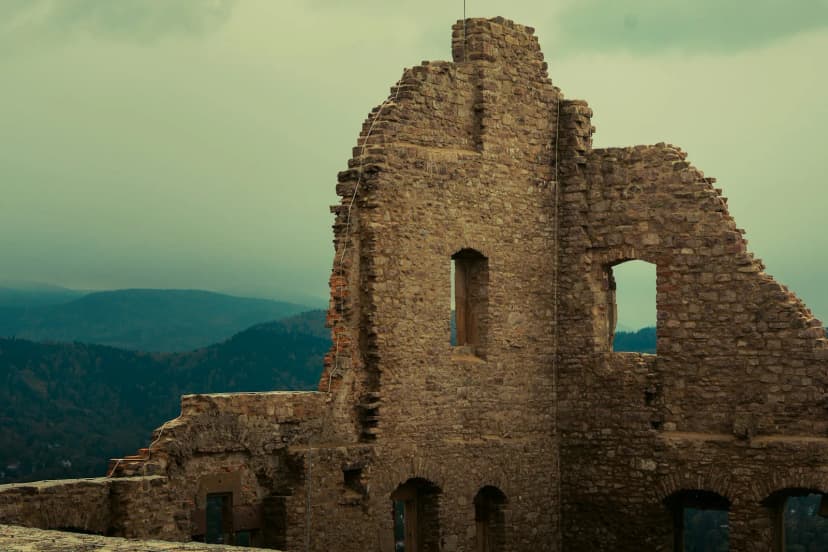
Start with the castle. Heidelberg Marketing calls it the epitome of German Romanticism, and it is the sight most visitors come for. The castle's grounds, ruins and open spaces are one thing; the ticketed interiors, the Great Barrel and any special exhibitions are separate, so do not assume one ticket covers everything. A suggested half-day is usually enough for the ruins and main paid areas, but that is editorial advice rather than an official duration. For wider planning, see Heidelberg Castle Great Barrel.
The Great Barrel sits inside the castle ruins and is viewed with a castle ticket. It dates from 1751, holds over 58,000 gallons of wine and stands over 20 feet tall, with a dance floor on top, as For the Love of Wanderlust notes. If the barrel and the ruins are both on your list, budget more time at the castle rather than stacking a second indoor sight the same day.
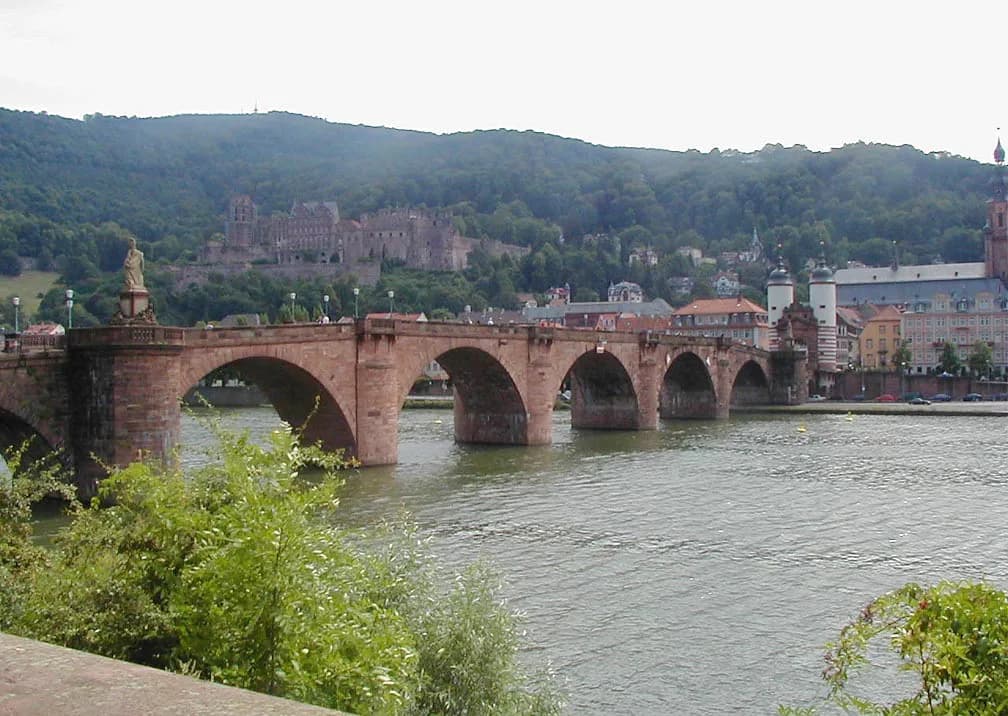
Walking down into the Old Town and across the Old Bridge is a natural continuation and costs nothing. The bridge is a pedestrian route that links the Philosopher's Way side of the Neckar with the Old Town, so it doubles as your crossing rather than a detour. It was built in 1877, and the bridge monkey legend says touching the hand brings you back, the mirror wealth and the mice fertility.
Finish with the Philosopher's Way, a hike that climbs the hill across the Neckar for a classic view back over the Old Town. It is easy to moderate depending on fitness, with side stops including a garden where professors and poets sat, monastery remains, Celtic fort remains and a Nazi theater, as described by For the Love of Wanderlust. Trail conditions and signage can change, so check locally before a late-afternoon attempt.
Day 2: University Museum, Old Assembly Room and Student Prison
Give day two to the university quarter and the Old Town. Heidelberg University is one of Europe's oldest institutions, founded in the late 1300s, and its Old Town campus includes a museum with information on the university and its people. The highlight for many visitors is the Old Assembly Room, appreciated for its 1886 renovation, according to For the Love of Wanderlust. Museum and Student Prison entry arrangements can differ, so check current admission requirements before you go.
The Student Prison was the university's answer to unruly students, operated for several hundred years and closed in 1914, with the last location now part of the museum. Inside you can see how it looked just before the First World War, complete with original furniture and student graffiti, as For the Love of Wanderlust describes. It is a small space, so avoid treating it as a long visit.
Then walk the Old Town itself, which Heidelberg Marketing describes as one of Germany's most romantic, with pastel facades and carved signs. Market Square is one of Heidelberg's oldest squares and sits naturally on this loop. The Church of the Holy Spirit, finished in 1709 after an earlier church burned during a war, is free to enter and worth a look inside.
The Church of the Holy Spirit tower offers a rooftop view, and For the Love of Wanderlust notes the climb is tight in places and not ideal if you dislike confined spaces. Tower access rules and any fees should be confirmed on site, because they are not covered here. The Jesuit Church nearby is free to enter and known for its pink stone facade and simple monochrome interior.
The Funicular: Optional Add-On, Not a Mandatory Step
The Heidelberger Bergbahn is a two-part funicular running up the hill behind the castle, with a viewpoint over the Old Town at the top and Königstuhl, the local mountain at 567 metres, beyond, as Heidelberg Marketing lists. Tickets can be bundled with a castle visit, but the castle's free grounds and open spaces do not require one. Treat the funicular as an optional add-on rather than something you must do.
Walking up on the Philosopher's Way side is a legitimate alternative, but it does not replace the funicular's upper route. Operating times and journey duration are deliberately not fixed here; confirm current service information with the operator or the tourist office, since seasonal maintenance can affect it. If the funicular is unavailable, the castle and Philosopher's Way still fill the day well.
Day 3: A Nearby Excursion Kept at City Level
Day three is your reward for staying three nights. The two obvious anchors are Frankfurt and Stuttgart, both with international airports and daily trains to Heidelberg, and both usable as a day-out destination depending on your route, as For the Love of Wanderlust notes. Treat this as city-level guidance only; specific ticketed attractions and schedules for the excursion day are not listed here, because those change. For wider planning, see Day Trips from Heidelberg.
A shorter alternative is to stay in the region and ride the Neckar on one of the sightseeing boat trips that Heidelberg Marketing lists among its things to do. That keeps travel time low and works well if you have an evening train to catch. Confirm departure points and times with the operator rather than relying on a blog post.
If you would rather cut the itinerary to two days and add a longer excursion, a compressed version of the plan is easy to build. Compare the shape with our two day itinerary before deciding which day to drop. Neither option is worse; they suit different travel styles.
The HeidelbergCARD and Free Alternatives
The HeidelbergCARD is sold through the city's tourism board, and coverage details and eligibility change, so read the current terms before buying. A card only pays off if your actual itinerary matches what it includes; if you plan mostly free outdoor time, a card can be a poor fit. Decide after you have chosen your ticketed stops, not before.
For readers who prefer to keep costs down, our round-up of free things to do in Heidelberg covers the no-cost options that fit around this plan. Combine that with a single paid interior rather than buying a card you may not use. The maths is personal, not universal.
Practical Timing, Shoes and Rainy-Day Swaps
Heidelberg's calendar is busy across the year, and the tourism board publishes a current events listing rather than a fixed annual schedule, including castle illuminations and seasonal markets. If your visit coincides with a major event, expect heavier demand in the Old Town and near the bridge, and adjust your castle timing to avoid peak crowds. Check the live calendar before booking travel, because organisers can adjust or add dates.
Heidelberg's cobbles and hills punish unsuitable footwear, and the Philosopher's Way climbs more than it looks. For the Love of Wanderlust recommends good walking shoes and waterproof boots with grip in winter. This is one of the most common complaints from first-time visitors, and it is entirely avoidable.
Rain does not ruin the plan; it just reorders it. Move the museum, Student Prison or churches to the wet hours and save the bridge and viewpoint for a break in the weather. Since indoor capacity can be limited and opening days vary, check ahead on wet days rather than assuming walk-in entry. For wider planning, see Heidelberg on a rainy day.
Pace yourself: three days here is generous but not endless, and an overpacked schedule defeats the purpose. Build in one slow meal a day and one unplanned wander through the Old Town. The best moments in Heidelberg tend to be unplanned.
Suggested Three-Day Shape at a Glance
Day 1: castle in the morning, Old Town and Old Bridge in the afternoon, Philosopher's Way for late light; treat the castle's interior collections and the barrel as optional add-ons rather than assumptions. Day 2: University Museum, Old Assembly Room and Student Prison, then Market Square, Church of the Holy Spirit and Jesuit Church. Day 3: a city-level excursion toward Frankfurt or Stuttgart, or a shorter Neckar boat trip.
This is a suggestion framework, not an official route. Adjust freely based on weather, energy and what is open when you visit. Confirm all ticketed details directly with the operator or the tourist information office before you travel.
Plan Your Visit
Three days in Heidelberg is enough to see the headline sights properly, add one museum interior and still take an excursion. The main choice is which interior to prioritise; the main risk is overstuffing the days. Plan around free grounds and open spaces, and buy only the tickets you will actually use.
Before booking, confirm current opening days, ticket scope and event dates with the tourist information office or the relevant operator, since these change seasonally. If you want a shorter version of this trip, compare the two day itinerary before deciding what to cut. Whichever version you choose, leave room for the city to surprise you.
Frequently Asked Questions
How many days should you spend in Heidelberg?
Three days is a comfortable amount if you want the castle, Old Town, the Philosopher's Way and one museum interior without rushing. Two days works if you skip the excursion, and a day trip covers only the headline sights at speed. The right number depends on how much walking you want and whether you plan an excursion.
Is Heidelberg Castle worth a full day or half a day?
For most visitors a half-day is enough for the ruins and the main paid interiors, including the Great Barrel; a full day suits travellers who want to explore the gardens and exhibitions in depth. The grounds and open spaces are separate from ticketed areas, so decide what you want to see before buying. Confirm current ticket scope and hours with the operator or tourist office.
Can you see Heidelberg as a day trip from Frankfurt?
Yes, Frankfurt has an international airport and trains run to Heidelberg from the city each day, making a day trip possible. You would cover the castle, Old Town and Old Bridge, but you would miss the museum interior and the Philosopher's Way at leisure. Staying overnight gives a much better pace.
Should you take the funicular or walk up to Heidelberg Castle?
The funicular is the easy way up and can be bundled with a castle visit, while walking gives you the Philosopher's Way experience but does not replace the upper route. Choose based on time and energy, and confirm current service information with the operator, as schedules and maintenance can affect availability.
Is the HeidelbergCARD worth it for a three-day trip?
The card is sold through the city's tourism board and its coverage changes, so check the current terms before buying. It tends to pay off if your itinerary includes multiple ticketed sights and public transport; if you plan mostly free outdoor time, it may not. Read the current inclusions and compare with your planned stops.
What is there to do near Heidelberg for a day excursion?
Frankfurt and Stuttgart are the two obvious city-level anchors, both with international airports and daily trains to Heidelberg, and regional options include the Neckar and nearby towns. This guide deliberately avoids ticketed specifics for those excursions; check the relevant operator or tourist office for current details. A shorter local option is a boat trip on the Neckar, but times and availability should be confirmed.