The Great Barrel, known in German as the Grosses Fass or Heidelberg Tun, is the single object most visitors to Heidelberg Castle remember, and it is also the one they most often misplace. It does not stand in the courtyard or on the terrace; it occupies the basement of the Barrel Building, a functional structure beside the Ladies' Wing. The operator records that the current tun, built for Prince-Elector Carl Theodor, held around 220,000 litres of wine.
The practical consequence is simple: the barrel belongs to the castle's paid interior rather than the open grounds, so a grounds-only visit will not bring you face to face with it. Plan around that distinction, and treat any older account of prices, hours or tour rules as unreliable until it is confirmed on the operator's own visitor information.
Getting Your Bearings in the Castle Complex
The Barrel Building occupies a fixed position in the castle ensemble: it stands next to the Ladies' Wing, which was built around 1515 and named for the quarters on its upper floors reserved for ladies in waiting. The best exterior view of the Barrel Building is from the Great Terrace.
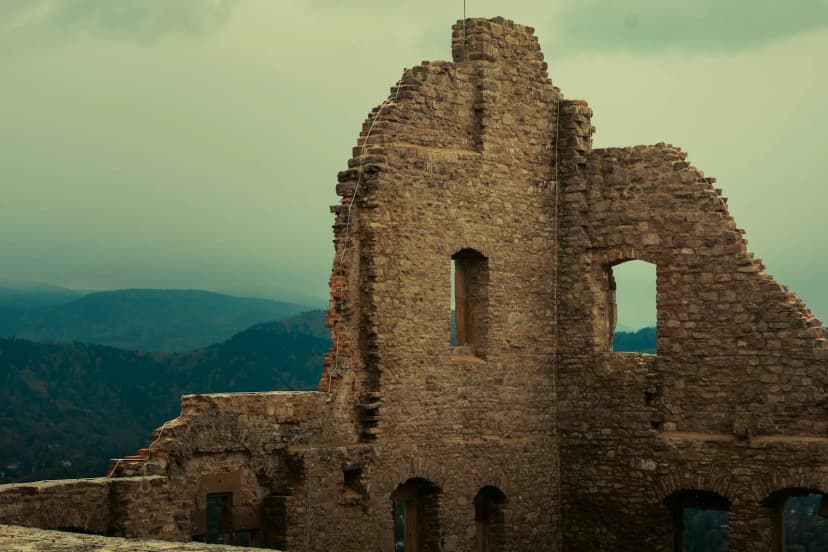
The building's Gothic windows were installed when the functional structure was erected in the sixteenth century, and they were already out of fashion by the time of construction. The operator notes that the reason its builder, Johann Kasimir, uncle and guardian to Friedrich IV, chose them remains a mystery. That small architectural puzzle is easy to miss if you walk straight past the facade toward the entrance. Further visitor details appear in The Barrel Building.
Think of the barrel as one stop on a route rather than a standalone sight. It sits between the courtyard you enter from and the Ladies' Wing next door, so a sensible sequence is courtyard, Barrel Building, then the neighbouring hall and wings. This order keeps you moving in one direction instead of doubling back through the same rooms.
Three Barrels, Three Fates
The barrel you see today is the third in a line, and each predecessor has a distinct story. The operator records that a giant barrel was installed in the building's basement in 1591, holding 130,000 litres of tithe wine from the Palatinate. That first tun fell victim to the turmoil of the Thirty Years' War, which is why the sequence restarted rather than continued.
In 1664 a replacement was built, larger than the original at 200,000 litres. Nearly a century later, Prince-Elector Carl Theodor, who by then resided at Mannheim Palace rather than in Heidelberg, commissioned the third and current tun. The operator records its capacity at around 220,000 litres of wine, the figure that survives in most visitor accounts. Further visitor details appear in The Barrel Building.
Keeping the dates attached to the right barrel matters when you read older descriptions. The 1591 tun, the 1664 replacement and the current eighteenth-century barrel are often collapsed into a single claim about a barrel built in 1751, a date that appears in old travel blogs rather than in the operator's own sequence. For the precise history, the operator's building page is the dependable place to check.
Climbing Above the Barrel
A surprising detail of the barrel room is that stairs lead up to a platform above the tun. The operator describes this platform as likely having been used as a dance floor. That qualified wording is worth repeating rather than hardening into fact, and it explains why anyone would build a staircase onto a wine barrel in the first place.
Visitor photographs can be misleading here, because a flat image struggles to convey the stairs and the platform at the rear of the room. The climb is short, but it changes the experience: at floor level you see a vast curved wall of staves, while from above you look down across the full circumference of the barrel.
The current barrel is also popularly called the world's largest wine barrel, a label common in travel writing rather than a formally verified title. Treat the superlative as a nickname and the capacity figure recorded by the operator as the documented detail. The likely former dance floor is the more interesting element of the room anyway.
Perkeo and the Drinking Legends
Guarding the barrel today is a painted wooden figure of Perkeo, the court jester. According to the operator, Little Perkeo was brought to the Heidelberg court from South Tyrol by Prince-Elector Carl Philipp at the start of the eighteenth century, where he entertained court society with pranks and jokes. He became famous for his ability to hold his liquor, and stories grew up around that reputation.
Those drinking feats belong to legend attached to a figure, not to a documented record, and the operator's own wording keeps them in the realm of story. The painted wooden statue is what you actually encounter in the room, standing watch over the tun. Read the anecdotes as court entertainment that outlived its subject rather than as biography.
The King's Hall Next Door
The Ladies' Wing stands immediately beside the Barrel Building, and its ground floor contains the King's Hall, the castle's large ceremonial hall. The practical connection between the two buildings was a pipe: during celebrations, wine could be pumped directly from the Great Barrel into the neighbouring Ladies' Wing and the hall. That detail explains why the barrel was placed here rather than in a remote storeroom.
The hall was named in 1619, after Prince-Elector Friedrich V was elected King of Bohemia. Today it can be rented for private celebrations, and the operator notes it offers space for 600 guests, with enquiries directed to the castle administration. Because it is bookable for events, treat the hall as a separate question from the barrel room: a private function can affect whether you see it on a given day.
Free Grounds Versus the Paid Interior
Heidelberg Castle receives roughly a million visitors a year, according to the operator, and the site mixes open areas with ticketed buildings. Courtyards, terraces and the outdoor spaces can be explored on foot, while the barrel room and other interiors require the appropriate admission. Arriving expecting to see the Great Barrel without paying is the most common planning error at this site.
Do not assume that one ticket opens every collection in the complex. The German Apothecary Museum, which the operator notes displays medicine from the seventeenth to nineteenth centuries, sits in the Ottheinrich's Wing and is one of several attractions whose inclusion can vary from the barrel room. Check the current ticket scope at the window or on the operator's site rather than relying on old blog posts, which frequently quote prices and hours that no longer apply.
A blog account from 2012 stated that the castle interior could only be seen on a guided tour, but that page is far too old to establish the current rule. Admission arrangements and any guided options can change, so verify the situation on the operator's site before you travel. If your time is tight, decide in advance whether the interior buildings or the outdoor terraces matter more to you.
How Long to Allow
The operator does not publish an official recommended duration, so any time figure here is an editorial suggestion rather than an authoritative one. As a rough plan, allow about fifteen to twenty minutes for the Barrel Building itself, including the climb to the platform. That is enough to walk the room, read the Perkeo material and take in the scale from above.
For the wider castle complex, a suggested two to three hours covers courtyards, terraces, the barrel and at least one other interior collection. The outdoor areas alone can fill an hour without any ticketed entry. If you are combining the castle with the Old Town below, the castle tends to work best first, while your energy is fresh and the light is good.
Practical Notes Before You Go
Buy the correct ticket rather than the quickest one. A 2012 blog comment reported that machines at the lower funicular station once sold funicular-only tickets, while the staffed window sold combined options; the durable lesson is to confirm what your purchase includes before boarding, not to trust a decade-old account of prices. Current combinations should be checked with the operator.
Weather and crowds change the experience more than most guidebooks admit. The ruins and terraces are exposed, so rain or strong sun affects how long you linger outdoors, while the barrel room itself is sheltered. Third-party pages often quote opening hours and fees from years ago; the operator's visitor information is the dependable source for current times and admission. Further visitor details appear in Heidelberg Castle.
If you have time for a second excursion, the baroque palace and gardens at Schwetzingen make a natural half-day addition to a Heidelberg stay. It is a separate site with its own admission and its own opening arrangements, so plan it as its own visit rather than an add-on to the castle. Check the palace's published information before you commit a day to it.
Plan Your Visit
The Great Barrel rewards a little preparation. Remember three things: it sits in the Barrel Building basement rather than the open grounds, it is the third tun in a sequence spanning 1591, 1664 and the eighteenth century, and the platform above it is best understood as a likely former dance floor. The neighbouring King's Hall can be rented privately, so treat it as a separate question from the barrel room.
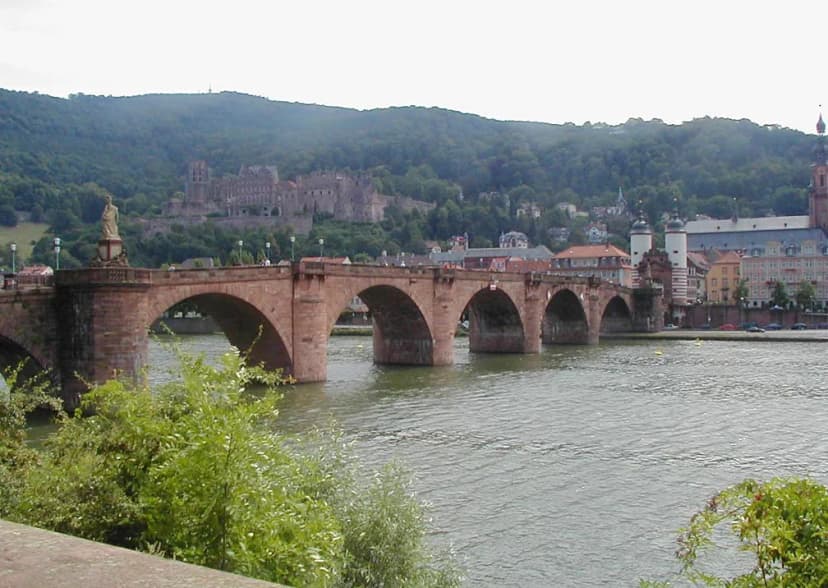
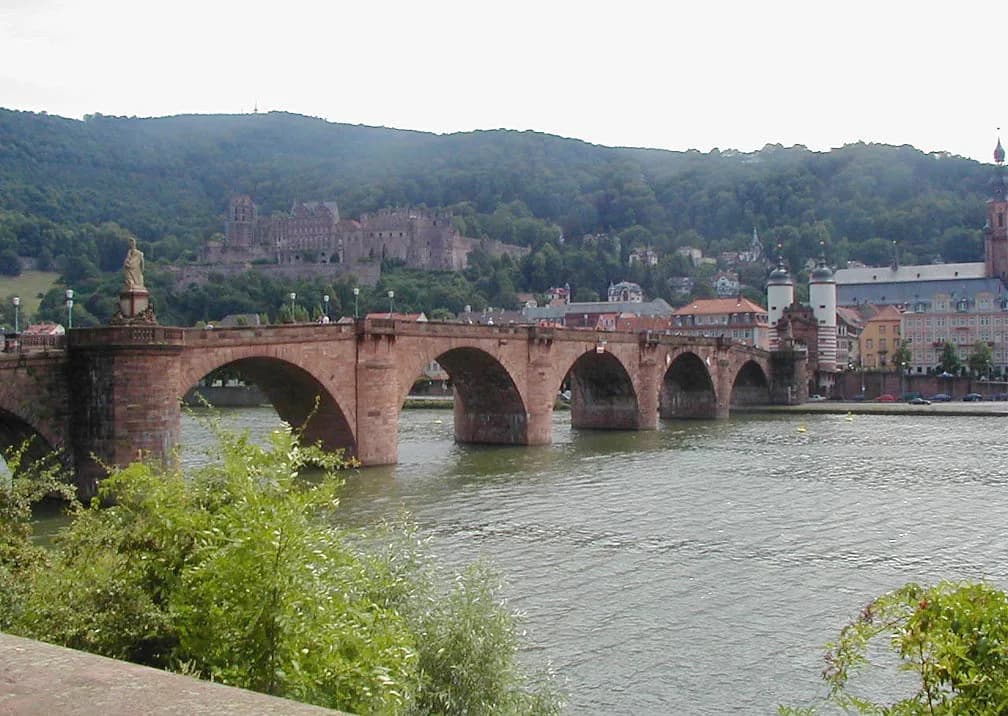
The mistake most visitors make is budgeting for the grounds and running out of time for the interior, so decide in advance whether the barrel or the terraces matter more to you. Pair the castle with the Old Town, the Old Bridge and the river views below, and confirm current admission details on the operator's site before you set out.
Frequently Asked Questions
Do I need a ticket to see the Great Barrel at Heidelberg Castle?
Yes. The Great Barrel stands inside the Barrel Building, which belongs to the castle's paid interior rather than the freely accessible grounds. Courtyards and terraces can be visited without entering a ticketed building, but the barrel room itself requires admission. Because ticket scope and inclusions change over time, confirm the current arrangement with the castle operator before your visit rather than relying on older travel accounts.
Is the Heidelberg barrel the world's largest wine barrel?
It is popularly called the world's largest wine barrel, and that label appears widely in travel writing, but it is a common description rather than a formally verified title. What the operator does record is the capacity: the current tun, built for Prince-Elector Carl Theodor, held around 220,000 litres. Treat the superlative as a nickname and the capacity figure as the documented detail.
Can you walk on top of the Great Barrel?
Stairs lead to a platform above the barrel, and the operator describes that platform as likely having been used as a dance floor in the past. The wording is deliberately qualified, so treat the dance-floor use as probable rather than proven. The climb itself gives you a view down across the full barrel, which is the best way to appreciate how much of the room it occupies.
What happened to the earlier barrels?
There were three in succession. The operator records that a giant barrel was installed in the building's basement in 1591, holding 130,000 litres, and that it fell victim to the turmoil of the Thirty Years' War. In 1664 it was replaced by a larger barrel of 200,000 litres, and nearly a century later Prince-Elector Carl Theodor commissioned the third and current tun, with a capacity of around 220,000 litres.
Where exactly is the Barrel Building?
It forms part of the castle complex, standing next to the Ladies' Wing, which the operator dates to around 1515. The best exterior view of the building is from the Great Terrace, while visitors approach the barrel room itself through the building's basement. If you are navigating the site, use the courtyard as your reference point and look for the building beside the Ladies' Wing.
Can you visit the King's Hall?
The King's Hall occupies the ground floor of the Ladies' Wing next door and was named in 1619. The operator states that it can be rented for private celebrations and offers space for 600 guests, with enquiries directed to the castle administration. Because private events can affect access, the hall should be treated separately from the barrel room and its availability should be confirmed rather than assumed.