Baden-Baden and Heidelberg sit in the same corner of southwestern Germany but feel like opposites: one is an unhurried spa town at the edge of the Black Forest, the other a working university city with a castle above it and students in the streets below. A city guide published by a Heidelberg tour operator describes Baden-Baden as sitting just to the south of Heidelberg in the foothills of the Black Forest, which is the geography that makes the pairing work as a day trip rather than a second overnight base.
Our suggested pacing for the day is simple: arrive before midday if you can, give the castle the early afternoon, and keep the old town, the Old Bridge and the riverbank for the later hours. Everything here marked as a suggestion is our own editorial recommendation, not official guidance from any operator or city authority. Treat the castle, the old town and the return connection as three separate decisions.
Why Heidelberg Pairs Well With a Baden-Baden Stay
Baden-Baden has built its reputation on quiet: the Kurhaus, the colonnaded Trinkhalle, the long Lichtentaler Allee and the thermal baths. The Heidelberg tour operator's city guide notes that Baden-Baden became known in the eighteen hundreds as a see-and-be-seen place for famous visitors, at the time nicknamed the Summer Capital of Europe, and that it now holds museums, galleries and music venues as well as the spa traditions.
Heidelberg is the counterweight. Its official city data page lists InterRegio, EC/IC and ICE rail connections, motorways A5, A6, A61 and A67, federal highways B3 and B37, and puts Rhine-Main International Airport at roughly 56 miles away. It is a well-connected regional city rather than a remote one, even though the historic core feels enclosed and walkable once you are inside it.
If you are weighing up your base, our hub of Baden-Baden landmark guides is the natural companion to this page. Pairing Heidelberg with a spa afternoon the day before and a Black Forest outing the day after gives you three different days without ever changing hotels.
Getting There: Train, Car or a Booked Tour
Rail is the default choice because the two towns sit on the same regional corridor and you avoid parking in a university city. The weekend guide to Strasbourg, Baden-Baden and Heidelberg states that high-speed and regional trains connect all three locations, allowing you to complete the route without a car. Check live timetables and fares on the operator's own site rather than trusting any figure you saw in an old blog post. The Deutsche Bahn homepage advertises saver fares from a low national headline figure with ICE services, but that is a countrywide starting point, not a quoted price for this route.
Driving gives flexibility for detours into the vineyards or the Black Forest, and the same weekend guide notes that renting a car provides more flexibility for the countryside, wineries and smaller towns in between. The trade-off is real: you pay for fuel and parking, you cannot read on the way, and you commit to staying sober if you want a glass of regional wine with lunch. For a single day trip with two endpoints, rail usually wins on effort.
A third option is a pre-booked small-group tour. One operator listed on a major booking platform runs Heidelberg and Baden-Baden as a single day from Strasbourg with transport, an English-speaking guide and the funicular included. That listing states its own restrictions, including that it is not suitable for children under four, people with mobility impairments, people with motion sickness or wheelchair users, and that it runs as a nine-and-a-half-hour day starting at 9:00AM with a return to Strasbourg station around 6:30PM.
Note the geography of these tours: they often start in Strasbourg or Frankfurt rather than Baden-Baden, which changes the shape of the day. A Frankfurt departure, for example, spends its opening stretch heading south before Heidelberg even appears. If you are staying in Baden-Baden, a tour starting elsewhere adds hours of driving, so read the meeting point before booking.
Arrival Orientation: Main Station Versus Altstadt
Heidelberg Hauptbahnhof sits west of the old town, not inside it, and the walk into the Altstadt passes a strip of ordinary city streets before the historic core begins. Knowing that the station and the Altstadt are separate places helps you decide whether to head straight for the castle or stop somewhere first.
If you arrive by car, central parking is limited and old-town streets are narrow, so a garage at the edge of the Altstadt with a short walk is often the easier choice. The city's own data lists A5, A6, A61 and A67 as the motorways serving the area, alongside federal highways B3 and B37.
For the finer points of moving around the region, our Baden-Baden transport guide is worth reading before you commit to a multi-day plan. It covers arriving and departing rather than the sightseeing itself.
Heidelberg Castle: Courtyards, Terraces and Views
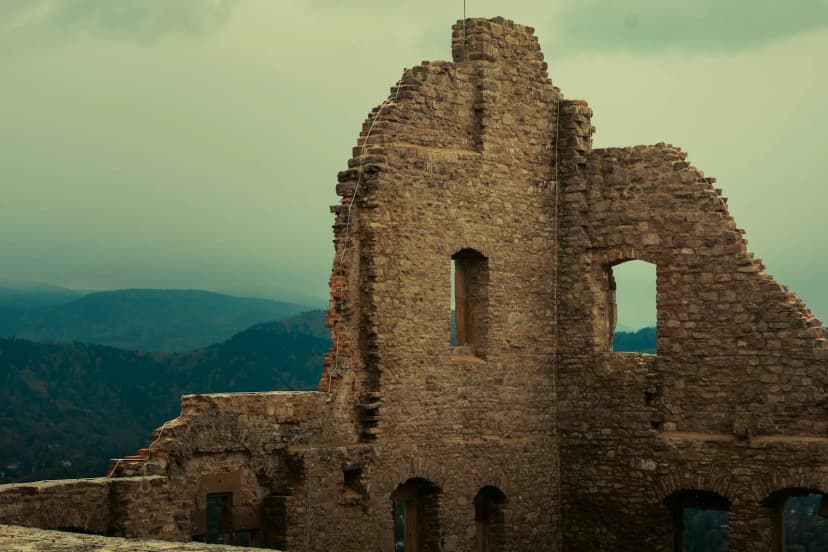
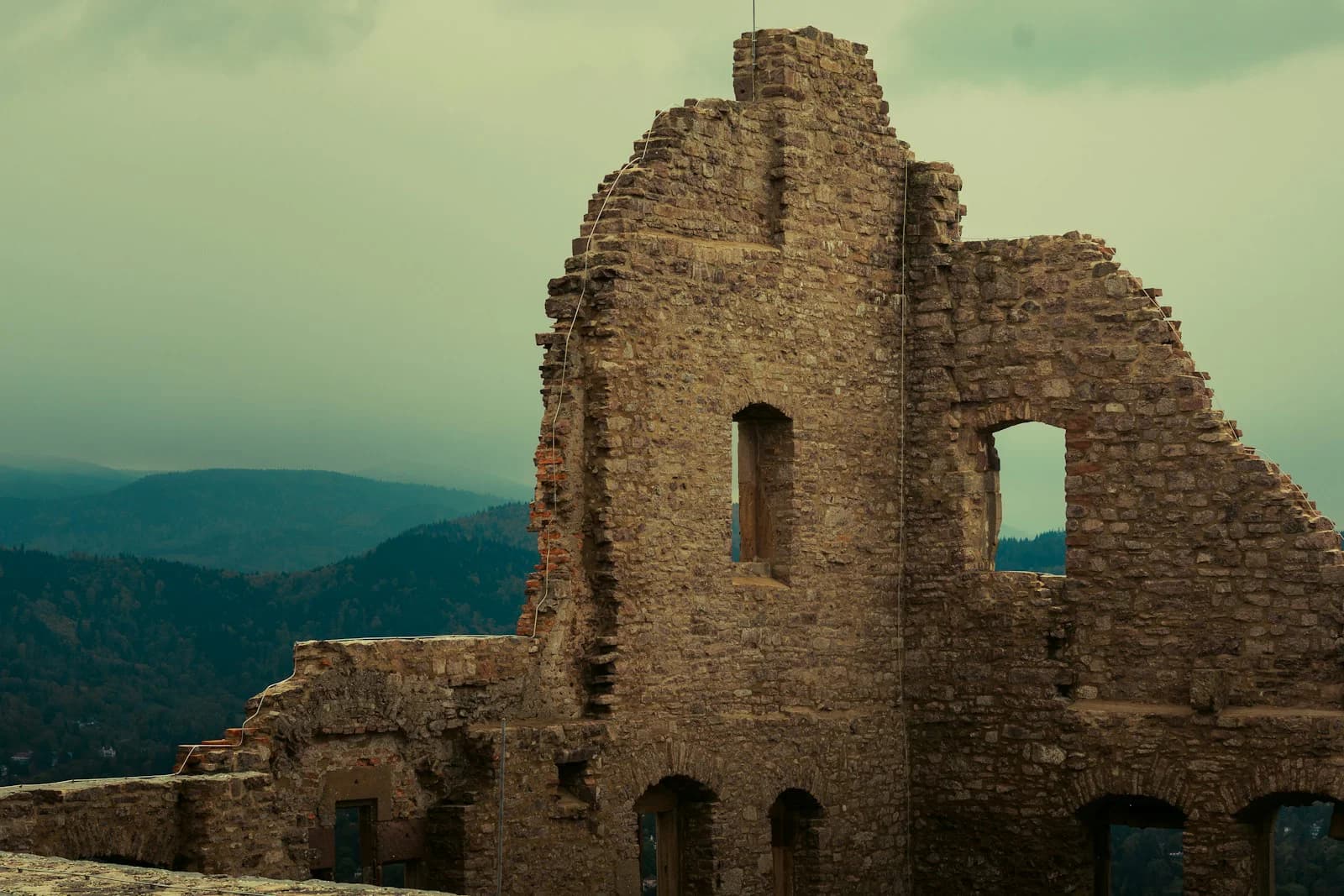
The castle is the anchor of any visit. Travel writing on the Strasbourg, Baden-Baden and Heidelberg combination describes Heidelberg Castle as the city's most famous landmark, with remains, gardens and the big wine barrel drawing visitors, and calls the funicular railway an enhancement that delivers panoramic views on the way up.
Be careful with the word visit here, because the castle is not a single ticketed box. The courtyards and terraces are one experience; the interiors, the German Pharmacy Museum and the Great Barrel Hall are separate features, and you should not assume one ticket covers all of them plus the funicular. Check the official castle operator's page for what is included in which ticket on the day you travel, because scope can change.
If your priority is the panorama rather than the interiors, treat the castle as a viewpoint and spend your time on the terraces. If you want the Great Barrel Hall and the apothecary collection, budget more time and confirm what is included before you buy. Decide between a short scenic stop and a fuller museum-style visit; they fill a day differently.
Getting Up the Hill: Funicular or on Foot
The funicular is the straightforward way up and delivers the approach view as it climbs. Treat it as a separate paid element from castle admission and confirm current operating hours and fares with the operator rather than relying on older guides.
The guided Strasbourg departure describes its package as including a round-trip funicular ticket together with entry to the Pharmacy Museum and the Great Barrel Hall, which is a useful contrast with assembling the same elements independently. That inclusion structure is specific to that product, not a rule for the castle, and the same page notes its own suitability limits rather than any general restriction on the site.
Walking down after the castle is a reasonable alternative that costs nothing and takes you through streets you would otherwise skip. The terrain slopes, so it is easier downward than upward, and it is not a good plan if anyone in your group has knee or balance problems. Treat the descent as a mild hike, not a promenade, and let the weather influence the choice.
Inside the Castle Complex: Pharmacy Museum and Great Barrel Hall
The German Pharmacy Museum and the Great Barrel Hall are the two interior features people most often name, and they are distinct attractions rather than two rooms of one exhibition. The same travel guide describes the pharmacy museum as offering a glimpse into the history of medicine and apothecary practice, and the tour listing describes the barrel hall as home to an enormous eighteenth-century wine cask. Expect two different moods and two different amounts of time.
Because ticket scope can change, do not plan on the assumption that admission to one covers the other, and the same warning applies to the funicular. If you buy a single castle ticket at the gate, ask what it includes before you walk away. This is exactly the kind of detail an old blog post gets wrong.
If you have only a limited window, pick one interior and do the terraces properly rather than rushing both. The barrel hall is the faster of the two; the pharmacy museum rewards a slower read. Your choice should depend on whether you prefer spectacle or detail, and neither one is wasted time.
Old Town Walk: Hauptstrasse, Marktplatz and the Church of the Holy Spirit
The Altstadt is compact and best covered on foot, with the Hauptstrasse as its pedestrian spine and the Marktplatz and Kornmarkt as its main squares. A travel blogger's account of a Heidelberg visit describes the Hauptstrasse as a pedestrian-only shopping street, names the Church of the Holy Spirit and the Kornmarkt among the city's landmarks, and notes the squares as part of the day's sightseeing.
A simple route, offered as a suggestion rather than a fixed path, is to enter the Altstadt, walk the Hauptstrasse toward the river, loop through the Marktplatz area, and finish at the bridge. This keeps the castle to one side of the day and the town to the other, with the river as a natural endpoint. Add or drop squares depending on how long the castle took.
For a broader sense of how this fits into a longer stay, see our suggested Baden-Baden one day itinerary if you are planning more than one day on the ground. The two cities complement each other precisely because their days look nothing alike.
The Old Bridge and the Philosopher's Walk
The Old Bridge is the classic vantage point looking back at the castle and the riverfront houses, and it is easy to reach from the end of the Hauptstrasse. The same weekend guide names the Old Bridge and the Philosopher's Walk among the sights that give some of the best views of the city. Treat any blog post as unreliable on access rules, closures or current restrictions; if access matters to your plan, check with the city on the day you travel.
The Philosopher's Walk on the far bank delivers the postcard view of the castle and old town, and it is the single best photograph most visitors take home. It is also not a flat promenade: expect uneven surfaces, some climbing and a fair bit of time. Anyone with limited mobility or a tight schedule should treat it as optional rather than essential.
A useful compromise is to walk only the first section of the path for the view, then turn back, rather than committing to the full loop. That gets you the panorama without sacrificing the rest of the afternoon. The same logic applies if the weather turns; a riverbank view is not worth missing your train for.
What to Skip With Only One Day
With one day, drop anything that requires a second hill or a long detour. That means the extended Philosopher's Walk loop, the more distant museums, and any attempt to also see Mannheim or Speyer on the same day. Heidelberg's draw is concentrated enough that the castle and the old town alone will fill the hours comfortably.
If you want to see more of the region rather than more of Heidelberg, the natural alternative is Strasbourg, and our Baden-Baden to Strasbourg day trip guidance covers a similarly sized day from the same base. Choosing between them is about the kind of day you want: imperial ruins and students, or canals and Alsatian food.
It is also worth being honest about the rhythm of the day. A castle, a long old-town walk and a bridge viewpoint is already a full programme; adding a museum interior on top usually means doing everything at a jog. If you are travelling with children or with anyone who tires easily, cut the second hill first, and keep the castle visit itself unhurried.
Seasonal Notes and Protecting Your Return Connection
Summer brings the crowds, with the Hauptstrasse and the castle terraces busiest in the middle of the day. The same weekend guide notes that spring brings blossoming gardens, summer suits outdoor cafes and river walks, and autumn turns the vineyards and surrounding hills red and gold. Winter is quieter again, though outdoor areas are less inviting in poor weather.
Whatever the season, protect your return connection by checking live departure information before you leave the castle, not after you reach the station. Regional trains run frequently, but a missed connection in a strange city at night is a bad way to end a good day. Build in a buffer rather than cutting it fine.
If your schedule allows, spending the evening back in Baden-Baden is its own reward, and our notes on Baden-Baden hidden gems cover quieter corners for a slow final hour. There is something pleasantly symmetrical about ending a busy day in a town whose whole identity is about slowing down.
How Heidelberg Fits With Other Baden-Baden Outings
Heidelberg is one of several strong day trips from a Baden-Baden base, alongside Strasbourg, the Black Forest and the vineyards of the surrounding region. The weekend guide states that high-speed and regional trains connect Strasbourg, Baden-Baden and Heidelberg conveniently, so the route can be done without a car, while noting that renting a car gives more flexibility for the countryside, wineries and smaller towns in between.
The main thing to avoid is treating Heidelberg and Strasbourg as a single day. They are on opposite sides of the border and each deserves its own visit. If you have three days in Baden-Baden, one per destination is a far better use of time than trying to combine them, and it leaves room to actually enjoy the spa town you are staying in.
For the practical detail of moving between these places by train, the Baden-Baden transport guide covers station and connection basics before you commit to a multi-day plan. A little time spent on logistics at the start saves a lot of stress later, especially if you are booking fixed departures.
Plan Your Visit
A Heidelberg day trip from Baden-Baden is one of the more straightforward outings in southwestern Germany: two towns, one rail corridor, and a castle that does most of the work for you. The planning that matters is small but specific: check fares and timetables live, confirm what each castle ticket actually includes, and know your latest comfortable return departure before you leave.
Treat the timings in this guide as our suggestions rather than official figures, and verify anything that changes with the season directly with the operator or the city. Done that way, the day gives you the contrast it promises: university-city energy, then the ordered calm of the spa town. For related planning, see Baden-Baden: Itineraries and City Travel Guides.
Frequently Asked Questions
Is one day enough to see Heidelberg on a trip from Baden-Baden?
For the castle and the old town, a single day is enough to see the main sights without rushing unduly. You will need to choose between the castle interiors and a long old-town wander if you also want time at the bridge and riverbank. Adding more than one museum interior on the same day is where the schedule starts to feel tight.
How do you get from Baden-Baden to Heidelberg without a car?
The weekend guide to Strasbourg, Baden-Baden and Heidelberg states that high-speed and regional trains connect all three locations smoothly, allowing the route to be completed without a car. Heidelberg's own city data lists InterRegio, EC/IC and ICE connections serving the city. Check live timetables and fares on the operator's booking site before you travel, and note that saver fares are released in limited quantities.
Should you take the funicular or walk up to Heidelberg Castle?
The funicular is faster and gives you the approach view, and the guided tour listing treats a round-trip funicular ticket as a separate included element from castle courtyards, so confirm current fares and hours with the operator. Walking down after the castle is possible, but the slope is real and the surface uneven in places, so it suits confident walkers. A common compromise is to ride up and walk down through the streets.
Do the Pharmacy Museum and the Great Barrel Hall require separate tickets?
Do not assume one castle ticket covers everything. The courtyards, the pharmacy collection, the barrel hall and the funicular can each sit under different ticket rules, and ticket scope can change. The guided Strasbourg departure bundles funicular, pharmacy museum and barrel hall entry into one product, which shows the elements are treated separately. Ask at the point of sale what your ticket includes, and check the operator's own page before you travel.
What should you prioritize in Heidelberg with only one day?
Start with the castle and its terraces for the view, then spend the rest of the day in the old town between the Marktplatz, the Church of the Holy Spirit and the Hauptstrasse. Finish at the Old Bridge. The Philosopher's Walk is the first thing to drop if you are short of time or energy.
Sources
- City Travel Guide for Baden-Baden Germany - English Speaking Guided Tours
- A weekend guide to Strasbourg, Baden-Baden and Heidelberg
- Germany – Heidelberg and Baden-Baden | Cretan Chronicles
- Data and facts | Heidelberg
- From Strasbourg: Heidelberg & Baden-Baden Day Trip
- Cheap Train Tickets | Timetables for Germany & Europe - Deutsche Bahn
- From Frankfurt: Heidelberg & Baden-Baden Full-Day Tour