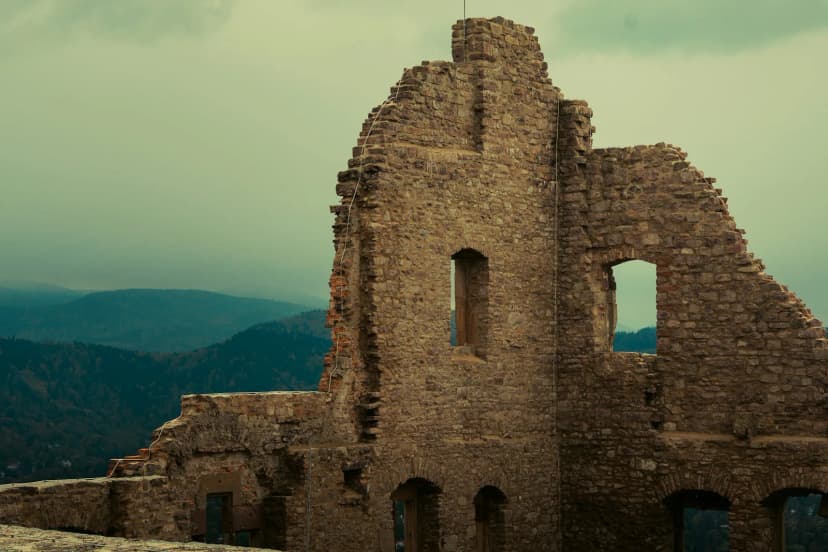
Baden-Baden is not a gateway town that forces you to travel before you reach forest; the city sits on the slopes of the northern Black Forest, and tree-covered hills rise directly around the centre. That geography changes how you plan a single day, because you can spend the morning on a forest path and still be back among the spa architecture by evening. The official city tourism site describes Baden-Baden as set on the slopes of the northern Black Forest, with varied landscapes and scenic hiking trails.
The main decision is proximity versus depth: trails within a short drive give you more time under trees, while famous southern sights such as Titisee or Triberg consume much of the day in transfers. For a single day, most visitors get a better return by choosing one forest block close to town and walking it properly rather than collecting distant highlights. If you want the wider regional picture, the Baden-Baden landmark visitor guides cover the town-side sights that fill the hours around your hike.
Why Baden-Baden Works as a Black Forest Base
The Black Forest is a low mountain range rather than a single park, and it is large enough that choosing a base matters as much as choosing a trail. Baden-Baden occupies the northern edge, which puts trailheads, forest roads, and hill paths close to your hotel. That is a real advantage for a day trip, because you avoid the long approach that eats into visits to the southern Black Forest around Freiburg and Titisee.
The region also contains a national park in two adjoining areas between Baden-Baden and Freudenstadt, so some of the most protected forest in Germany is within reach of the city. Guided tours and excursions with national park guides run there, and independent visitors are asked to stay on marked trails in the emerging primeval forest. Treat that as the frame for your day: pick one area, respect the paths, and do not try to sample several distant corners in one outing.
A useful mental split is forest time versus town time. Baden-Baden's own parks, promenades, and spa culture can fill an afternoon on their own, so the strongest day trips combine a half-day of walking with a relaxed return rather than a rushed circuit of the whole region. Thinking in those two blocks keeps a one-day visit realistic.
Start with the Forest on the Doorstep
Lichtentaler Allee is the obvious warm-up rather than the main event. The tree-lined promenade runs along the river east of the centre toward the abbey on the outskirts, with a separate path for bikes and shade for much of its length. It is just over a mile long, so walking out and back makes a comfortable two-mile stroll that links the tourist office and casino area with quieter gardens and parks.
Beyond the promenade, the city opens into footpaths that climb from residential streets into the surrounding woodland, which means you can begin a forest walk without arranging transport at all. The trade-off is that these town-side paths are less dramatic than a waterfall or a ridge route, so use them for an easy hour or as an add-on rather than as your headline hike. They are also the most convenient option when the weather is unsettled and you want to stay close to shelter and cafes.
One practical point about the centre: it is pedestrianised and can be very crowded in peak periods, which is another reason to push your walking time toward the quieter parks and paths. Returning through town later in the day lets you combine the forest with a meal or a spa visit without doubling back.
Half-Day Forest Hikes Near Town
The Geroldsau Waterfall route is the short, family-friendly option. A visitor who walked it in late May 2025 recorded about 2.2 miles with roughly 269 feet of ascent, following the river through mossy woods and small cascades, with families stopping to let children play in the water. Path conditions were rooty and slightly muddy after rain, and a restaurant sits at the turnaround point about a mile in. Those figures are the walker's own recordings rather than official measurements, so treat them as a rough guide.
The Fischteich walk is a longer half-day outing through forest between the villages and Baden-Baden. The same visitor logged about 4.5 miles with around 574 feet of ascent, described as a gentle uphill through beautiful woods, and hit a closed section at the top where trees were being cut, with workers directing walkers around the closure. That is the clearest argument for having a backup route, because logging and weather damage can close a path with little notice.
The Oostal Circular is the most demanding of the three nearby options. Reported as roughly five miles with about 825 feet of ascent, it climbs gradually along one side of a valley and returns downhill on the other, passing farmland, forest, and a picnic area. The same walker found it muggy enough that other hikers turned back, which is a useful reminder that humidity, not distance, often decides how hard a Black Forest half-day feels.
Full-Day and Organised Options
If you would rather not plan a route, guided products exist in several shapes: private hiking days, e-bike tours, sightseeing drives, culinary walks, and self-guided audio formats. A Black Forest tours operator lists day hikes with a guide meeting you at your hotel, e-bike days covering roughly 20 to 40 kilometres, and a 1.5-kilometre self-guided audio tour of Baden-Baden itself. Those descriptions and durations are the operator's own, not independently verified, so confirm the current details directly before booking.
The same operator notes that guided tours in English are not offered in Baden-Baden on a daily basis, which is precisely why a self-guided audio walk was created for the town. That is a useful signal: if your day depends on an English-language guided hike, build flexibility into your dates rather than assuming a departure will exist. Ask the operator what is currently running and how far in advance you need to decide.
Organised sightseeing days that reach the southern Black Forest typically bundle Lake Titisee, a waterfall stop, a mountain coaster, and a cable car, sometimes finishing in Freiburg. These itineraries cover ground quickly, but they also mean long sitting stretches, so weigh them against a simpler day of walking close to Baden-Baden. If your priority is forest immersion rather than tick-list coverage, the guided option is usually the weaker trade.
Scenic Stops Deeper in the Region
For a change of texture, the Black Forest Open Air Museum Vogtsbauernhof in Gutach gathers historic farm buildings, gardens, mills, and a chapel into one site, which suits a half-day on its own. Note that the region's larger attractions rarely share a single ticket, so budget each separately and check current admission on the official site rather than assuming a combined pass. The same applies to the tree-top walk at Bad Wildbad, where a mostly barrier-free elevated path leads to a 40-metre observation tower over the forest.
Water and altitude define the southern stops. Titisee has a level shore circuit of just under six kilometres with mountain views, and Schluchsee, the largest lake in the Black Forest, has an 18-kilometre circular trail plus boat trips that run from May to October. Triberg's waterfalls drop 163 metres over seven steps and charge an entrance fee, with illumination in the evening and partial access in winter. Each of these is a full day from Baden-Baden once travel is included, so pick one rather than stacking them.
Within the city itself, culture fills a wet afternoon: the Staatliche Kunsthalle Baden-Baden occupies a 1909 neoclassical building on Lichtentaler Allee with nine sky-lit halls, and it opens Tuesday to Sunday, closing on 24 and 31 December. If a museum day is your fallback, confirm the current exhibition and hours with the venue before travelling, since schedules change between seasons.
Getting Around: Car Versus Bus and Train
A car gives you the most control over a one-day visit, because rural trailheads sit away from the rail network and some car parks fill on sunny weekends. Even so, parking near the popular waterfall trail was still available on a busy Sunday at midday, while a quieter valley car park stood empty, so crowding is specific to a handful of well-known starts. The honest trade-off is that driving into Baden-Baden's centre is avoidable and often unnecessary if a park-and-walk option or public transport serves your chosen trail. For wider planning, see Baden-Baden Transport Guide.
Without a car, trains are generally frequent but buses run on limited schedules, especially on Sundays and public holidays when much of Germany slows down. That means a Sunday forest day needs a timetable check before you commit, and smaller villages are the riskiest connections. A traveller who based himself in the region and used only buses and trains advised looking up schedules in advance and treating tourism offices as the practical source for local services.
The city's own transport layout matters here. If you arrive by rail, understanding where the station sits relative to the centre and the trailheads will shape whether a car-free day is realistic, and the task is easier once you know which services actually run from where you are staying.
Seasonal and Weather Trade-Offs
Late spring and early summer can deliver heat that makes forest shade the main attraction, as one week in the area showed with temperatures near 80 to 89 degrees Fahrenheit in late May and early June. Under those conditions the shaded river trails feel far better than exposed ridge walking, and an early start matters more than distance. Rain is equally decisive: a wet morning can close a path or make roots slippery, and the same traveller lost two days to heavy rain.
The forest is also a working landscape, so closures for logging and storm damage are normal rather than exceptional. Official guidance for the national park area asks visitors to stay on the trails, and one local walk was diverted around tree felling on the day it was attempted. Check the local tourism office or trail app on the morning of your walk, and hold a shorter valley route in reserve.
Winter changes the equation again. Lower paths remain walkable in many conditions, but ice and short daylight compress what you can safely fit into a day, and illuminated attractions such as Triberg's falls are only partly accessible. If your visit falls in the colder months, plan a compact route and confirm opening and access arrangements locally.
Sample Day Plans by Duration and Fitness
For an easy day, walk Lichtentaler Allee out and back in the morning, then take the Geroldsau Waterfall path as a short afternoon outing with a restaurant stop at the turnaround. This combination keeps you within a short transfer of town and works for families or anyone recovering from a long journey. It is also the plan most resilient to a poor forecast.
For a moderate day, choose either the Fischteich or Oostal route and give it most of your daylight hours, with lunch carried rather than bought. Reported times of roughly two to two and a half hours represent moving time for a fit walker, so add generously for stops, navigation, and the chance of a diversion. If you want the city afterwards, keep the evening free rather than booking a fixed spa slot.
For a deeper day without a car, consider a guided hike or e-bike tour so that transport and route-finding are handled for you. If you prefer a full city day instead, the one day itinerary covers the classic Baden-Baden circuit, and the city's quieter corners are worth folding in when the centre gets busy.
Common Mistakes to Avoid
The most frequent error is over-scheduling: treating Titisee, Triberg, and a forest hike as one day, then spending most of it in transit. Distances on the map are deceptive because roads wind through valleys, so a single well-walked route usually beats three rushed stops. Decide before you leave whether the day is about time in the trees or about seeing famous places.
The second is footwear and terrain. Reported paths include rooty, muddy stretches and steady climbs of several hundred feet, which is a different proposition from a paved promenade. Bring shoes with grip, carry water on warm days, and accept that a route can be partly closed without warning.
The third is assuming that buses and shops behave like they do on a weekday. Sunday and public holiday services thin out, and a public holiday can close town-centre shops entirely, as happened on Ascension Day during one visitor's stay. Check the calendar and the timetable together before you build a car-free plan around either.
Finally, do not treat any single published duration or price as settled. Operator listings, museum admission, and lake boat seasons all change, so verify the specific detail with the operator, museum, or transport provider before you rely on it.
Plan Your Visit
A strong Black Forest day from Baden-Baden comes down to one clear choice: stay close and walk properly, or travel far and accept that most of the day is the journey. For most visitors, a town-side warm-up on Lichtentaler Allee plus one half-day forest route delivers the best ratio of forest time to effort. If you want a guide, book early and confirm in English; if you want independence, check the timetable and the trail status the day before.
Whichever route you choose, verify the volatile details yourself: current admission at paid attractions such as the Triberg waterfalls, seasonal boat operations on Schluchsee, and bus frequencies on Sundays. The tourism office, the operator, and the transport provider are the right sources for those specifics. Everything else, from footwear to start time, you can decide confidently from the guidance above. For wider planning, see Baden-Baden city travel guides.
Frequently Asked Questions
Do you need a car for a Black Forest day trip from Baden-Baden?
No, but it depends on your target. Trails and promenades close to town are reachable on foot or with a short local trip, while rural trailheads are easier by car. Trains are generally frequent, but buses run on limited schedules, particularly on Sundays and public holidays, so checking timetables in advance is essential for a car-free day.
Which hike near Baden-Baden is best for families?
The Geroldsau Waterfall route is the gentlest of the nearby options, with a riverside path, small cascades, and a restaurant at the turnaround point about a mile in. A visitor recorded it as roughly 2.2 miles with light ascent, and noted that families stopped to let children play in the water. Paths can be rooty and muddy after rain.
How much time should you allow for a Black Forest day trip?
A half-day is enough for a short waterfall or valley walk plus travel, while the longer forest circuits such as the Oostal Circular take most of a day once you factor in stops and navigation. Reported moving times of two to two and a half hours are for fit walkers in good conditions, so build in extra margin for weather, diversions, and lunch.