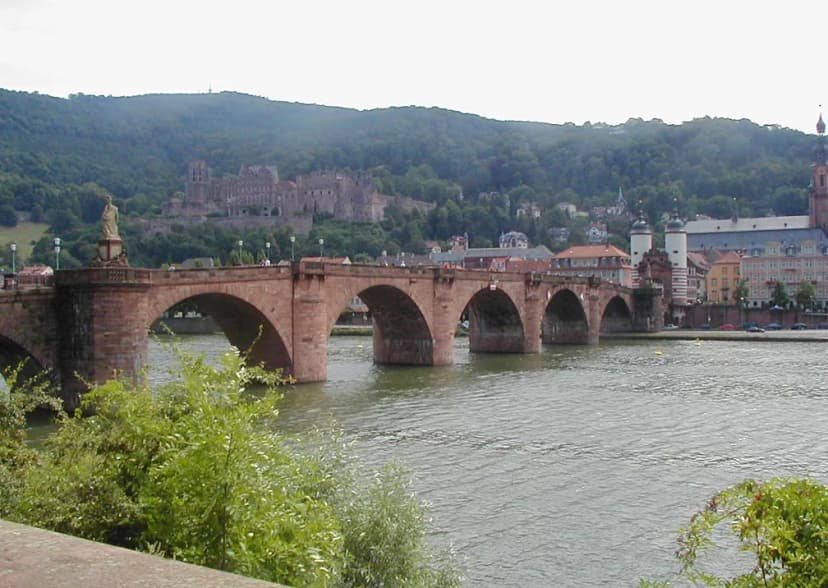
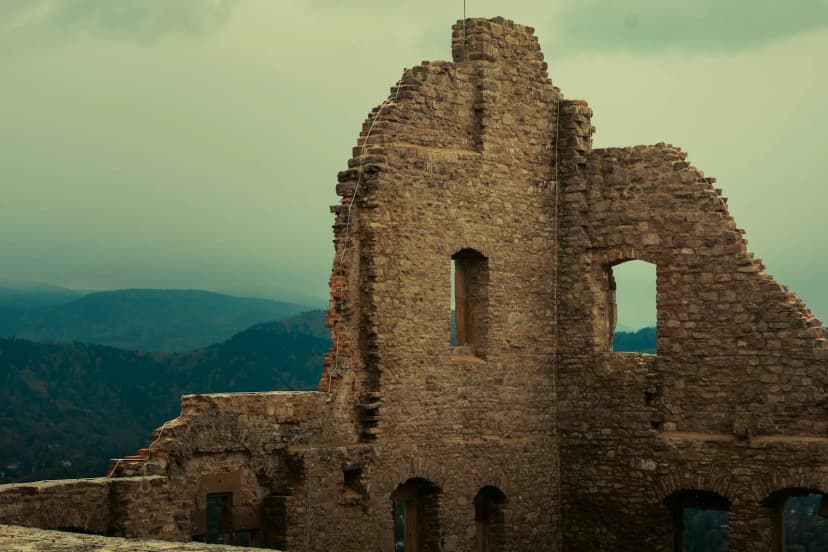
Heidelberg Castle has been a ruin for centuries, yet it is precisely that broken silhouette above the Neckar that has drawn travellers since the early nineteenth century. According to the operator, Staatliche Schlösser und Gärten Baden-Württemberg, the castle attracts around a million visitors from all over the world each year and has been synonymous with Romanticism since the early 19th century.
Practical planning here means separating two experiences that are often confused. The courtyards and terraces can be enjoyed without entering the ticketed interiors, while the furnished rooms, the Great Barrel, the figures on Friedrich's Wing and the German Apothecary Museum form distinct stops that require different decisions.
This guide explains how the approach shapes your day, what you can see for free, how to sequence the paid route to minimise backtracking on a steep site, and where to verify current prices and tour times before you travel. The visitor information pages maintained by the castle and by Heidelberg Marketing are the places to check those volatile details.
Why Heidelberg Castle Matters
The structure you climb to today was one of the most magnificent residences in Europe during the sixteenth and seventeenth centuries, before wars and fires left it in ruins. Over the following centuries the ruin itself acquired meaning, becoming the recognised symbol of German Romanticism and a subject for painters and poets. Knowing this changes how you look at the walls: the missing roofs and weathered façades are not an accident of neglect but the reason the site is celebrated.
Practically, the castle is a hillside attraction rather than a single building. Parts of the complex are in the open air, other parts sit under roof, and one museum occupies historic rooms of its own. Treating the visit as a walk through a palace interior will leave you unprepared for the mix of ruined courtyards, restored halls and panoramic terraces.
Getting There and the Ascent
Most visitors start from the Old Town, where the castle rises directly above the rooftops. Heidelberg Marketing lists the Heidelberg Mountain Railway among the city's sights, describing it with traditional views, and the funicular is the usual mechanical way up the slope. Walking routes also exist from the town, gaining height steadily through the hillside.
The choice matters more than it might seem. Arriving by railway delivers you close to the castle with energy intact for the courtyards and interiors, whereas walking up leaves you with a sense of the terrain but consumes time and stamina. If you plan to add the Philosopher's Walk or continue to the Königstuhl ridge afterwards, the uphill walk plus a full interior circuit can be a demanding combination in warm weather.
If you want to understand what the mountain railway costs and how it relates to castle admission before you commit, that deserves its own research, because fares and ticketing arrangements change and are not fixed in this guide. Check the castle's own visitor information and the transport operator's current pages shortly before your trip.
Free Grounds Versus Paid Interiors
One of the most useful distinctions to make is between the outdoor areas you can wander and the spaces that require admission. The courtyards, terraces and the surviving garden areas let you absorb the scale of the complex and take in the view over the Old Town and the Neckar valley without buying a ticket for the interiors. The ruins themselves are the attraction in this mode, and many visitors find a slow circuit of the open areas sufficient.
The ticketed route is a different experience again. It takes you into the furnished and restored rooms of the palace, including the celebrated Ottheinrich's Wing, which the operator presents as a palace of superlatives. If you have come specifically for architecture, decorative interiors and the historical narrative, this is the part you should not skip.
Current admission categories, concessions, family arrangements and any combination offers should be confirmed on the operator's visitor information pages, because this guide deliberately does not quote figures that may have changed. Read the ticket terms carefully rather than assuming that one purchase covers every space in the complex.
Inside the Paid Route: Highlights to Sequence
The Ottheinrich's Wing is the showpiece of the restored palace, an early Renaissance residential building whose façade and interior decoration the operator treats as a headline attraction. After that, the Barrel Building holds an enormous wine cask traditionally said to hold around 220,000 litres, and it is a favourite stop for the sheer oddity of the object as much as for its engineering.
The figures on Friedrich's Wing form a stone ancestral gallery, a row of sculpted portraits that rewards a slower look than most visitors give it. The Kaisersaal, or Emperor's Hall, is a large interior space tied to the electoral court, and it reads differently depending on whether an exhibition or event is using it. Because these stops sit at different points of the complex, it pays to plan a rough order before you start walking.
A sensible sequence is to cross the courtyard first, take in the terrace views while you are fresh, and then move through the interiors before returning outdoors. The operator also offers a digital guide and themed app tours, including one built around power and resistance, so if you prefer interpretation on your own schedule, that option exists alongside the staffed tours.
The German Apothecary Museum
The German Apothecary Museum occupies exhibition space within the Ottheinrich's Wing, and the operator lists it as its own attraction rather than as an incidental room. Its subject is the history of pharmacy, with period interiors and equipment, and it appeals strongly to visitors interested in everyday life and science rather than court ceremonial.
Because it is a separately presented museum inside the palace complex, do not assume that a standard castle ticket automatically includes it or that it is always open whenever the castle is. Admission scope and museum access are exactly the kind of detail to confirm on the official pages before you rely on it. If a pharmacy collection is a priority, build the rest of the visit around that stop rather than treating it as an add-on at the end.
The Garden and the Hortus Palatinus
The castle's terraces once carried the Hortus Palatinus, a Renaissance garden laid out on a monumental scale and celebrated in its own time. What survives is a landscape of earthworks, walls and viewpoints rather than a fully restored planting scheme, so the experience is partly archaeological. If you enjoy reading a site through its remaining structure, the garden area is rewarding; if you expect colourful beds and fountains, adjust your expectations.
The garden also has the advantage of being part of the outdoor circuit, which means it can be combined with a grounds-only visit. It is a reasonable place to slow down after the climb and to look back at the castle from a different angle. Allow some time for it rather than treating it as a five-minute viewpoint.
How Long to Allow
As a planning rule rather than an official statement, a grounds-only visit of roughly one to one and a half hours suits travellers who want the courtyards, terrace views and a look at the garden. Adding the ticketed interiors, including the Ottheinrich's Wing and the barrel, typically calls for two to three hours at an unhurried pace. Those are suggestions for structuring your day, not figures published by the operator.
Add the German Apothecary Museum and you should budget extra time, because reading the exhibition properly is not a quick pass-through. Photographers, families with children and anyone using an audio guide will naturally take longer. If your day also includes the Old Bridge and the Philosopher's Walk, the castle alone will occupy a substantial part of it.
Guided Tour or Self-Guided?
The city promotes a wide programme of guided tours, and the official Heidelberg pages note that some city, castle and themed tours are offered in up to seventeen languages. The same source describes an evening tour that runs on Fridays from April to October, beginning at around six in the evening, presented as a way to experience the Old Town as the light fades. Treat that as the organiser's published pattern rather than a guaranteed schedule for any given date. For wider planning, see Is a Heidelberg Castle Guided Tour Worth It? A Decision Guide.
Self-guided visitors are not left without interpretation, because the operator provides an app with themed routes, including one built around power and resistance. A guide wins when you want questions answered, context ordered for you, or language support in a group setting. The app wins when you want to move at your own speed and linger where your interest takes you.
If you are weighing the cost and format of a staffed tour against doing it yourself, the decision depends on how much interpretation you actually want. Tour times, languages and availability should be checked directly with the organiser before booking, since published programmes change with the season.
Combining the Castle with the Old Town
Heidelberg Marketing frames the city around a cluster of sights that work well on foot: the castle, the Old Bridge built of Neckar Valley sandstone, the Philosopher's Walk with its panoramic views, the Old University and the Marktplatz, one of the oldest squares in the city. Planning the castle as the first or last stop of a walking day avoids the awkward climb in the middle of a long afternoon.
The Philosopher's Walk sits on the opposite bank and gives you the classic view back towards the castle and the river, which is worth saving for the end of the day when the light is softer. The Old Bridge connects the two banks and makes the crossing straightforward on foot. If you have a full day, this combination is more satisfying than adding a second palace.
Practical Notes for Planning
Prices, opening hours and last admission are the details most likely to change between the time you read this and the time you travel, and the operator publishes them on its visitor information pages. Check them shortly before your visit rather than relying on third-party summaries, including this one. If the ticketing structure for the interiors and the Apothecary Museum is unclear, ask directly before you buy.
The operator's own description notes that the castle receives around a million visitors a year, which is a useful cue to start early on peak days and to avoid arriving at the busiest mid-morning window if you want space in the courtyards. Seasonal events, illuminations and market periods also affect crowds and access, so check the city's events calendar for your dates instead of assuming a quiet visit.
Plan Your Visit
Heidelberg Castle rewards a deliberate plan more than most ruins, because the free outdoor circuit and the ticketed interiors are genuinely different experiences. Decide first whether you want the courtyards and views or the full palace route, then choose your ascent method to match the energy you will have left on the terrace.
Confirm admission scope, museum access and tour schedules on the official sources before you go, since those details move with the season. With those checked, the castle, the Old Bridge and the Philosopher's Walk fit comfortably into a single unhurried day.
Frequently Asked Questions
Is Heidelberg Castle free to visit?
Part of it is. The outdoor areas, including courtyards, terraces and the surviving garden landscape, can be explored without entering the ticketed interiors, so a grounds-only visit is possible. The furnished and restored spaces, including the Ottheinrich's Wing and the barrel building, are part of the paid route. Exactly what each ticket covers changes over time, so confirm the current admission structure on the operator's visitor information pages rather than assuming a single admission covers everything.
How do you get up to Heidelberg Castle?
The usual mechanical route is the Heidelberg Mountain Railway, which Heidelberg Marketing lists among the city's sightseeing options. Walking routes also climb from the Old Town to the castle, and the choice affects how much time and energy you have left for the interiors. Because fares and operating arrangements are not fixed, check the transport operator and the castle's own visitor information pages for current details before you travel rather than relying on old summaries.
What can you see without a ticket?
You can walk the courtyards, take in the terrace views over the Old Town and the Neckar valley, and see what remains of the Hortus Palatinus garden area as part of the outdoor circuit. For many visitors this is enough, especially on a short stay or a first visit. The interiors, the Great Barrel and the German Apothecary Museum sit inside the ticketed experience, so plan around that distinction.
How long should you spend at Heidelberg Castle?
A grounds-only circuit fits comfortably into roughly one to one and a half hours at a relaxed pace, which is a planning suggestion rather than an official figure. Adding the interior route, including the Ottheinrich's Wing and the barrel, typically brings the visit to around two to three hours. Allow more if you want to read the Apothecary Museum properly, use an audio guide or photograph the terraces in detail.
Should you take a guided tour or go self-guided?
The official city pages describe a broad programme of guided tours, with some city, castle and themed options offered in many languages, plus an evening tour pattern on Fridays from April to October that the source places at around six in the evening. Guides suit visitors who want context and questions answered. The operator's own app offers themed self-guided routes, which suit anyone who prefers to set their own pace. Confirm current schedules and languages with the organiser before booking.
What else is near the castle to combine with a visit?
Heidelberg Marketing groups the castle with the Old Bridge, the Philosopher's Walk, the Old University and the Marktplatz, all of which work well on foot. The Philosopher's Walk gives the classic view back towards the castle and the river, and the Old Bridge makes crossing between the banks easy. Building the castle into a wider Old Town walk is usually more rewarding than treating it as a standalone stop.