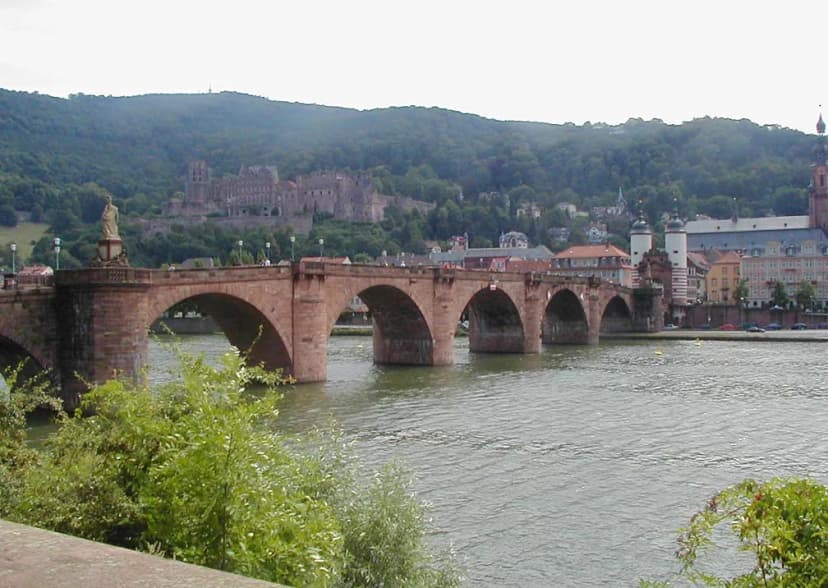
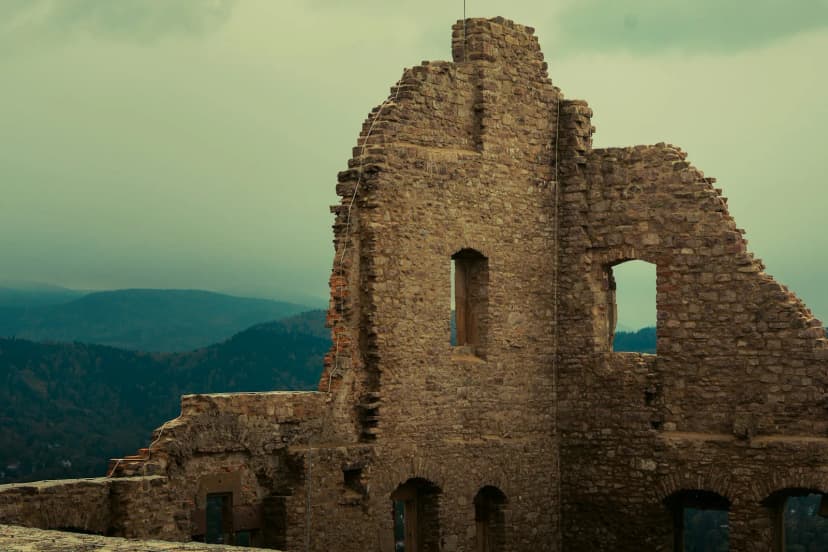
Heidelberg's funicular, run by Heidelberger Straßen- und Bergbahn GmbH, is not a single up-and-back ride but a four-stop line linking the Old Town with the summit above the city. Starting at Kornmarkt, it climbs past Heidelberg Castle, continues to Molkenkur and finishes at Königstuhl. The Visit Baden-Württemberg entry records that the railway was inaugurated in 1890 and still follows the Kornmarkt-to-Königstuhl route it began with. As an editorial suggestion, allow around half a day for a castle stop plus the summit.
Two design generations share this line. The operator's station overview describes a lower modern funicular and a separate upper historic funicular, which is why the second half of the journey feels different from the first. Treating the route as four decisions rather than one round trip lets you choose where to get off. The rest of this guide walks that line stop by stop and flags what to confirm before travelling.
The Route at a Glance: Four Stations, One Climb
The funicular serves Kornmarkt in the Old Town, Castle, Molkenkur and Königstuhl, according to the operator's own station overview. That sequence matters because the two lower and two upper stops serve quite different purposes: the first two are urban and monumental, the last two are hillside and outdoor. Knowing the order lets you plan a one-way ride with a walk, rather than an automatic return. Each stop has its own character, and skipping one is a real choice rather than a necessity.
Occupying the middle of the line, Molkenkur is the stop many riders pass through without stepping out. The operator lists it alongside Kornmarkt, Castle and Königstuhl as one of the four stations and points to walking routes from the hillside. The trade-off is simple: staying aboard saves time, while getting off adds a slower, more wooded segment to your day. Decide this before boarding, because the carriage does not wait.
Two Characters on One Line: Modern Lower, Historic Upper
The clearest thing to understand about this railway is that it is effectively two systems stacked on one alignment. The operator separates a lower modern funicular from an upper historic funicular, and the two are presented as distinct experiences. The lower section links Kornmarkt and the Castle area, while the upper section takes over on the climb toward Molkenkur and Königstuhl. Expect a different feel, not a different ticket counter solely for that reason.
The operator's technology and history pages trace the line's development across 1890, 1907, 1961, 1997 and the 2002-2005 rebuild, which explains how a nineteenth-century route acquired a twentieth-century lower half. That rebuild history is useful context, but it does not tell you which carriage runs on which day. Confirm the current operating pattern on the timetable page rather than relying on older descriptions. Seasonal timetables are published separately for summer and winter, and those are the ones that matter for your date.
Starting at Kornmarkt: Old Town Base and the Walk Up
Kornmarkt sits in the Old Town, which makes it the natural starting point for a day that begins on foot. The operator describes the lower station as the place from which visitors can wander through Heidelberg's old town before heading uphill. That is the main argument for beginning here rather than driving to a higher stop. Arriving early also gives you a buffer if the carriage is full, since boarding is first come, first served at the platform.
One classic alternative is to walk up to the castle instead of riding the first leg, an option the operator acknowledges by describing a stroll from Kornmarkt to the castle. The trade-off is time and effort against the view you get from the path versus the view from the carriage window. Either way, the Castle stop is where most riders get out first. If you plan to continue above the castle, stay flexible about how long you spend at the top before reboarding.
The Castle Stop: Grounds, Interiors and Ticket Scope
The funicular's Castle station sits inside the castle area, so this is the stop to use if the ruins are your main objective. The castle's visitor information publishes opening hours, entrance fees, directions and contact details, which is the page to check before you travel rather than relying on second-hand summaries. Crucially, the castle exterior and its ticketed interior collections are not the same thing. Do not assume a single ticket covers everything you might want to see on the site.
Inside the complex, the German Apothecary Museum and the barrel building are separate attractions within the castle experience. The castle's own pages group these under its visitor experience, alongside the garden and the furnished rooms. This is why the Castle stop deserves more than a photo from the terrace. If your priority is the interiors rather than the views, budget your time accordingly and check what each element requires.
The terrace above the town is the reason many people come, and it is the part most riders see first after stepping off. To plan that stop properly, work out whether the terrace, the barrel building or the museum matters most to you. Treating the castle as one homogeneous attraction is the most common planning mistake here. A separate guide to the Heidelberg Castle terrace and Great Barrel covers those features in more detail.
Molkenkur: The Middle Stop Most Riders Skip
Molkenkur is where the line's character changes and where the upper historic carriage takes over. It is also the point at which a castle-focused trip can become a walking day, since the operator highlights paths from the hillside stations. There is no compelling reason to get off here if your goal is simply to reach the summit and return. But if you want the incline's quieter half to feel like a destination rather than a transfer, this is the stop to take seriously.
A practical approach is to ride through on the way up and decide about Molkenkur on the way down, when you know how much time and energy you have left. That keeps the uphill leg simple and preserves flexibility. Note that a walk from this elevation back to town is a real descent, not a short stroll, so commit only if you are comfortable on foot. Check the operator's own pages for what is open at each station on your date.
Königstuhl at the Top: What the Summit Adds
At Königstuhl the funicular reaches the top of its line, and the operator points to broad views across the Neckar valley as well as walking routes on the mountain. The operator also names two family-oriented draws near the summit: a Fairytale Paradise and a falconry. What it does not publish is a list of named viewpoints or dining options, so plan around the walk and the view rather than around a specific restaurant. If food matters, check locally or ask at the station before you ride.
The written descriptions of this ride consistently emphasise the unfolding panorama as the carriage gains height: the red-tiled roofs of the Old Town, the winding river and the wooded hills. That is a reason to sit on the uphill side and to keep your camera ready during the climb. It is also the strongest argument for continuing past the castle rather than turning back. If you came mainly for the castle interiors, the summit is an optional extra you can skip without regret.
One Way, Return or Walk Down: Deciding Your Fare and Direction
There are three realistic shapes for this trip: a return journey, a one-way ride with a walk back down, or a partial ride that stops at the castle only. A one-way option suits confident walkers and gives you the hillside on foot, but it assumes you can manage the descent. A plain return gives you the most control over timing and no route-finding. The operator publishes its fares and concession rules on its own tickets pages, so check those rather than assuming a figure.
Whether a castle entry and a funicular ride can be bought together is not something the available material confirms, so treat any combined offer as something to verify rather than expect. Ask at the Kornmarkt ticket office or check the operator's and castle's own booking surfaces before you go. The same caution applies to concession eligibility, which the operator documents separately. Building your plan around a confirmed fare beats discovering at the platform that your assumption was wrong.
Half-Day and Full-Day Ways to Use the Line
For a half day, ride from Kornmarkt to the Castle, spend your time between the grounds and whichever interiors you have chosen, then ride back down. As an editorial suggestion, that is roughly three to four hours including the Old Town walk at the start. It keeps the day compact and leaves the afternoon free for the riverfront or the Philosophenweg on the far bank. This is the version to pick if the castle, not the summit, is your priority.
For a full day, continue past the castle to Molkenkur and Königstuhl, walk part of the ridge, and come down later in the afternoon. As an editorial suggestion, allow a full day if you want both the castle interiors and a proper stretch of hillside walking. The trade-off is that you commit to more uphill time and less flexibility if the weather turns. If you would rather trade the hills for a formal garden, a day trip from Heidelberg to Schwetzingen Palace and Gardens is a clean alternative.
What to Confirm Before You Ride
The operator publishes separate summer and winter funicular timetables and a conditions-of-carriage document, and both matter more than any general guide can. Because fares, departure patterns and seasonal operating periods change, there is no responsible way to quote them here. Check the timetable that matches your travel date and read the conditions of carriage for rules on luggage, bicycles and conduct. That takes a few minutes and prevents most platform surprises.
For the castle side, the visitor information page is the source for opening hours, entrance fees, directions and contact details, all of which can shift with the season. Look there for what is ticketed and what is not, and for anything about the grounds themselves. If accessibility, wheelchair use or reduced mobility is part of your planning, raise it directly with the operator and the castle before travelling, because the available material does not guarantee conditions on the line. A quick email or phone call is more reliable than a forum post.
What the Funicular Is Not: Limits and Wrong Assumptions
This is a hillside railway, not a general city transport line, and it does not replace Heidelberg's trams for getting around the valley. It climbs one specific route between Kornmarkt and Königstuhl and serves four stations only. That makes it an attraction in its own right rather than a way to cross town. If you are moving between the main station, the Old Town and the riverfront, plan that separately.
The other common assumption is that the ride and the castle visit are one combined product with one entrance. In practice you are dealing with a transport operator on one side and a heritage site on the other, each with its own information and its own rules. Booking, pricing and access conditions therefore need to be checked in two places. Reading the castle's own pages before you buy anything keeps those two threads clear.
A final misconception is that the upper section guarantees the same experience year-round. The operator distinguishes summer and winter operations, so the pattern you read about in one season may not be the one running in another. Build your day around the timetable for your actual dates and keep a walking alternative in reserve. Further coverage of Heidelberg Castle and its setting sits alongside the city's landmark guides.
Plan Your Ride
Treat the Heidelberg funicular as four stops rather than one ride and the day plans itself: Kornmarkt for the Old Town, Castle for the ruins, Molkenkur for the woods and Königstuhl for the summit. The two-generation design is the detail most visitors do not expect, and it explains why the upper half feels like a different railway. Decide in advance whether you are riding one way or making a return, then check the current timetable, fares and conditions on the operator's pages.
Separate the castle's free exterior from its ticketed interiors before you arrive, and confirm anything time-sensitive on the castle's own visitor information rather than in a secondary summary. If you want a calm comparison of the options above the town, the city's itinerary guides cover how the funicular fits with the riverfront, the Old Town and the surrounding days out. Build in slack, and the ride is one of the easiest half days in Heidelberg to get right.
Frequently Asked Questions
Does the Heidelberg funicular stop at Heidelberg Castle?
Yes. The operator's station overview lists Castle as one of the four stops on the line, between Kornmarkt and Molkenkur. The Castle station sits within the castle area, so it is the correct stop for the ruins, the terrace and the ticketed interiors. Because the exterior grounds and the interior attractions are not the same thing, check the castle's own visitor information for what each part of the visit involves before you set out.
How many stations does the Heidelberg funicular have?
There are four: Kornmarkt in the Old Town, Castle, Molkenkur and Königstuhl at the top. The operator describes them individually, and the upper section of the route runs on a historic carriage while the lower section is a modern one. Each stop serves a different kind of visit, so deciding in advance which ones you want to step off at will shape your day more than any other single choice.
Can I ride the funicular one way and walk back down?
A one-way ride with a walk down is a realistic option, and the operator highlights walking routes from the hillside stations. It suits confident walkers who are comfortable with a sustained descent rather than a short stroll. The trade-off is time and energy against the flexibility of a return journey. Check the conditions of carriage and the current timetable before committing, and choose a route you can complete comfortably in the daylight available.
Do I need a castle ticket to use the Castle station?
The station serves the castle area, so the practical question is what you intend to see once you are there. The castle publishes its own opening hours, entrance fees and directions, and its interiors are ticketed separately from the exterior experience. How that interacts with a funicular fare should be confirmed with the operator and the castle directly, because the available information does not confirm a single combined product covering both.
Is it worth continuing past the castle to Königstuhl?
It depends on what you want from the day. The summit adds broad views across the Neckar valley, walking routes on the mountain, and the two family-oriented draws the operator names there. If your priority is the castle interiors and the terrace, you can skip it without losing much. If you have a full day and enjoy being outdoors, the upper section is the part of the ride that most rewards continuing.