Two days is the natural shape for Heidelberg because the historic core is small enough to cross on foot, while the castle hillside sets the pace of the first day. Instead of treating every sight as equal, this plan gives you one dense sightseeing day and one slower day built around a single half-day on the river or in the hills. Heidelberg Marketing describes the city as a blend of castle, Old Town and Neckar riverbank, and notes that roughly 70 percent of the urban area is woodland and green space, which is why walks and riverside pauses fit so comfortably into a short stay.
Treat any duration you read here as a suggestion rather than an official figure. Heidelberg Marketing maintains the official sight listings if you want to confirm what is running before you commit to a paid element.
Why Two Days Suits Heidelberg
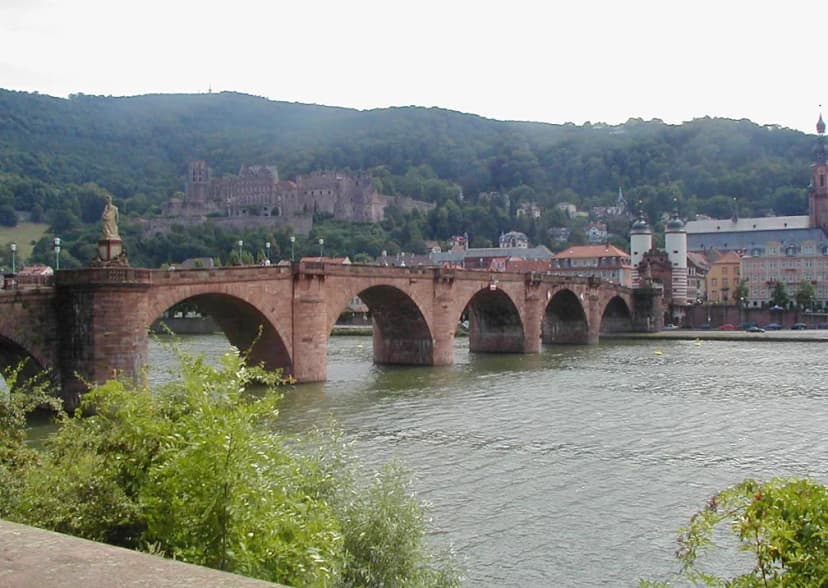
Heidelberg rewards a short stay because its signature sights sit close together: the castle above, the Old Town lanes below, and the Old Bridge crossing the Neckar just minutes away. Visitors describe the Old Town as beautiful and easy to explore on foot, with colourful buildings, small streets, cafés and historic architecture packed into a compact area. That walkability is what makes a two-day plan realistic without a car.
The hillside splits the city into two levels, so you either climb or ride the Heidelberg Mountain Railway to reach the castle. Plan the ascent once and group the Old Town afterwards, when you are already at street level. That is the single most useful decision in the whole itinerary.
A second day removes the pressure of choosing between the castle view and the reverse view from Philosophenweg across the river. Spend one day looking at the town from above and the next looking back at it from the far bank. That pairing is what distinguishes a two-day visit from a hurried one-day sprint.
How to Shape the Two Days
Give day one to the castle, the Old Town core and an evening on the Neckarwiese, and hold day two for Philosophenweg, the university quarter and one chosen half-day. If you have only one day, cut the second day entirely rather than compressing both into a single march through the city. A tighter version is already laid out in this Heidelberg one day itinerary, which covers the castle and Old Town without the river half-day.
Building a roomier version across a long weekend is a different trade. A three day itinerary adds excursions that two days cannot absorb without dropping the river afternoon. Choose based on whether you value depth in the city or breadth around it.
Day One: Heidelberg Castle and the Old Town Core
Start with the castle, then descend into the Old Town while your legs are still fresh and the light is on the sandstone. The climb and the descent are the physical bookends of the day, so everything between them should be flat and close. This is where Marktplatz, the Church of the Holy Spirit, Hauptstraße and the Old Bridge naturally cluster.
Use Marktplatz as your orientation point, since Heidelberg Marketing describes it as one of the city's oldest squares and it sits right beside the Old Town lanes. From there the Church of the Holy Spirit and the main shopping street are within a short walk, and the Old Bridge is a few minutes further toward the river.
The castle is the one sight worth giving a fixed slot, because it is the reason the rest of the day is ordered the way it is. If you want the individual landmark treated on its own terms before you commit a morning to it, the Heidelberg: Landmark Visitor Guides set covers it separately from this city plan.
Grounds Versus Paid Interiors at the Castle
Treat the castle as two experiences: the outdoor grounds and courtyards on one hand, and the ticketed interiors on the other. Not every part of a complex like this shares a single ticket, so do not assume one purchase covers everything you want to see. Confirm admission, guided options and the mountain railway directly with the operator before you travel, because those details change.
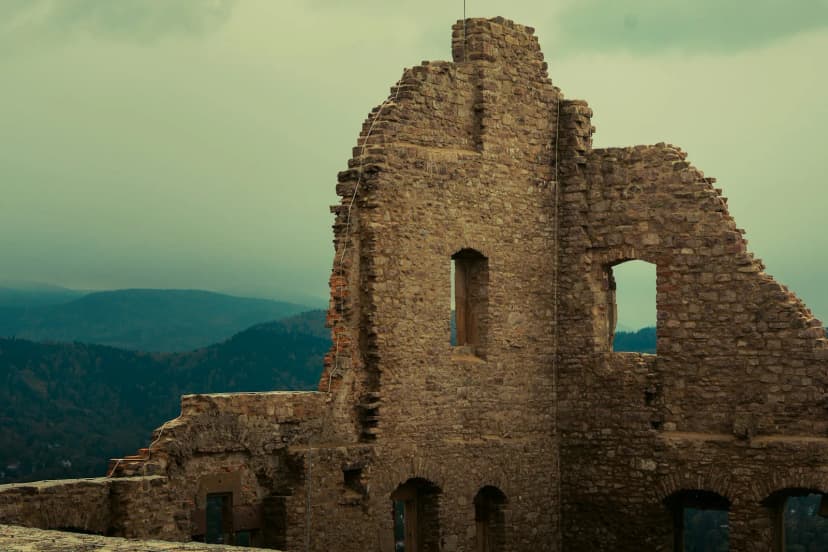
Travellers who visited the site describe exploring outdoor areas and gardens while parts of the complex were under renovation, and note that the ruined sections carry their own atmosphere even without interior access. That is a reasonable fallback if interiors are unavailable on your date. Check the official pages rather than relying on older trip reports for what is currently accessible or open.
Budget your time at the top generously and your time in the lanes loosely. If the hill is crowded, walking down into the Old Town puts you straight into the next part of the plan without any transport decision.
Day One Evening on the Neckarwiese
Finish day one on the Neckarwiese rather than squeezing in another ticketed sight, since Heidelberg Marketing lists the riverbank as a place for relaxation, games, sports and fun. It costs you nothing but the walk and gives the day a soft landing after the climb.
Visitors frequently mention sunset views over the river as one of the city's better free pleasures, and the meadows sit on the flat ground between the Old Town and the water. Walking there from the Old Bridge takes only a few minutes. Keep the evening unbooked so the plan survives a slow lunch or a longer castle visit.
Day Two Morning: Philosophenweg
Walk Philosophenweg in the morning for the reverse view of everything you saw on day one. The path follows the hillside above the far bank, looking back across the Neckar River toward the Old Town and the castle framed by rooftops and trees. Trip.com lists it among the city's free-entry attractions, which makes it a natural counterweight to the paid parts of day one.
Writers about the route emphasise that the walk itself, not just the viewpoint, is the point, and that the changing seasons alter its character through spring greenery and autumn colour. Allow more time than you think you need, because the path is gentle but not short. Start early if you want quiet, or later if the light matters more to you than the crowds.
Descend to the river level and cross back toward the Old Town, which sets you up for the university quarter without retracing the whole hillside.
Day Two Midday: The University Quarter
The university quarter and the Old University sit close to the Old Town lanes, so they work as a compact midday cluster rather than a separate excursion. Heidelberg University appears among the city's most-visited attractions and Trip.com lists it with free entry, which keeps the middle of day two inexpensive. Read it as a short stop woven into your walk, not a full museum visit.
Pair it with Hauptstraße and a coffee before you commit to an afternoon option, and treat the university buildings as part of the city's everyday fabric rather than a ticketed destination.
If you would rather spend the whole second day outside paid interiors, a shortlist of free things to do in Heidelberg lines up well with this part of the plan. It keeps the day flexible when energy or weather changes.
Day Two Afternoon: Pick One Half-Day
Choose one afternoon rather than trying to collect all three possibilities: a riverside pause on the meadows, a sightseeing boat trip on the Neckar, or a museum block. Heidelberg Marketing lists boat trips and riverbank relaxation as separate ways to spend a few hours. Decide before lunch so you are not negotiating it while standing on a bridge.
The riverside option is the cheapest in effort and needs no booking, while a boat trip depends on seasonal services you should confirm with the operator. The museum route trades fresh air for weather cover. Whichever you pick, keep the evening free for a last walk through the lanes.
Opting to leave the city instead of spending the second day here is a different trade rather than a bonus, and it is worth weighing against the half-day above.
The Frankfurt Day-Trip Substitution
Frankfurt is the practical swap if you are based there or arriving by air, and rail connections between the two cities make it a common day-trip pairing. Visitors describe Heidelberg as a lovely choice for a day trip from Frankfurt, but schedules and fares change, so check current connections rather than relying on a remembered itinerary.
What you give up is the second perspective: the hillside walk, the university quarter and the unhurried river afternoon all disappear if you leave. If you want more than the city alone, a set of day trips from Heidelberg shows what else is reachable, including Schwetzingen Palace, without turning the trip into a rail marathon.
A sensible compromise is to keep both Heidelberg days and treat Frankfurt as an arrival or departure stop rather than a full extra day. The three day itinerary assumes you are staying and adds a further excursion instead.
Adjusting for Weather, Energy and Season
Swap the two days if the forecast is better for the second one, since the hillside walk is the part most exposed to wind and rain. Autumn visitors report strong winds and wide day-to-night temperature swings in this part of Germany, so layers matter more than a fixed schedule. Check conditions close to your travel date rather than trusting a seasonal rule.
If energy runs low, cut the museum block before you cut the riverside pause, because the free outdoor parts of this plan carry most of the reward. The castle remains the one element worth protecting, and the rest can be reordered around it.
Visiting in the colder months usually means earlier darkness, so front-load the outdoor walking and keep the evening short. None of these adjustments require booking anything in advance.
Where to Base Yourself and Getting Around
Base yourself within walking distance of the Old Town and the river if you can, because nearly everything in this plan is on foot once you are there. Heidelberg Marketing covers arrival and departure, getting around, tourist information and accessibility, which is where you should check current transport and access details.
A car is more hindrance than help for a two-day stay in the historic core, since your days are spent on lanes, paths and riverbank. Arriving by train puts you at the edge of the centre and keeps the plan intact.
Allow for shops being closed on some days and stock up in advance rather than planning to buy food casually. Confirm the specific rules for your dates instead of assuming a nationwide pattern.
Quick Reference: The Two-Day Shape
Day one: castle first, then Marktplatz, the Church of the Holy Spirit, Hauptstraße and the Old Bridge, finishing on the Neckarwiese. Day two: Philosophenweg in the morning, the university quarter around midday, one afternoon half-day of your choosing. Treat this as a suggestion and confirm any paid element before you go.
Everything outdoors in this plan can be done without a booking, and the only pieces needing checks are the castle interiors, boat services and any transport you plan to use. Free things to do in Heidelberg fill most of the second day if the weather holds, and free sights like the path and the meadows mean a cancelled museum slot costs you very little.
Plan Your Visit
Two days in Heidelberg work best when you accept the split between looking down at the city from the castle and looking back at it from Philosophenweg, then fill the rest with the lanes and the river at an easy pace. Keep the paid elements deliberately few and confirm the ones you care about with the organiser before you travel.
If your first day in the city is the only one you have, use the one day itinerary instead and save the hillside walk for a return visit. With three days, the three day itinerary adds the excursion that this plan deliberately omits. Free sites are always available, and the city's own visitor pages remain the fastest way to confirm what is open when you arrive.
Frequently Asked Questions
Is two days enough for Heidelberg?
Yes, for the castle, the Old Town and one half-day on the river or in the hills. The historical core is compact and walkable, so the second day goes toward the reverse view from Philosophenweg and the university quarter rather than more ticketed sights. If you only have one day, drop the second day and follow a one-day plan instead.
Should you visit the castle on day one or day two?
Put the castle on day one, because it sits at the top of the hill and everything else in the Old Town is downhill from it. Treat the outdoor grounds and the ticketed interiors as separate experiences, and confirm admission, guided options and the mountain railway with the operator before you travel, since those details change.
Is Philosophenweg worth it if you already saw the castle view?
Yes, because it is the opposite perspective rather than a repeat. From the hillside path you look back across the Neckar River at the castle and the rooftops instead of looking down from them, and the walk itself is part of the appeal. Trip.com lists it among the city's free-entry attractions, so it costs nothing to include.
Can you do Heidelberg as a day trip from Frankfurt instead of staying two days?
You can, but you are substituting rather than adding. Leaving removes the hillside walk, the university quarter and the unhurried river afternoon, and leaves you with a compressed version of day one. Check current rail connections and timetables before committing, since schedules and fares change.
Do you need a car for a two day Heidelberg itinerary?
No. The castle, Old Town, Old Bridge, riverbank and university quarter are all reachable on foot once you are in the centre. A car is only useful if you plan an excursion outside the city, and even then rail is often simpler. Confirm current transport and accessibility information through the city's visitor pages.
What can you do in Heidelberg for free?
The Old Town lanes, the Old Bridge, the riverbank and the Philosophenweg walk all cost nothing, and Trip.com lists the university area with free entry. The city also publishes its own free and low-cost options. Check the official listings rather than relying on older trip reports, especially for anything with a ticket.