Rain in Heidelberg rarely ruins a day, because the historic center is small enough to cross on foot between indoor stops without committing to a long walk in the open. The castle sits directly above the Old Town, the university buildings and the Church of the Holy Spirit sit within the same few streets, and the Kurpfälzisches Museum faces the main pedestrian axis. That geography lets you build a wet-weather plan around short hops rather than a single headliner.
The main planning distinction is between spaces you can walk through freely and spaces that require a ticket, because the castle does not work as one all-inclusive purchase. One traveller account describes riding the funicular up and receiving access to the castle grounds and several interior spaces, which shows the two elements are sold or bundled together rather than automatically combined with every building. Before you go, check the current arrangement with the operator or the city tourist information rather than relying on older trip reports.
Why the Old Town Works as a Rainy-Day Base
Heidelberg's Altstadt is built for weather changes: cobbled lanes, long pedestrian stretches, and clusters of churches, university rooms, and shops within a few minutes of each other. Hauptstraße in particular functions as the spine of the district, and one traveller calls it a mile-long pedestrian-only street lined with shops, cafes, and specialty food stores. That means you can move between indoor stops without needing to solve transport in the middle of a downpour.
The city markets itself around exactly this compactness: the castle, the Old Bridge, the university, and the market square sit close together, so a wet afternoon does not have to be written off. If you want a broader look at how the city's sights fit together before you decide, the Heidelberg: Landmark Visitor Guides hub organizes the individual attractions for comparison. Use it to pick two or three indoor anchors rather than trying to cover everything.
Heidelberg Castle Grounds Versus Interiors
The castle is the obvious rainy-day anchor because so much of the visit happens above the town, and the ascent itself is partly sheltered. A first-time visitor guide notes that the funicular railway, the Bergbahn, runs from the Old Town up to the castle station, and that the castle can also be reached on foot by a steeper route of roughly twenty minutes. In steady rain the railway is the more comfortable choice; treat the walking route as a fair-weather option only.
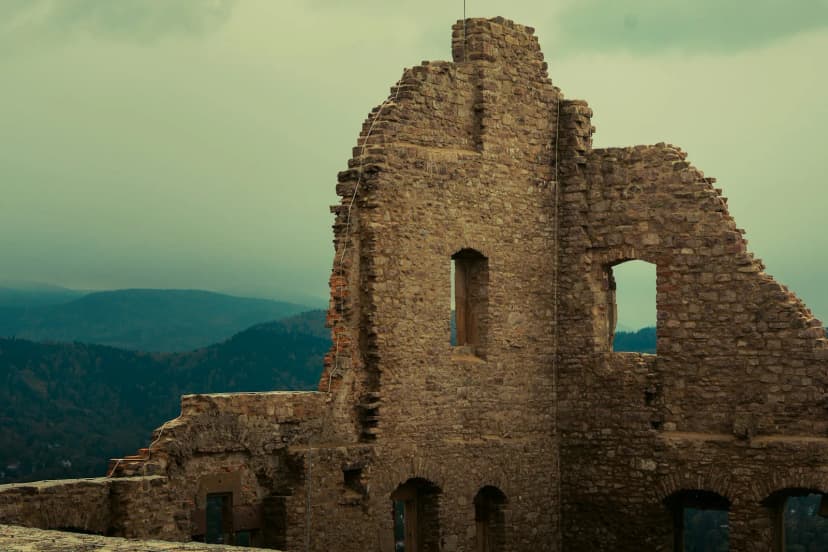
Once you are up there, the courtyard and terrace give you the famous view over the red roofs and the Neckar without requiring a long exposed hike, and the castle's ruined walls contain several covered interior spaces as well. The same account mentions the Pharmacy Museum inside the castle complex and describes the courtyard as a mix of Gothic and Renaissance facades. Note the wording carefully: not every building or collection inside the complex necessarily shares one ticket, so budget both time and money per stop.
Anyone weighing whether the climb is worth a wet morning can read the Heidelberg Castle visitor guide for a fuller picture of what the grounds and ticketed interiors each offer. The practical rule is simple: decide in advance whether you want the exterior experience, the interior collections, or both, then confirm the current ticket scope and opening arrangements with the operator before you ride up.
University Sites Indoors: The Student Jail
The Studentenkarzer, or Student Jail, is the small, strange stop that gives a rainy day some character: Heidelberg's university dates to 1386, and misbehaving students were once detained in this building as a light punishment, leaving walls covered in graffiti and drawings. Because it is compact, it works well as a thirty-to-forty-minute filler between larger stops rather than a destination in its own right.
The single most important planning note is that the Student Jail is not open every day, so its schedule should be the first thing you confirm rather than an afterthought. If you also want a calmer, larger indoor space in the same university orbit, the Heidelberg University Library visitor guide explains what that site offers and how it fits a short visit. Keep both stops flexible: if one is closed, the other and the nearby Old Town browsing easily absorb the time.
The Church of the Holy Spirit in the Old Town
The Church of the Holy Spirit is the kind of stop that suits rain precisely because it asks nothing of you: step in, sit down, look up, and leave when you are dry. One visitor guide lists it among the Old Town's sights alongside Hauptstraße, which places it directly on the natural walking line between shopping and the market square. Treat it as a pause rather than a headline attraction and it will repay the time.
Because churches in Germany often keep their own schedules and may be closed around services or for maintenance, check the current visiting arrangements locally or through the city's tourist information before making it the centerpiece of your plan. When you want a wider view of how the Old Town's sights connect, the Heidelberg: Itineraries and City Travel Guides collection shows how a short city visit is usually structured. Slotting the church between two other stops keeps the day moving without depending on it.
The Kurpfälzisches Museum on Hauptstraße
When the rain settles in for hours rather than minutes, the Kurpfälzisches Museum is the reliable answer: it sits on Hauptstraße in the Old Town and holds Roman and medieval artifacts, Renaissance and Baroque art, and objects connected to Heidelberg Castle. As a suggestion rather than an official figure, allow roughly one to two hours for the collections, and longer if you read labels carefully or stop for coffee nearby.
The museum's one-to-two-hour range is a sensible planning cushion, not a published visiting time, so use it to decide how much of the rest of the day you can still fit in. Confirm current admission arrangements, closing days, and any exhibition changes directly with the museum or the city tourist information, because those details shift between seasons. If you are building a fuller agenda, a Heidelberg two day itinerary shows how a museum block sits alongside the castle and Old Town in a realistic sequence.
Do not assume that a ticket for one Heidelberg collection automatically covers another, even when the buildings sit close together or share an institutional name. That assumption is one of the most common costly mistakes on wet days, because it leads people to skip confirming the scope of what they have bought. Ask at each entrance what is included before you commit your afternoon to a single complex.
Old Town Browsing as a Rain Strategy
Even in heavy rain, the Old Town lets you keep moving without committing to a single attraction, because the pedestrian streets are lined with shops that offer short dry breaks between showers. One traveller describes the Hauptstraße as a shopper's paradise with classic German gift stores and modern boutiques, which makes it a workable fallback when a museum turns out to be busier or closed. The trick is to set a direction and let the weather decide how far you get.
Local food and souvenir stops also give structure to a wet hour: Heidelberg is associated with Studentenkuss chocolates and Schneeballen pastries, both sold in the Old Town, according to one visitor account. Buying something small is not just a snack; it is a legitimate reason to stand inside for a few minutes while the worst of the rain passes. Build one or two such pauses into your route rather than treating them as accidents.
A Sample Rainy-Day Sequence
A practical pattern is to ride up to the castle early, while you are still dry and motivated, and spend the middle of the day on covered ground. Because the funicular and the castle are the one stop that depends on a mechanical ascent, doing it first leaves the rest of the day flexible if weather or queues shift. From the castle you descend into the Old Town and are immediately within reach of the church, the university sites, and the museum.
In the afternoon, put the Kurpfälzisches Museum in the middle of the wettest hours, then use the Student Jail or a university stop as a short counterpoint if the schedule allows. Finish with Old Town browsing and something warm to eat, since the shopping streets stay usable in light rain and let you end the day near where you started. If you want a version with more hours in it, the Heidelberg: Landmark Visitor Guides hub can help you extend the same sequence over two days.
Rainy-Day Trade-offs and Mistakes
The biggest mistake is forcing outdoor highlights into a wet itinerary: the Philosopher's Walk and the riverbank meadows are rewarding in good weather, but on a rainy afternoon they consume time you could spend dry and warm indoors. One account describes the Philosopher's Walk as an uphill path rewarded by views, which is exactly the kind of stop to postpone when the clouds are low. Save it for a clear morning and keep your wet day indoors.
The second mistake is assuming a single castle ticket or a single museum pass covers everything you want to see, and the third is leaving the decision too late, when the obvious indoor stops are full. Plan two alternatives for every slot, confirm opening days for limited-schedule sites, and accept that one or two changes of plan are normal. If you want to see how other German cities handle the same problem, Berlin on a Rainy day and Dresden on a rainy Day offer useful comparison points for indoor-first itineraries.
Practical Rainy-Day Planning
Dress in layers, bring footwear that handles wet cobblestones, and carry a small bag that keeps documents and a phone dry, because Heidelberg's Old Town streets are uneven and slick in the rain. Keep a plan B for each stop, especially the Student Jail and any university rooms with limited opening days, and check local listings the morning of your visit. The city's own tourist information page publishes planning resources and contact details if you need current information.
Travel light and expect to adjust: some sites may be closed on the day you arrive, and ticket scope can change, so carry a shortlist of three or four indoor options rather than a fixed timetable. If you are staying more than a night, the same flexibility lets you push the outdoor stops to a drier morning and keep the rainy hours for museums and churches. That approach turns bad weather from a problem into a smaller, more focused city day.
Plan Your Rainy Day in Heidelberg
Rain in Heidelberg is manageable because the castle, the university sites, the Church of the Holy Spirit, and the Kurpfälzisches Museum all sit within a short walk of each other in and around the Old Town. Pick the castle for a wet morning, the museum for the wettest block, and the Student Jail or a university stop as a compact filler between them. Confirm opening days and ticket scope with the operators before you commit, since those details are the ones most likely to change your plan.
Frequently Asked Questions
What can you do indoors in Heidelberg when it rains?
The core indoor stops are the covered interiors and courtyard spaces at Heidelberg Castle, the Student Jail, the Church of the Holy Spirit, the Kurpfälzisches Museum, and the university buildings around the Old Town. Each sits within a short walk of the others, so you can string several together without crossing the city. Because opening days differ between sites, confirm the schedule for the day you plan to visit.
Is Heidelberg Castle worth visiting in the rain?
Yes, because the funicular ride and the castle terrace mean you reach the view and the courtyard without a long exposed walk, and several interior spaces are covered. The grounds and the ticketed interiors are not the same thing, so decide whether you want the exterior experience, the collections, or both. Check the current ticket scope and opening arrangements with the operator before you ride up.
Do you need to check opening days for the Student Jail?
Yes. The Student Jail keeps limited opening days, and it is the site most likely to disrupt a rainy-day plan if you leave it to chance. Confirm the schedule with Heidelberg University or the city tourist information before you build it into an afternoon, and keep a backup indoor stop ready in case it is closed.
Does one ticket cover everything inside Heidelberg Castle?
Do not assume so. Visitor reports indicate that the funicular, castle grounds, and some interior spaces can be bundled together, but that does not mean every collection or building in the complex shares one admission. Ask at the entrance what is included, and confirm the current arrangement with the operator rather than relying on older accounts.
How long does the Kurpfälzisches Museum take?
As a suggestion rather than an official figure, allow roughly one to two hours for the collections, and more if you read labels carefully or linger. The museum covers Roman and medieval artifacts, Renaissance and Baroque art, and objects linked to Heidelberg Castle, so the time depends on your level of interest. Confirm current opening days and admission arrangements directly with the museum.
Can you still walk Heidelberg's Old Town in bad weather?
Yes. The Old Town is compact and largely pedestrian, with Hauptstraße providing a long spine of shops and cafes that lets you move between dry stops without committing to a single attraction. The surfaces are cobbled and can be slick, so wear suitable footwear and keep a shortlist of indoor fallbacks. Outdoor highlights such as the Philosopher's Walk and the riverbank are better saved for a clear day.