
Garmisch-Partenkirchen sits beneath Germany's highest peak in the Bavarian Alps, so the hard part is rarely finding a big view; it is choosing how much climbing, queuing, and spending you want attached to it. The town's tourism board publishes open cable car and lift information alongside webcams, which makes the operator side of the decision checkable rather than guesswork.
This guide groups the main panorama options by effort and access instead of ranking scenery: lift-assisted summits, walking-only routes from the valley, and viewpoints you reach on foot from town. Expect practical trade-offs, a labelled suggested duration, and clear notes on what must be confirmed on the day.
Two Ways Up: Lift-Assisted vs Walking-Only Viewpoints
Every viewpoint around Garmisch-Partenkirchen falls into one of two access families: those where a cable car does most of the climbing, and those you reach entirely on foot. Lift-assisted options compress the day but introduce ticket queues, wind holds, and operating schedules you do not control, while walking routes trade time and fitness for flexibility and no fare.
Before building a day around any lift, check the town's open cable car and lift page for current operating status, because alpine infrastructure can pause for weather or maintenance. The same caution applies to ticket prices: published figures vary between blogs and seasons, so treat any lift fare you read as indicative and confirm at the ticket desk or operator page.
Wank Area: Valley Station, St. Anton Trail, and the Hut Loop
The Wank side of the valley works well for travellers who want a genuine half-day of walking without committing to a summit push. One travel blog describes a loop starting at the Wankbahn valley station, following the trail via St. Anton to Tannenhütte for panoramic views toward the Zugspitze range, continuing roughly fifteen minutes to Eckenhütte, and returning to the station, covering about seven kilometres in around two and a half hours. These are the blogger's reported figures, not official trail data, so treat timings as a planning guide rather than a promise.
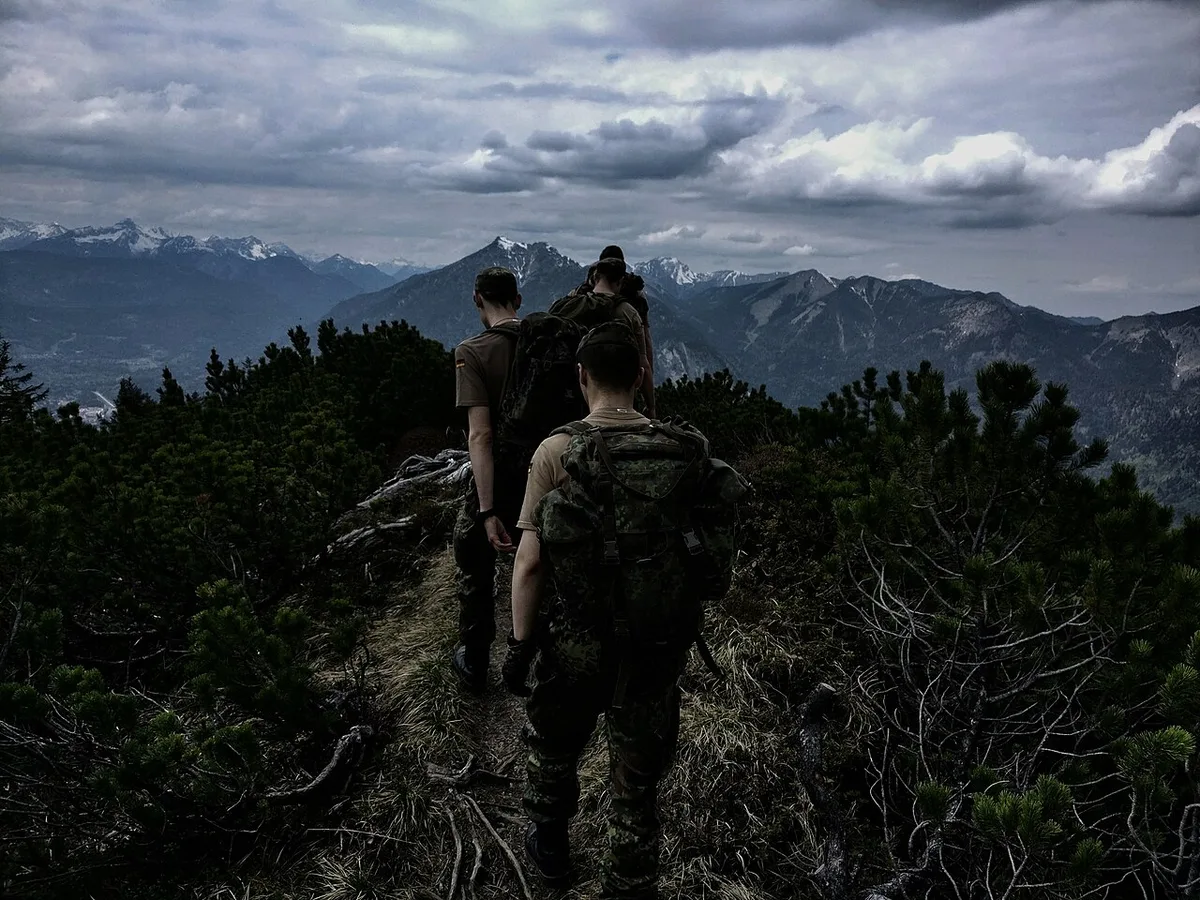
You do not have to start at the valley station: the same blog notes an alternative of beginning in Partenkirchen and walking up to St. Anton to join the loop there, which adds town streets before the climbing starts. Parking is available at the Wankbahn station, and hikers follow posted signs rather than needing a printed route. For the cable car alternative on this same mountain, the separate Wankbahn guide covers the lift option in its own terms.
Budget the loop by daylight rather than by a fixed clock time, since autumn afternoons shorten quickly and the huts are rest stops, not guaranteed endpoints. Carry water and a layer regardless of a sunny start in town, because conditions change with elevation.
Zugspitze via the Eibsee Cable Car: High Effort, High Cost, Weather-Led
The Zugspitze is the region's headline viewpoint and also its least casual one: access is by ticketed cable car, and the experience depends heavily on visibility at the summit. One travel blog describes a return adult fare of 78 euros for 2026 and a ten-minute ascent from the Eibsee area, but that figure is the blogger's dated report, not an official price, so verify current fares with the lift operator before treating it as your budget.
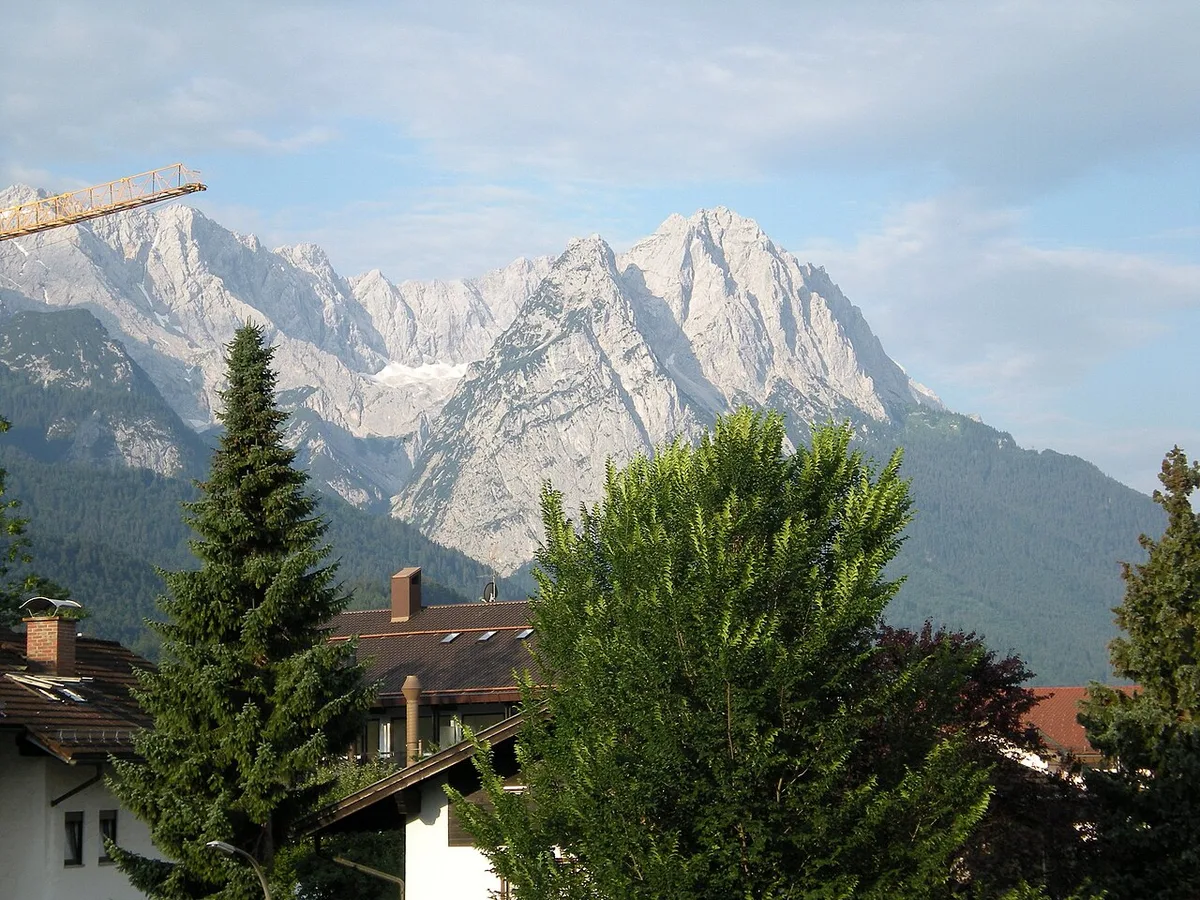
Visibility is the real decision criterion. A live webcam on the operator's site shows conditions at altitude, and a trip made in poor visibility still delivered views from the cable car and the glacier section rather than from the summit itself. If a clear summit panorama is the whole point of your day, check the webcam in the morning and be willing to switch to a lower viewpoint instead.
Allow considerably more time than the ride itself: there are queues on busy summer days and you may want to walk part of the Eibsee shoreline while you are down there. Dates and any seasonal rates belong on the operator's booking page, not in a planning document.
Low- and No-Lift Viewpoints: Partnach Gorge and the Olympic Ski Stadium
Not every good outing needs a summit. Partnach Gorge is a paid interior walk through a 700-metre-long, 80-metre-high rock canyon with water running beneath the walkways, entered near the Olympic Ski Stadium and open year-round; one travel blog records six euros for adults, again an older dated figure to check on site rather than an official current rate.
The gorge itself takes roughly thirty minutes to walk through, though rain can add spray, small side waterfalls, and slippery surfaces, so grippy shoes and a warm layer matter more here than on a town stroll. Because it is popular, summer crowds and one-way or two-way flow arrangements are worth checking locally.
The Olympic Ski Stadium grounds are the counterpoint: the 1936 Winter Games venue and its rebuilt ski jump can be viewed from the stadium area without a lift or a summit hike, and the town publishes a live webcam there. Treat the free grounds and the paid gorge as separate experiences even though the gorge walk begins from the same area. Continuing past the gorge, the Kaiserschmarrn Alm is a well-known food stop if you want to extend the day on foot.
Kramerplateauweg and AlpspiX: Why This Guide Stays General
Kramerplateauweg and the AlpspiX platform are frequently named in Garmisch-Partenkirchen panorama lists, but reliable detail on route length, surface, gradient, platform dimensions, and ticket conditions was not available for this guide. Rather than recycle half-remembered figures from forum posts, this article keeps both to a general mention and points you elsewhere for specifics.
For AlpspiX, the practical decision is whether a protruding platform experience plus the access route to it suits your group; platform logistics and access conditions should come from the operator's own materials. For Kramerplateauweg, ask at the tourist information or check signage once you arrive, since a route described loosely online can differ from what is marked on the ground.
Weather, Season, and Visibility Trade-Offs
Spring and autumn bring fewer crowds and good hiking temperatures, summer brings the warmest days and the heaviest demand, and winter turns the area into a snow-sports destination where lake swimming is off the table. In the mountains it is typically colder than the rest of Germany, so a mild forecast for the valley does not mean a mild summit.
Fog, low cloud, and rain erase the very thing you came for, so plan a flexible order of operations: summit first on a clear morning, gorge or town viewpoints if the tops are socked in. Gorge conditions in particular respond to rainfall, and winter visits to the gorge can be scenic but cold, so pack for the actual weather rather than the forecast you hoped for.
A sunrise start helps at photographer-favourite spots where parking is limited and light is soft. The dedicated photography guide covers framing and timing in more depth if shooting is your priority.
Suggested Duration: An Adaptable Half-Day (Not Official)
Suggestion, not an official recommendation: allow about four to five hours for a single effort-led viewpoint outing, counting travel, walking, and a rest stop. That comfortably covers the Wank valley loop or a Partnach Gorge walk with the Olympic Ski Stadium grounds attached, without rushing either.
If you want two experiences in one day, pair options that share a starting area rather than opposite ends of the valley: the gorge and the ski stadium sit together, while a cable car summit deserves its own slot because queues and weather can consume the morning. A three-day itinerary can usefully spread a summit day, a gorge and Wank day, and a day trip beyond the valley.
Access Reality Check: Mobility, Pushchairs, and Surfaces
Do not assume any viewpoint here is universally suitable for wheelchairs, pushchairs, or travellers with limited mobility. Gorge walkways, mountain trails, and lift boarding areas each have their own constraints, and official accessibility statements usually live on the specific operator's page rather than in general travel writing.
Surfaces change underfoot: paved town paths give way to gravel and rock steps, and wet gorge walkways are a different proposition from a dry valley track. Verify the specific route you plan, ask the tourist information about step-free options, and keep a lower-effort fallback in reserve for days when the group's energy runs out.
Plan Your Visit
Decide the access type before the destination: pick lift-assisted if time is short and you accept weather risk, or walking-only if you would rather keep the day flexible and free of queues. Either way, confirm lift operating status, entrance conditions, and current fares on official pages on the morning of your visit, since alpine operations respond to weather.
For the full picture of what the area offers beyond viewpoints, the city and landmark guide hub collects the individual attraction pages in one place, and the wider Garmisch-Partenkirchen city pillar ties the town's sights into longer itineraries.
Frequently Asked Questions
Is Partnach Gorge worth it?
For most visitors who can handle uneven walkways and cold, damp conditions, yes: the gorge is a short, dramatic canyon walk rather than a long hike, entered near the Olympic Ski Stadium. Note that entry is paid even though the stadium grounds themselves are free, and that rain changes the experience with spray and slick surfaces. Walkways can be narrow and busy in peak season, so it suits confident walkers better than anyone seeking a flat, step-free stroll.
Which Garmisch-Partenkirchen viewpoint needs the least effort?
The Olympic Ski Stadium grounds are the lightest option, since you can view the 1936 venue and rebuilt ski jump from the stadium area without a lift or summit climb. The town's tourism board publishes a live webcam there, so you can gauge conditions in advance. If you want an actual panorama above town with modest climbing rather than none, the Wank-area loop from the valley station is the most compact walking alternative, but it still involves hours on trail.
Do you need a car to reach the viewpoints?
No, but it changes the day considerably. One travel guide notes you can manage the main sights including Partnach Gorge, Eibsee, and the Wank hike using local buses and trains, while a car makes reaching further-flung places much easier. The same guide mentions local bus lines connecting the surrounding towns and a dedicated Eibsee bus for the lake and Zugspitze area, with the advantage of avoiding summer parking searches. Check current timetables locally, since service patterns vary.
How long should I allow for a viewpoint half-day?
As a non-official suggestion, plan roughly four to five hours for one effort-led viewpoint outing, including travel, walking, and a break. Lift-assisted summit days need extra buffer for queues and possible weather holds, so give them their own slot rather than sandwiching them between other activities. Walking loops close to town are easier to shorten if energy or daylight runs out.
When is visibility best for panorama views?
Clear mornings are generally your best bet, and checking the live webcams before committing is the most reliable habit. One traveller reports that even on a day forecast to have poor visibility from the summit, views from the cable car and glacier section still delivered. Spring and autumn offer fewer crowds with pleasant hiking temperatures, while summer is warmest but busiest, and mountain conditions stay colder than the valley in every season.


