

Garmisch-Partenkirchen sits below four separate mountain railway areas, and the operator, Bayerische Zugspitzbahn Bergbahn AG, treats them as three ticketed products: the Zugspitze, the Garmisch-Classic area and Mount Wank. Sorting which one to ride is mostly a question of ticket scope, altitude and how the day's weather is behaving.
A single Garmisch-Classic ticket covers all three cable cars in that area, the operator confirms: the Alpspitzbahn, Kreuzeckbahn and Hochalmbahn in summer, and the Alpspitzbahn, Kreuzeckbahn and Hausbergbahn in winter. That scope difference is the strongest reason to choose this area if you want more than one mountain station in a day. The Hausbergbahn is the outlier for warm-weather visitors, because the operator states it operates only in winter.
Before you commit, check the operator's live open cable cars and lifts status alongside its webcams, which is the only reliable way to confirm what is running on a given morning. Garmisch-Partenkirchen's tourism site carries equivalent live webcam feeds for the valley. Checking either is faster than guessing from the valley floor, where cloud can hide both summits and lower slopes. For wider planning, see Garmisch-Partenkirchen city travel guides.
Zugspitze: Germany's Highest Mountain, Two Ways Up
The Zugspitze is the headliner, and the operator gives it its own ticketed area separate from the other two. You reach it by cogwheel train from the valley or by cable car, and the operator describes a round trip that combines both. Because it is a single-mountain ticket rather than part of a multi-lift pass, it is usually the day you build everything else around.
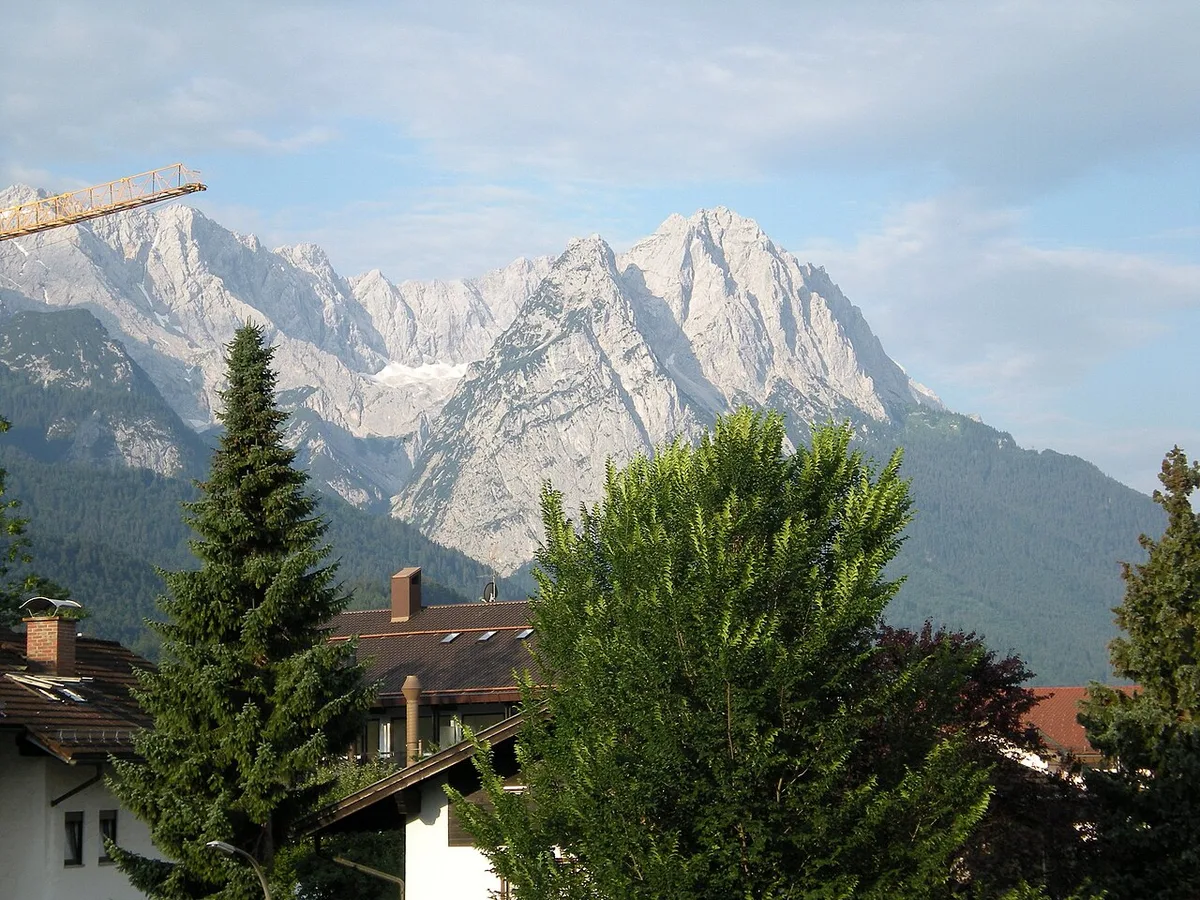
The summit complex includes restaurants such as Panorama 2962 and Gletscher 2600, plus seasonal offerings the operator lists under highlights. None of that changes the core trade-off: the Zugspitze is the highest and most exposed option, so it is also the one most likely to be affected by wind or cloud on an unsettled day. If a summit view is the whole point of your trip, give yourself more than one possible morning in Garmisch-Partenkirchen.
The most common visitor question is where the cable car starts. The evidence here points to the operator's own getting here and parking guidance and its route pages; that is where to confirm valley stations, connections and the cogwheel option rather than relying on a map pin. The Zugspitze Visitor Guide covers the summit logistics in more depth if this is your priority lift.
Garmisch-Classic: One Ticket, Three Cable Cars
The Garmisch-Classic area is the value proposition, because a single Garmisch-Classic ticket covers all three cable cars in the area. The operator confirms this directly: visitors use the Alpspitzbahn, Kreuzeckbahn and Hochalmbahn in summer, and the Alpspitzbahn, Kreuzeckbahn and Hausbergbahn in winter, on one ticket. For anyone wanting more than one summit in a day, that scope difference is the strongest reason to choose this area over the Zugspitze. For wider planning, see AlpspiX Viewing Platform Visitor Guide.
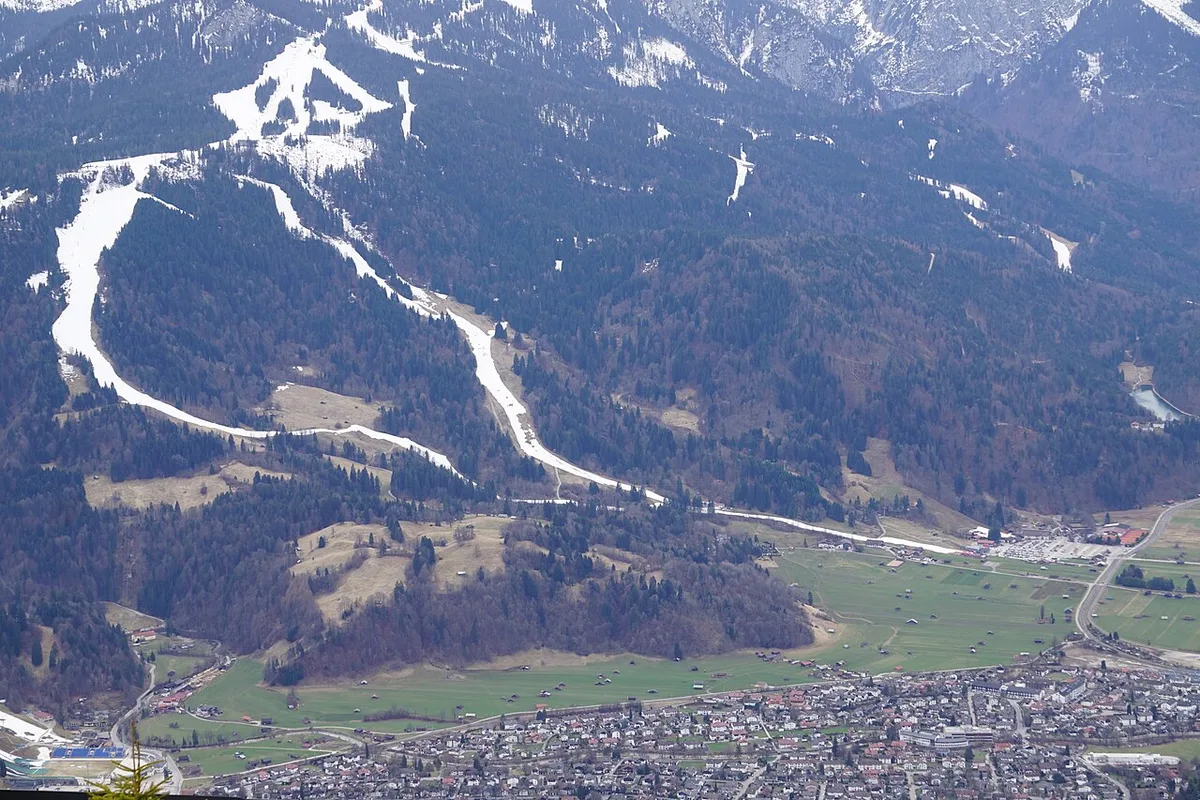
The Alpspitzbahn leads to Osterfelderkopf and the AlpspiX platform, two steel-and-glass footbridges the operator describes as a short walk from that mountain station. The Kreuzeckbahn opens up hiking and climbing routes, and in winter the Garmisch-Classic ski area adds the Kandahar downhill run and Ixis children's area. Free-to-walk mountain terrain and ticketed lift access are different things here: the trails cost nothing, the rides do.
Refreshment stops follow the same seasonal logic, and the operator states it plainly: Drehmöser 9 and Garmischer Haus at the Hausbergbahn mountain station open only in winter. Osterfelder 2000 at the Alpspitzbahn mountain station and Kandahar 2 at the Kreuzeckbahn valley station serve day guests in the warmer months. Parking exists at the Alpspitzbahn, Kreuzeckbahn and Hausbergbahn valley stations, with designated EV charging at the Kreuzeckbahn car park.
Mount Wank: The Shorter, Separately Ticketed Outing
Mount Wank is treated by the operator as its own area, with its own ticket rather than inclusion in the Garmisch-Classic pass. Marketing calls it the panoramic mountain, and that framing fits a half-day outing: you ride up, walk a ridge, and come back down without committing a full day. It is the natural choice when you want mountain views but not the altitude, cost or weather exposure of the Zugspitze.
The operator also lists events on Wank, including breakfast and Kirchweih dates, which is a reminder that a mountain can be a venue as well as a viewpoint. If a specific event is the reason you are going, confirm it against the operator's events listing rather than a third-party calendar. For a straightforward scenic ride, the Wankbahn is the simplest of the four decisions.
Hausbergbahn: Winter-Only, and What That Means
The Hausbergbahn is the trap for summer visitors who assume every lift in the valley runs year-round. The operator states on its Garmisch-Classic page that the Hausbergbahn cable car operates only in winter. In practice that removes it from any summer or shoulder-season plan, including the walk-up debate about which Garmisch gondola to take first.
Winter is where it earns its place, connecting the Garmisch-Classic ski area alongside the Alpspitzbahn and Kreuzeckbahn. If you are visiting outside winter, treat the Hausbergbahn as background information rather than an option, and check the operator's opening hours and timetable page if a season boundary is close to your travel date. Season dates for winter 2026/27 are outlined in the operator's published winter prices section.
How to Decide by View, Cost and Weather Tolerance
Start with what you want to see. A glacier summit and a cross-border panorama point to the Zugspitze; a steel platform over a sheer drop points to AlpspiX on the Garmisch-Classic ticket; a broad, gentler ridge line points to Wank. Cost framing follows the same split: the Zugspitze and Wank are priced as separate areas, while one Garmisch-Classic ticket covers three cable cars. Check the operator's tickets and rates pages for current figures rather than trusting older numbers.
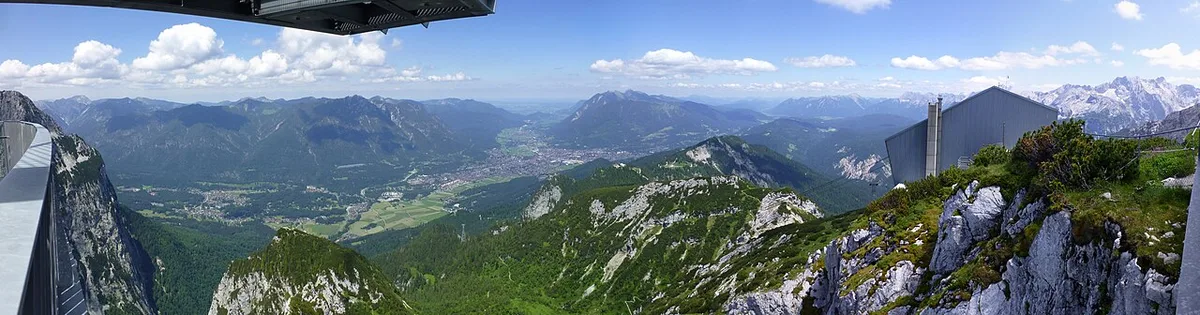
Weather tolerance is the variable people underestimate. Higher, more exposed lifts are likelier to be stopped or clouded in, while lower options can still be pleasant when the top is not. The material available here does not give wind thresholds or altitude cut-offs, and it would be wrong to invent them; the honest approach is to check the operator's live status and webcams on the morning. The town's own tourism site publishes equivalent webcam feeds for a second opinion.
If your trip has three days, sequence rather than stack: put the most weather-sensitive lift on the clearest forecast morning and keep a lower alternative in reserve. A Garmisch-Partenkirchen itinerary built this way tolerates a washed-out day without wasting a summit ticket. The 3 Days in Garmisch-Partenkirchen Itinerary shows how that looks across a short stay.
Ticket Scopes and Combinations: What Each Pass Covers
Three ticket families matter. The Zugspitze ticket covers that mountain's train and cable car options. The Garmisch-Classic ticket covers the three area cable cars. The Wank ticket covers the Wankbahn. Buying a Garmisch-Classic ticket does not get you up the Zugspitze, and a Zugspitze ticket does not include the Garmisch-Classic lifts; the operator treats them as separate products. For wider planning, see Garmisch-Partenkirchen landmark visitor guides.
The operator also advertises combination and multi-day pedestrian products alongside its area tickets, and lists season tickets and annual passes. Which of those is worth it depends on how many lift days you plan, and prices change by season, so the operator's own tickets and rates pages are the place to compare rather than any figure quoted second-hand. Pedestrian multi-day passes in particular only pay off if you intend repeated ascents.
Seasonal Operation and Checking Live Status
The operator's homepage carries an open cable cars and lifts counter that shows how many lifts are currently running in each area, plus a news ticker and webcams. That trio is more useful than any static schedule when conditions shift during the day. Build the habit of looking at it before you commit to a valley station.
Season structure differs by area: the operator notes that summer lift combinations and winter lift combinations in the Garmisch-Classic area are not identical, with the Hausbergbahn appearing only on the winter list. Maintenance and inspection windows also affect individual lifts, and the operator publishes those under opening hours and timetables. Do not assume that a lift running last week is running this week.
Matching the Lift to Your Day
Choose the Zugspitze if a high summit is the goal and you can be flexible about which morning you go. Choose the Garmisch-Classic ticket if you want more than one mountain station and the AlpspiX platform in a single day. Choose Wank for a shorter, gentler outing, and leave the Hausbergbahn out of summer plans entirely.
Before any of that, check the operator's live status and the town tourism site's webcams, then confirm your ticket scope on the operator's rates pages. None of the four lifts is best for every visitor, and the ones that reward planning most are the ones most exposed to the weather. Decide the night before, confirm in the morning, and keep one lower-altitude fallback ready.
Frequently Asked Questions
What is Germany's highest point, and which lift reaches it?
The Zugspitze is Germany's highest mountain and the summit that the Zugspitze area cable car and cogwheel train serve. It is ticketed separately from the Garmisch-Classic and Wank areas, and the operator publishes getting-here guidance for its valley stations and connections. Because summit access depends on wind and visibility, treat the live status page as part of your plan rather than an afterthought.
Where does the Zugspitze cable car start?
The exact valley stations and connecting routes are best confirmed on the operator's own getting here and parking pages, since signage, rail connections and cable car boarding points are operational details that can change. The operator also describes a round trip combining the cogwheel train and the cable car. Use the official guidance rather than a map pin from a third-party site.
Which Garmisch-Partenkirchen lift is best for families?
There is no single answer, because it depends on season and weather. The Garmisch-Classic area is often the practical pick for families because one ticket covers several cable cars and the operator lists a children's area and family-oriented trails there. Wank suits shorter outings, and the Hausbergbahn only operates in winter, so it cannot be part of a summer family plan. Match the choice to your children's stamina and to the day's conditions.
Can I visit several lifts in one day?
It is possible, and the Garmisch-Classic ticket is the most efficient way to do it because it covers three cable cars in one area. Combining the Zugspitze with a second area usually means buying separate tickets, and the time lost to valley transfers matters. If you want breadth, stay within one ticket area; if you want the summit, give the Zugspitze the whole day.


