

Füssen sits between Alpine lakes and the royal castles, and much of what makes it memorable costs nothing at all. The old town, the Lech riverside paths and the shoreline of the Alpsee are public spaces you can walk at your own pace. The trick is knowing where free public ground ends and paid interiors begin, so you do not waste a short day queueing for the wrong thing.
A realistic no-ticket plan starts in the Altstadt and adds the Lechfall walk as its northern anchor. The official tourism site lists the Altstadt, the Lech, the Forggensee and the Faulenbach lakes among the area's defining experiences, and it also flags current roadworks and closures in a news ticker, so it pays to check conditions before you set out. Suggested timings below are planning suggestions rather than official figures, because daylight, weather and seasonal transport all shape how far you get.
Start in the Old Town: Squares, Facades and the Riverfront
Füssen's Altstadt is compact enough to cross on foot in an afternoon, and nothing about wandering it requires a ticket. Pastel facades line narrow lanes around squares such as the Stadtbrunnen and Franziskanerplatz, where fountain statues and painted building fronts do most of the work. The official city site treats the Altstadt as one of the town's headline experiences, grouped alongside the Lech, Forggensee and the Faulenbach lakes.
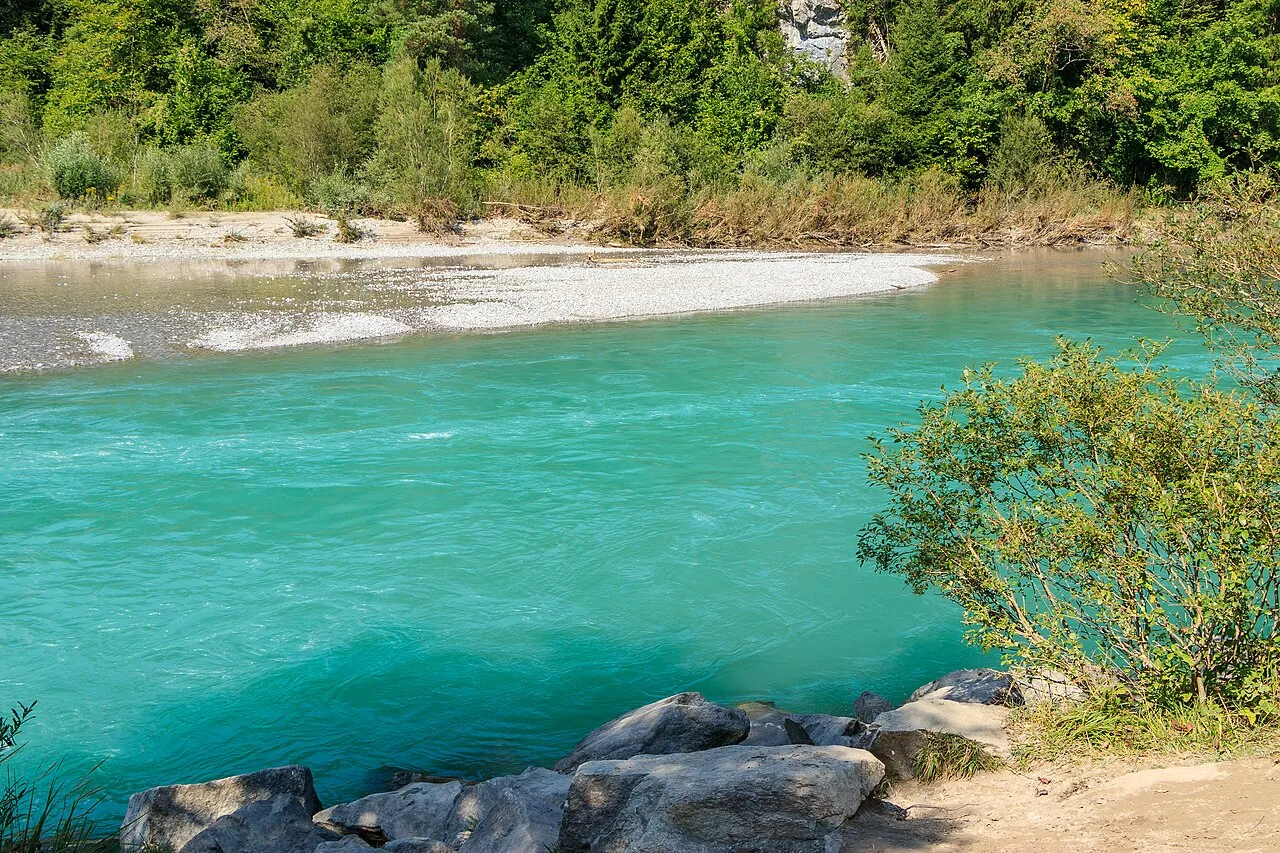
Travel accounts of the old town single out the trompe-l'oeil windows painted onto several facades and the riverside views near Franziskanerplatz, the square that marks the official end of the Romantic Road. Plan the wandering as a loop rather than a checklist, and leave room for the riverbank, where views back towards the town are strongest in late light.
Because the centre is small, a self-guided walk of roughly one to two hours is a sensible suggestion if you want time left for the Lech and the lakes. Cafes and bakeries give you a natural pause without committing to a paid attraction. If you would rather follow a fixed route with commentary, a structured walking tour is the alternative — see the link below.
The Lechfall Walk: A Riverside Loop, Not a Ticketed Attraction
The Lechfall is a weir on the Lech just south of the old town, originally built in the eighteenth century to manage flooding and now a viewpoint in its own right. One travel account describes a bridge across the river for the best views, plus multiple walking paths around the edge of the river. Treat it as a short riverside walk rather than a scheduled attraction — there is no gate and no programme.
The same account notes a bust of King Maximilian II of Bavaria set into the rock wall on the opposite side of the bridge from the waterfall, and recommends following the paths further for wider countryside views. The surrounding greenery and the sound of the water make this the easiest nature fix within walking distance of the town centre. A loop of roughly thirty to forty-five minutes is a reasonable suggestion if you stay near the bridge and the immediate paths.
Conditions matter more than opening times here. River levels, ice and maintenance can change how close you can safely get, and no source establishes that the paths are always open at every hour. Check the local notices on the official tourism site or ask at the tourist information before making it the centrepiece of a winter walk.
Alpsee Shoreline and Hohenschwangau Without a Ticket
The Alpsee sits below the two royal castles near Hohenschwangau, and walking its shoreline costs nothing. One account describes the lake as famous for its swans and ideal for hiking with impressive views, and notes that boats can be rented there. Renting a paddle boat is a separate, paid activity, so decide in advance whether you are walking or rowing.
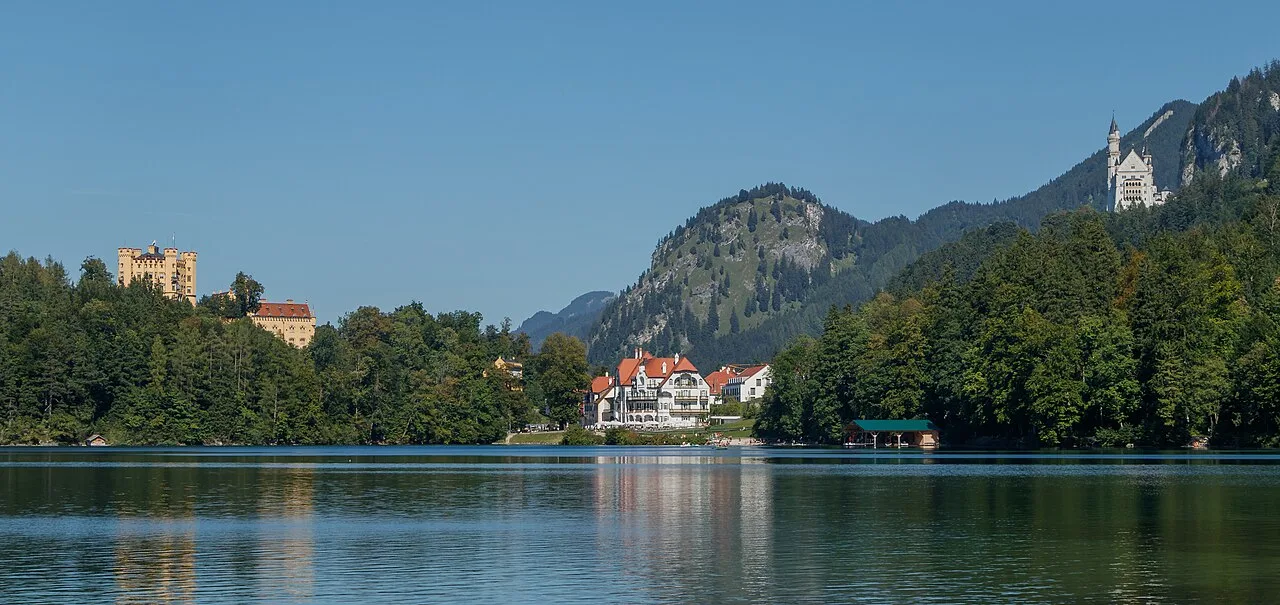
The forecourt area around Hohenschwangau lets you see the castle facades and the wider valley without entering either building. Interior visits to Neuschwanstein and Hohenschwangau are guided and ticketed, and grounds access should not be assumed free, so plan your day around exteriors unless you have booked. If you want interior detail, buy through the official castle administration rather than relying on third-party listings.
Do not assume the Alpsee shoreline is reachable on foot from Füssen in every season. One account describes reaching the lake by driving, and the official city site keeps bus and shuttle information in one place, so check current transport locally rather than setting out on an unverified assumption. Overnight guests should also ask whether a guest card covers local buses, since that can change the economics of the whole day.
Castle-View Paths and the Mary's Bridge Question
Several paths around Hohenschwangau and below Neuschwanstein give you the postcard angle without any ticket. A traveller's account of the castle village warns that it gets chaotic and advises going early for quieter moments on the trails and around the castles. Trail walking here is free; the castles above are not.
Mary's Bridge, known in German as Marienbrücke, is the classic Neuschwanstein viewpoint, and it is also the most condition-dependent element of any castle day. One account recommends checking whether the bridge is open before you visit, notes that it was closed on that trip, and says it often closes in winter. If the bridge is shut, fall back on the paths and forecourt viewpoints lower down instead of waiting for it to reopen.
A closed bridge changes the shape of the day rather than ruining it: you simply spend longer on the lower trails and give the Alpsee more time. Check current notices on site and on the official tourism pages before counting on any specific viewpoint. Construction and roadworks in the area are time-limited — the city site lists closures with start and end dates — so verify rather than assuming a route is clear.
Churches and Public Spaces in the Old Town
The Benedictine monastery complex of St. Mang, with its basilica and former cloister, sits above the old town and is one of Füssen's defining buildings. One account notes that the Museum of Füssen is housed in the former monastery and that the complex includes both the Baroque-style basilica and a Gothic former cloister. The museum itself is ticketed, so do not confuse the public church and courtyard areas with the paid exhibitions inside. Entry arrangements and interior access can vary, and no source establishes that the basilica is freely open every day of the year.
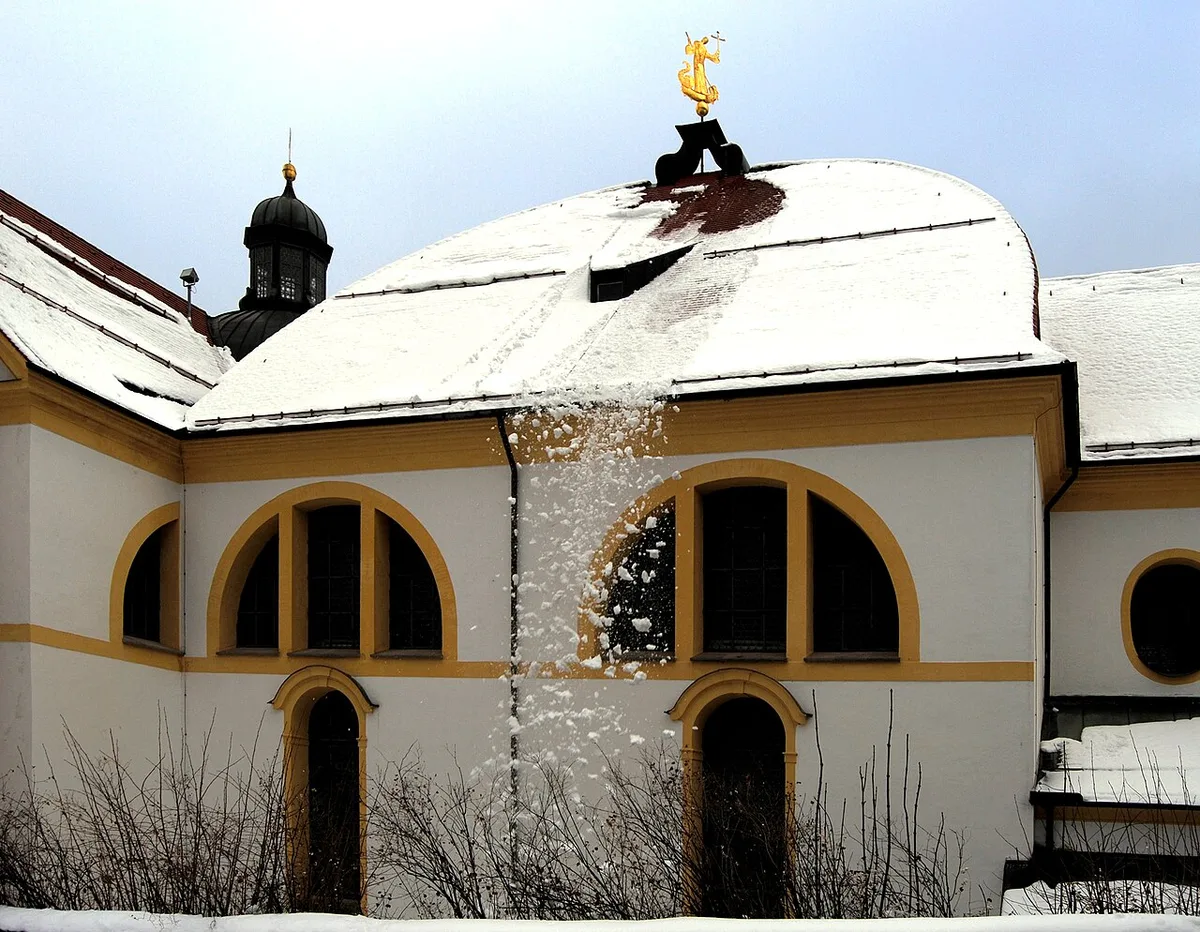
The Franciscan monastery area around Franziskanerplatz is another old town stop that combines public square, architecture and river views; one account notes it is also the official end of the Romantic Road. As with any working religious site, treat interiors as places of worship first: access can change for services, conservation or events, and monastery complexes often mix public and ticketed areas. If a church interior matters to you, check locally on the day rather than planning around a fixed assumption.
Winter, Evenings and Low-Light Routes
The same free routes behave differently once the season turns. Snow, ice and short daylight make the river paths and lakeshore walks less forgiving, and the official city site groups winter walking, snowshoeing and cross-country skiing as their own category with separate guidance. Treat any winter route as shorter than its summer equivalent and start earlier than you think you need to.
Evenings in the old town are about atmosphere rather than attractions: lit facades, quiet squares and the riverbank. The city site describes strolling the romantic lanes under Christmas lighting as part of a winter visit, and runs an events calendar with evening guided walks and seasonal markets at particular dates. Those are organised programmes rather than free-standing sights, so check the calendar for what is actually running during your stay. For an after-dark plan that does not depend on a booking, the illuminated Altstadt lanes are the reliable option.
What Is Not Free in Füssen
The Hohes Schloss above the town houses a branch of the Bavarian State Collections of Paintings, and one account describes interior access there by guided tour. Neither the castle nor the Museum der Stadt Füssen should be treated as free entry. Both are legitimate highlights, but they belong in a budget day, not a no-ticket day. Check current opening arrangements and admission directly with the operators before you go.
Castle interiors at Neuschwanstein and Hohenschwangau require tickets, and guided tours are the standard way in. Boat trips on the Forggensee, the Tegelberg luge, spa and thermal bath visits, and shows at the Festspielhaus Neuschwanstein are all paid experiences as well. One older trip report quotes a luge figure, but that number is not current, so look up today's prices with the operators instead of budgeting from old blog posts.
A Sensible Order for One Free Day
Begin in the Altstadt while it is quiet, then walk south to the Lechfall for the river loop before the light gets harsh. Move on towards Hohenschwangau and the Alpsee for the afternoon, using shoreline paths and forecourt views as your free castle-watching positions. This order front-loads the town while it is calm and saves the landscape for the best light.
If daylight or weather runs short, cut the Alpsee shoreline first and keep the Lechfall, because it is the closest of the three to the centre. If you have more time, spread the same ingredients across a longer stay rather than racing them in one afternoon. Comparing free days in other German cities is a useful sanity check on how far your budget can stretch.
Plan Your Free Day in Füssen
Füssen's best free experiences are ordinary public places used well: the old town lanes, the Lechfall bridge, the Alpsee shore and the paths below the castles. None of them needs a ticket, but all of them depend on weather, daylight and seasonal transport, so check current notices before you commit. Everything else — interiors, rides, shows and spa visits — belongs in a separate, paid plan.
Build the day around walking, keep one paid attraction as an optional extra, and verify anything time-sensitive on the official tourism site the morning you set out. That way a closed bridge or a changed path costs you a detour rather than the whole day.
Frequently Asked Questions
What can you do in Füssen for free?
Walking the Altstadt, following the Lech paths to the Lechfall bridge, strolling the Alpsee shoreline and using the castle-view trails below Neuschwanstein and Hohenschwangau all cost nothing. These are public outdoor spaces rather than ticketed attractions, so they depend on weather and daylight rather than a schedule. Paid options such as castle interiors, boat trips, luge rides, spa visits and theatre shows sit in a separate budget.
Is the Lechfall walk free, and how long does it take?
The Lechfall is a riverside viewpoint with a bridge and paths, and there is no admission charge to walk there. As a planning suggestion rather than an official figure, allow roughly half an hour to forty-five minutes for the immediate loop, more if you continue along the river. Paths can be affected by water levels, ice and maintenance, so check local notices before relying on it in winter.
Can you see the castles near Füssen without buying a ticket?
You can see the exteriors of Neuschwanstein and Hohenschwangau from public paths, the village area and the Alpsee shoreline without a ticket. Interiors are guided and ticketed, and grounds access should not be assumed free. Mary's Bridge is the classic viewpoint but closes for weather and maintenance, so treat it as a bonus and keep lower trails as your fallback.
Is Füssen old town free to walk around?
Yes. The Altstadt is a public neighbourhood of lanes, squares and fountains, including the Stadtbrunnen and Franziskanerplatz, and nothing about walking it requires a ticket. Individual buildings such as the Hohes Schloss and the Museum der Stadt Füssen charge for entry, so plan the paid stops separately from the stroll.
Are St. Mang and the Franciscan monastery free to enter?
The St. Mang monastery complex and the Franciscan area are old town landmarks, but interior access is not guaranteed and should not be assumed free year-round. The Museum der Stadt Füssen occupies part of the former monastery and is ticketed. As working religious sites, access can change for services and conservation, so check locally on the day.
Is there anything free to do in Füssen in winter or in the evening?
In winter the same walking routes still exist but run shorter and need more caution because of ice and early darkness; the official city site groups winter walking, snowshoeing and cross-country skiing separately. In the evening, the illuminated Altstadt lanes and riverbank are the dependable free option. Seasonal markets and guided evening walks are organised programmes, so check the events calendar for what is actually running.


