

The Käppele is not a museum on a hill; it is the Wallfahrtskirche Mariä Heimsuchung, a working pilgrimage church above Würzburg on the Nikolausberg. That distinction matters now, because the operator states that from 21 September 2026 the Wallfahrtskirche, the Gnadenkapelle and the Mirakelgang are closed for interior renovation. Anyone planning a visit in late 2026 or the years after should treat that single access fact as the starting point, not a footnote.
If you are in Würzburg before that date, the uphill walk still delivers the church, its votive corridor and the quiet that comes with a place people actually pray in. If you arrive after it, the calculation changes: the climb, the Stationsweg chapels and the outdoor setting remain, while the Rococo interior does not. The pages in this Würzburg: Landmark Visitor Guides collection cover the city's other major sights so you can rebalance a day around whatever the Käppele can still offer.
Answer First: What the 21 September 2026 Closure Changes
The Käppele's own site lists its opening times as a seasonal pattern rather than a fixed daily schedule: in winter, Sundays and public holidays run 08.30 to 16.30 and Monday to Saturday 08.30 to 16.00, while in summer the church opens Sunday to Saturday from 08.30 to 18.00. Treat those as the operator's published pattern, not a guarantee for the day you arrive. Services, weddings and renovation work can interrupt access, so check the site again in the week you travel.
The closure notice is unusually specific about scope, and that precision is useful when you plan. The operator names three elements as shut from 21 September 2026: the Wallfahrtskirche itself, the Gnadenkapelle and the Mirakelgang. The city's own Käppele page states plainly that the site is not accessible from September until around the end of 2028, an approximate horizon rather than a confirmed reopening day.
Because the end date is described as approximately the end of 2028, no responsible guide can promise you an interior visit in 2029 or tell you tickets will be available again on a named day. Use the city's tourism pages for the latest visitor-facing status and the operator's news section for construction updates. If an interior visit is the point of your trip, plan around uncertainty rather than against it.
Where the Käppele Sits and Why It Feels Different
The church stands on the Nikolausberg above the city, built to plans by Balthasar Neumann between 1747 and 1750 onto an existing Gnadenkapelle. That sequence explains the layout: a small grace chapel came first, and the larger pilgrimage church grew around devotion rather than the other way round. Approaching from below, you meet the shrine as pilgrims did, on foot and by stages.
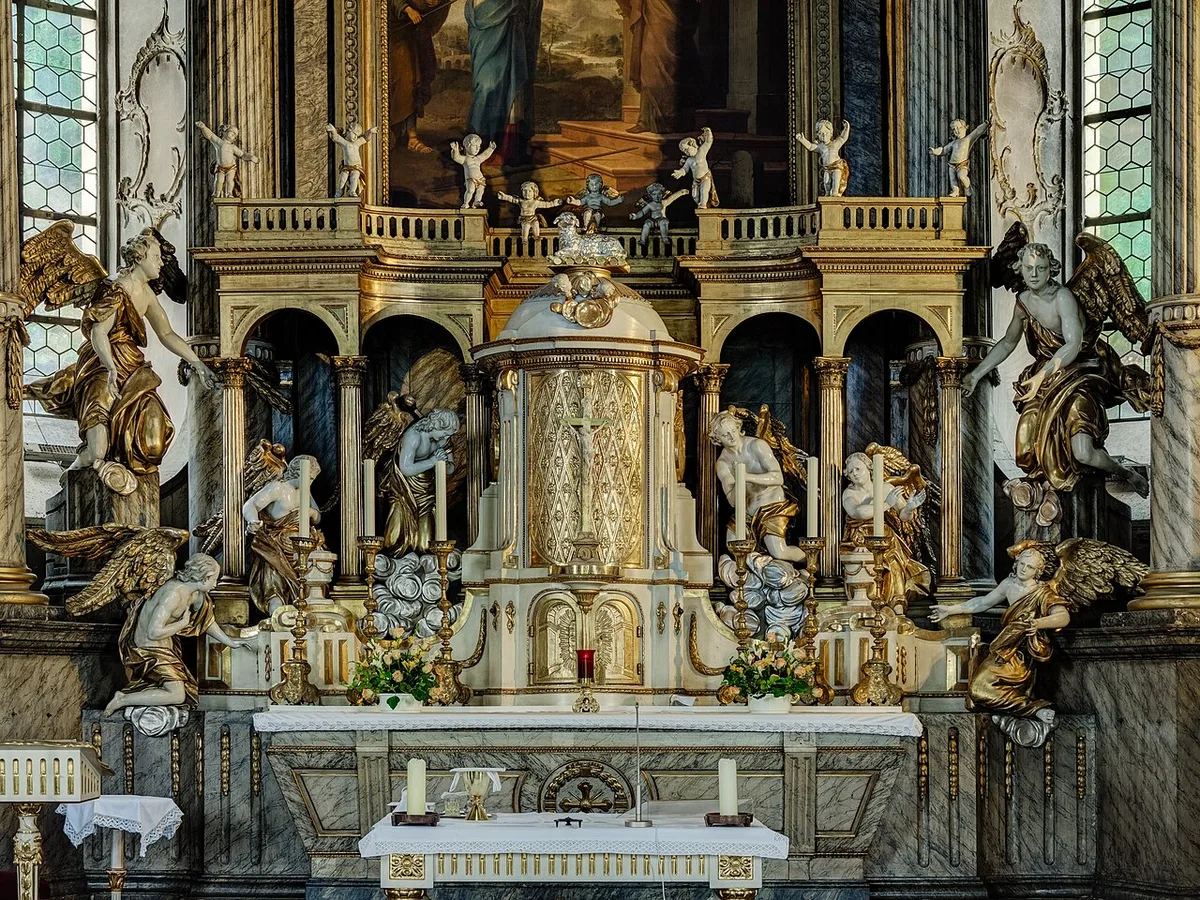
Würzburg's tourism department describes the Käppele as a place pilgrims have visited for centuries, especially in the week of Pentecost, which is why the atmosphere differs from a conventional sightseeing stop. The operator's welcome text invites visitors whether they come as pilgrims, as tourists, to admire the building, to marry, or simply to sit in silence. That framing is a useful cue: lower your voice, expect people mid-prayer, and do not treat the nave as a photo studio.
The Maria-Schmerz-Bruderschaft has been tied to the church since its founding in 1754, a lay association that still supports the site and its renovation. Encountering that kind of continuous local commitment changes how the building reads: it is maintained by a community, not curated for an audience. If you want context before climbing, the city's attraction listing is the cleaner primer than any photo-sharing gallery.
Inside the Käppele: Rococo, the Gnadenkapelle, and the Mirakelgang
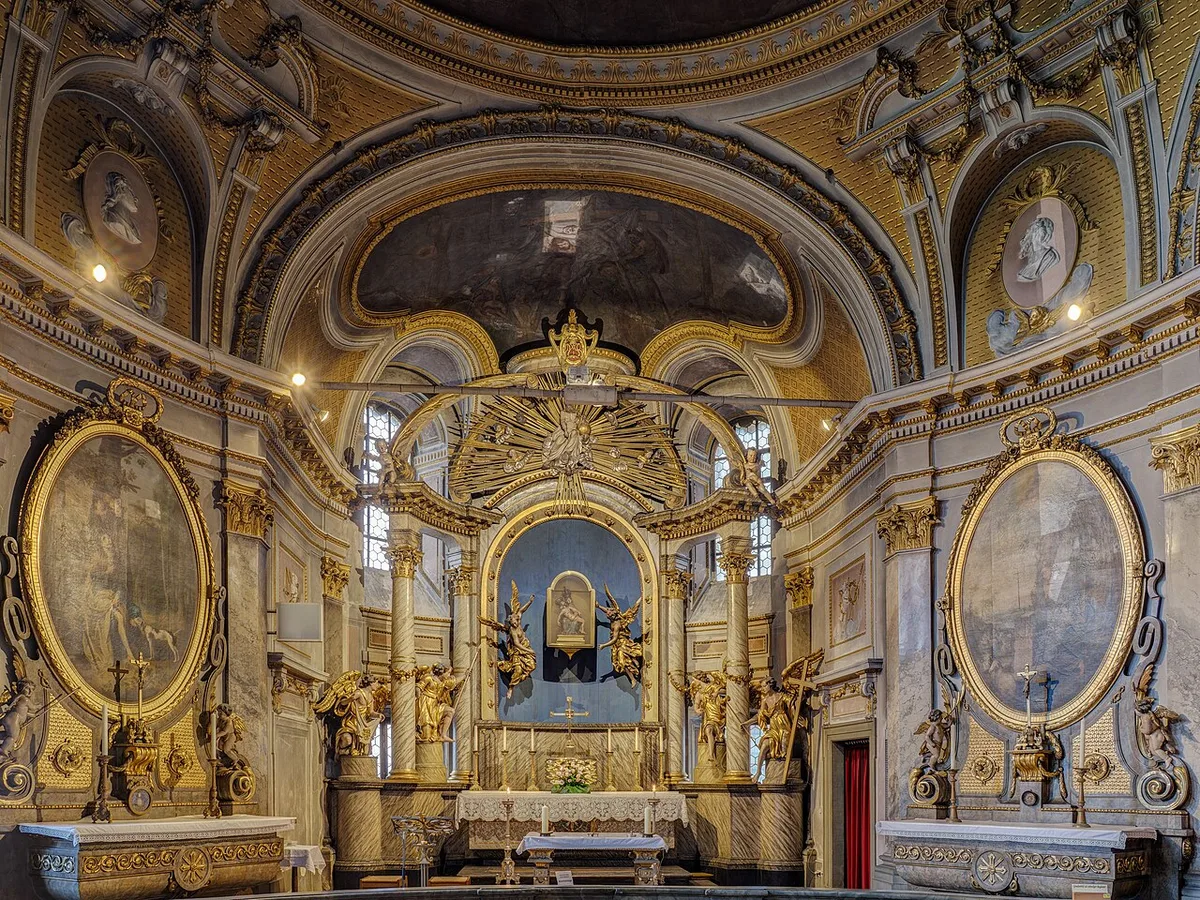
The interior is the reason many visitors climb, and it is also the part that closes from 21 September 2026. The Gnadenkapelle holds the Pieta, described by the city as an image credited with miracles and apparitions as early as 1650, drawing believers from across the region. When the church is open, this is the devotional heart of the building rather than a side chapel.
The Mirakelgang is a passage lined with votive offerings, which the city describes as evidence of Würzburg popular piety in the nineteenth and twentieth centuries. Reading them as a record of answered prayers rather than as decoration is the difference between a five-minute walk-through and a genuinely absorbing one. Because the operator includes the Mirakelgang in the closure, this experience disappears along with the church interior after September 2026.
Rococo detail rewards slow looking here: altars, plasterwork and painted surfaces built for a pilgrimage church rather than a princely residence. Since renovation work is precisely what removes that interior from view, an exterior-only visit after September 2026 should be understood as a different outing, not a compromised version of the same one. Decide which of the two you are actually taking before you start walking.
The Stationsweg: 14 Chapels and the Climb
The pedestrian approach is a Stationsweg with 14 chapels, laid out on an idea also attributed to Balthasar Neumann, with life-size figure groups by Peter Wagner. Walking it turns the ascent into a sequence of stops rather than a single slog, which suits anyone who wants to break up a climb. You do not need to be a pilgrim to appreciate the staging, but you do need to accept that this is a devotional route.
Think about the climb in terms of fitness and shoes rather than minutes, because published walking times and distances from the centre are not something this guide can confirm. The path is uphill, and the practical question is whether you want to arrive at a closed interior out of breath or plan the hill for a day when the church is open. If the fortress is also on your list, read the Marienberg Fortress visitor guide before committing to two ascents in one day.
Accessibility is the one thing you should not assume. Neither the operator nor the city page reviewed here guarantees step-free access to the path or into the church interior, and a renovation period is the wrong moment to expect temporary provisions. If mobility is a deciding factor, contact the parish office listed on the operator site before your visit instead of relying on a general claim.
Opening Hours as a Seasonal Pattern, Not a Promise
The operator publishes two seasonal bands: winter Sundays and public holidays 08.30 to 16.30 and winter Monday to Saturday 08.30 to 16.00, with summer opening Sunday to Saturday 08.30 to 18.00. These are the only hours stated on the site, and they should be read as a pattern the church follows when nothing else intervenes. Do not build a tight itinerary around arriving five minutes before a stated closing time.
The obvious reason to verify rather than assume is the renovation: the church, Gnadenkapelle and Mirakelgang were closed from 21 September 2026, so seasonal hours no longer apply to the interior. Before you travel, compare the operator's notice with the city's visitor information and the Würzburg tourism site. Two minutes of checking is cheaper than an uphill walk to a locked door.
What the Renovation Actually Shuts Down
Read the closure list literally: Wallfahrtskirche, Gnadenkapelle and Mirakelgang. Those are the three named elements the operator says are closed from 21 September 2026 for the duration of the interior renovation. Anything outside that list, including the outdoor Stationsweg chapels and the hilltop setting, is a separate question that the closure notice does not resolve.
The city's page adds the visitor-facing consequence in plain terms: the Käppele is not accessible from September until around the end of 2028. That is the municipal statement, and it is deliberately approximate, so treat late 2028 as a horizon to re-check rather than a reopening date to book around. If you are organising a group visit, build in a fallback and confirm status closer to the date.
The renovation is being supported by local backers, and the operator has published updates about the start of interior work. That is a sign of a project with momentum rather than an indefinite shutdown, but it is not proof of progress on any given month. For planning purposes, follow the operator's news items rather than assuming that the work runs to a public schedule.
Who Should Still Climb After the Closure Begins
If you visited before 21 September 2026, the case for going up was straightforward: you could still see the Rococo interior, the Gnadenkapelle and the votive corridor as the operator describes them. Go for the devotional content rather than for a checklist tick, and time your visit to avoid services if you want to look around quietly. Going up on a whim late in the day risks arriving with the church closing.
After that date, the honest answer is that the interior visit is off the table and the decision becomes whether the hill, the Stationsweg and the outdoor pilgrimage setting still interest you. For walkers and photographers the climb can justify itself; for anyone whose interest was specifically the Gnadenkapelle or the Mirakelgang, postponing is the sensible call. A hilltop church with a fenced interior is a different attraction from the one you read about.
Pairing the Käppele With the Fortress or the River
The two uphill landmarks on either side of the river are often mentioned together, but you should not assume the Festung Marienberg and the Käppele share an admission arrangement. Nothing reviewed here says they do, and the Käppele has no published entrance charge at all. Check each site's own visitor information separately before you plan a combined ticket.
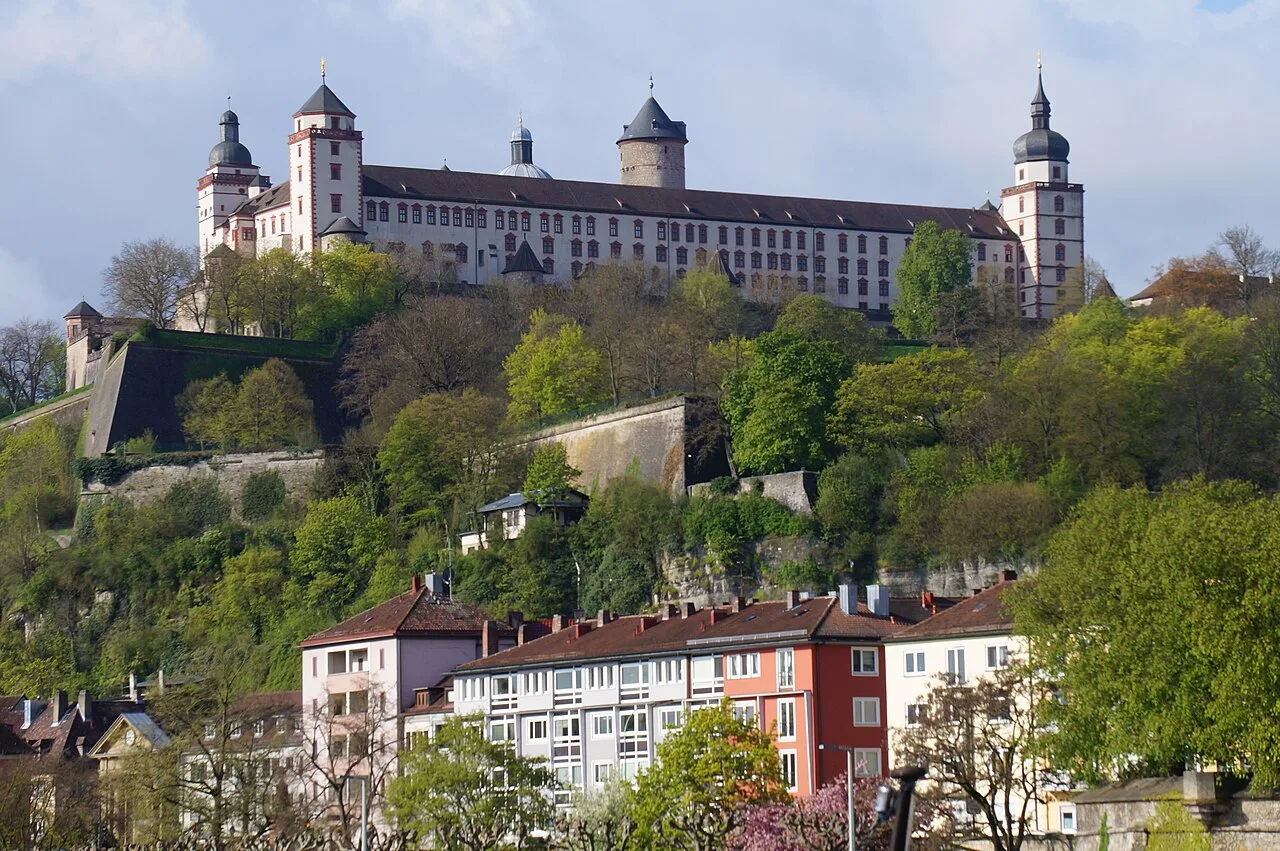
Sequencing is a matter of stamina and light rather than a fixed route. Many visitors work the day around the river and the old bridge, then take on one climb while they still have energy, saving the second for another day. The Alte Mainbrücke visitor guide covers the riverside end of that plan if you want to build a low-effort afternoon around the water.
If your priority is the view rather than the church, compare the options before choosing which hill to climb; the city's Best Viewpoints in Würzburg round-up sets the Käppele and the fortress among other elevated spots. The main trade-off during the renovation is simple: you can still walk up for the panorama, but you cannot go in for the Rococo. Decide which half of that sentence you came for.
Services, Pilgrimage Events and Getting the Atmosphere Right
The Käppele stays alive because Masses, weddings and pilgrimage celebrations still happen there, and the operator publishes its upcoming dates on the site. Read the schedule as a visitor courtesy: attending a service is welcome, treating one as background noise is not. If you want the building to yourself, a service day is the wrong day to choose.
Weddings are a normal part of the church's life, which means occasional short closures or restricted access even outside the renovation period. The operator also runs music at the church and lists a lay brotherhood open to supporters, both signs of a parish that expects regular attendance. Plan your visit with the possibility of a ceremony in mind and be ready to come back later.
For a fuller sense of what the city offers beyond its headline sights, look at Hidden gems in Würzburg and the wider Würzburg: Itineraries and City Travel Guides collection, which help slot a hilltop pilgrimage church into a broader day. Neither replaces the operator's own status updates during the renovation.
Suggested Duration and Practical Notes
As a suggestion rather than official guidance, allow between one and two hours at the Käppele: the church interior, chapel and votive corridor reward unhurried attention, and the uphill approach adds time you should not compress. If you are climbing purely for the setting during the closure period, a shorter stop of roughly forty-five minutes to an hour is a reasonable working assumption. These are our estimates, not the operator's figures.
Bring water, plan for changing weather on an exposed hill, and check the operator's site on the day for any service or construction notice. There is no published entrance fee to test against a budget, so treat the visit as a time commitment rather than a cost. If you want a wider plan for the city, the Würzburg landmarks and itinerary pages linked above are the place to start.
Plan Around the Closure, Not Against It
The Käppele is worth the climb when its interior is open, and the deciding date is 21 September 2026, when the Wallfahrtskirche, Gnadenkapelle and Mirakelgang closed for interior renovation. The city's approximate horizon of the end of 2028 means anyone planning a later trip should verify status rather than assume a reopening. Confirm the current situation on the operator's site and the city tourism pages before you set out.
If your visit falls after the closure began, decide in advance whether you are going up for the walk, the votive tradition from outside, or the view, and build the rest of the day around the old bridge or the fortress accordingly. Our Würzburg city itineraries and viewpoints round-ups make that rebalancing easier. Either way, treat the Käppele as a living pilgrimage site, not a box to tick.
Frequently Asked Questions
Can you still visit the Käppele during the interior renovation?
The operator states that the Wallfahrtskirche, Gnadenkapelle and Mirakelgang are closed from 21 September 2026 for the duration of the interior renovation, and the city's page describes the Käppele as not accessible from September until around the end of 2028. The closure notice covers those named interior elements. Whether any outdoor area remains walkable is not something the reviewed pages confirm, so check the operator's site and the city tourism pages before travelling.
What are the Käppele opening hours in summer and winter?
The operator publishes a seasonal pattern. In winter, Sundays and public holidays are 08.30 to 16.30 and Monday to Saturday 08.30 to 16.00; in summer the church opens Sunday to Saturday from 08.30 to 18.00. These are the stated hours for the church when nothing else interrupts, and they stopped applying to the interior once the renovation closure began on 21 September 2026.
Is the climb to the Käppele worth it if the church is closed?
It depends on what you came for. The Rococo interior, the Gnadenkapelle with its Pieta and the Mirakelgang votive corridor are the elements the operator lists as closed, so anyone drawn specifically to those should postpone. The uphill approach through the 14 Stationsweg chapels and the hilltop setting are separate from that closure list, which is why walkers may still find the climb worthwhile.
What is the Stationsweg and how many chapels does it have?
The Stationsweg is the pedestrian approach to the Käppele, laid out with 14 chapels on an idea attributed to Balthasar Neumann and featuring life-size figure groups by Peter Wagner. Walking it turns the ascent into a series of devotional stops rather than a single climb. It is an outdoor route, so it sits outside the interior closure list the operator published for the renovation.
Where is the Mirakelgang and what is displayed there?
The Mirakelgang is the passage inside the Käppele where votive offerings are displayed, which the city describes as testimony to Würzburg popular piety in the nineteenth and twentieth centuries. It is one of the three elements the operator names as closed from 21 September 2026 for interior renovation, so it cannot be seen during the works. Treat it as a devotional archive rather than a decorative gallery.
Can you combine the Käppele with Festung Marienberg in one day?
Physically both involve uphill walking, so the realistic constraint is stamina and time rather than geography. Nothing in the reviewed sources indicates that the fortress and the Käppele share an admission arrangement, and the Käppele has no published entrance charge, so check each site's own visitor information separately. During the renovation, weigh whether a second climb is worth it when the Käppele interior is closed.


