

The Drachenfels is the cone-shaped hill that rises directly above Königswinter, south of Bonn, and its plateau is the classic viewpoint over the Rhine valley and the Siebengebirge. The lift up is itself the attraction: a cog railway that has connected the old town with the summit area since 1883. Its operator calls it the oldest cog railway in Germany, carries passengers along a 1520-metre route and reaches a height of 289 metres. Treat the ride and the view as two separate parts of the trip, because each has its own timing and ticket.
For anyone based in Bonn, the Drachenfels works as a half-day or full-day excursion into the Rhine region rather than a city sight. The operator publishes the current timetable, fares and access notes, and those values change, so check them on the official site before you set out instead of relying on older figures. The walkable plateau and the surrounding trails are free to reach on foot, while the railway and the castle interiors are separately ticketed.
What the Drachenfels Is and Where the Summit Sits
The Drachenfels is one of roughly forty volcanic peaks in the Siebengebirge, a compact low mountain range on the right bank of the Rhine. The operator notes that the range has been a protected area since 1922 and ranks among Germany's oldest nature reserves, which shapes how you move through it: stay on marked paths and respect local rules rather than cutting across slopes. The summit area sits above Königswinter, and from the plateau you look across the river toward the plains and down onto the town.
Route platforms that catalogue the Siebengebirge trails confirm that the viewpoints here fall inside the Naturpark Siebengebirge protected area and advise checking local regulations before setting out. That matters most in spring and autumn, when trails are busy and the ground can be slippery after rain. Plan the Drachenfels as a landscape visit first and a built attraction second.
The Drachenfelsbahn: Germany's Oldest Cog Railway
The Drachenfelsbahn runs from a valley station in Königswinter's old town up to the plateau, covering a route of 1520 metres and climbing to 289 metres of elevation. The operator states that it has carried more than 40 million passengers and that the line switched from steam to electric railcars in 1953. Those heritage details come from the operator, so treat them as the authoritative version of the railway's history.
What many visitors miss is that the railway is a corridor with several stops rather than a single express ride to the top. The operator describes the steel spine as linking the valley station with the Nibelungenhalle, Schloss Drachenburg, the Burghof and the Drachenfels plateau, where a restaurant and event venue sit. That means you can ride part of the way, get out at the castle, and continue upward later instead of committing to one uninterrupted ascent.
For arrival, the operator asks drivers not to rely on navigation devices because of construction sites and diversions in Königswinter, and to follow the town's signposting instead. It also publishes a dedicated accessibility page, which is the right place to check step heights, boarding help and carriage access before promising anyone an easy ride. Do not assume the railway, the plateau or the castle interior is fully step-free without checking those pages first.
Cog Railway or on Foot: How to Choose
The railway makes sense if you want the historic ride itself, are travelling with children or slower walkers, or want to save your legs for the castle and the plateau paths. Walking up suits anyone who wants the forest and vineyard slopes at their own pace and does not mind gaining the height under their own power. There is no rule that forces a single choice: riding up and walking down, or the reverse, gives you both experiences without doubling the effort.
Mobility is the deciding factor more often than fitness. If anyone in your group uses a wheelchair or has trouble with steps, check the operator's accessibility information and the castle's own visitor pages before booking, because the two sites are run separately and their arrangements may differ. The railway operator publishes a specific accessibility page, which is the only reliable place to confirm what is possible on a given day.
Budget is the other trade-off, but it belongs to the official site rather than to a guide. Fares for the railway and admission to Schloss Drachenburg are published and updated by their operators, and payment rules at ticket machines can change with technical problems. The operator's site has in the past flagged temporary card-payment limits at particular machines, so check the operator's ticket pages close to your travel date and carry a payment backup instead of counting on one method.
What You See from the Plateau
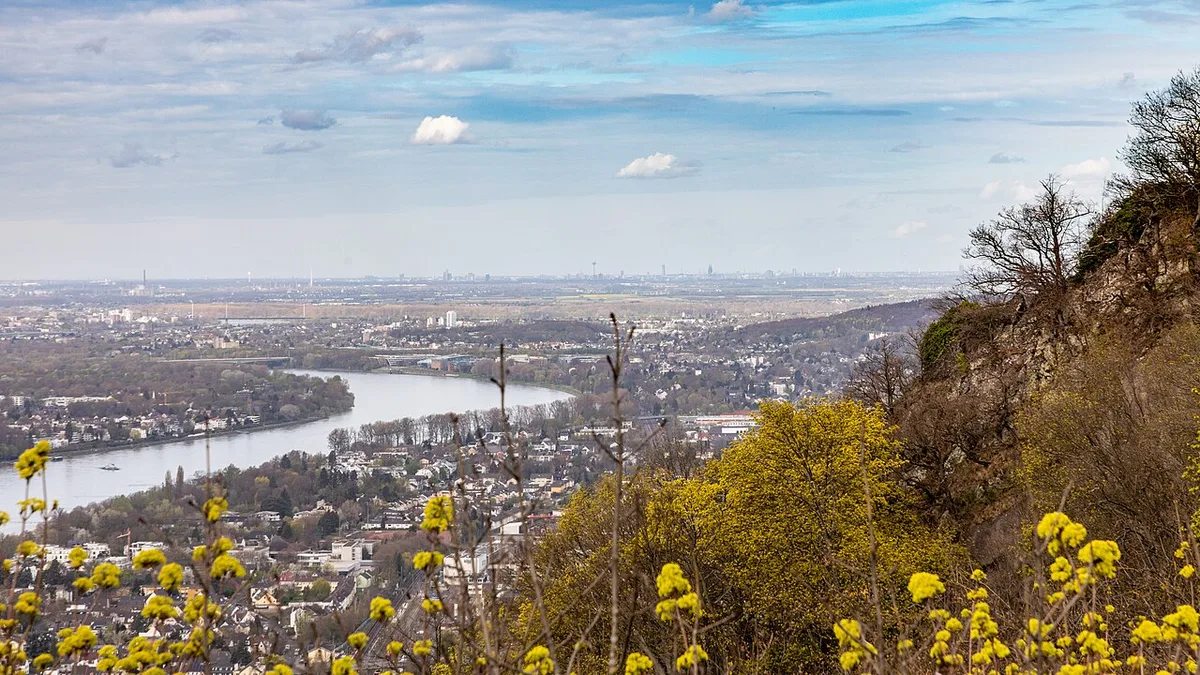
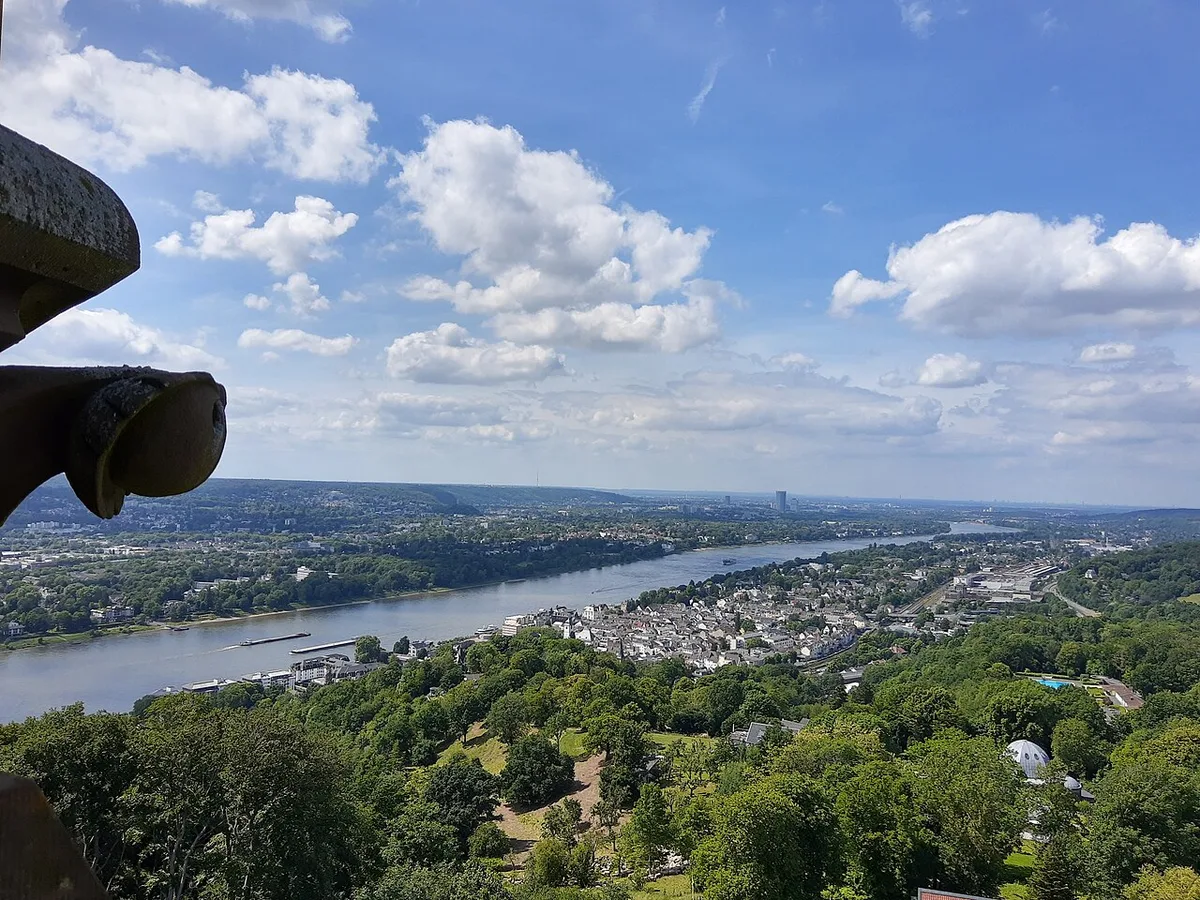
The plateau view is the reason the hill is famous: a broad sweep over the Rhine valley with the Siebengebirge ridges on either side and the river bending through the plain below. The operator describes the outlook as reaching across the romantic Rhine valley, with Bad Honnef visible along the river, and notes that clear autumn air extends the view furthest. Spring brings broom flowering on the slopes, which changes the colour of the hillsides more than the panorama itself.
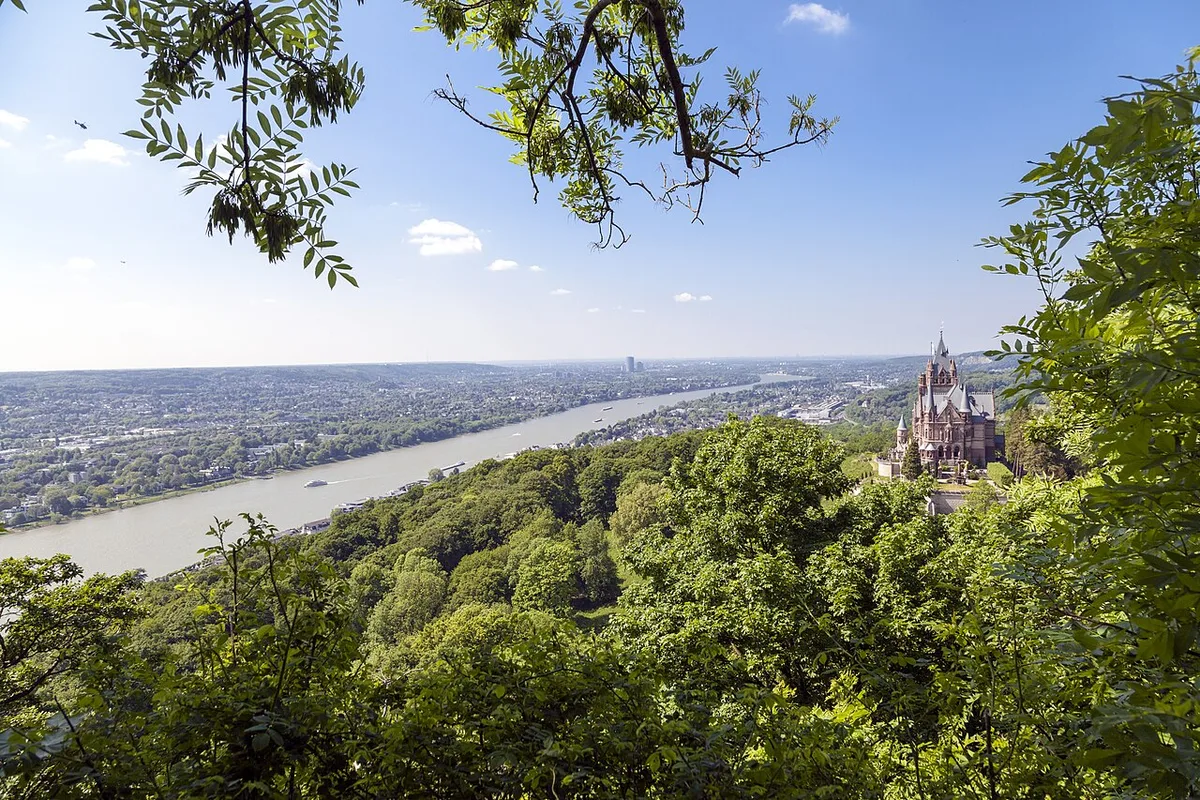
From a neighbouring summit on the Petersberg ridge, hikers describe a view that takes in the Drachenfels, Schloss Drachenburg and the Rhine together, which helps you understand the geography before you climb. That angle shows the castle sitting on its own terrace below the summit rather than at the top, one of the most common misreadings of the site. If you want to see the Drachenfels as a silhouette rather than stand on it, the Petersberg side is the place to do that.
Weather decides how much of the panorama you actually get. The operator frames spring and autumn as the most rewarding seasons, with clear air in autumn spreading the view far beyond the valley, but haze, rain and low cloud can flatten the outlook entirely. Build in flexibility: if the morning is grey, consider the castle first and ride up when the sky clears, rather than treating the plateau as a fixed slot.
Walking Onward from the Plateau
Trails leave the plateau in several directions, and the operator names the Burgruine, the Nachtigallental valley and routes onward toward Bad Honnef and Ittenbach as options. These are waymarked paths through protected terrain, so proper footwear matters more than distance on paper suggests. Treat the plateau as a trailhead rather than the end of the trip if you have the time and energy.
The Burgruine, the ruined castle keep on the summit itself, is the short extension most visitors take from the plateau. The Nachtigallental leads down through a wooded valley and gives you a different descent than the one you climbed. Both sit inside the protected area, so follow signage, avoid unofficial shortcuts and take litter out with you.
If you want a longer day in the hills, route platforms list waymarked loops in the Siebengebirge that connect Königswinter with viewpoints such as the Stenzelberg rock formations and the ridge above Oberdollendorf. These are suggestions for confident walkers rather than required itineraries, and the difficulty ratings assume good fitness and sure-footedness. Pick a loop that matches your group and check the route before you leave, since mobile coverage on the slopes should not be your only navigation.
Pairing the Ascent with Schloss Drachenburg and the Nibelungenhalle
The railway's middle stops are what turn a simple summit trip into a full outing. The Nibelungenhalle and Schloss Drachenburg sit below the top, and the operator describes the line as linking them with the Burghof and the plateau, so you can break the journey at each. Schloss Drachenburg is a separately run, separately ticketed site with its own opening arrangements, so do not assume a railway ticket covers entry to the castle.
For a half-day, choose one priority: either ride up and enjoy the plateau with a walk to the Burgruine, or stop at the castle and skip the summit trails. For a full day, sequence the ascent in stages, with the Nibelungenhalle and castle on the way up and a leisurely descent on foot through the Nachtigallental. The operator explicitly frames the Drachenfels as something you can experience in a morning or stretch into a whole day with a castle tour and a meal at the plateau, which is a useful frame when planning.
If the castle is your main reason for coming, treat the summit as the secondary stop and read a dedicated guide before you go, because ticketing, tours and opening times there are separate from the railway's. The castle also anchors its own day trip from Bonn, which can work as a standalone outing if the weather rules out the plateau.
Practical Decisions Before You Travel
Start with the operator's site for the timetable, fares and any current notices: these are the values that change most and that no guide can safely reproduce. The Drachenfelsbahn site has published operational notices in the past, including temporary payment limitations at particular ticket machines, so read the news and FAQ sections rather than assuming a machine will accept your usual payment method. Plan a backup method of payment and a backup time slot.
For the town side of the trip, Königswinter's municipal site gathers visitor information, connections and local notices that help you build the approach around the hill rather than through it. It also lists the Drachenfelsbahn among its tourism and excursion pages, confirming the railway's role as the town's signature attraction. Use the city pages for orientation and the operator pages for anything with a price or a time attached.
If a Drachenfels day leaves you wanting more Rhine valley, pair it with a broader excursion plan rather than stacking a second hill into the same afternoon. A separate day-trip roundup helps you weigh river towns, boat connections and other excursion targets against the time you have. For city-based sightseeing on the Bonn side, compare the wider viewpoint options before committing a clear day to the Drachenfels.
Seasonal Atmosphere and Honest Limits
The operator highlights spring broom blossom on the hillsides and clearer autumn air across the Rhine valley as the two most atmospheric windows, and the crowds follow that pattern. Summer weekends and public holidays bring the longest queues at the valley station, so arriving early is a practical hedge. Winter visits can be rewarding for the view but come with the shortest daylight and the highest chance of a grey panorama.
What this guide deliberately cannot give you are current fares, operating hours, timetable times, closure dates, castle tour times or walking times from the town to the summit, because those are volatile and belong to the operators. It also cannot promise step-free access anywhere on the route. The reliable method is simple: check the railway and castle sites for the day you plan to travel, then build the rest of the plan around confirmed information.
Plan Your Drachenfels Visit
The Drachenfels rewards a simple plan: decide whether you are riding, walking or doing both, choose your priority between the plateau and the castle, and leave room for the weather to change your order. Riders should verify times, fares and payment methods on the operator's site first, and walkers should treat the trails as protected countryside rather than a formal attraction.
For the wider context, treat the Drachenfels as the anchor of a Rhine valley day and let the city guides handle everything around it. Compare other Bonn excursions and viewpoints before locking your itinerary, then confirm the volatile details directly with the sites that run them.
Frequently Asked Questions
Can you walk up the Drachenfels instead of taking the cog railway?
Yes. The cog railway and the walking trails both lead to the plateau, and many visitors combine them by riding in one direction and walking the other. The trails cross protected countryside in the Siebengebirge, so stay on marked paths and wear shoes with grip. The walk gains real height, and walking times are not something to take from a guide: judge the effort from the route profile and your group's fitness, and check the operator's site for the railway option if the weather turns.
What can you see from the Drachenfels plateau?
The plateau opens onto a wide view over the Rhine valley, the ridges of the Siebengebirge and the river towns below, with Bad Honnef visible along the water on a clear day. The operator notes that autumn air tends to carry the view furthest and that spring brings broom blossom on the slopes. Haze and low cloud can hide the panorama entirely, so keep the plateau flexible in your schedule rather than fixing it to a single time.
Is Schloss Drachenburg included with the Drachenfelsbahn ticket?
No. The railway and the castle are separate operations with separate ticketing, even though the railway stops near the castle on its way up. Schloss Drachenburg publishes its own admission and opening information, and the railway publishes its own fares and timetable. Check both sites for your travel date instead of assuming one ticket covers the other, and plan the castle as its own stop in the sequence.
How long should you allow for a Drachenfels and Drachenburg Castle visit?
As a suggestion rather than official guidance, a morning or half-day suits either the plateau alone or the castle alone, while a full day lets you add the Nibelungenhalle, a castle stop and a walk back down through the valleys. The operator itself describes the Drachenfels as something you can experience in a morning or extend into a whole day. Build in slack for queues at the valley station and for weather that changes your plan.
Where do you board the Drachenfelsbahn?
The valley station sits in Königswinter's old town, and the line climbs from there through stops including the Nibelungenhalle, Schloss Drachenburg and the Burghof before reaching the plateau. The operator warns that navigation devices can misdirect drivers around Königswinter because of construction and diversions, and advises following local signposting instead. Check the operator's arrival page before you travel and allow extra time for finding parking or the station.
Is the Drachenfels worth visiting from Bonn?
It is one of the most distinctive excursions in the wider Rhine region around Bonn, combining a historic railway, a famous viewpoint, castle grounds and protected hill trails in one compact area. Whether it is worth it for you depends on how much of the day you want to give to the outdoors and whether the weather is cooperating. Treat it as a regional day out rather than a city sight, and check connections and current conditions before committing.


