

Drachenburg Castle stands above Königswinter on the eastern bank of the Rhine, and the operator dates the building to 1882-1884 and presents it as an icon of Rhine romanticism within the Siebengebirge landscape. The excursion from Bonn works because the castle, the landscaped park and the viewpoints above are stacked on one hillside rather than spread across a city.
Two separate products shape the day. The castle and park are one visit; the Drachenfelsbahn cog railway is a second, separately ticketed service running from the valley station in Königswinter up to the Nibelungenhalle, Drachenburg Castle, the castle courtyard and the Drachenfels plateau, where the restaurant and event location sit. Treat the railway as the uphill link rather than as part of castle admission.
Start by checking whether the castle is open on your chosen date. The operator publishes its own opening windows and notes that they vary by season and include holiday closures, so the castle's calendar comes before transport and meal planning. Once the date is confirmed, the rest of the day falls into place.
Why Drachenburg Castle Works as a Day Trip from Bonn
Drachenburg is a short excursion from Bonn rather than a long journey, which is what makes it suitable for a spontaneous half day or a relaxed full one. Königswinter sits opposite Bonn at the foot of the Siebengebirge, a volcanic hill range that the railway operator describes as protected since 1922 and one of Germany's oldest nature reserves. The castle's terraces look back over the Rhine and the wooded slopes.
The setting explains the name recognition. The Drachenfels is described by the regional tourism board as Germany's most climbed mountain, and the Drachenburg sits enthroned at the railway's middle station rather than at the summit. Königswinter's old town at the foot of the mountain is where the valley station is found, so the town and the mountain form one continuous visit.
What you see is a hybrid: a villa, castle and palace built for a Bonn-born speculator who never lived in it. The permanent exhibition frames the building as a villa that grew far too large, while inside the visitor route covers the monumental rooms, the art gallery and the private chambers. Outside, the landscaped park and the terrace views do much of the work.
Crossing the Rhine: Getting to Königswinter
Your target in Königswinter is the Drachenfelsbahn valley station in the old town at the foot of the Drachenfels. The railway has connected the old town with the Siebengebirge since 1883 and is described by its operator as the longest-serving cog railway in Germany, running 1,520 metres up to a height of 289 metres. Treat the valley station as the start of the excursion rather than the castle gate.
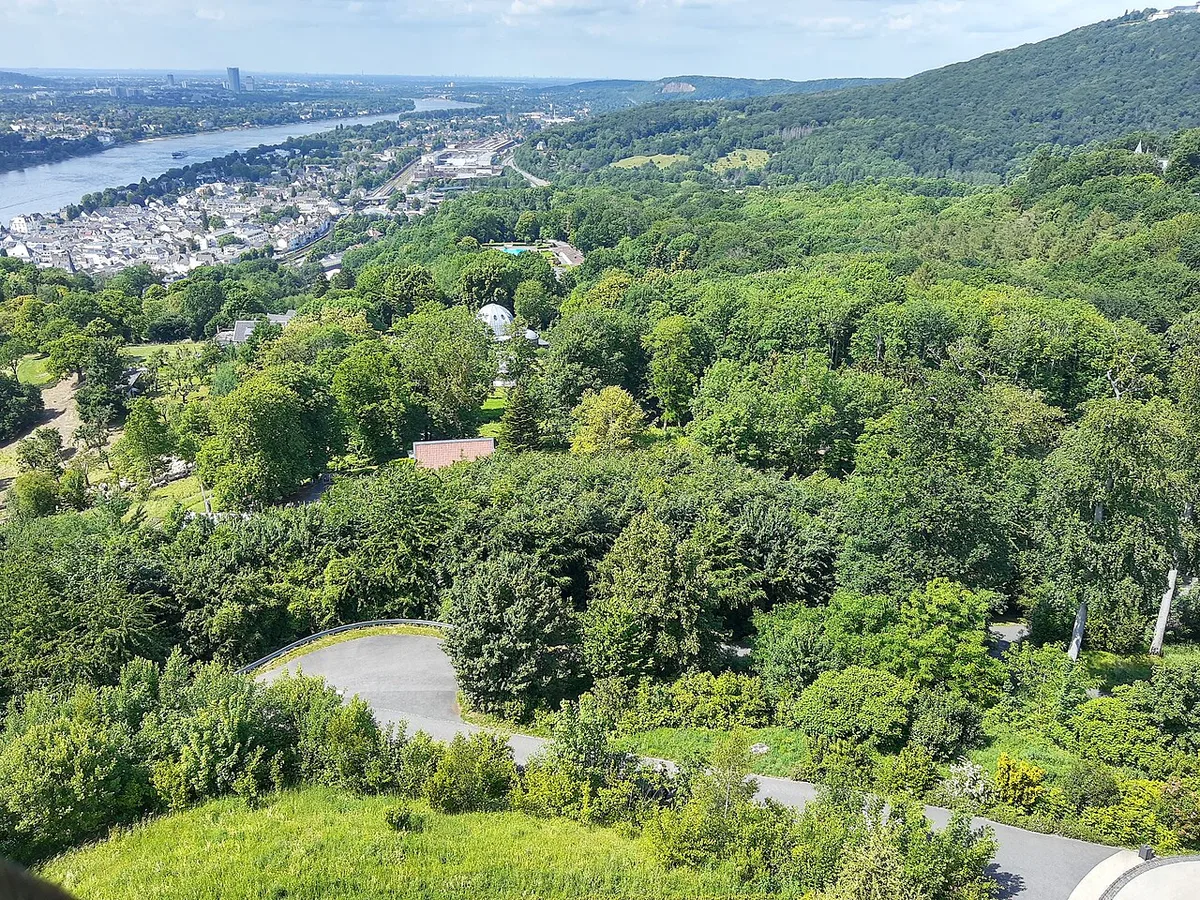
Public transport from Bonn is the sensible car-free default because the route crosses the Rhine and lands you on the Königswinter side. Check current connections for your travel date rather than relying on an old timetable, since lines and services change with construction and seasonal schedules. Arriving by the river also starts the day with the Rhine in front of you and the mountain behind.
If you drive, the railway operator asks visitors not to follow satnav or map apps into Königswinter because construction sites and diversions send navigation systems the wrong way; follow the local signs instead, which lead reliably to the destination. That one instruction saves a lot of circling in the narrow streets near the valley station.
The Drachenfelsbahn as the Uphill Link
The railway has three stops that matter for planning, and each plays a different role. The valley station is where you board, the middle station is the stop for Drachenburg Castle, and the plateau terminus is the top, where the panoramic restaurant and the wide Rhine views are. Reading the layout that way turns the railway into an itinerary tool rather than just transport.
Because the castle sits at the middle station, you do not ride to the top first and walk back down through the castle. Get off at the castle stop, tour the building and park, then decide whether to re-board for the plateau or continue on foot. The plateau is where the Drachenfels castle ruin, the panoramic restaurant and the wider Rheintal views are found.
Departure times are live information rather than something to plan months ahead. The operator publishes a daily schedule and shows the day's running window on its site, which is the only reliable place to confirm when trains run on your date. Build the day around the castle's opening window and slot the rides in around it.
Two Separate Tickets, One Trip
The most common budgeting mistake on this excursion is assuming one ticket covers everything. Castle and park admission is one product, and the cog railway is a second, separately ticketed service sold by the railway operator. Check both operators' current ticket pages before travelling, because tiers, event surcharges and seasonal offers change.
Treat the landscaped park as part of the castle visit rather than as free public ground. The castle and its park have been viewed together since 2009, which signals that the grounds are managed as part of the same site rather than as an open municipal garden. Walkers who only want a hillside stroll should not assume the park is theirs to wander free of charge.
Guided tours and special events are separate again from standard admission, and themed tours follow their own schedule. If a guided tour is the point of your visit, check the operator's tour page for current formats and what each includes, then match it to a day the railway is running normally. Group tours are usually arranged in advance rather than bought at the door.
Sequencing the Day Around Opening Windows
The castle keeps seasonal hours rather than one fixed daily window, and the operator's own page is the version worth trusting. It publishes summer and winter windows, notes longer hours on advent weekends, and lists specific closure dates around Christmas and New Year. Third-party listings and live widgets are snapshots rather than the permanent schedule, so always confirm with the operator for your date.
A sensible order is castle first, plateau second. Arriving at the middle station early gives you the building and park while light and crowds are manageable, and leaves the plateau and the ruin for later, when you can linger over the view without watching the clock. If the weather turns, the castle interiors are the better shelter and the plateau can be dropped.
Reverse the order if the forecast is uncertain. Clear mornings favour the plateau, where the reward is the wide Rheintal panorama, and the castle can absorb a cloudier afternoon. Either way, confirm the castle's closing time for your date first and count backwards, because the railway and the restaurant are secondary to whether the building is open at all.
Inside the Castle and Around the Grounds
The interior visit is built around the permanent exhibition and the decorated rooms. The exhibition explains the building's odd hybrid identity, and the restored art gallery and private chambers, including stained glass and wall decoration, are the parts most visitors remember. Some spaces are seen on guided tours, so a self-guided walk and a guided visit do not cover exactly the same ground.
In the outer bailey you will find the German Museum for the History of Nature Conservation, which gives the site a second subject beyond aristocratic interiors. Read it as a separate collection inside the same complex rather than as an extension of the castle rooms, and give it its own time slot if the topic interests you. Not every space within the walls shares one theme or one ticket logic.
Refreshments are available on site at the castle restaurant, and the plateau restaurant further up covers the later part of the day. Below the mountain, Königswinter's cafés and confectioners give you a third option if you would rather eat after coming down. Decide early whether your meal belongs to the mountain day or the town day, because that choice shapes how long you spend at the top.
Half Day or Full Day: Two Shapes for the Trip
A castle-focused half day, as a suggested shape rather than an official programme, means travelling to Königswinter, riding up to the middle station, spending the bulk of your time in the castle and park, and coming back down. Keep the plateau out of this version. It suits travellers who are combining Drachenburg with something else in Bonn the same day.
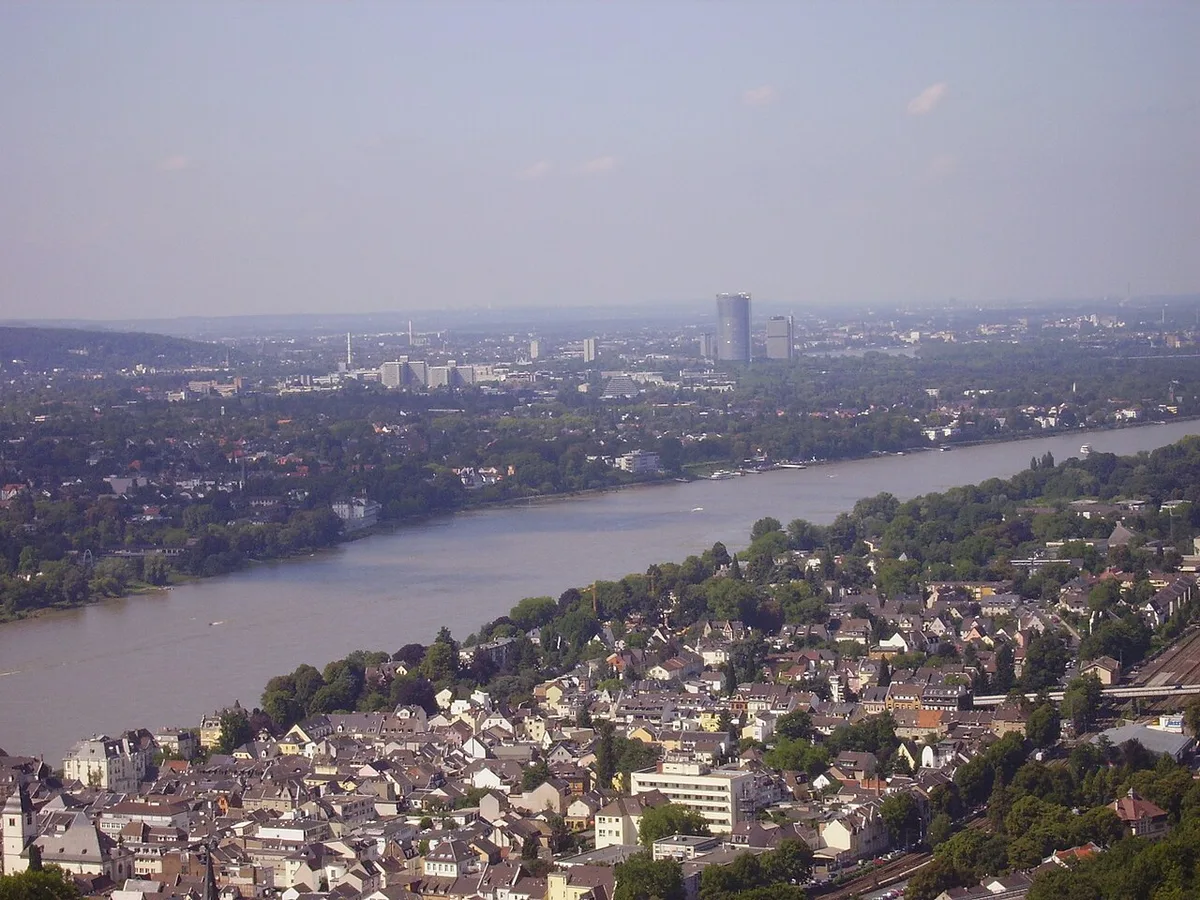
A full day opens with the same arrival but continues past the castle to the plateau and the Drachenfels ruin. The railway operator itself frames the mountain as something you can experience in a morning or stretch into a whole day by adding the Nibelungenhalle, a castle tour and a meal at the plateau. That framing is the operator's, not a fixed itinerary, but it is a fair description of how the pieces fit.
The difference between the two versions is mainly how many stops you take on the railway and whether you eat on the mountain. A half day uses two rides and one main stop; a full day uses all three stations and adds a meal and a walk. Neither version needs a rigid timetable as long as the castle is open for your chosen window.
Walking Instead of Riding the Cog Railway
Walking up is a genuine alternative to the railway and changes the character of the day more than the cost does. Footpaths connect the valley with the castle and continue towards the plateau, and drivers can park near a path leading uphill from below. Choose this option only if everyone in the group is comfortable with a sustained uphill climb.
The trade-off is energy rather than money. Walking gives you quieter stretches of hillside and the freedom to stop, but removes the option of a quick descent if the weather closes in or someone tires. Riding up and walking part of the way down, or the reverse, is the middle path many visitors take.
Do not plan the walk around borrowed timings. Rather than quoting a climb duration, treat the ascent as the main physical effort of the day and leave slack on either side for rest, photos and a slower pace in warm weather. If time is tight, the railway is the more predictable option because it is not affected by your group's pace.
Practical Friction: Payment, Navigation and Seasonality
Card payment is not currently possible at the railway's valley and mountain ticket machines because of technical problems, while the middle station machine still accepts cards and cash works everywhere. Carry some cash as a fallback even if you intend to pay by card. This is exactly the kind of small detail that can otherwise stall the first ten minutes of the trip.
Navigation inside Königswinter is a known weak point, and the operator addresses it directly by telling visitors to ignore satnav and follow the signs instead. If you are arriving on foot or by public transport, allow extra time between the station area and the valley station rather than cutting it fine. Getting lost in the last few hundred metres is more common than missing the mountain itself.
Seasonality affects everything from opening hours to whether the park looks its best, and the operator warns that hours vary and that holiday closures exist. Check the castle page and the railway page on the same day you finalise plans. If a date falls in a closure window, shift the trip rather than improvising.
Winter and Event Weekends at the Castle
Late in the year the castle runs its advent-season format, which the operator presents as not quite a Christmas market. It runs only on the four advent weekends, opens in the late afternoon and evening, and offers a lit-up castle with performers and a Rhine view. Tickets for it are described as limited, so treat it as a separate, dated booking rather than something you add on arrival.
Beyond the advent weekends, the winter window is shorter and daylight is limited, which compresses what you can do on the mountain. In that season a castle-focused visit is the realistic plan, with the plateau treated as optional depending on weather and the railway's running day. Verify dates, hours and whether advance tickets are needed through the operator rather than through a listing site.
Event weekends elsewhere in the year can change the normal rhythm too, since special events sometimes carry their own pricing and access arrangements. If your visit coincides with one, check the event page before you set a schedule and expect the park to be busier. On ordinary opening days, the landscaped grounds are simply part of the castle visit.
Combining Drachenburg with Königswinter and the Siebengebirge
Königswinter itself deserves an hour if you have it, with its old town at the foot of the mountain and the valley station sitting right there. The town's museum and riverside setting give the day a second layer beyond the castle. Staying overnight is possible in Königswinter or nearby Bad Honnef if you would rather not rush back across the Rhine.
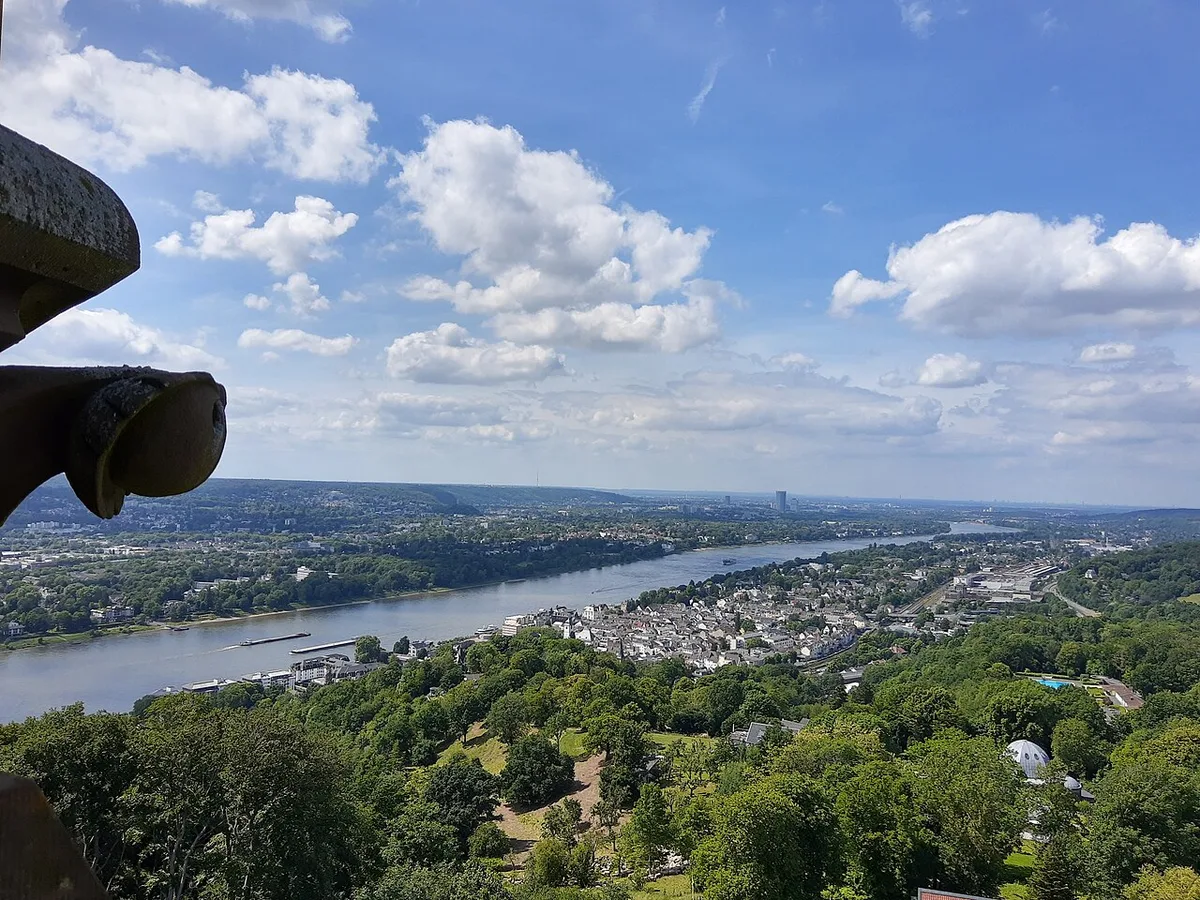
Further afield, the Siebengebirge spreads out in several directions from the plateau. Walking routes lead towards the castle ruin, the Nachtigallental valley and on towards Bad Honnef and Ittenbach. Rhöndorf, with the Adenauer House, is a short onward hop and makes a natural second stop for anyone interested in post-war German history.
Shorter add-ons include the Milchhäuschen excursion restaurant and the Petersberg, both reachable on foot from the castle area if you have the legs for more climbing. If you would rather keep the day simple, combine the castle with a walk along the Rhine in Königswinter and leave the bigger hikes for another visit. Bonn's own landmarks and streets are always waiting when you get back.
Plan Your Visit
The core of a Drachenburg day trip is simple: cross to Königswinter, ride or walk up to the middle station, and give the castle and its park the main share of your time. Then decide whether the plateau, the ruin and a meal at the top belong in this visit or the next one. That single decision separates a half day from a full day more than any schedule does.
Before you travel, confirm three things on the operators' own pages: the castle's opening window for your date, the railway's running day, and the current ticketing for each. Note the card limitation at the valley and mountain ticket machines and carry cash as backup. Check that Königswinter's signs, not your navigation app, are guiding you to the valley station.
If your dates are flexible, a clear weekday outside holiday closures gives you the calmest version of the mountain, and spring or autumn light on the Rheintal is a bonus. Keep expectations honest about the climb, the separate tickets and the seasonal hours, and the trip works comfortably from Bonn in almost any month the castle is open.
Frequently Asked Questions
Where do you catch the Drachenfelsbahn and does it go directly to the castle?
You board at the valley station in Königswinter's old town, at the foot of the Drachenfels. The line runs to the middle station, which is the stop for Drachenburg Castle, and then continues to the plateau terminus above. So yes, the railway stops at the castle rather than passing it, but the castle is at the middle stop, not the top, and you get off there. If you are driving, follow the local signs into Königswinter instead of your navigation app, because the operator warns that satnav routes can be wrong.
Do you need one ticket for the castle and the railway, or two?
Treat them as two purchases. Castle and park admission is handled by the castle operator, and the Drachenfelsbahn is a separate service sold by the railway company. That means your railway ticket does not automatically include entry to the building, and a castle ticket does not include the ride. Check both operators' current ticket pages before your visit, since tiers, event pricing and seasonal arrangements change, and carry cash because card payment has not been available at the valley and mountain station machines.
Can you visit Drachenburg Castle and the Drachenfels plateau in one day?
Yes, and it is the natural full-day version of the trip. The railway makes it easy: ride to the middle station for the castle and park, then continue to the plateau for the wider Rhine views, the castle ruin and the restaurant. Allow enough slack that you are not rushing the castle to catch a train, and check the railway's running day and the castle's closing time for your date first. In winter, with shorter days, the castle alone is the safer plan.
Is Drachenburg Castle worth a day trip from Bonn?
It is one of the closest substantial excursions from Bonn, across the Rhine in Königswinter, and the combination of a 19th-century castle, a landscaped park, a historic cog railway and a hilltop viewpoint gives the day more variety than a single attraction usually does. It suits both a short half day focused on the castle and a longer day that adds the plateau and a meal. Whether it is worth it depends mainly on whether the castle is open on your date, so check the operator's seasonal hours beforehand.
How much time should you allow for a Drachenburg day trip from Bonn?
Think in terms of two suggested shapes rather than one fixed duration. A castle-focused half day covers the crossing to Königswinter, the ride to the middle station, and the castle and park, then the return; a full day adds the plateau, the ruin and a meal on the mountain. Rather than clocking the hours, work backwards from the castle's published closing time and confirm the railway is running that day. Departure times and hours are live information on the operators' sites.


