
Last updated September 2026. Bath's Roman Baths and Thermae Bath Spa charge admission, but free hidden gems in bath fill an entire day once you know the routes. This guide separates the city's quieter viewpoints and walking routes from the well-known free sights, then prices out the paid stops worth adding.
Getting to Bath Without the Clean Air Zone Charge
Bath enforces a Clean Air Zone, and older or non-compliant vehicles pay a daily charge to drive into the centre. Cameras enforce the zone across most of the historic core, so even a brief detour can trigger a charge for a non-compliant vehicle. Checking your registration before you travel avoids a fine that costs far more than any parking fee. Rail sidesteps the issue entirely: Bath Spa station sits in the centre, with journeys from London Paddington running about 80 minutes and from Bristol Temple Meads about 15 minutes. Travelers routing through Paddington can pair the trip with London's overlooked corners before continuing west. Drivers who still want a car nearby can use Park and Ride instead of paying city-centre rates. Once inside the centre, most of these free routes are walkable without a car. A single Park and Ride trip or rail ticket often covers the whole day.
- Lansdown Park and Ride, north of the city: £3.20 return on weekdays, £2.50 at weekends, about 10 minutes into the centre.
- Newbridge Park and Ride, west of the city: same fares and journey time as Lansdown.
- Odd Down Park and Ride, south of the city: same fares and journey time as Lansdown.
- Bath University car park: free after 5pm and on public holidays.
- Sydney Road and Sydney Wharf: free street parking for up to 4 hours.
- Raby Mews and Daniel Street: free street parking for up to 2 hours.
Truly Free Hidden Gems in Bath
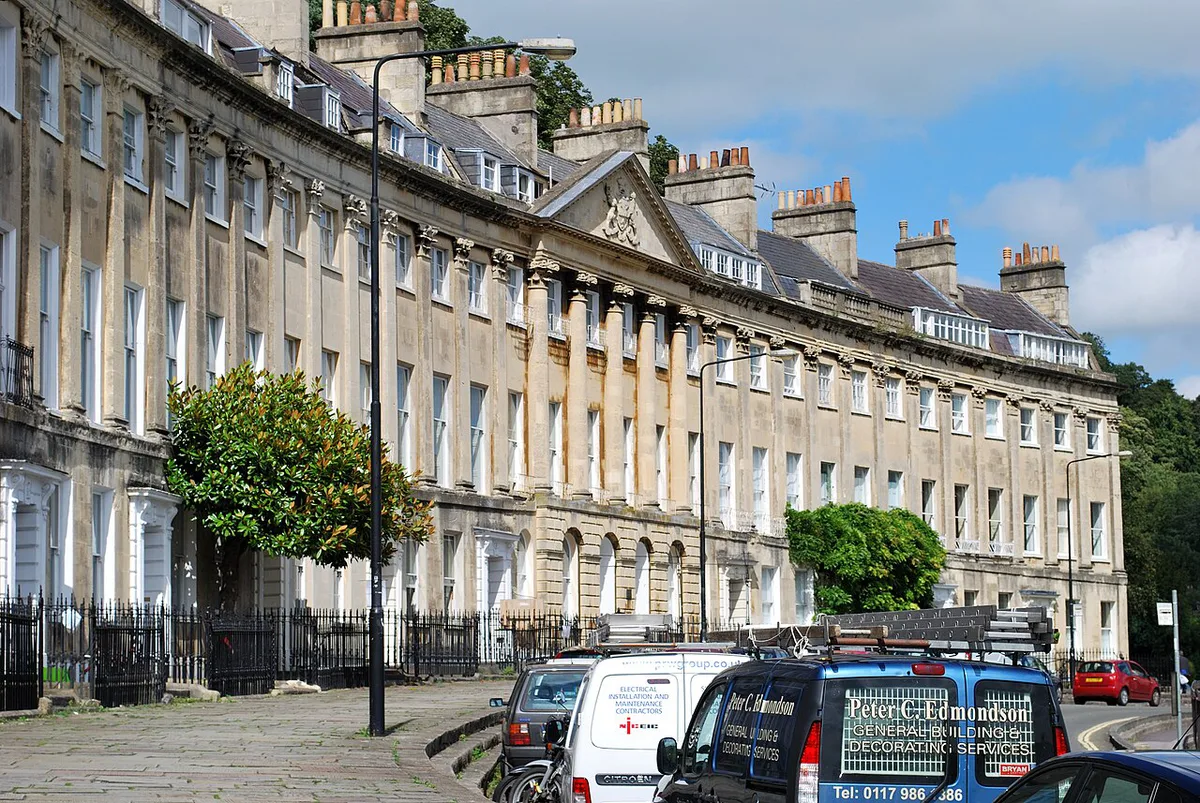
Skip the obvious postcards for a morning on the Two Tunnels Greenway, a former railway line turned walking and cycling route. The Combe Down Tunnel carries a light and sound installation and is the longest cycling tunnel in the UK. A shorter Devonshire Tunnel connects to it along the same line. Further along, the route passes Tucking Hill viaduct and the Dundas Aqueduct, both visible without leaving the path. Walking the full 13-mile loop costs nothing, while cycling it means renting a bike for about £20 a day. For the deep-dive route notes, see the full Two Tunnels route guide. Twerton's hillside farm offers a second free option. Bath City Farm covers 37 acres on Kelston View, with goats, chickens, and pigs alongside a hillside view over the city. Entry is free, though donations are welcomed at the gate, and seasonal events run throughout the year for anyone timing a repeat visit. Camden Road delivers a view with a fraction of Alexandra Park's crowds. A 15 to 20 minute uphill walk from the centre ends at a panorama over the city's honey-colored terraces, with no admission and no queue. Sydney Gardens rounds out the list. It's the only remaining 18th-century pleasure garden left in the UK, complete with iron bridges and a documented connection to Jane Austen. A restored Georgian-era ha-ha wall, built to keep cattle off the lawns, still lines part of the garden. The Kennet and Avon Canal towpath starts at the garden's edge and runs toward Bathwick, a flat, free walk away from traffic noise. It continues for several level miles beyond Bathwick, making it easy to turn back at any point without losing the flat gradient.
The 13-mile loop of Two Tunnels Greenway offers flexibility, with turn-back points along the Kennet and Avon Canal, similar to quick alternatives like the 15 to 20 minute Camden Road walk.
Iconic Bath Landmarks That Cost Nothing to See
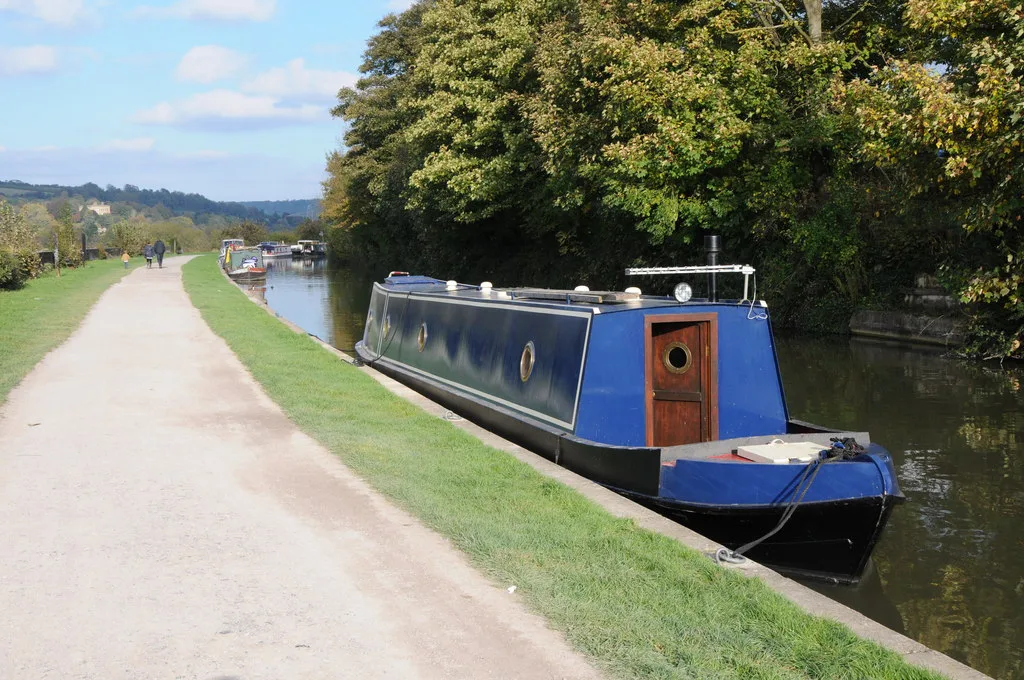
Royal Crescent and the Circus need no entry fee to admire from the street. Thirty terraced houses curve across the hillside, and arriving before mid-morning means avoiding most tour coaches. Georgian stonework like this helped make Bath a UNESCO World Heritage Site in 1987. None of that history costs anything to look at from the pavement. Bath Abbey costs nothing too: entry is free, with donations encouraged. Standard hours run 10am to 4pm, dropping to 1pm-3pm on Sundays, per the official tourism guide. Climbing the Tower costs extra: 212 steps for about £18 per person. It's worth the splurge only if the view matters more than the saving. Pulteney Bridge and the Weir cost nothing to view from the bridge itself, the same vantage used in several Bridgerton scenes. Parade Gardens below charges a small entry fee in summer, so the free bridge view is the better budget option most of the year. Guildhall Market, next to the bridge, is the oldest shopping venue in the city and costs nothing to browse. A secondhand bookshop sits among the stalls, and several traders sell the Bath Bun, a sweet dough roll with a history stretching back centuries. Arrive on a weekday morning rather than midday to shop without the coach-tour rush.
Free Skyline Views, Parks and Gardens
Bath Skyline Walk is a 6-mile National Trust loop connecting Bathampton Down, Bathwick Hill, and Sham Castle with no admission at any point. The loop also skirts Prior Park Landscape Garden and Smallcombe Cemetery, both viewable from the path without paying the garden's separate entry fee. Runners and walkers short on time can turn back partway rather than complete the full circuit. Both hilltop routes reward sturdy shoes over sandals, especially after rain when the paths turn slick. Royal Victoria Park spans 57 acres beside Royal Crescent. Its Botanical Gardens, founded in 1887, are free to enter alongside the main lawns. Park grounds date to 1830, predating most of the surrounding buildings. Alexandra Park sits atop Beechen Cliff and delivers the same skyline view with fewer visitors than the Crescent. Reaching it means climbing more than 200 steps from town, or taking a bus route that avoids most of the climb. Opened in 1902 to mark Edward VII's coronation, the 11-acre park rewards the climb with a clear view over the rooftops. For more green routes like these, see the quiet park walks guide.
Walcot Street and Green Park Station, Free to Browse
Walcot Street runs north from the centre and functions as the city's artisan quarter, lined with vintage shops, independent galleries, and workshop fronts that cost nothing to browse. Weekend mornings bring craft stalls out onto the pavement, and covering the full stretch takes under an hour on foot. For shop-by-shop notes, see the Walcot Street shopping guide. Green Park Station, a former Victorian railway station that last saw a train in 1971, now houses shops and a Saturday market with more than 20 craft and produce stalls. Wandering the restored platform architecture costs nothing, even without buying anything.
When to Actually Spend: Three Strategic Splurges
Thermae Bath Spa is the one paid stop worth budgeting for, since it is the only spot in the city where soaking in the original mineral springs is possible today. Booking the 4pm slot catches the rooftop pool as it transitions into sunset, and the pool stays open until 9:30pm. Roman Baths draws over 1 million visitors a year, so pre-booking a slot matters more than the entry price. Sunset-slot bookings sell out first, since low evening light flatters the ancient stonework. Recently published adult rates run around £17.50 on weekdays and £20 at weekends; check the current figure before booking, since prices move year to year. The spa water itself tastes distinctly eggy, a detail nearly every visitor mentions. Sally Lunn's occupies the 1680 house tied to the Bath bun's Huguenot origin story. Ordering the bun to take away rather than sit down for table service keeps the splurge small. The tea room's front window alone is worth a look even for visitors skipping the bun. American Museum & Gardens, a Grade I listed Georgian estate on the edge of the city, charges separate admission; check current hours on the official museum site before adding it to the day.
Roman Baths draws over 1 million visitors a year and requires pre-booking, whereas free sites like Guildhall Market stay quiet with simple timing—visit weekday mornings.
A Free Day in Bath: Three Sample Routes
Three routes cover the ground above without repeating the same street twice, matched to what matters most on a single day.
- History route: Bath Abbey's exterior, Guildhall Market, Pulteney Bridge, and Sydney Gardens, done on foot in under two hours.
- High-views route: the Bath Skyline Walk followed by Alexandra Park, tackling the Skyline loop first while legs are fresh.
- Bridgerton route: Royal Crescent, the Circus, and the exterior of Holburne Museum, whose grounds cost nothing even though the collection inside is ticketed. Compare that free-versus-paid trade-off in the museums worth the admission fee guide.
What a Free Day in Bath Really Costs
Add it up, and a full day built around the routes above costs little beyond transport. This table separates what's genuinely free from the optional splurges layered on top, using current published figures where a source gives one. For the full citywide rundown across every category above, see the complete free-Bath guide.
| Item | Cost | Notes |
|---|---|---|
| Bath Abbey entry | £0 | Donations encouraged |
| Guildhall Market browsing | £0 | Oldest shopping venue in the city |
| Two Tunnels Greenway walk | £0 | 13-mile loop on foot |
| Bath Skyline Walk | £0 | 6-mile National Trust loop |
| Park and Ride return (weekday) | £3.20 | Lansdown, Newbridge, or Odd Down |
| Park and Ride return (weekend) | £2.50 | Same three sites |
| Bike hire for the Greenway (optional) | £20 | Per day |
| Bath Abbey Tower Tour (optional) | £18 | 212 steps |
| Roman Baths entry (optional) | £17.50-£20 | Weekday vs weekend adult rate |
The Cost of Entering Bath’s Clean Air Zone
Bath’s Clean Air Zone is not a congestion charge. Compliant vehicles can enter without paying, but a non-compliant car, taxi, van, or light goods vehicle is charged £9 for each day it drives within the zone. The charge applies from midnight to midnight, so an evening arrival and next-morning departure can create two daily charges.
Check the registration on the government’s Clean Air Zone vehicle checker before setting off. Parking outside the historic core does not automatically avoid the charge if the route into the space crosses the zone boundary.
- Non-compliant cars and vans: £9 per day.
- Buses, coaches, and HGVs: £100 per day.
- Unpaid charges can lead to a £120 penalty notice, usually reduced for prompt payment.
For a day focused on free sights, Lansdown, Newbridge, or Odd Down Park and Ride is often simpler. The return fare is far lower than a Clean Air Zone charge, and the bus drops passengers close to Bath’s walkable centre.
Frequently Asked Questions
Can you actually see Bath for free?
Yes, a full day is possible without paying for a single attraction. Royal Crescent, the Circus, Bath Abbey's interior, Pulteney Bridge, and Sydney Gardens all cost nothing to see. Add the Bath Skyline Walk or the Two Tunnels Greenway for a car-free, ticket-free afternoon.
How do you avoid Bath's Clean Air Zone charge?
Park at one of three Park and Ride sites: Lansdown, Newbridge, or Odd Down. Return fares run £3.20 on weekdays and £2.50 at weekends, with a roughly 10-minute bus ride into the centre. That beats risking a charge for driving a non-compliant vehicle into the zone.
Is Bath Abbey really free to enter?
Entry to Bath Abbey is free, though donations are welcomed to help cover running costs. Standard hours run 10am to 4pm, with reduced Sunday hours of 1pm to 3pm. Tower Tour access costs extra: 212 steps for about £18 per person, worth it only if the climb and the view matter more than the saving.
What is the best free viewpoint in Bath?
Camden Road offers a 15 to 20 minute uphill walk to a panorama over the city's honey-colored terraces, with fewer crowds than Alexandra Park. Alexandra Park itself sits atop Beechen Cliff and involves a climb of more than 200 steps, or a bus route that skips most of the climb. Both are free, and both work well in early morning or late afternoon light.
Do any of Bath's free spots appear in Bridgerton?
Sydney Gardens and the exterior of Holburne Museum both appear in the series, and both cost nothing to view from outside. Pulteney Bridge and the Weir also appear on screen and can be seen free from the bridge itself. For a paid-interior comparison, see the museums worth the admission fee guide.
Are Bath's free viewpoints hard to reach on foot?
Bath's centre is compact and walkable, but Camden Road, Alexandra Park, and the Bath Skyline Walk all involve real elevation gain. Comfortable shoes matter more than fitness level, and the payoff is a quieter view than any city-centre platform offers. Travelers who want the view without the stairs can ride a bus partway up toward Alexandra Park instead of climbing.