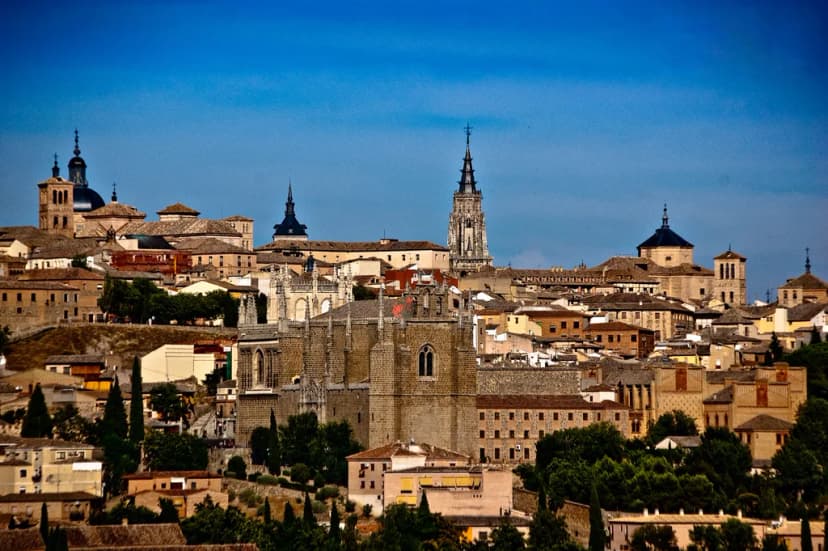

Last updated July 2026, the best time to visit Madrid depends on what matters most: comfortable sightseeing weather, festival dates, or hotel prices. Spring (March-May) and September deliver the terrace culture and cultural calendar most travelers want, while January and February trade cooler days for the lowest room rates. This guide compares all four seasons by weather, daylight, landmark crowding, neighborhood closures, and booking pressure, so you can match your dates to your priorities.
Best Time to Visit Madrid: Quick Summary
May and September stand out as Madrid's sweet spots, combining warm days with manageable crowds and a full festival calendar. Use the table below to see when to go for your specific priorities, then scroll to the season-by-season detail further down. For a full destination overview beyond timing, see the Madrid travel guide.
| Month | Weather | Crowd Level | Price Level | Top Event |
|---|---|---|---|---|
| January | Cold, dry, sunny spells | Low | Low | Three Kings Parade (Jan 5) |
| February | Cold, brighter afternoons | Low | Lowest of the year | Gastrofestival |
| March | Mild, 15°C (59°F) highs | Rising | Rising | Terrace season begins |
| April | Comfortable, Retiro in bloom | Rising | Rising | Spring sightseeing peak |
| May | Warm, 24°C (75°F) highs | High | High | Fiestas de San Isidro |
| June | Hot, long daylight hours | High | Peak | Noches del Botánico, A Summer Story |
| July | Very hot, 35°C+ (95°F+) | Moderate | High | Mad Cool Festival, Pride |
| August | Hottest, many locals away | Low outside tourist zones | Lower | Quiet Malasaña and La Latina streets |
| September | Warm, still summer-like | High | High | International Jazz Festival begins |
| October | Cooling, golden Retiro leaves | Moderate | Moderate | Halloween and Día de los Muertos events |
| November | Chilly, first real cold | Lower | Lower | Jazz Festival continues |
| December | Cold, festive | High | High | Plaza Mayor Christmas Market |
Season Comparison: Weather, Crowds, and Price Swings
Hotel pricing follows demand more closely than the thermometer does. A centrally located 3-star double runs roughly €90 a night in January. That same room can climb past €150 on a June weekend, once terrace season and the festival calendar overlap. Crowds move on a similar curve: spring and early summer draw the heaviest foot traffic at the Prado and Puerta del Sol, while January and August thin out fastest outside the main tourist corridor. Daylight stretches longest around the June solstice, giving long terrace evenings, and shortens fastest in December, when it grows dark by late afternoon.
June weekend hotels cost past €150, triple the €90 January rate for the same room, while Prado and Puerta del Sol fill with peak-season foot traffic; book accommodations and museum times together to secure both.
| Season | Temperature Range | Crowd Level | Price Level | Best For |
|---|---|---|---|---|
| Spring (Mar-May) | 15°C-24°C (59°F-75°F) | Rising to high | Rising to high | Terrace culture, Fiestas de San Isidro |
| Summer (Jun-Aug) | Up to 35°C+ (95°F+) | High in June, low in August | Peak in June, discounted in August | Festivals, pools, quiet August streets |
| Autumn (Sep-Nov) | Warm start, cooling to a first chill | High in September, easing later | Moderate | Museums, opera season, Retiro foliage |
| Winter (Dec-Feb) | Cold, mostly sunny | High in December, low in Jan/Feb | Lowest in Jan/Feb | Christmas markets, budget hotel rates |
Spring (March-May): Terrace Season Returns
Average highs move from about 15°C (59°F) in March to 24°C (75°F) by May, matching the range most seasonal guides cite for these shoulder months. Terraces reopen across La Latina and Malasaña as café tables spill onto the sidewalks again. Retiro Park fills with rowing boats on the lake and photographers chasing the seasonal blooms. The seasonal photo spots guide has specific vantage points worth the walk. Fiestas de San Isidro runs from around May 15. Madrileños dress in traditional chulapo and chulapa outfits, and rock, pop, and electronic acts share the festival program. Book central rooms early for mid-May, since availability tightens fast; the where to stay guide covers which neighborhoods sell out first.
- Average highs: 15°C (59°F) in March, rising to 24°C (75°F) by May
- Key festival: Fiestas de San Isidro, from about May 15
- Neighborhood vibe: terraces reopen in La Latina and Malasaña
- Booking tip: reserve central hotels early for mid-May
Summer (June-August): Heat, Pools, and the August Exodus
June stays warm without the extremes, making it the last comfortable month before real heat arrives. Late July and August regularly top 35°C (95°F). Madrid's siesta schedule exists for a reason: plan outdoor sightseeing before 11am or after 6pm. Treat the 2pm-6pm window as pool or museum time instead. Piscinas Municipales public pools and hotel rooftop pools both fill up fast on the hottest afternoons. Mad Cool Festival and Pride both land in July, pulling in visitors even as many residents head to the coast. Independent boutiques and family-run restaurants in Malasaña and La Latina often close for two to four weeks in August. Confirm opening hours before counting on a specific address that month. The Madrid restaurant guide flags which kitchens stay open in August. Boutique streets slow down too; check the Madrid shopping guide for which ones. Families managing the heat can lean on shaded, air-conditioned options. Indoor and water-based picks appear in the family-friendly Madrid guide. Long evening light also makes summer strong for golden-hour views. Specific terraces worth the climb show up in the city viewpoints guide. Golden hour spots get their own rundown in the sunset viewing guide.
What appears as August's low-crowd season actually reflects independent shops in Malasaña and La Latina closing for two to four weeks as residents escape to the coast, while major tourist attractions stay busy.
- Peak heat: 35°C+ (95°F+) common in late July and August
- Daily rhythm: sightsee before 11am or after 6pm, rest midday
- Cooling options: Piscinas Municipales public pools and hotel rooftop pools
- Festival dates: Mad Cool Festival and Pride, both in July
Autumn (September-November): Cultural Peak and Retiro Gold
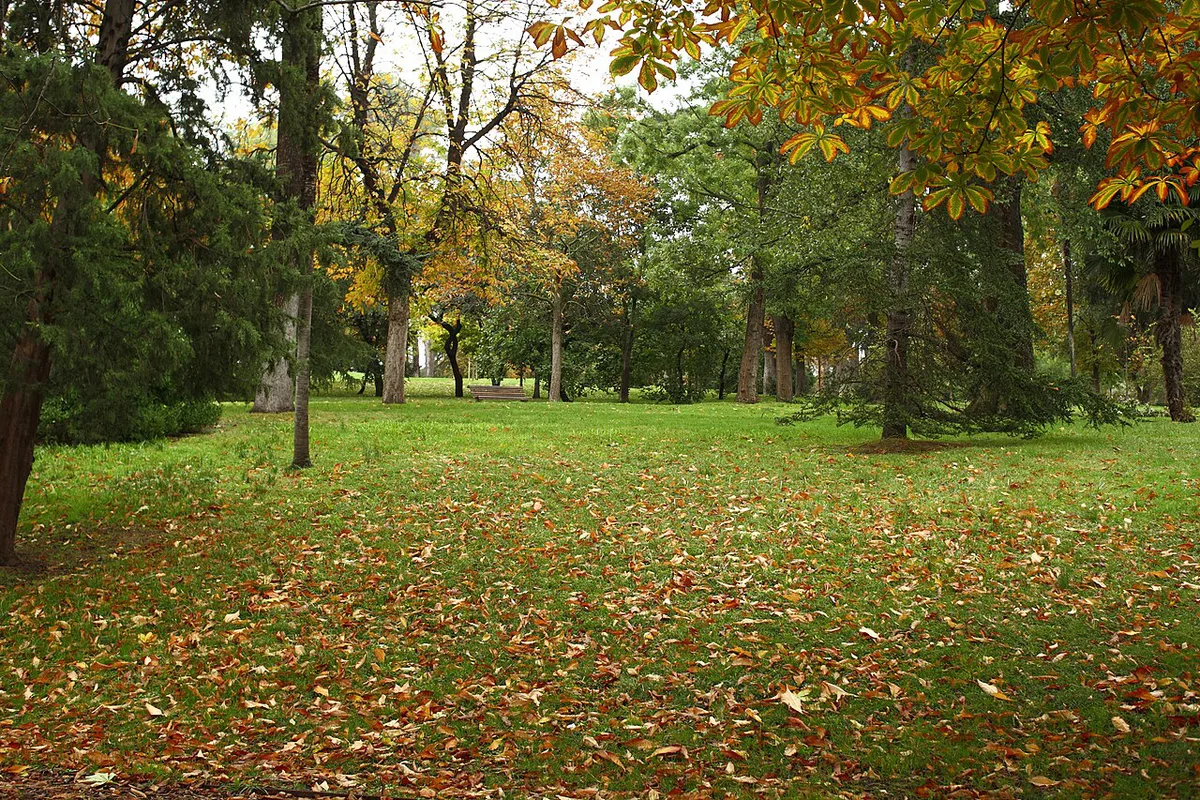
September holds onto summer-like warmth, making it one of the more comfortable months for a walking-heavy itinerary. Opera and theater season opens as the cultural calendar fills back in. International Jazz Festival performances run from September through November across venues citywide. Retiro Park's trees turn gold in October, and the lake and the Palacio de Cristal feel different with fewer summer crowds. Halloween and Día de los Muertos events run from late October into early November. Programs mix family-friendly daytime events with later, adult-oriented ones. November brings the first real chill, and that is also when the biggest collections get easier to see without a scrum. Museum picks worth prioritizing in this window sit in the Madrid museums guide. Extra days pair well with cooler-weather countryside stops. Options for those are in the countryside day trips guide. Locals-only corners get easier to spot once the crowds thin out. The lesser-known Madrid spots guide is worth bookmarking for this window.
- September: still summer-like warmth, comfortable for walking tours
- October: Retiro Park's leaves turn gold; light-jacket weather
- Late October-early November: Halloween and Día de los Muertos events
- November: first real chill, thinner museum lines
Winter (December-February): Dry Cold and the Best Hotel Deals
Madrid sits at one of Europe's higher capital-city elevations, which gives winter a dry, sunny character rather than the damp gray common further north. Wind chill catches visitors off guard some January evenings, so pack layers even on days that look bright. Plaza Mayor hosts a Christmas Market with more than 100 stalls selling nativity figures, toys, and other gift trinkets. Puerta del Sol draws crowds on New Year's Eve. The tradition is eating 12 grapes on the chimes of the Real Casa de Correos clock. The Three Kings Parade moves through the streets on an evening in the first week of January, with Spain's Epiphany holiday following on January 6, when many shops close for the day. Chocolatería de San Ginés is a reliable stop afterward, serving hot chocolate and churros on a menu it has run for over a century. Gastrofestival arrives in February, when participating restaurants, markets, and bars run special menus. February also holds the year's strongest discounts on luxury hotel rates. Cold, shorter days suit indoor plans well. Evening options without weather risk sit in the rainy-day activities guide. Nighttime picks that don't depend on daylight appear in the Madrid at night guide. Winter is also the cheapest season for sightseeing on a tight budget. Pairing a hotel deal with the no-cost sightseeing guide keeps daily costs down.
- Christmas Market: Plaza Mayor, more than 100 stalls through the holidays
- New Year's Eve: 12 grapes at Puerta del Sol on the Real Casa de Correos chimes
- Three Kings Parade: an evening parade in the first week of January
- Best value month: February, for discounted luxury hotel rates
Madrid Event Calendar: Month by Month
Line up travel dates with a specific event, then check the season sections above for weather and crowd context.
- January: Three Kings Parade, an evening parade in the first week
- February: Gastrofestival, special menus at participating restaurants and markets
- March: terrace season begins as café tables return to the sidewalks
- April: comfortable sightseeing weather and blooming flowers in Retiro Park
- May: Fiestas de San Isidro, Madrid's patron-saint festival from about May 15
- June: Noches del Botánico and A Summer Story concert series begin
- July: Mad Cool Festival and Pride, alongside the year's hottest weeks
- August: quieter streets in Malasaña and La Latina as residents head to the coast
- September: International Jazz Festival begins, opera and theater season opens
- October: Retiro Park's leaves turn gold, Halloween events start late in the month
- November: Jazz Festival continues, first real winter chill arrives
- December: Plaza Mayor Christmas Market, New Year's Eve at Puerta del Sol
Logistics and Booking Trade-offs
Museums such as the Prado and the Reina Sofía fill up fast during the spring peak. Reserve timed tickets several days ahead for a May or June visit. Deciding how long to stay matters as much as picking a month. Common stay lengths get broken down in the trip length guide. Once dates are set, a discounted sightseeing pass may or may not pay off depending on your itinerary. Which attractions it actually covers is explained in the city pass comparison. Flight fares often track the same curve as hotel rates, climbing during the busiest spring and early-summer weeks and easing again in deep winter. Short on time? The essentials fit into a single pass through the center. That route is mapped in the one-day itinerary. Retiro Park and a proper tapas crawl fit into a longer stay. This version sits in the two-day itinerary. A day trip or a slower museum pace fits into three days. See the three-day itinerary for that plan.
Mistakes to Avoid When Timing a Madrid Trip
A few planning slips show up again and again across seasonal trip reports.
- Booking a hotel without air conditioning for a July or August stay
- Expecting full city energy in mid-August, when many independent shops and restaurants in Malasaña and La Latina close
- Underestimating January wind chill and packing only lightweight layers
- Skipping advance museum bookings during the May-June peak
- Treating Gastrofestival and Fiestas de San Isidro as the same event, when they sit three months apart
Frequently Asked Questions
What is the best time to visit Madrid overall?
May, June, and September work best for most travelers. Days stay warm without the worst heat. San Isidro (May) and the Jazz Festival (autumn) both fall inside this window, and crowds stay lighter than the July peak.
Is August a good time to visit Madrid?
August is workable, but it feels different from the rest of the year. Independent boutiques and family-run restaurants in Malasaña and La Latina often close for two to four weeks. Heat regularly tops 35°C (95°F), so plan around the midday hours.
When is the cheapest time to fly to and stay in Madrid?
January and February bring the lowest hotel rates, including the year's best luxury discounts in February. A centrally located 3-star room runs roughly €90 in January. That same room can cost €150 or more in June.
What is the coldest month in Madrid?
January is the coldest month, with a dry cold shaped by Madrid's high elevation rather than damp weather. Skies stay mostly sunny, but wind chill can catch visitors off guard in the evenings.
How many days should you plan for a Madrid trip, regardless of season?
Stay length depends on pace and priorities more than the season itself. A single day covers the historic center's essentials, while three days allows time for a day trip or a slower museum schedule.