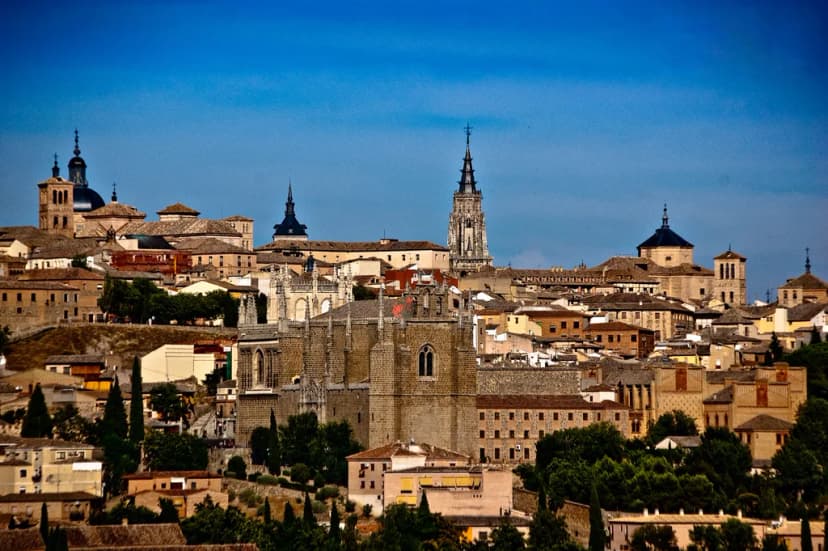
Hidden Gems in Madrid
Discover real hidden gems in Madrid, from a peacock garden to a 24-hour churro counter, with 2026 prices, hours, and neighborhood tips to plan your visit.
Read guide →Madrid travel guides for 2026: itineraries, day trips, hidden gems, museums, free things to do and city-pass advice — every Madrid planning guide in one hub.
Everything we've published on visiting Madrid, in one place: 19 trip-planning guides covering itineraries, day trips, hidden gems, the best viewpoints and museums, family and rainy-day options, and honest advice on city passes. Each guide is written for a specific decision you make while planning a trip to Madrid, Spain.
Looking for individual landmark tickets, opening hours and worth-it advice? See our Madrid attractions hub, with 14 dedicated visitor guides.
The Madrid Pass offers combined entry to major museums (Prado, Reina Sofía, Thyssen-Bornemisza) — compare the card cost against your planned visits before buying.
Start with one of our itineraries (1, 2, or 3 days) to anchor your trip dates, then layer in specific guides for museums, viewpoints, or activities based on your interests.
Most first-timers settle on two or three days, and that instinct is broadly right — but the honest answer depends on whether a day trip is part of the plan, because the AVE high-speed train reaches Toledo in about 33 minutes and Segovia in about 27 on current 2026 schedules. Our breakdown of how many days Madrid actually needs works through this by traveler type, from a single-day highlights run to a four-day art-and-day-trip base, and it's the guide to read first if your dates aren't locked yet.
Once the length is settled, pick the matching route. With a single day, the hour-by-hour one-day itinerary strings the essential sights together without backtracking. A weekend is better served by the two-day plan, which splits the historic center and the art museums across separate mornings. And if you can stretch to a third day, the three-day itinerary builds in slower evenings and a day-trip option, which matters in a city where dinner rarely starts before 9pm and jet-lagged first days can easily backfire.
Madrid's weather is famously extreme for a European capital, and hotel rates track the calendar closely: a centrally located 3-star double that runs roughly €90 a night in January can climb past €150 on a June weekend once terrace season and the festival calendar overlap. Our season-by-season guide to visiting Madrid maps the weather, crowds, and price swings month by month so you can decide whether to chase spring terraces or January hotel bargains. Crowds move on a similar curve to prices: spring and early summer draw the heaviest foot traffic at the Prado and Puerta del Sol, while January and August thin out fastest outside the main tourist corridor. In high summer, plan sightseeing before 11am or after 6pm and treat the mid-afternoon as museum time — and if the forecast turns, the rainy-day guide in the card grid below keeps a full itinerary indoors without wasting the day.
Neighborhood choice shapes a Madrid trip more than almost any single booking. Our comparison of nine Madrid neighborhoods rates each area by noise, price, and metro access — a useful check, since La Latina and Malasaña show near-identical €100–€150 nightly rates but very different noise levels after midnight. Eating well takes similar timing discipline: showing up at 7:00 PM means finding closed kitchens, and the dinner rush doesn't really begin until 9:00 PM, a rhythm our guide to the best restaurants in Madrid explains alongside picks from centuries-old classics to Michelin tables. If you'd rather browse than book a table, the neighborhood shopping guide covers Salamanca's luxury blocks, Gran Vía's flagships, and El Rastro — the Sunday flea market that trades from 09:00 to 15:00 and stays open when much of the city rests.
Madrid gives away more of its best sights than most capitals, so run the numbers before buying any card. Our honest review of the Madrid pass prices the card at about €10.30 for one day up to roughly €33.40 for five consecutive days in 2026, and concludes it suits multi-day sightseers far better than single-day visitors. Before you commit, read the roundup of free things to do in Madrid: the Prado waives its €15 ticket every evening from 6pm to 8pm, Monday through Saturday, and the Temple of Debod costs nothing year-round — though its 30-person capacity cap means you'll want to understand the free timed-reservation system before turning up. The pattern runs deeper still: the Prado's Sunday free window runs 5pm to 7pm, the Royal Botanical Garden charges €4 with a free Tuesday-morning window, and the Sorolla Museum's €3 ticket is among the lowest of any major museum in the city. Add Retiro Park and the Almudena Cathedral and a full sightseeing day can cost little more than transit fare.
Madrid's big three art museums reward advance planning more than any other bookings in the city. The Prado charges €15 general admission in 2026 and opens Monday to Saturday from 10am to 8pm, with most visitors spending between two and three hours inside; the Reina Sofía — home of Guernica — costs €12 with free-entry windows on weekday evenings and Sunday afternoons; and the Thyssen-Bornemisza rounds out the Golden Triangle at €14. Beyond the galleries, the Royal Palace runs €18 for a self-guided visit or €26 with a guided tour, and football fans should note the Bernabéu's self-guided Classic Tour costs €37 online (€40 at the ticket office) and closes early around match days. Each entity guide covers the sell-out patterns, free windows, and how long to budget inside.
Castile's greatest hits sit unusually close to the capital: the high-speed train puts Toledo about 30 minutes away with return tickets running roughly €25 to €30 in 2026, and Segovia, Ávila, Aranjuez, and Chinchón are all comparably reachable. Our comparison of the best day trips from Madrid ranks them by train time, cost, and crowd levels so you can match the excursion to your energy. Back in the city, remember that Madrid runs late by design — the metro operates until 1:30am on weeknights, and our guide to Madrid at night shows how to use those hours, from flamenco and rooftop bars to the late-night tapas crawl that only gets going after dinner ends.
Discover real hidden gems in Madrid, from a peacock garden to a 24-hour churro counter, with 2026 prices, hours, and neighborhood tips to plan your visit.
Read guide →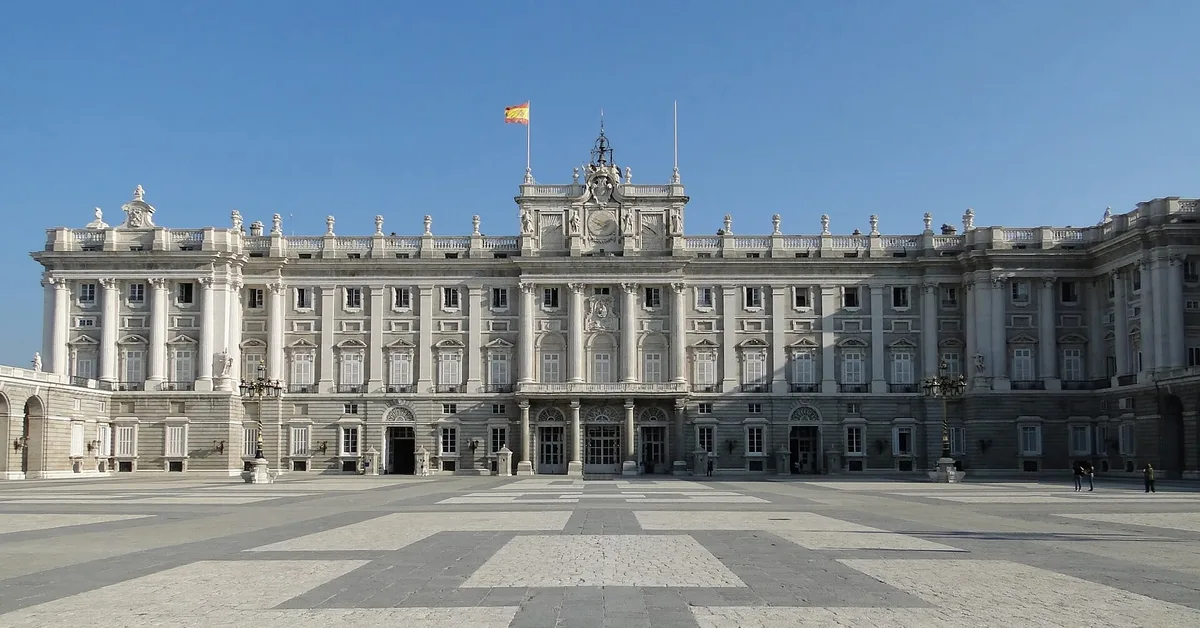
Is the Madrid Pass worth it in 2026? See real prices, pros and cons, crowd tips, and the best alternative before you buy the Madrid City Card.
Read guide →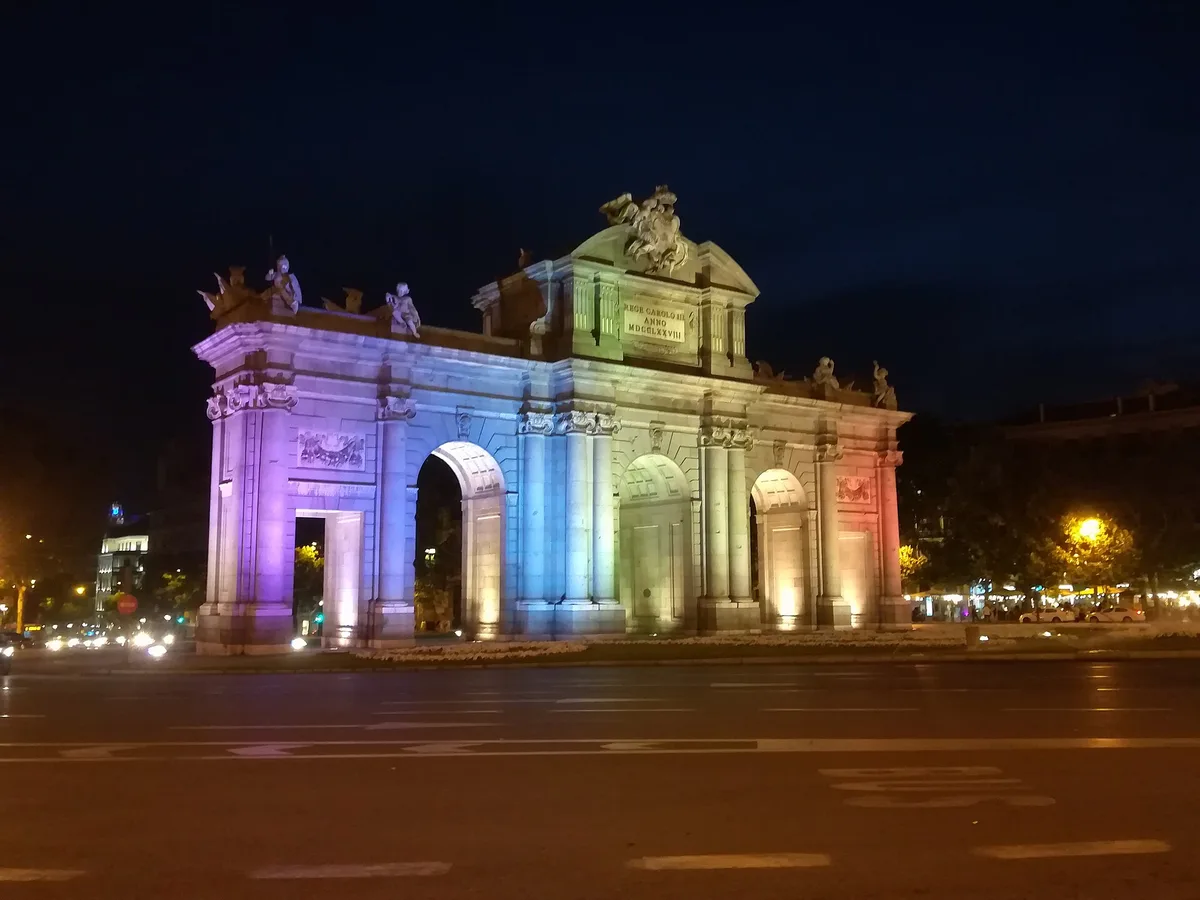
Plan a one day in Madrid itinerary with real 2026 ticket prices, opening hours, and hour-by-hour timing for first-timers. Start your route today.
Read guide →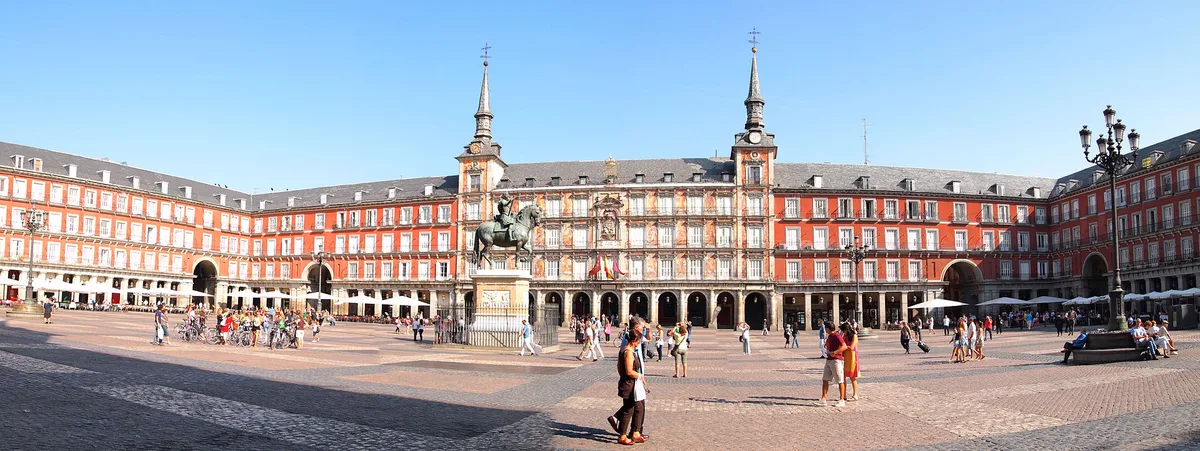
Follow this practical 2 days in Madrid itinerary for day-by-day timing, ticket prices, where to stay, and a day-trip add-on for your 2026 trip.
Read guide →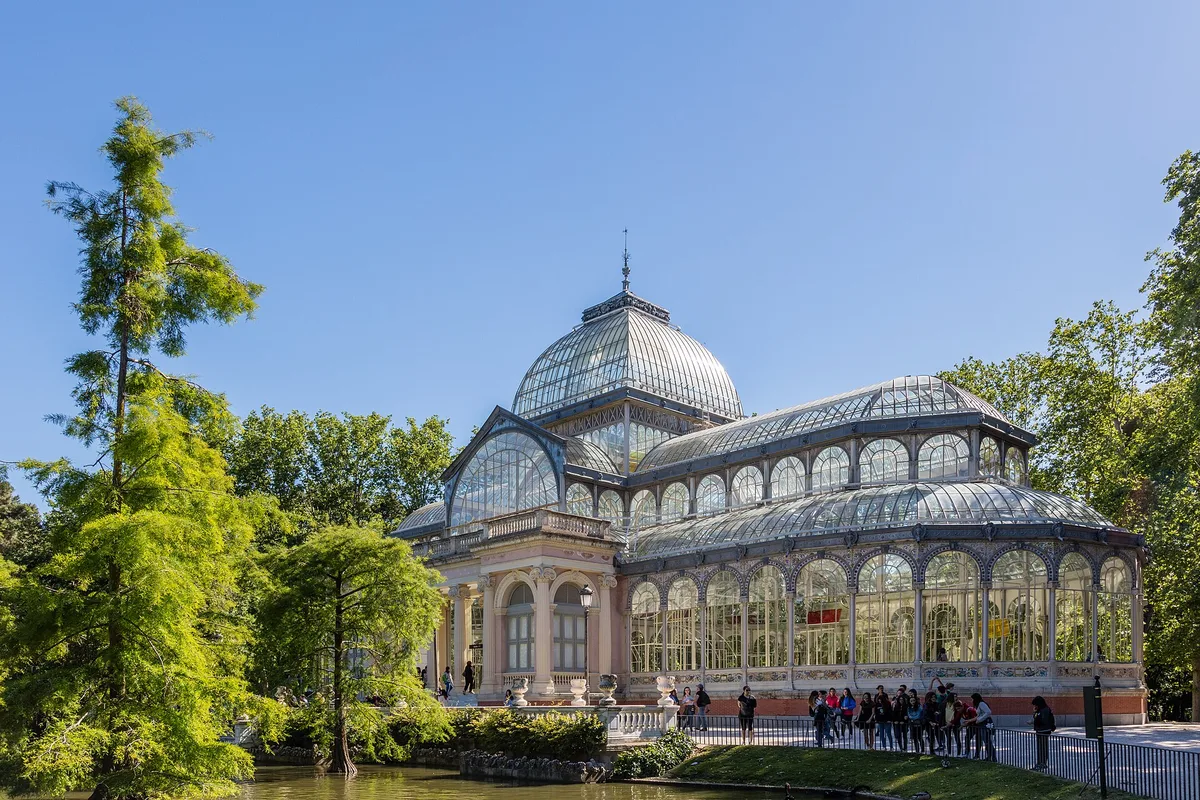
Follow this practical 3 days in Madrid itinerary for day-by-day timing, ticket prices, where to stay, and a smart day-trip add-on for your 2026 trip.
Read guide →
Discover the best museums in Madrid worth visiting in 2026, with current prices, hours, neighborhoods, and tips for planning a smooth gallery day.
Read guide →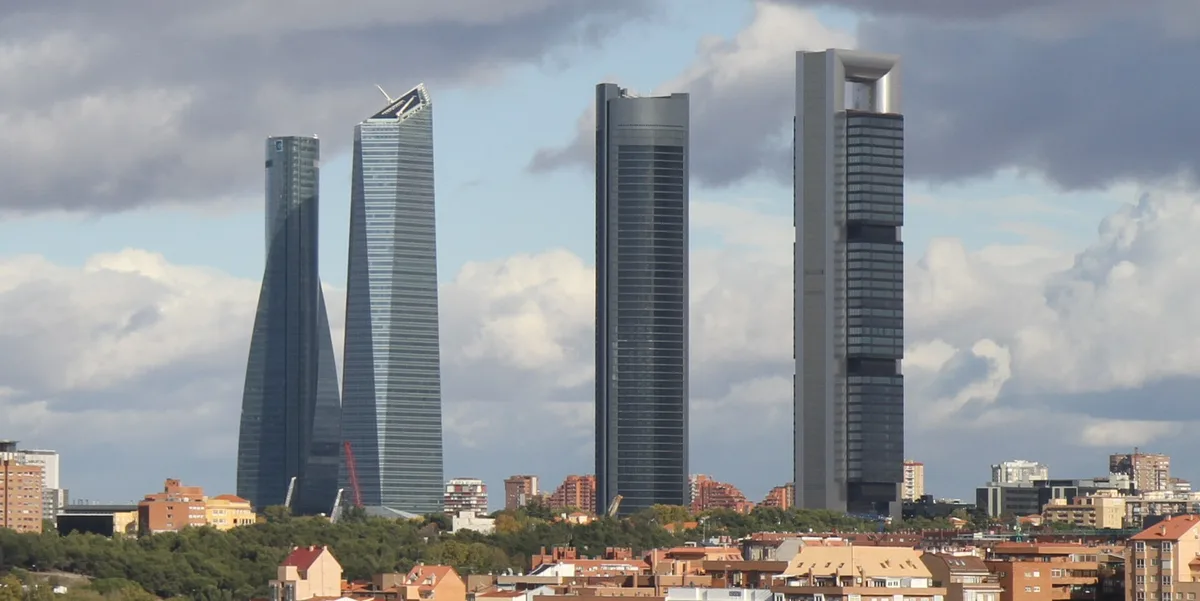
Discover the 10 best viewpoints in Madrid for 2026, from free hilltop parks to rooftop terraces, with prices, hours, and insider timing tips.
Read guide →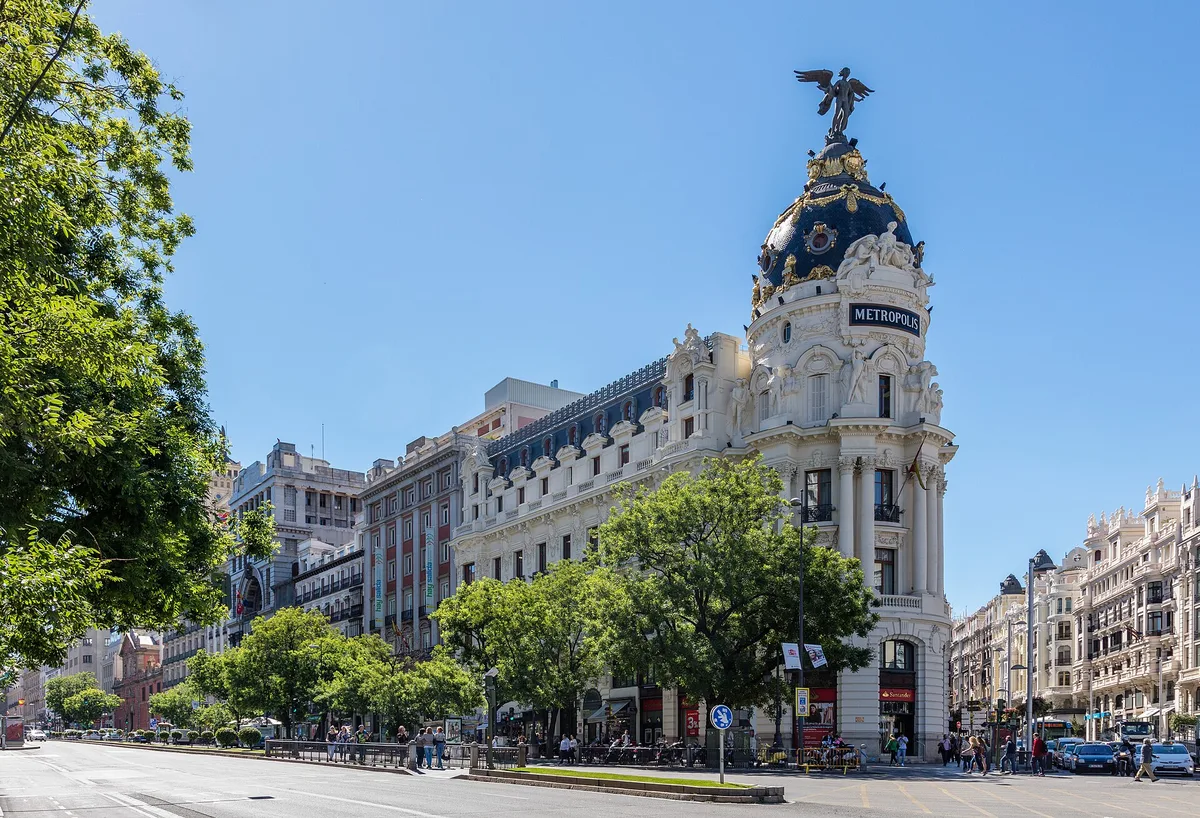
Find the 12 best photo spots in Madrid for 2026, with current hours, entry prices, crowd timing, and the exact time of day each spot shines.
Read guide →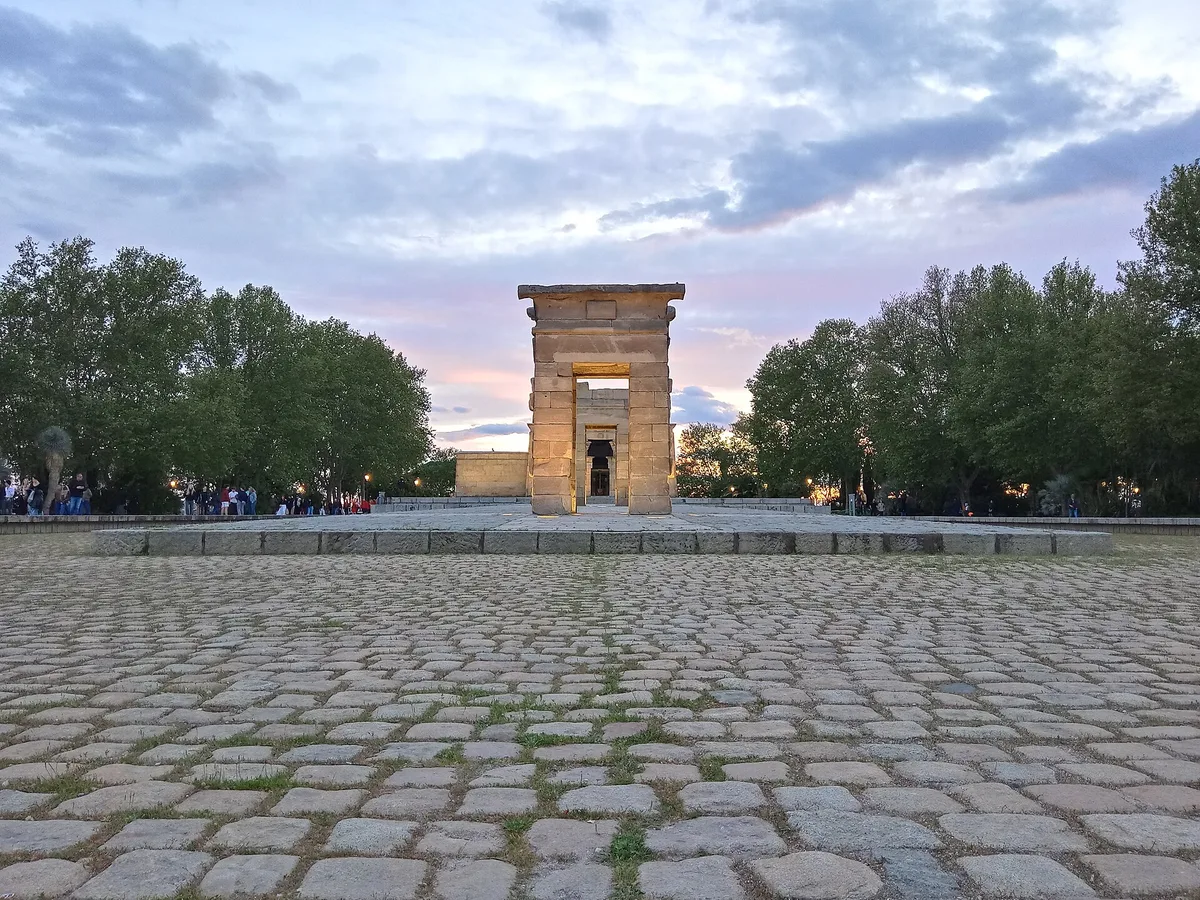
Find where to watch sunset in Madrid, from Cerro del Tío Pío to rooftop terraces, with 2026 timing, cost, and access tips for a smooth evening out.
Read guide →
Discover the best things to do in Madrid at night, from rooftop views and flamenco to late-night tapas crawls and jazz clubs. Plan your 2026 evening now.
Read guide →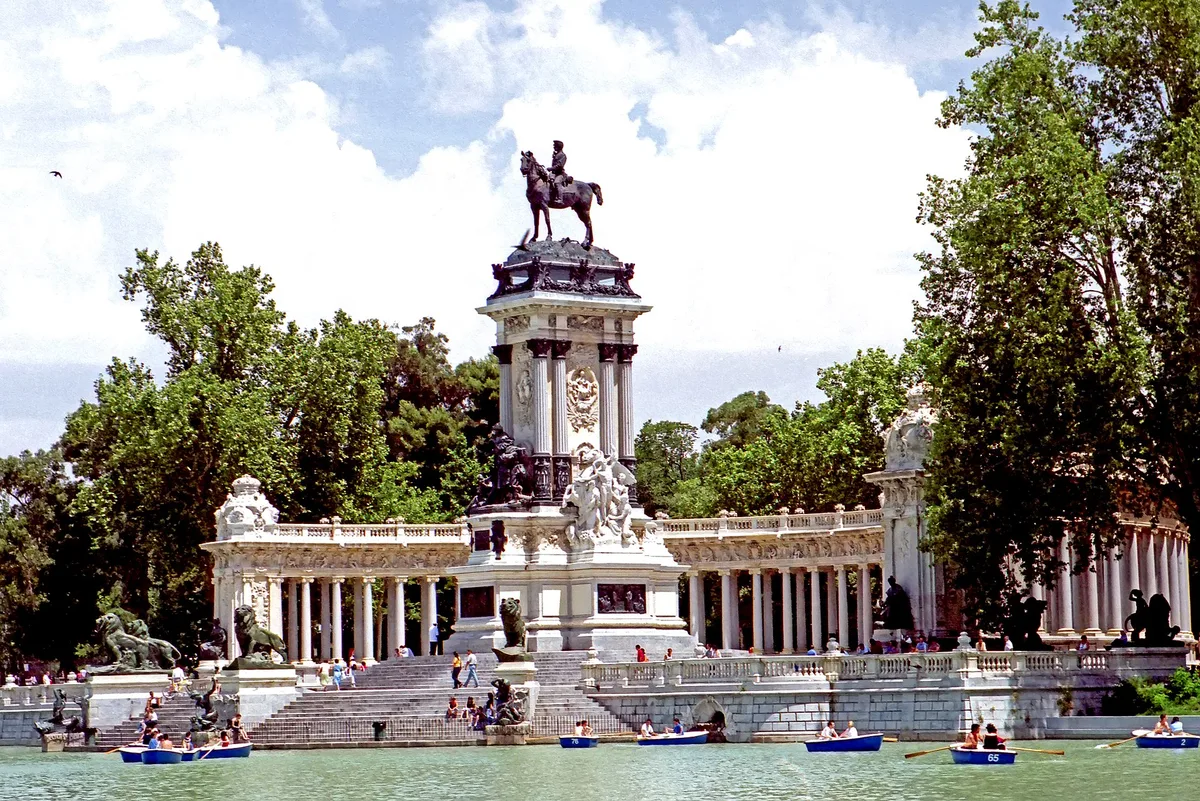
Planning Madrid with kids in 2026? Find the best attractions, parks, playgrounds, museums, family plazas, markets, and budget-friendly planning tips.
Read guide →
Find the best free things to do in Madrid in 2026, from free museum hours to Retiro Park and Temple of Debod, with prices, hours, and planning tips.
Read guide →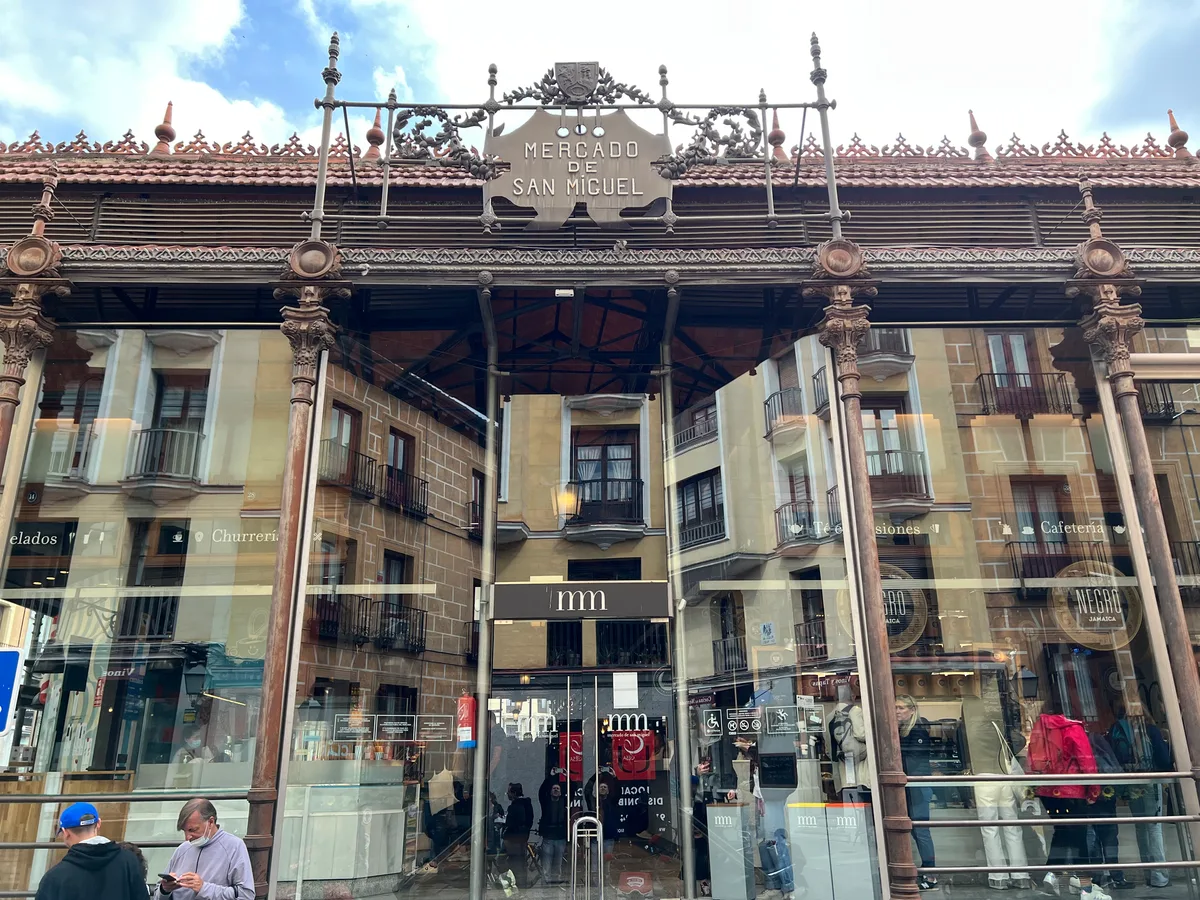
Discovering Madrid on a rainy day? Explore top indoor museums, cozy markets, and family-friendly spots, plus timing tips for a smooth 2026 visit.
Read guide →
Planning day trips from Madrid? Compare Toledo, Segovia, Ávila, Aranjuez and Chinchón by train time, cost and crowd levels, then pick the right 2026 trip.
Read guide →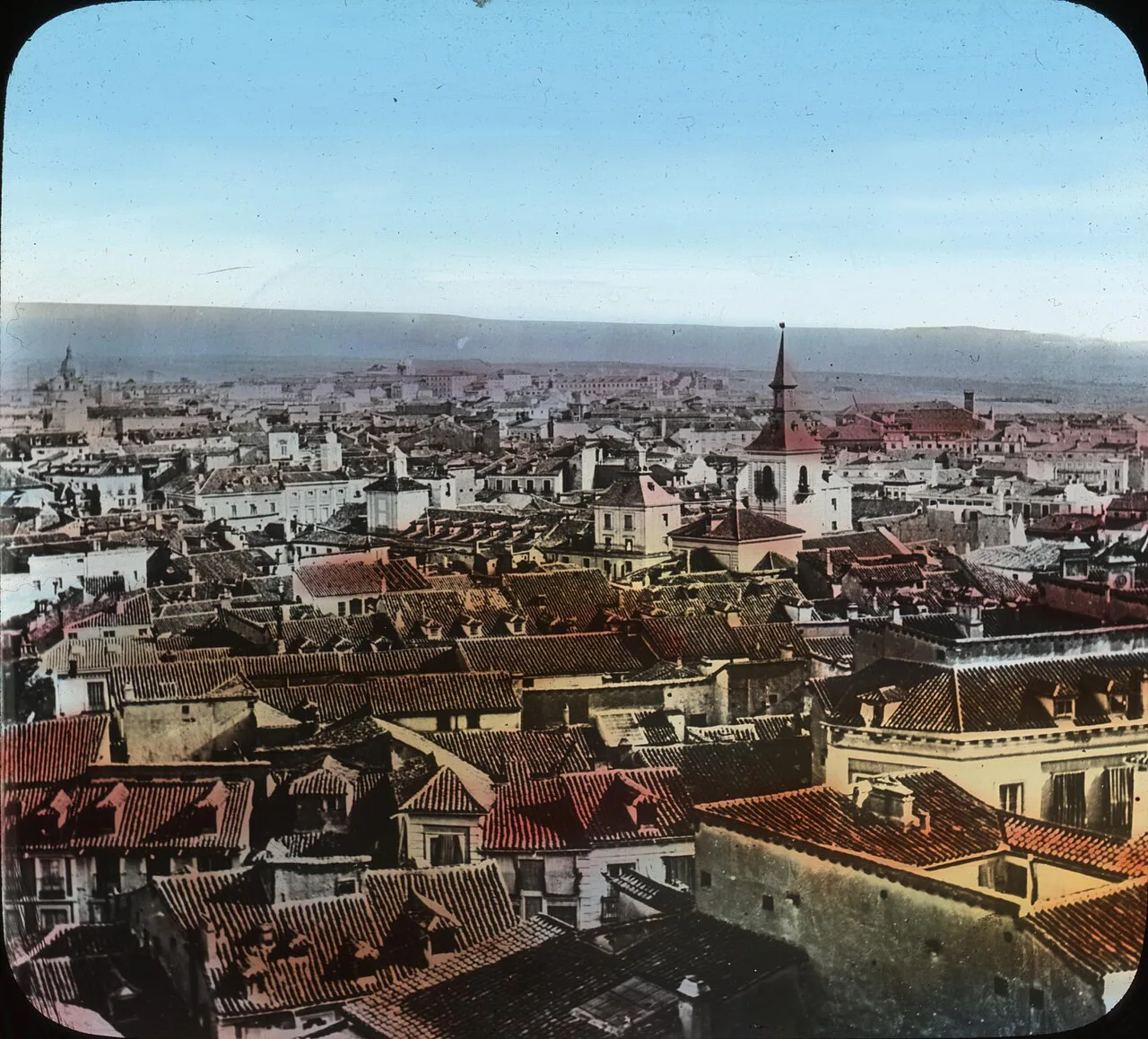
See how many days in Madrid you really need by traveler type, from a 1-day highlight run to a 4-day art and day-trip base for your 2026 plans.
Read guide →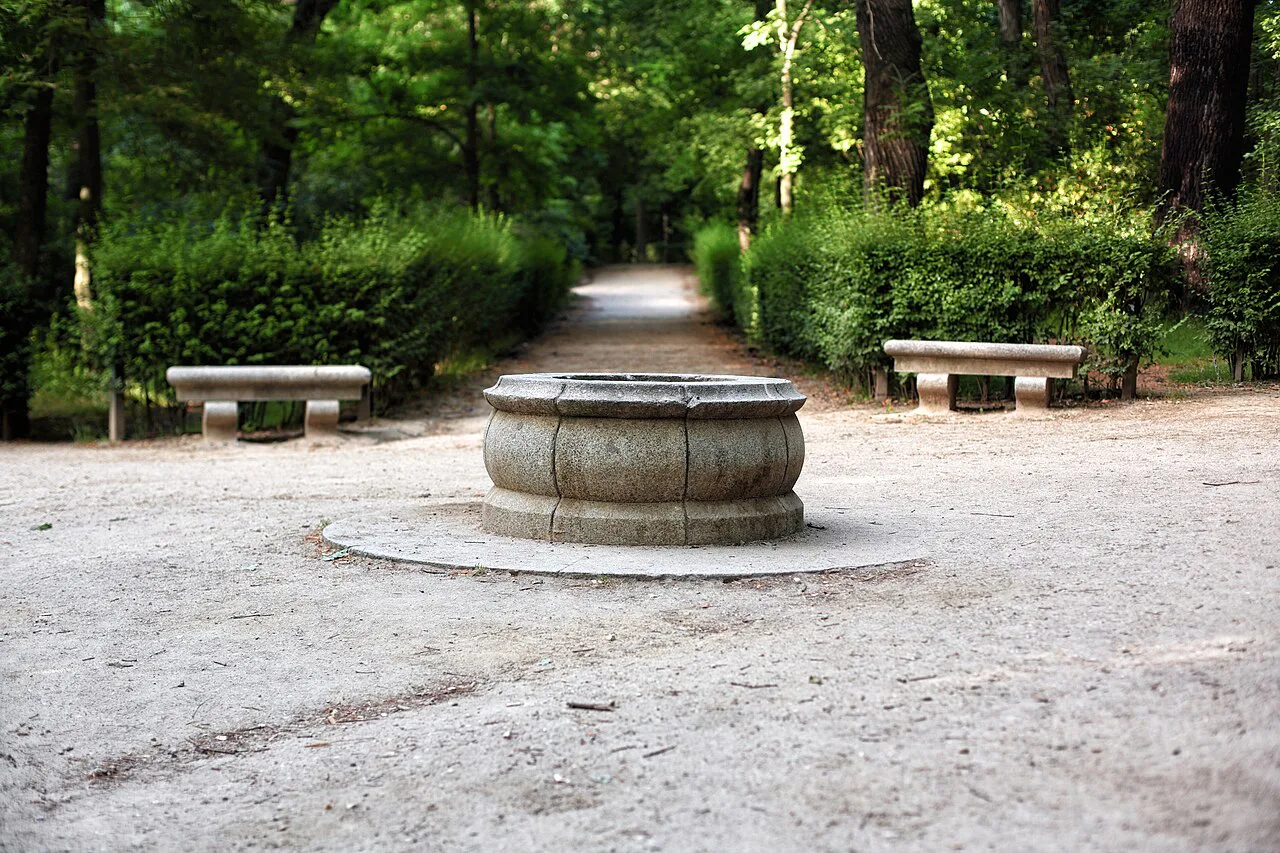
A month-by-month breakdown of Madrid's weather, crowds, festivals, and hotel prices, plus which seasons to book around in 2026.
Read guide →
Compare Sol, La Latina, Malasaña, Salamanca, and five more Madrid neighborhoods by noise, price, and metro access before you book for 2026.
Read guide →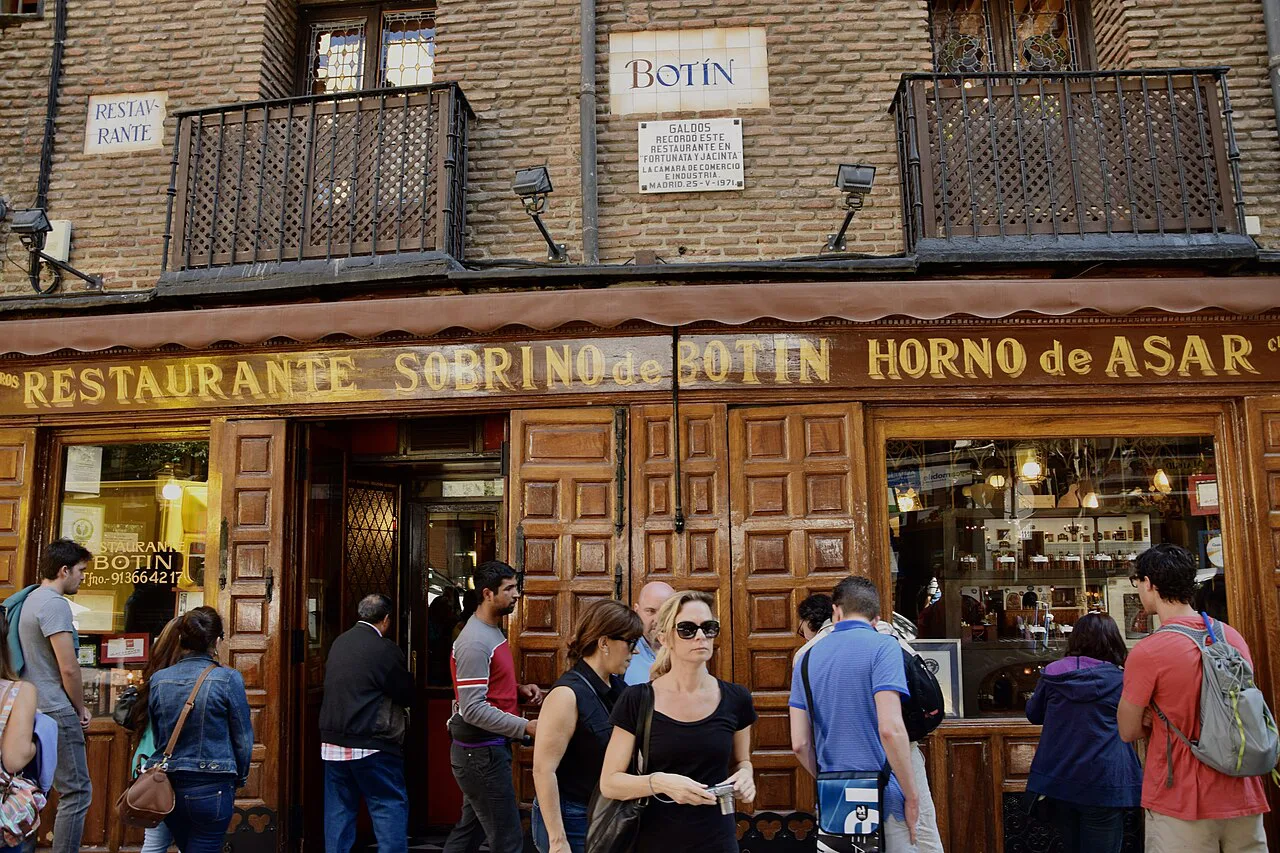
Discover the best restaurants in Madrid, from Sobrino de Botín's historic dining rooms to DiverXO's Michelin tables, plus tapas crawls and tipping tips.
Read guide →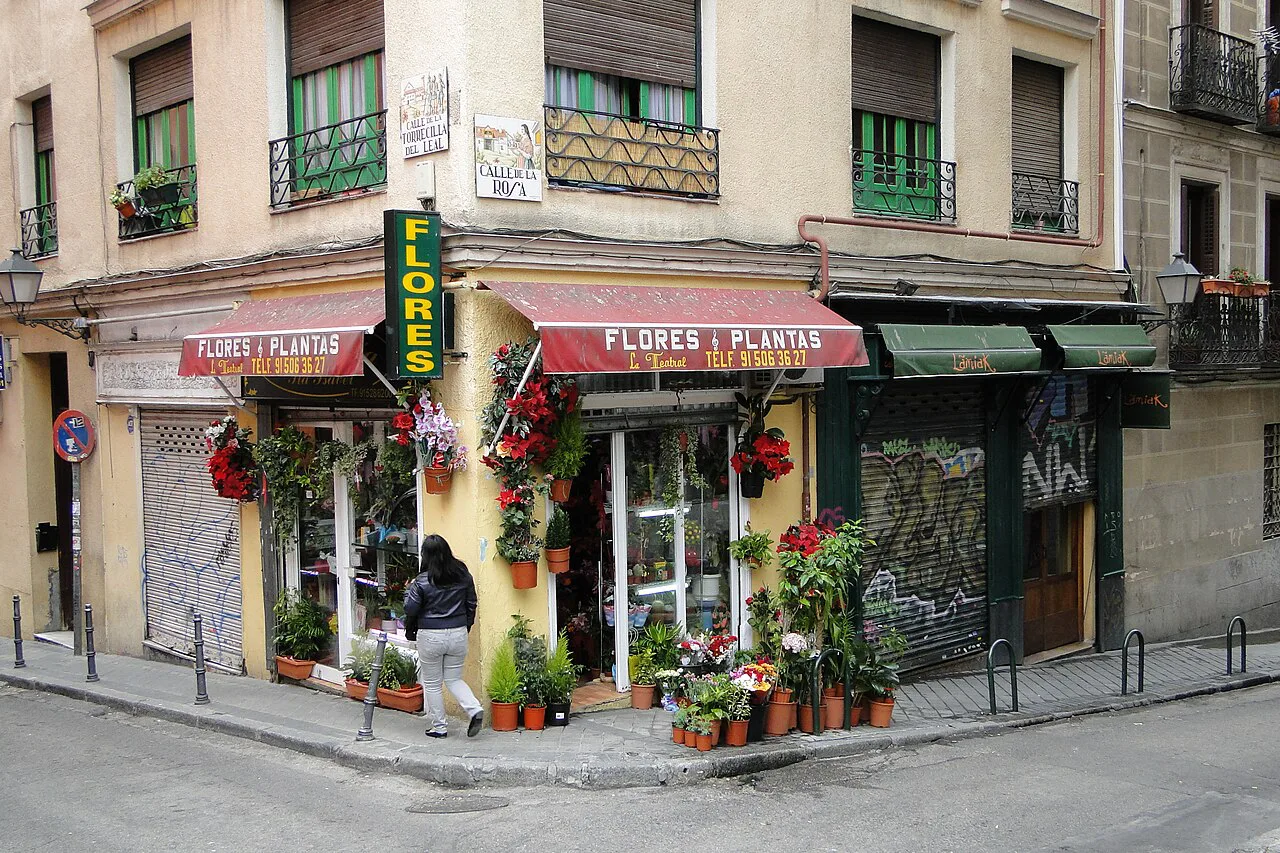
A 2026 guide to shopping in Madrid: Salamanca luxury, Gran Vía flagships, El Rastro's Sunday market, tax-free rules, and rebajas sale dates.
Read guide →Keep exploring