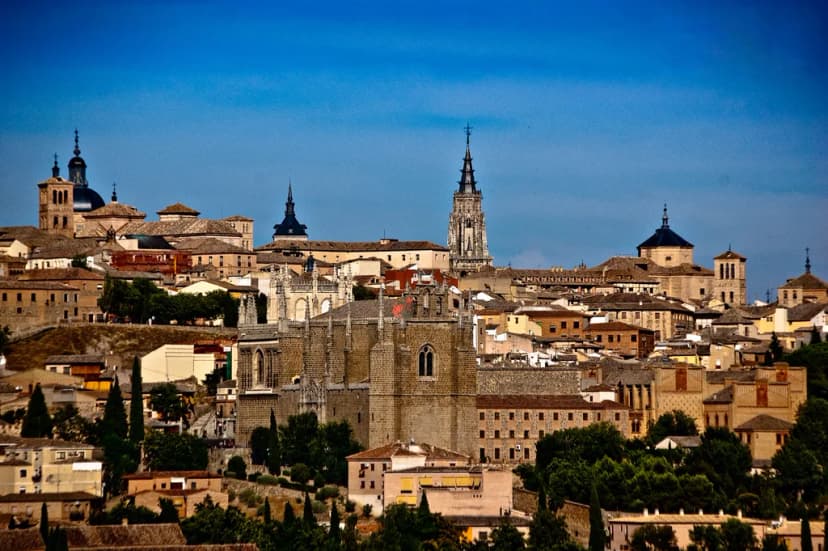
Last updated July 2026, this guide to the best restaurants in Madrid moves past the obvious name-dropping to show how the city actually eats. Centro holds the oldest dining rooms, La Latina runs a Cava Baja tapas circuit, and Chamartín hosts the chef-driven tables locals favor. Ten venues below cover suckling pig, cocido, market tortilla, and Michelin tasting menus, along with the reservations, tipping, and transport logistics needed to get a table.
Madrid's Dining Schedule and Neighborhoods, From Centro to Retiro
Restaurants across Madrid run on a later clock than most European capitals. Lunch service typically starts around 2:00 PM, and dinner rarely gets going before 9:00 PM. Showing up at 7:00 PM for dinner often means an empty dining room or a kitchen that hasn't opened yet. Centro holds the oldest dining rooms, clustered near Plaza Mayor and Puerta del Sol. La Latina specializes in tapas, with Calle Cava Baja lined door to door with bars. Salamanca leans upscale, anchored by Mercado de la Paz. Chamberí stays closer to what locals actually eat, with Ponzano street running its own bar-to-bar circuit. Malasaña carries a younger, more casual bar scene than Centro or Salamanca. Retiro puts a handful of restaurants at the edge of Madrid's largest park, useful for a lunch break between museum stops. Planning meals around a three-day Madrid itinerary works best when lunch lands near midday sightseeing and dinner gets pushed later, Spanish-style. Where to sleep affects how far you'll walk between courses too, so check the guide to choosing a Madrid neighborhood before picking a base.
Arriving at 7:00 PM means finding closed kitchens, yet by 9:00 PM historic institutions like Botín fill quickly—a narrow window that makes advance booking practical despite Madrid's late-meal culture.
10 Best Restaurants in Madrid, From Historic Icons to Michelin Tables
These ten restaurants span three centuries of Madrid cooking, from a 1725 dining room to a Michelin tasting counter. Each entry notes the neighborhood, the dish to order, and how far ahead to book.
- Sobrino de Botín — Centro
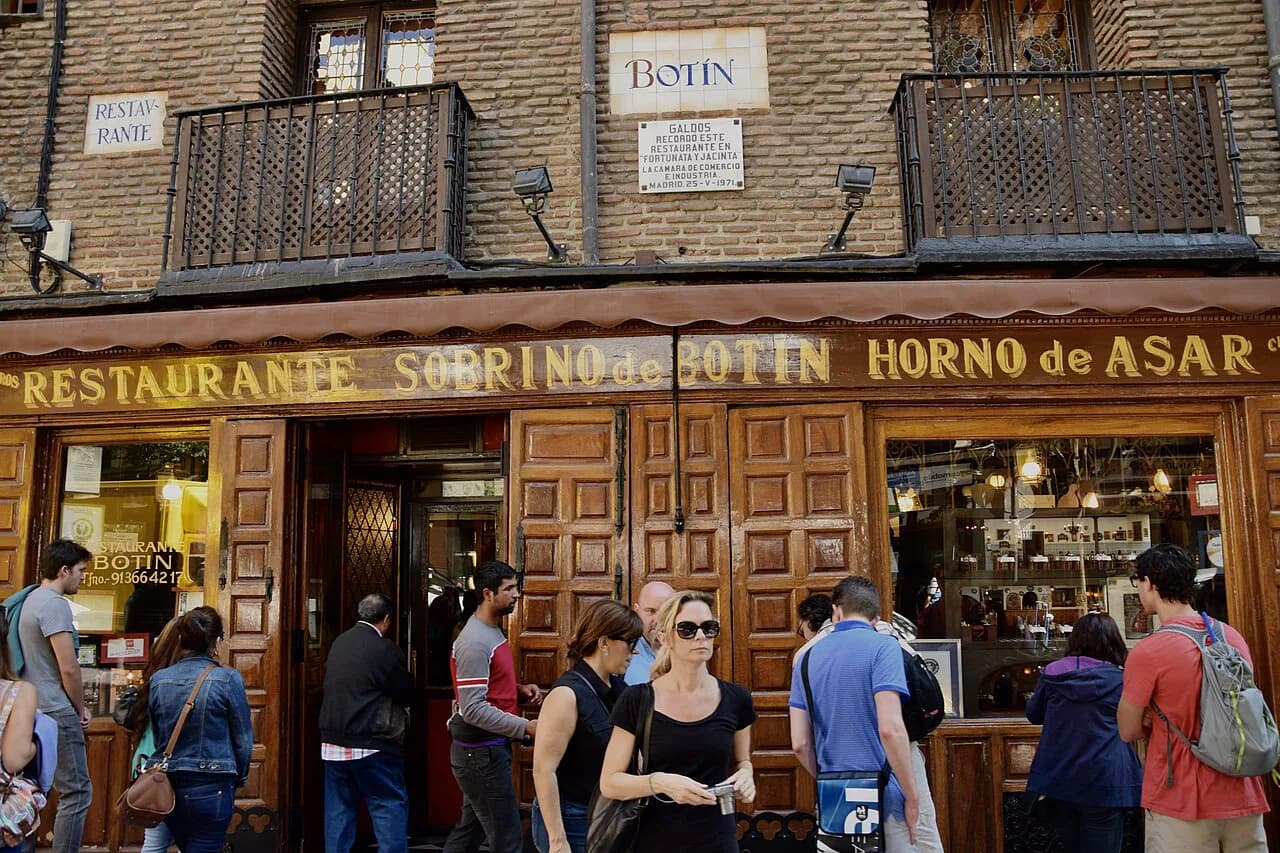
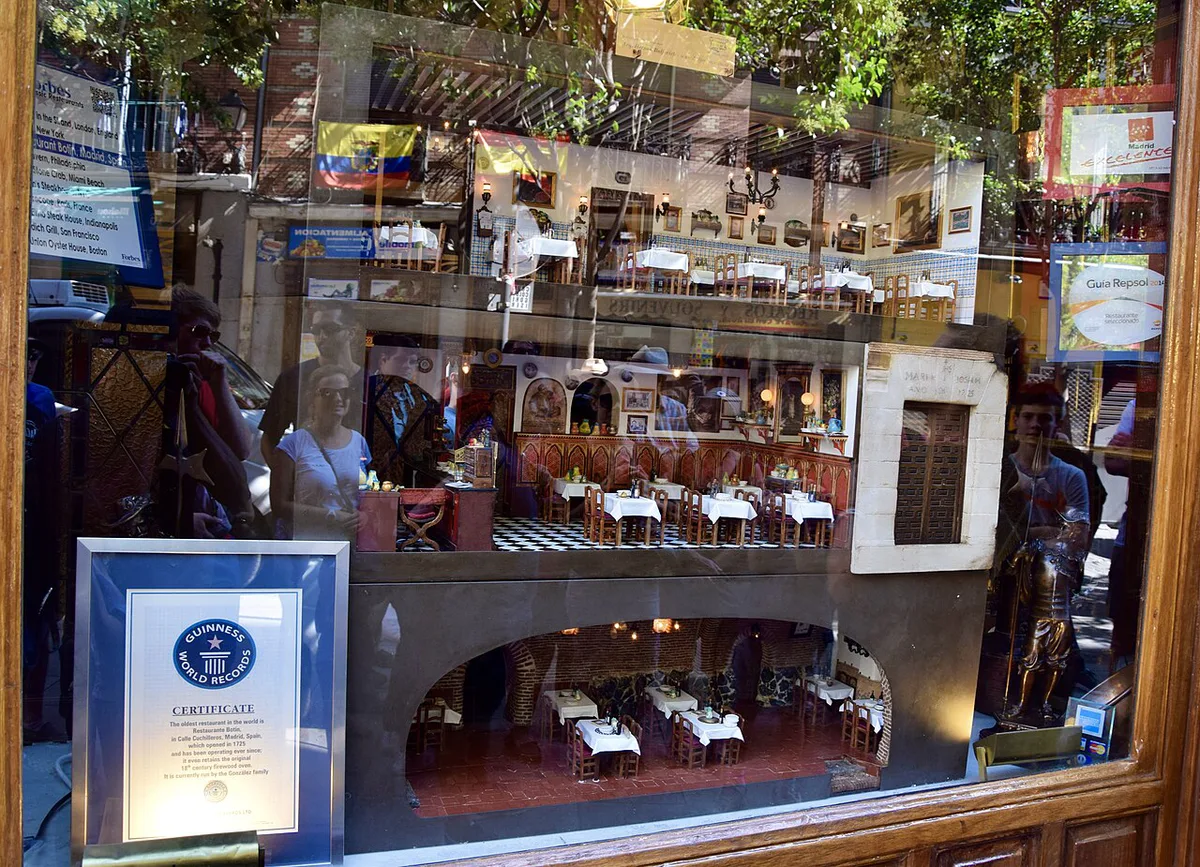
- Operating since 1725 near Plaza Mayor, Botín holds recognition as the world's oldest restaurant according to Guinness World Records.
- Order the roast suckling pig, cooked in the same wood-fired oven the kitchen has used for generations.
- Ask for a table in the cellar dining room, and book at least a few days ahead for dinner.
- Casa Lucio — La Latina
- Halfway down Calle Cava Baja, Casa Lucio draws a steady mix of locals and visiting celebrities.
- Huevos estrellados, fried potatoes topped with a broken egg, is the dish the restaurant is known for.
- Steaks and cocido madrileño round out the menu; reserve ahead, especially on weekends.
- Lhardy — Centro
- Open since 1839 on Carrera de San Jerónimo, Lhardy has hosted Spanish monarchs, politicians, and diplomats over nearly two centuries.
- Cocido madrileño is the signature order here, alongside a sherry-laced consommé served before the meal.
- Dark wood interiors and table service keep the mood formal, so smart-casual dress works best.
- Casa Paco — La Latina
- Locals fill the bar here more than tourists do, a good sign for the kitchen's steaks.
- Order the Solomillo or Churrasco; both arrive seared on one side, then finish cooking on a hot plate at the table.
- Pisto, a stewed tomato, onion, and pepper side, pairs well with either cut.
- Casa Dani — Mercado de la Paz, Salamanca
- This family-run stall inside Mercado de la Paz on Calle de Ayala serves tortilla Española made across three generations.
- Go for breakfast or an early lunch before an afternoon of sightseeing; stools fill up fast at midday.
- It's a market counter, not a sit-down restaurant, so expect quick, informal service.
- Sacha — Chamartín
- Other Madrid chefs eat here on their own time, which says more than any review could.
- Steak tartare is the dish regulars order first.
- Space stays small and intimate, so reserve well ahead for weekend dinners.
- DiverXO
- Chef Dabiz Muñoz built DiverXO around concept-driven tasting menus rather than traditional Spanish plates.
- Muñoz became the youngest chef to lead a restaurant to a third Michelin star, in 2013, at age 33.
- Confirm current star counts and availability on the Michelin Guide's Madrid restaurant listings before booking; tables need weeks of lead time.
- Paco Roncero Restaurante — Centro
- Set on the top floor of the Casino de Madrid, this is where locals go to celebrate.
- Refined tasting menus draw on ingredients from across Spain, plated with technical precision.
- Book ahead for the view alone; the room overlooks Carrera de San Jerónimo.
- Mercado de San Miguel — Centro
- Glass walls and wrought-iron arches make this the most photographed market in the city, right next to Plaza Mayor.
- Tapas counters here run small plates of jamón, seafood, and pintxos, but prices reflect the tourist volume.
- For a less touristy market with the same fresh produce, try Mercado de Chamartín or Mercado Maravillas instead.
- Berlanga — Paella
- Madrid sits landlocked, so seafood-heavy paella isn't the local specialty; rice dishes done the Valencian way are.
- Berlanga makes paella with round-grain rice, chicken, rabbit, beans, and garden vegetables, close to the original recipe.
- Portions are built for sharing, so come with at least one other person.
How to Tapear Like a Madrileño
Tapear means moving between bars for small plates rather than settling into one restaurant for a full meal. Order one or two dishes per stop, share everything, and move on after a round or two. Calle Cava Baja in La Latina and Ponzano in Chamberí both run bar to bar with minimal walking between stops. Start with patatas bravas, fried potatoes in a pimentón-spiked sauce that originated in Madrid. Add bocadillo de calamares, a fried-squid sandwich sold from stalls near Plaza Mayor. Order a tortilla Española at nearly any stop; it's the one dish every bar does its own way. Pair a La Latina crawl with an evening out. Madrid's after-dark scene covers what comes next.
Markets Beyond Mercado de San Miguel
Mercado de San Miguel works well for a first stop, but it isn't where most Madrid households shop. A mostly Spanish clientele browses fresh produce, seafood, and cured meats at Mercado de Chamartín instead. Mercado Maravillas runs larger and more diverse, reflecting decades of immigration into the city; stalls sell ingredients from well beyond Spain alongside the usual jamón and cheese counters. Neither market caters to tourists the way San Miguel does, so expect stall owners who speak fast Spanish and fewer English menus. For more spots away from the main tourist circuit, the under-the-radar Madrid spots guide covers additional options.
Historic Institutions vs. Local Favorites vs. Market Stalls
Budget, booking difficulty, and vibe vary sharply across these three categories. Use the table below to match a restaurant type to the kind of meal planned.
| Category | Examples | Vibe | Booking Difficulty | Relative Price |
|---|---|---|---|---|
| Historic Institutions | Sobrino de Botín, Casa Lucio, Lhardy | Formal, traditional dining rooms | Book several days ahead; weeks for weekend dinners | Full sit-down pricing, higher than a tapas bar |
| Local Favorites | Sacha, Casa Paco | Intimate and chef-driven, or neighborhood-local | Reserve ahead, especially for Sacha's small dining room | Mid-range to high, tasting-menu pricing at Sacha |
| Market Stalls | Casa Dani, Mercado de San Miguel counters | Casual counter or standing service | No reservation needed; arrive early to beat crowds | Lowest of the three, priced per small plate |
Reservations, Tipping, Dress Code, and Dietary Notes
Reservations matter most at the Michelin tables and the smallest dining rooms. DiverXO and Sacha both need lead time measured in weeks, not days. Historic institutions like Botín and Lhardy take walk-ins but fill fast around 9:00 PM, so book a few days ahead when possible. Tapas bars along Cava Baja and Ponzano rarely take reservations at all; arrive and wait for a spot at the bar. Service charges are typically built into the menu price in Spain, so tipping isn't required the way it is in the US. Rounding up the bill or leaving a few coins covers a standard meal; a 10 percent tip is reserved for exceptional service at higher-end restaurants. Dress codes stay relaxed at tapas bars and markets, where jeans and a t-shirt are standard. Smart-casual works for historic institutions and local favorites. Fine-dining tables like DiverXO and Paco Roncero expect collared shirts, closed-toe shoes, and no shorts. Vegetarian options run thin at meat-focused spots like Botín and Casa Paco, so ask ahead or lean on market stalls and tapas bars, where patatas bravas, tortilla, and pisto are naturally vegetarian.
Getting to Dinner: Metro, Cabify, and Arriving from Barajas
Driving into central Madrid rarely makes sense for a dinner reservation; parking is limited and much of Centro restricts vehicle access. Metro lines reach most restaurant neighborhoods directly, with stations a short walk from Cava Baja, Mercado de la Paz, and Plaza Mayor. Cabify tends to run more reliably than Uber for late-night pickups after a tapas crawl, since driver availability skews higher on the Spanish app. Landing at Barajas Airport before a dinner reservation still leaves time for a first stop. Take the Cercanías train or Metro into central Madrid, check into a hotel, then reach an early tapas bar before the 9:00 PM dinner rush starts. Tap water across Madrid is safe to drink straight from the tap, so skip bottled water at the table unless sparkling is preferred. Walking between tapas bars in La Latina and Chueca after dark is common practice for both locals and visitors. Stick to the well-lit main streets around Cava Baja; the same general precautions that apply to any city center at night are enough here. Pair a late dinner with sightseeing earlier in the day. Madrid's best museums guide covers lunch spots near the Prado and Reina Sofía before the evening tapas crawl begins.
Landing at Barajas before dinner still leaves time for a first stop, since service rarely starts before 9:00 PM—timing that lets airport arrivals experience early tapas while navigating connections to lodging.
Where to Eat First After Arriving at Barajas
Choose a first meal based on your airport route instead of crossing Madrid twice. Metro Line 8 reaches Nuevos Ministerios from Barajas. From there, continue toward Mercado de la Paz for Casa Dani’s tortilla Española. Check the market’s opening hours before traveling, especially on Sundays.
Cercanías trains from Terminal 4 connect with central rail and Metro stations. Sol makes a practical onward destination for travelers staying in Centro. Casa Labra, near Puerta del Sol, specializes in cod croquettes and fried salt cod. Its standing bar suits a quick meal before hotel check-in.
Near Plaza Mayor, La Campana serves Madrid’s classic bocadillo de calamares. The fried-squid sandwich is filling, informal, and easy to eat without committing to a long lunch. Travelers carrying large bags should leave them at their hotel or a staffed luggage facility first. Historic taverns and market counters often have narrow entrances, crowded bars, and little storage space.
For trip-planning details, see Madrid travel guide - Wikivoyage.
Frequently Asked Questions
What is the best time to eat dinner in Madrid?
Plan on a 9:00 PM start for dinner in Madrid; most kitchens don't open before then, and dining rooms only fill up starting around 9:30 or 10:00 PM. Arriving at 7:00 PM often means cold kitchens or empty dining rooms.
Do restaurants in Madrid require reservations?
Historic institutions and Michelin tables like Botín, Lhardy, DiverXO, and Sacha all benefit from advance booking, with DiverXO and Sacha needing the most lead time. Tapas bars along Cava Baja and Ponzano rarely take reservations; arrive and wait for space at the bar instead.
Is tipping expected at restaurants in Madrid?
Service charges are typically included in the menu price across Spain, so tipping isn't required. Rounding up the bill covers a standard meal, and a 10 percent tip is reserved for exceptional service at higher-end restaurants.
Is Madrid tap water safe to drink?
Yes, tap water in Madrid is safe to drink and commonly served at the table without being asked. Skip bottled water unless sparkling is preferred.
What is the best way to get around Madrid for a restaurant crawl?
Metro lines cover most restaurant neighborhoods directly and stay reliable through the evening. Cabify tends to outperform Uber for late-night pickups after a tapas crawl, since driver availability runs higher on the Spanish app.
What should visitors wear to dinner in Madrid?
Tapas bars and markets stay casual; jeans and a t-shirt are standard. Historic institutions and local favorites call for smart-casual, and fine-dining tables like DiverXO and Paco Roncero expect collared shirts and closed-toe shoes.