
Last updated August 2026, this guide looks past the Mezquita-Catedral and Alcázar de los Reyes Cristianos toward the hidden gems in Córdoba that most Seville day-trippers skip. Callejón del Indiano, Calleja de los Arquillos, and Zoco Municipal de Artesanía top the priority list if time is tight. Sections below add year-round patios, Roman ruins, and a Mozárabe food route, so a Córdoba visit covers more than the standard checklist.
12 Hidden Gems in Córdoba to Add to Your Route
Córdoba's historic center is compact enough to cross on foot in under an hour. Most of these hidden gems in Córdoba sit within a few blocks of the Mezquita-Catedral and the Judería. Only a handful charge an entry fee, and none require a car. Items below run roughly from the old Jewish Quarter toward the market district, so several fit into one walking loop.
- Callejón del Indiano
- A 15th-century palace facade off Plaza Ángel de Torres hides a dead-end alley behind its wooden doors, which stay open to the public despite looking like a private entrance.
- Entry costs nothing, and five to ten minutes covers the short lane before you double back the way you came.
- Morning light works best for photos, before Mezquita-bound foot traffic picks up nearby.
- Calleja de los Arquillos
- Barred gates seal off what's likely Córdoba's narrowest alley, so you view the small connecting arches between two former medieval palaces rather than walk through them.
- It's free and takes about two minutes, tied to the Casa de las Cabezas museum next door.
- A local legend links the alley to a 10th-century nobleman's family tragedy, an eerie footnote most passersby never hear.
- Calleja de la Luna
- Enter through the Puerta de la Luna, a fragment of the old city walls with Roman-era stonework, then follow the winding lane into Plaza de la Luna.
- Wandering the connected archways deeper into the Jewish Quarter is free and takes 15 to 20 minutes.
- This gateway appeared on a Spanish postage stamp in 2015, a small sign of local pride in the spot.
- Calleja de la Hoguera
- A narrow lane runs directly beneath a surviving minaret from the former Mosque de los Andaluces, one of the few Moorish-era minarets still standing in the city.
- It's free, and a five-minute detour if the alley is already on your route through the old town.
- Late afternoon light angles well through the tunnel-like passage under the tower.
- Zoco Municipal de Artesanía
- A Mudéjar-style courtyard a short walk from the Mezquita houses working artisan stalls selling leather goods, ceramics, and other handmade crafts.
- Entry is free, and 20 to 30 minutes lets you watch artisans work rather than just browse.
- It's quieter than the souvenir shops ringing the Mezquita, and better for anything actually made in the city.
- Courtyard of the Museum of Fine Arts
- A shaded courtyard shared with the Museo Julio Romero de Torres stays open to the public for free, even if you skip both galleries.
- Ten minutes covers the trees, potted plants, and the red-painted facade facing the courtyard.
- The Museum of Fine Arts itself is free for EU citizens and around €1.50 for non-EU visitors, based on its most recently published rate, so pairing a courtyard stop with a gallery visit costs little extra.
- Roman Temple Ruins (Templo Romano)
- Marble columns from a 1st-century Roman temple, once part of the city's provincial forum, stand mid-block on a modern street near Plaza de las Tendillas.
- Viewing them from the street is free and takes about five minutes, since the site is fenced rather than open to walk through.
- After dark, the columns are lit against the sky for one of the more striking photos in the city.
- Casa Andalusí
- A 12th-century Moorish home in the Jewish Quarter has been restored with a small courtyard fountain, period furniture, and a recreated Roman mosaic floor.
- A modest admission fee applies; confirm current pricing locally since small museums like this adjust rates periodically.
- Twenty to thirty minutes suits a house this size, and it pairs naturally with the alleys nearby since it sits deep in the same quarter.
- Casa Sefarad
- A few doors from Casa Andalusí, this small museum covers Córdoba's Sephardic Jewish history through music, poetry, and rotating exhibitions.
- Admission runs similarly modest to its neighbor; check current pricing before visiting.
- Combine it with a walk past the nearby Synagogue of Córdoba, one of the few medieval synagogues still standing in Spain.
- Palacio de Viana
- Twelve interlinked patios and gardens make this the closest thing Córdoba has to a museum of courtyards, and it stays open across the year rather than only during the May festival.
- Tickets are typically split between a patios-only pass and full-house admission that includes the furnished rooms; confirm current pricing and whether that split still applies before visiting.
- Sixty to ninety minutes lets you see every courtyard instead of rushing the highlights.
- San Basilio Neighborhood Patios
- This residential quarter keeps several private patios open outside festival season, and house numbers 14, 17, 20, and 44 on Calle San Basilio have been reported open for a small fee or donation.
- A four-patio pass in this neighborhood has recently run around €5.50; confirm current cost since participating houses and fees shift by season.
- Look for the bronze La Regadora statue nearby, a favorite on family routes through the area, and see the Córdoba with kids guide for more nearby stops.
- Mercado Victoria
- Set inside a 19th-century pavilion in the Jardines de la Victoria park, this market is often billed as Andalusia's first gourmet market, with stalls ranging from Spanish tapas to pizza and sushi.
- There's no entry fee; budget separately for individual dishes and drinks, and expect a livelier scene after dark than at midday.
- It's a practical stop if time is short, since it gathers several Mozárabe-adjacent bites under one roof instead of requiring separate restaurant visits.
See Córdoba's Patios Without the May Crowds
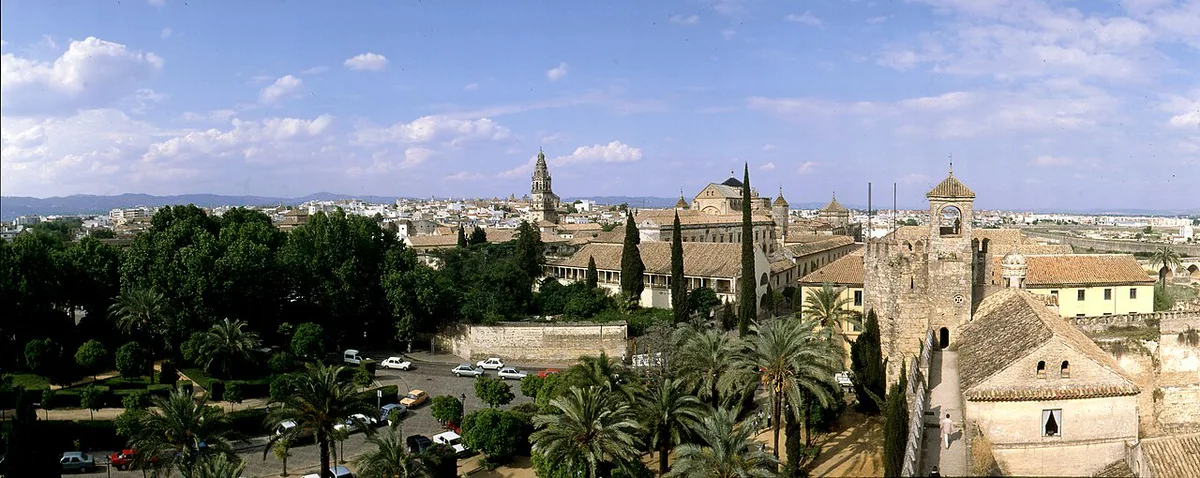
Córdoba's courtyard tradition holds UNESCO Intangible Cultural Heritage status, and most visitors assume that means a May-only visit. Two routes stay open all year: Palacio de Viana and the San Basilio houses, both already covered above as gems. Comparing all three side by side helps with timing, including the official Patios Festival.
| Patio Route | Best For | Typical Cost | When It's Open |
|---|---|---|---|
| Palacio de Viana | The fullest "museum of patios" experience | Separate patios-only or full-house tickets (confirm current pricing) | Year-round |
| San Basilio houses 14, 17, 20, 44 | A quieter, residential feel | Around €5.50 for a four-patio pass (confirm current cost) | Year-round, hours vary by house |
| Official Patios Festival | The largest number of patios open at once | Free or small donation at most participating houses | Roughly the first two weeks of May (confirm 2026 dates) |
Mozárabe Flavors to Pair With Your Hidden Córdoba Route
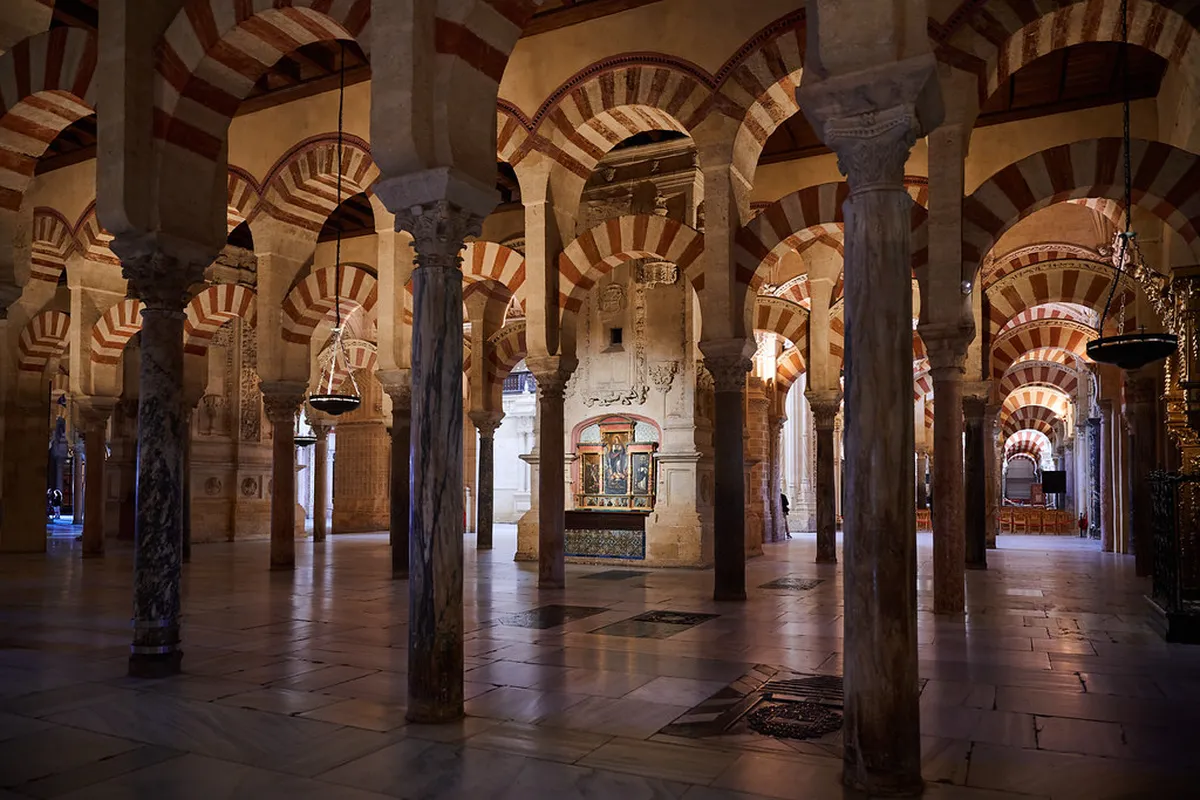
Mozárabe cuisine blends Roman, Arab, and Berber influences into dishes that taste distinct from what's served in Seville or Málaga. Three plates define the style locally, detailed below with what makes each one worth ordering. Mercado Victoria, covered among the hidden gems above, is the fastest way to try several of them under one roof. Montilla-Moriles, the wine region roughly 40 minutes away, produces fino, oloroso, and Pedro Ximénez styles that are lighter and less fortified than sherry. Pairing a glass with lunch rounds out a Córdoba-specific meal, and a full Montilla-Moriles day trip covers the vineyards themselves. La Rambla's ceramics workshops sit about 30 km away and make a reasonable add-on to the same day trip.
Though the hidden gems and Montilla-Moriles are presented separately, they are compatible in a single-day itinerary: the gems fit comfortably into a half-day loop, leaving afternoon hours for the wine region roughly 40 minutes away to round out a Córdoba-specific meal.
- Salmorejo
- A thick, cold tomato soup topped with jamón ibérico and boiled egg, richer and smoother than gazpacho.
- Order it as a starter at almost any traditional tavern in the historic center.
- Flamenquín
- A breaded, deep-fried pork roll stuffed with ham, best paired with a dipping sauce and a cold beer.
- It can run dry on its own, so ask for the sauce that usually comes alongside it.
- Berenjenas con miel y queso de cabra
- Fried eggplant drizzled with honey and goat cheese, a sweet-savory combination specific to this region.
- It shows up on tapas menus across the old town, usually as a shareable plate.
Hidden Gems vs the Big Three: Budgeting Your Time and Money
Several of the stops above cost nothing, and stacking them against the paid landmarks helps with planning a route on a budget. Pairing this list with the free things to do in Córdoba guide stretches a tight budget even further. Historically, the Mezquita's free entry window has run from about 8:30 to 9:30 in the morning, except Sundays and holidays. Confirm the current schedule before planning a visit around it. Time and cost differ quite a bit between the major sites and a half-day loop through the hidden gems. A few planning mistakes show up again and again in visitor accounts, listed below.
When summer temperatures exceed 100°F (38°C), mornings before 10 a.m. become the only comfortable walking window—aligning with the Mezquita's 8:30–9:30 a.m. free entry. Since the free hidden gems sit within walking distance of the Mezquita, an early budget-conscious route is both practical and essential during peak heat.
| Site | Time Needed | Typical Cost | What You Get |
|---|---|---|---|
| Mezquita-Catedral | 1 to 1.5 hours | Around €13 for standard entry (confirm current rate) | The striped arches and the cathedral built inside |
| Torre del Alminar (Bell Tower) | 20 to 30 minutes | Around €3 (confirm current rate) | Rooftop views over the Mezquita and the Guadalquivir |
| Alcázar de los Reyes Cristianos | 1 to 1.5 hours | Gardens free; palace entry priced separately (confirm current rate) | Fortress history plus formal gardens |
| Hidden gems half-day loop | 3 to 4 hours | Mostly free, with a few fees under €10 | Quiet corners most day-trippers skip entirely |
- Visiting in July or August
- Temperatures regularly climb past 100°F (38°C), and mornings before 10 a.m. are the only comfortable window for walking routes.
- Booking same-day tickets to the Mezquita or Alcázar
- Sold-out same-day tickets are common without advance booking, based on visitor reports from peak periods.
- Treating Córdoba as a four-hour stop
- The Jewish Quarter's lanes and patios feel different once the tour buses leave, so an overnight stay lets you walk them again at dusk.
- For a tighter schedule, the one-day Córdoba itinerary shows how to fold two or three of these stops around the Mezquita and Alcázar.
- Driving into the historic center
- Parking within the old walls is scarce, and nearby garages charge daily rates; one visitor's hotel quoted €42 for a two-day pass.
- Plan to walk everything once you arrive, since the historic center is compact enough to cover on foot.
Experience Córdoba's Hidden Corners After Dark
Several of these spots change character after sunset. Roman Temple ruins are lit against the night sky, and the alleys around the Jewish Quarter empty out once day-trip buses leave. For a fuller list of evening options beyond these quiet corners, see the Córdoba at night guide.
For trip-planning details, see Cordoba travel guide - Wikivoyage and Cordoba - Wikipedia.
Explore hidden gems in other cities
Frequently Asked Questions
Are the hidden gems in Córdoba free to visit?
Most of them are. Alleys, Roman Temple ruins, Zoco Municipal de Artesanía, and the Museum of Fine Arts courtyard all cost nothing to see. Casa Andalusí, Casa Sefarad, Palacio de Viana, and some San Basilio patios charge modest entry fees, so confirm current pricing before you go.
What is the best month for Córdoba's patios?
May draws the largest number of open patios, timed to the official Patios Festival. Palacio de Viana and the San Basilio houses at numbers 14, 17, 20, and 44 stay open all year. That makes them the better choice for a quieter visit.
Can you see Córdoba's hidden gems in one day?
A single day covers the alleys plus two or three other stops, but it skips the Jewish Quarter's quieter evening atmosphere. An overnight stay lets you walk the same lanes again once the day-trip buses from Seville have left.
Where are most of Córdoba's hidden gems located?
Most sit inside the historic center and the Judería, within easy walking distance of the Mezquita-Catedral. Mercado Victoria and the Roman Temple ruins are the two exceptions, both a short walk beyond the old Jewish Quarter.
Do you need to book Mezquita or Alcázar tickets in advance?
Advance booking is worth it. Same-day tickets have sold out for visitors arriving without a reservation, particularly in busier months. Reserve online before committing a morning to either site.
Plan More of Your Cordoba Trip
Use these focused guides to turn Cordoba landmarks into a realistic city plan.