Last updated August 2026, this guide covers the best day trips from Córdoba, from a 10th-century caliphate capital to whitewashed hill towns in the Sierras Subbéticas. Córdoba sits centrally in Andalusia, within 20 minutes to 90 minutes of castles, wine towns, and Roman ruins by train, bus, or car. Once you've worked through a one-day Córdoba itinerary, these outings fill a second, third, or fourth day.
The Best Day Trips from Córdoba at a Glance
Three trips stand out for different reasons. Medina Azahara delivers the deepest history in the shortest time. Castillo de Almodóvar del Río delivers the most dramatic views, plus a Game of Thrones filming location. Seville delivers big-city sights when a second overnight isn't already planned. Nine destinations below are each reachable within a day.
Although destinations lie within 20 minutes to 90 minutes of travel time, most sites require two to three hours of exploration, making same-day multi-site itineraries challenging without planning.
- Medina Azahara — 10th-century ruined palace-city, about 20 minutes by dedicated bus
- Castillo de Almodóvar del Río — hilltop Moorish fortress, about 30 minutes on bus M-250
- Seville — Real Alcázar, Cathedral, and Barrio Santa Cruz, 45 minutes by AVE
- Écija — Baroque towers and Roman mosaics, about 50 minutes by ALSA bus
- Antequera — UNESCO dolmens and El Torcal limestone, about 1 hour by train
- Montilla — Montilla-Moriles wine bodegas, under an hour by bus
- Priego de Córdoba — Barrio de la Villa and Balcón del Adarve, about 1 hour 15 minutes by car
- Zuheros — cliffside village with river-canyon hiking, best reached by car
- Puente Genil — Roman Villa of Fuente Álamo mosaics, about 30 minutes by train
Getting Around Andalusia: Train, Bus, or Car
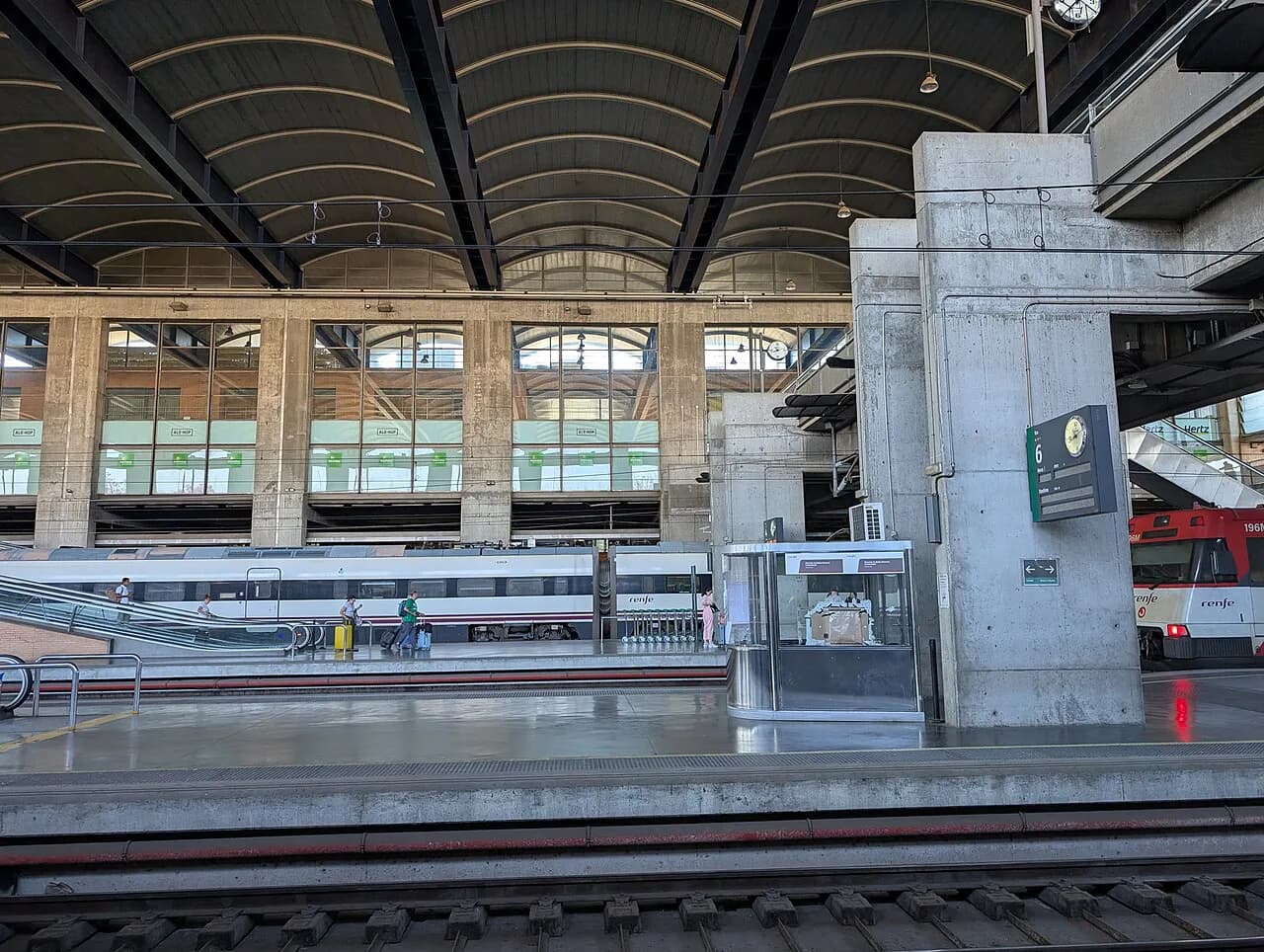
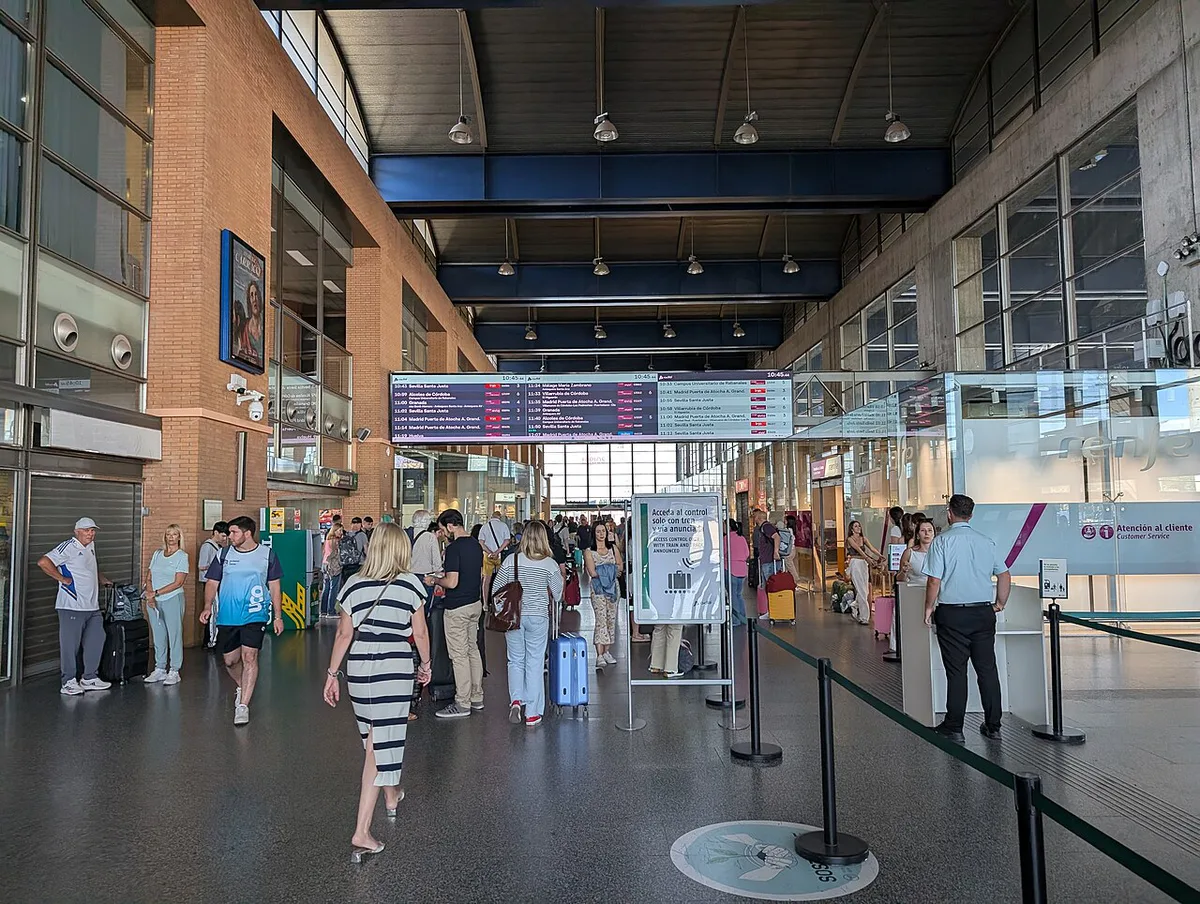
Three transport modes cover every trip on this list. Renfe runs two train types from Córdoba: the high-speed AVE and the slower Media Distancia (MD) regional service. AVE fares rise closer to departure, so book those seats in advance. MD tickets carry fixed prices and need less lead time, which makes them a useful fallback for a same-day change of plans. Córdoba's own train station sits fairly central in the city, and its bus station sits directly across the street, with ALSA and Autocares Carrera both operating routes into the province. Rental cars earn their cost in the Sierras Subbéticas, where villages like Zuheros and the natural park's trailheads have limited public transport. Cars become a burden in Seville, where parking near the historic center is scarce and the AVE already drops you close to the sights.
Medina Azahara: The 10th-Century Caliphate Capital
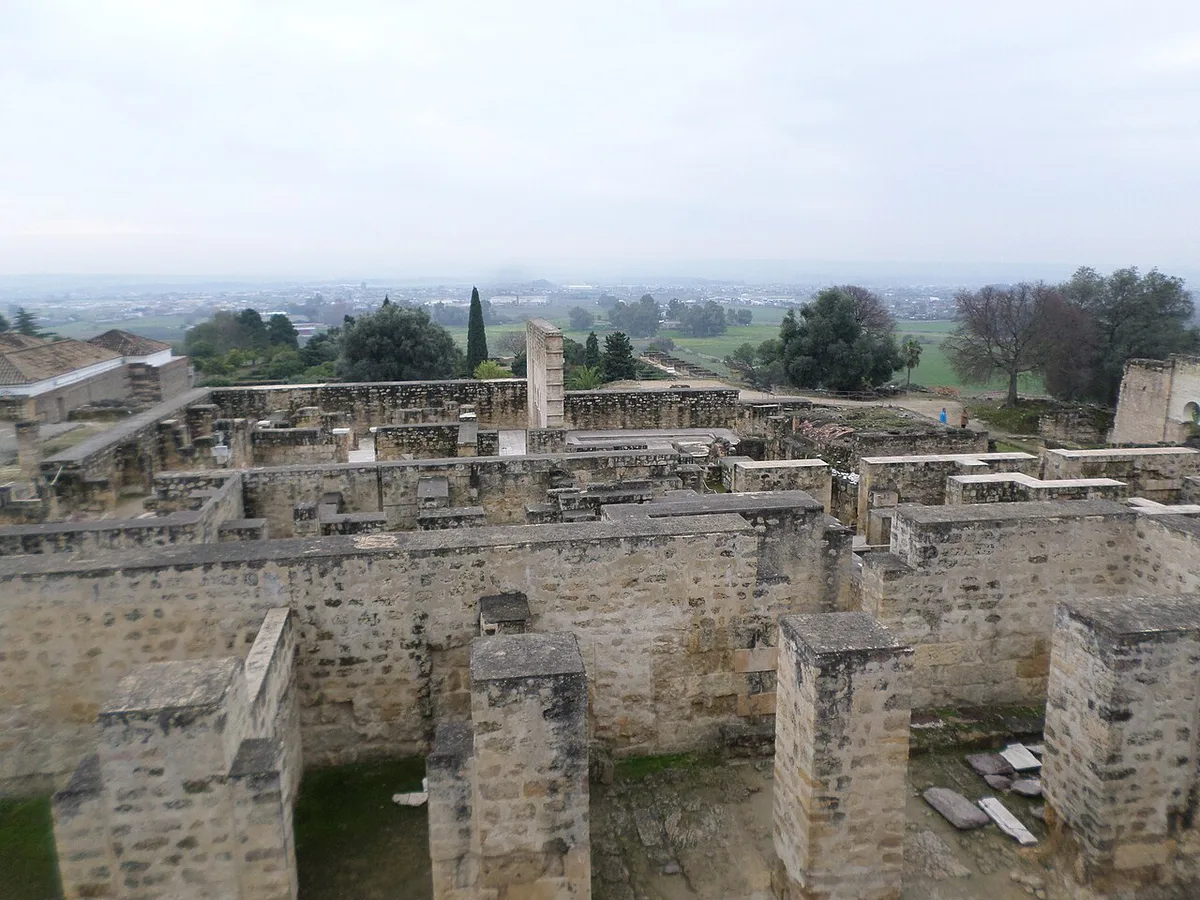
Caliph Abd al-Rahman III built Medina Azahara in the 10th century as the seat of the Umayyad Caliphate, about 8 kilometers outside Córdoba. A dedicated bus departs from Avenida del Alcázar and takes roughly 20 minutes. Buy tickets online or at a Tourist Office; the driver doesn't sell them on board. A small museum at the base of the hill sets the scene with models and artifacts before a second shuttle carries visitors up to the ruins for around €3 return per adult, with children paying less. Entry to the site itself is free for EU citizens, making it one of the best free things to do in Córdoba once the bus fare is factored in. On-site signage is sparse, so a guided tour adds context that's easy to miss walking through alone. Plan for two to three hours, and check ahead since the site closes on Mondays.
Castillo de Almodóvar del Río: Real-Life Highgarden
Built around 740 CE on a hill above the Guadalquivir River, this Moorish fortress later appeared as Highgarden in Game of Thrones. Bus M-250 leaves Córdoba's bus station and reaches the village in about 30 minutes, but departures run infrequently, so confirm the return time before setting out. Reaching the castle from the bus stop means a steep climb. A local taxi is worth the fare if steps and hills are a concern. That also makes the outing manageable for younger visitors on a Córdoba family trip. Tickets include a free audioguide, and the fortress rewards two hours or so of exploring, from the ramparts to the dungeons. Look for on-site plaques marking which scenes were filmed where. Go in the morning or late afternoon, since the open battlements offer little shade at midday.
Seville and Écija: Two Very Different City Days
Seville is 45 minutes away by AVE, and the train runs frequently enough to make a day trip realistic. If a Seville overnight is already booked later in the trip, skip this leg and save that visit for when there's more time. On a single day, focus on the Real Alcázar and the Cathedral with its Giralda tower, then add a walk through Barrio Santa Cruz's orange-tree lanes if time allows. Book early for the cheapest AVE fares, since prices climb as the departure date nears. Time the return train for early evening, so there's time left for things to do after dark back in Córdoba. Écija, the self-styled City of Towers, sits about 50 minutes away on a frequent ALSA bus. Baroque palaces line streets radiating from the Plaza de España, and most sights are free or cost only a couple of euros. The Palacio de Peñaflor's frescoed balcony is one of the town's signature sights, along with the churches of San Juan and Santa María. Locals call the town La Sartén de Andalucía, the frying pan, and summer explains why. Avoid walking its streets between noon and 6 p.m. in July and August, and visit in the morning instead.
Antequera: Dolmens, an Alcazaba, and Limestone Peaks
Trains from Córdoba take about an hour to reach Antequera. Get off at Antequera-Ciudad, not the Santa Ana high-speed station, which sits far from the historic center. The Dolmen de Menga, a UNESCO World Heritage megalithic tomb, is free to enter and a 15-minute walk from downtown. Antequera's center also holds Roman baths and Baroque churches within walking distance of the dolmens, so a single loop covers several eras of history. Climb to the Alcazaba for views over the rooftops, especially near sunset. El Torcal's limestone formations lie just outside town but suit a driving day better than the train trip, since public transport out there is limited.
Wine and Baroque Towns: Montilla, Priego de Córdoba, and Zuheros
Montilla anchors the Montilla-Moriles wine region, known for a sherry-style wine made mostly from Pedro Ximénez grapes. Reaching Montilla by bus from Córdoba's main station takes under an hour. Book bodega tours, including Alvear, ahead of time, since many require advance reservations. Pair a tasting with salmorejo or jamón ibérico, both regional staples. Priego de Córdoba, about 1 hour 15 minutes away by car, earns its reputation as a Baroque capital through the Barrio de la Villa's flower-lined lanes and the cliff-edge Balcón del Adarve. Buses also reach Priego, but a car saves enough time to add the Castillo de Priego and the surrounding olive groves to the same day. Zuheros, tucked into the Sierras Subbéticas, ranks among the region's prettiest villages, with a castle built into the cliff face at its center. Hike the Bailón River canyon or descend into the Cueva de los Murciélagos bat cave; both are easier to reach with a car, since bus service into the park is limited.
Montilla and other small towns observe siesta, with shops and bodegas closing between 2 p.m. and 5 p.m., so plan wine tastings and dining for morning hours or after 5 p.m.
Sierras Subbéticas and Puente Genil's Roman Mosaics
Sierras Subbéticas Natural Park spreads across limestone peaks south of Córdoba, with La Tiñosa rising to about 1,570 meters as the range's highest point. Griffon vulture colonies here rank among Spain's largest, alongside eagles, falcons, and storks, which makes the park a base for hiking and bird watching. Cars make the trailheads far more accessible than public transport does. Puente Genil sits about 30 minutes from Córdoba by regular Renfe train. The Roman Villa of Fuente Álamo, roughly 4 kilometers from town, preserves mosaics from the 3rd century that visitors view from elevated walkways. A short taxi ride covers the gap between the Puente Genil-Herrera station and the villa. Puente Genil is also known regionally for elaborate Semana Santa processions, worth timing a visit around if Holy Week lines up with the trip.
How the Day Trips Compare
Weigh travel time, transport mode, and season together before picking a day, since some towns punish a poor-weather choice more than others.
| Destination | Travel Time | Best Transport | Best Season | Signature Experience |
|---|---|---|---|---|
| Medina Azahara | ~20 min | Dedicated bus | Year-round; go early in summer | 10th-century caliphate ruins |
| Castillo de Almodóvar del Río | ~30 min | Bus M-250 | Spring or fall for the open battlements | Game of Thrones castle |
| Seville | 45 min | AVE train | Year-round | Real Alcázar and Cathedral |
| Écija | ~50 min | ALSA bus | Avoid midday, July-August | Baroque towers and palaces |
| Antequera | ~1 hour | Train to Antequera-Ciudad | Year-round | UNESCO dolmens and Alcazaba |
| Montilla | Under 1 hour | Bus | Avoid 2-5 p.m. siesta closures | Montilla-Moriles wine bodegas |
| Priego de Córdoba | ~1h 15m | Car recommended | Spring for Barrio de la Villa's flowers | Baroque old town |
| Zuheros | Best by car | Car | Spring or fall for hiking | Cliffside village and river canyon |
| Puente Genil | ~30 min | Renfe train | Year-round; Holy Week for Semana Santa | Roman Villa mosaics |
Practical Tips for Córdoba Day Trippers
Many museums and monuments across the region close on Mondays, Medina Azahara included, so check opening days before building a route around one stop. Small towns like Montilla still observe siesta, with shops and some bodegas closing between 2 p.m. and 5 p.m. If a longer hop to Granada's Alhambra or a repeat Alcázar visit in Seville is part of the plan, book those tickets weeks in advance, since both sell out ahead of peak season. For shorter windows back in the city, the quieter corners of Córdoba guide covers spots that don't show up on the standard Mezquita-and-bridge route.
Frequently Asked Questions
Do you need a car for day trips from Córdoba?
No. Medina Azahara, Almodóvar del Río, Seville, Écija, Antequera, and Puente Genil are all reachable by train or bus. A car helps most in the Sierras Subbéticas, where villages like Zuheros and Priego de Córdoba have thinner public transport.
How much does the Medina Azahara shuttle cost?
The shuttle from the visitor center up to the ruins runs about €3 return per adult, with children paying less. Entry to the archaeological site itself is free for EU citizens.
How do you get tickets for Medina Azahara?
Buy shuttle tickets online or at a Tourist Office before travel day, since the bus doesn't sell them on board. A guided tour helps fill in the site's sparse on-site signage.
Which day trip from Córdoba suits Game of Thrones fans?
Castillo de Almodóvar del Río, about 30 minutes away on bus M-250, appeared as Highgarden in the show. Expect a steep walk from the bus stop, or take a taxi if that's a concern.
What's the best season for day trips from Córdoba?
Spring and fall suit most of the region, especially exposed sites like Almodóvar del Río's battlements and Zuheros's hiking trails. Summer visits to Écija should avoid the hours between noon and 6 p.m., when the town some call La Sartén de Andalucía lives up to the nickname.
Can Seville or Antequera work as a single-day trip from Córdoba?
Yes. AVE trains reach Seville in 45 minutes, and regional trains reach Antequera-Ciudad station in about an hour. Save a Seville overnight for later in the trip, and use the day trip to focus on the Real Alcázar and Cathedral.