Last updated August 2026, this guide treats Cordoba with kids as a logistics problem, not just a sightseeing list. Four UNESCO-recognized sites sit inside one walkable historic center, which sounds ideal until a nine-year-old refuses to look at one more horseshoe arch. Below, each major monument pairs with a nearby park, playground, or snack stop so culture and playtime trade off all day.
Cordoba With Kids: The Culture-to-Play Ratio
Cordoba packs the Mezquita-Cathedral, the Alcázar de los Reyes Cristianos, the Medina Azahara ruins, and the Patios Festival into a single small province, and all four carry UNESCO recognition. That density is the draw for parents and the risk for kids: four heritage sites in three days is a fast route to monument fatigue. A simple rule keeps the trip on schedule. Plan one major monument for the morning and one park or playground for the afternoon. Families working with only a single day can lean on a structured one-day Cordoba itinerary and adjust the pacing around nap times or snack breaks. Parents wanting a slower mindset before arriving might enjoy pre-trip reading like Jo Piazza's novel The Sicilian Inheritance, set in a similarly history-dense corner of the Mediterranean.
Visiting the Mezquita and Roman Bridge With Children
Cordoba's Mezquita-Cathedral is the city's main draw, and its free entry window is the single best trick for families. Monday through Saturday, the site opens without a ticket from 8:30 to 9:30 AM. Religious services can preempt that window, so confirm the schedule locally before setting an alarm. Arriving right at opening also beats both the tour-bus crowds and the midday heat. For a longer list of no-cost options, the Free Things to Do in Córdoba: A 2026 Budget Traveler's Guide guide is a useful companion.
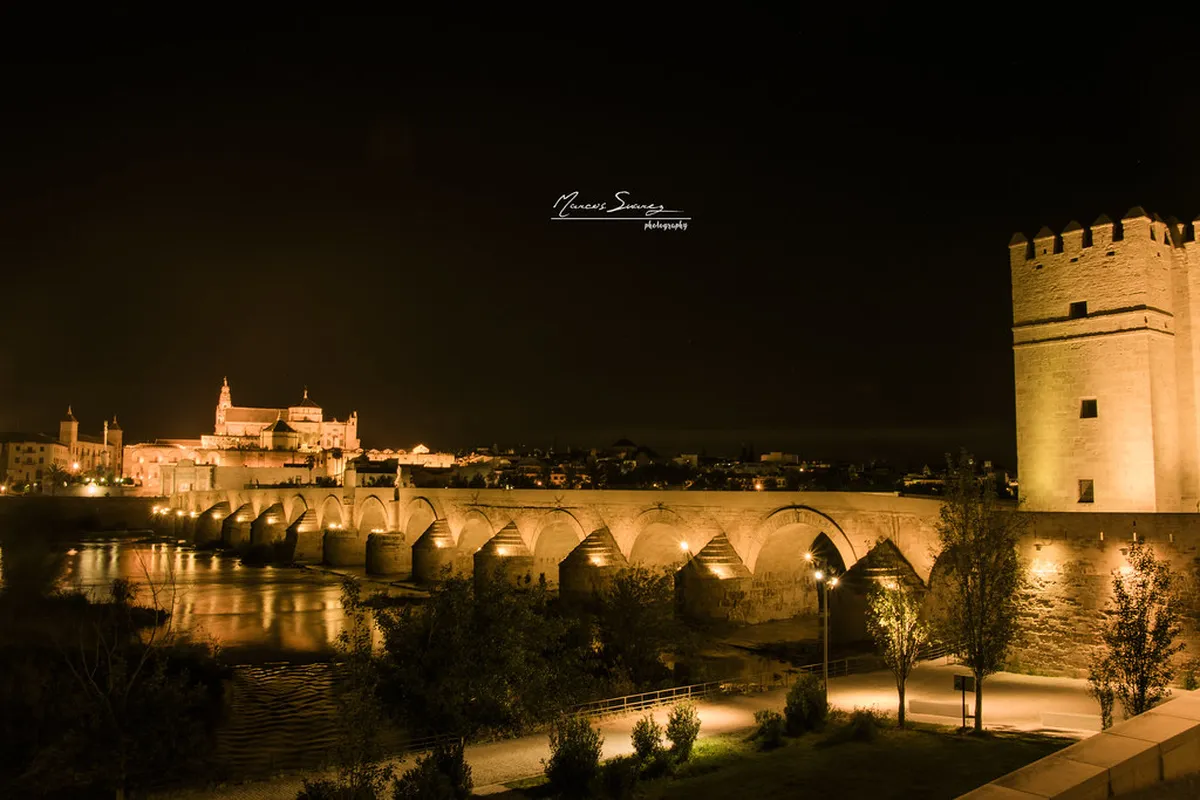
Keep kids engaged inside the mosque-cathedral with a game rather than a lecture. Counting the horseshoe-arch pillars works well for younger children, and older kids can use a phone translation app on the Latin inscriptions scattered through the building. Watching how light refracts through the marble columns tends to hold attention longer than the architecture itself.
Once outside, cross the Puente Romano toward the Torre de la Calahorra. Watch for the old Molino de la Albolafia waterwheel partway across the bridge. A playground sits to the left immediately after crossing, with the tower directly ahead. Inside it, the Museo al-Andalus offers an audioguide with a children's-language option, which holds attention far better than the standard adult track.
- Free Mezquita entry: Monday–Saturday, 8:30–9:30 AM; confirm locally since religious services can preempt the window
- Bell tower: a separate ticket from the main Mezquita entry, worth booking together
- Roman Bridge playground: to the left immediately after crossing, near the Torre de la Calahorra
The Alcázar, Medina Azahara, and a Kid-Engagement Decision Matrix
The Alcázar de los Reyes Cristianos and the Medina Azahara ruins reward different kinds of kids, and neither needs a full day. As of late 2025, the Alcázar's interior was closed for refurbishment, so confirm current status before booking a ticket. Its gardens stay open and free regardless, with clipped hedges, fish ponds, and a climbable tower. That combination tends to win over restless children faster than a room of Roman mosaics.
Medina Azahara sits outside the city and runs on different logistics. Visitors park at the visitor center, then transfer by shuttle bus to the ruins, which sit too far to reach on foot from the car park. Published shuttle fares run approximately €3 per adult and €1.50 per child, though confirming rates before the visit is worth the extra step. Because Cordoba runs hot for much of the year, a late-afternoon or early-evening visit to Medina Azahara avoids the worst of the midday sun.
Evening hours also open up the Alcázar gardens for the Naturaleza Encendida evening show, an after-dark program worth checking for current dates and tickets. It sits alongside the horse show as one of the after-dark options in the things to do at night guide.
Not every monument deserves equal time on a family itinerary. This table reflects an editorial assessment of how each site tends to play with kids, rather than a scored survey.
| Site | Kid Engagement | Stroller Accessibility | Time on Site |
|---|---|---|---|
| Mezquita-Cathedral | High: games with pillars, arches, and light patterns | Good: flat interior floors | A short visit |
| Alcázar Gardens | Medium-High: ponds, tower, open lawns | Moderate: gravel paths and some steps | A short to moderate visit |
| Medina Azahara | Medium: ruins plus a shuttle ride kids enjoy | Limited: uneven ruins terrain, though the shuttle drop-off is flat | Half a morning or evening, including transit |
Where Kids Can Run: Ciudad de los Niños and the City's Squares
Cordoba's tourism board describes Ciudad de los Niños as the biggest children's playground area in the city. It spans four acres of parkland with skate parks, water-play zones, and Cordoba-themed structures. A science area, a cafe, and public toilets sit on site, so the stop can absorb an entire afternoon without a return trip to the hotel. Cordoba Zoo sits a short walk away, making it easy to combine both into one non-cultural half-day.
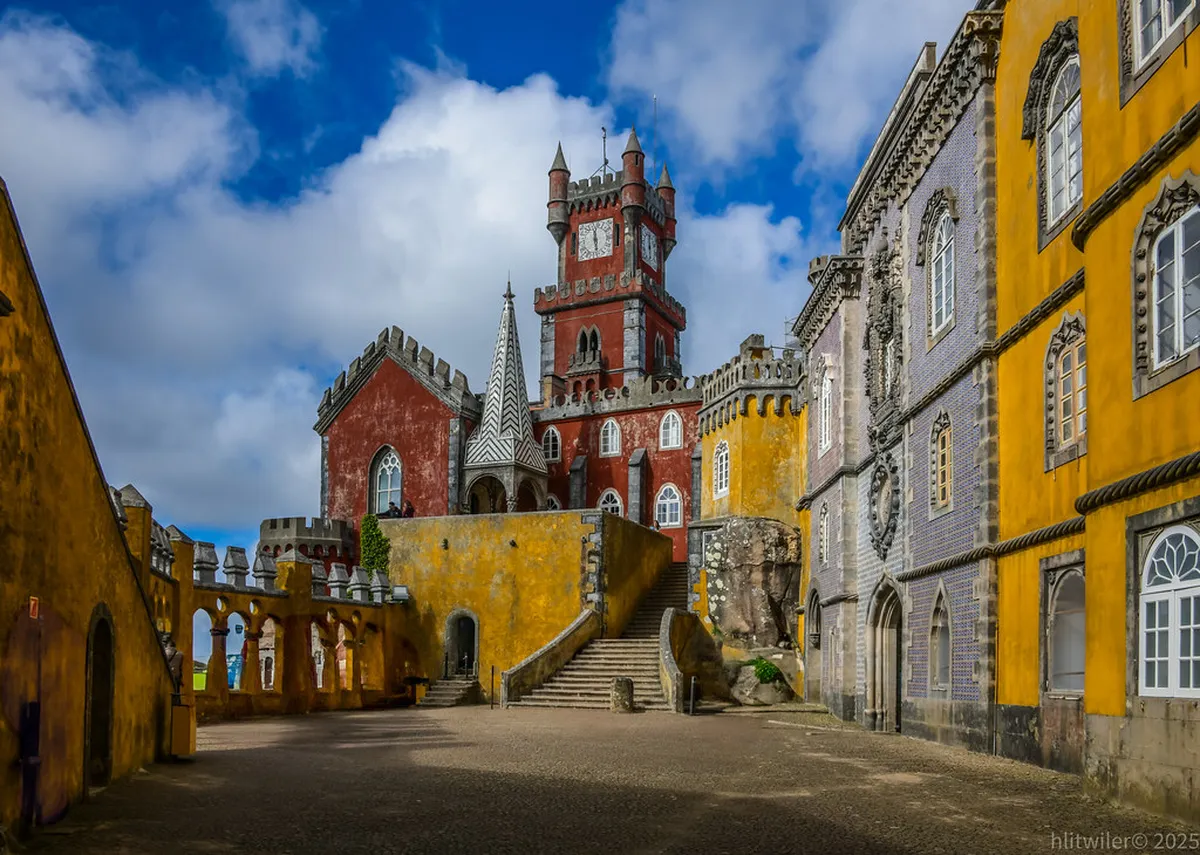
Smaller open spaces work well for shorter breaks. Plaza de las Tendillas is a large fountain-filled square where kids can run while adults rest at a nearby cafe table. Plaza de la Corredera offers a more enclosed, historic rectangle for the same purpose, close to tapas bars for a coffee stop. Crossing Plaza de las Tendillas also leads to the Roman Temple within a few minutes' walk, with a snack stop nearby for the walk back. The Botanical Gardens run separate educational events for children, another option for a nature-focused stop.
- Skate parks and water-play zones
- Cordoba-themed play structures across four acres of parkland
- A science area, cafe, and public toilets on site
- Cordoba Zoo within walking distance
Horse Shows, Flamenco, and the Juderia With a Stroller
The Royal Stables, known as Caballerizas Reales, were founded in 1570 by royal decree of Felipe II. They now host The Passion and Spirit of the Andalusian Horse, a roughly 70-minute show that blends flamenco with horsemanship. That combination tends to hold kids' attention better than a seated flamenco performance alone. Standalone flamenco shows generally run about an hour, and most venues do not admit very young children, so treat flamenco as an activity for kids around six and up.
Cordoba's Juderia, the old Jewish Quarter, is where the stroller-versus-carrier decision matters most. Its streets are narrow and paved in uneven, centuries-old cobblestones, which slow down even a sturdy stroller. For infants and toddlers, a structured baby carrier handles the terrain better than wheels. Preschool-age kids who still nap can usually manage in an all-terrain stroller with larger wheels. Stick to the quarter's wider lanes near the Casa de Sefarad and the synagogue.
Older kids who have had enough of museums can try a phone-based treasure hunt or a guided escape-style adventure through the historic center. The escape-style option is generally suited to kids over eight. Córdoba's Patios Festival runs during the first two weeks of May and draws heavy crowds, so an April visit offers a preview of flower-filled courtyards with far less congestion. Some patios stay open year-round. Quieter courtyards and lesser-known corners of the Juderia are covered in the quieter corners of Cordoba guide.
Family Dining: Salmorejo and Kid-Friendly Patios
Salmorejo, Cordoba's cold tomato-and-bread soup, tends to be an easy sell for kids because of its thick, bread-heavy texture, especially welcome during the hottest months. Local recommendations for trying it include Casa Pepe de la Judería and Taberna La Montillana, both in the historic center.
For a full meal with restless kids in the group, Patio Romano Cocina Italiana and Bodegas Campos both come recommended as family-friendly patio restaurants. Both offer enough outdoor seating to absorb some noise and movement. El Brillante bakery is another solid pastry stop for a mid-walk break. Near the Roman Temple, bakeries and small grocery kiosks make a reliable bribe stop. Promise a pretzel or an ice cream for the walk back, and even a tired group tends to hold together for the final stretch.
Where to Stay and How to Get Around With Kids
Neighborhood choice usually comes down to charm versus convenience. The Juderia puts families inside walking distance of the Mezquita, the Roman Bridge, and the patios, at the cost of the narrow streets already covered above. Vial Norte and other newer districts trade that walkability for modern hotels with pools, useful for a midday break during the hottest stretch of summer.
Parking sits outside the old city center, since the historic core is largely pedestrianized and unsuited to cars. Plan to park on the perimeter and walk or taxi in from there. Inside the center, walking covers most sights easily, given how compact the historic district is. A hop-on-hop-off bus is a reasonable alternative for families with younger kids or tired legs, especially when combining sightseeing with a trip out toward Ciudad de los Niños or the zoo.
A Summer Heat Schedule and Mistakes to Avoid
Cordoba runs among the hottest cities in Europe through peak summer, which makes timing as important as the itinerary itself. A schedule built around the heat, rather than around opening hours alone, keeps kids from melting down by mid-afternoon. A few recurring mistakes turn a manageable trip into a stressful one.
The Mezquita's free entry window from 8:30 to 9:30 AM aligns with the early-morning heat-avoidance strategy, but religious services can preempt the window entirely. Confirming the local service schedule before arrival secures both the free entry and the cooler morning temperatures.
- Early morning (about 8:00–9:30 AM): the Mezquita's free hour or an early start at Medina Azahara
- Midday (roughly 2:00–5:00 PM): hotel or pool downtime, skipping outdoor sightseeing entirely
- Evening (from about 7:00 PM): Alcázar gardens, a horse show, or a walk along the Guadalquivir
- Mistake to avoid: booking every UNESCO site back-to-back with no park or pool break between them
- Mistake to avoid: scheduling major sightseeing at midday during July or August
- Mistake to avoid: skipping advance Mezquita ticket booking and risking a sold-out entry window
Family Day Trips From Cordoba
Castillo de Almodóvar del Río sits on a hill above the Guadalquivir, built around 740 CE by the region's Moorish rulers and fully restored for public visits since 2001. Its dungeons, armor displays, and a sword-in-the-stone feature give kids plenty to climb around and explore. The site is also recognizable to Game of Thrones fans as a filming location.
Zuheros, a hill village in the Sierra Subbeticas, works well for families wanting nature over monuments for a day. Its cave, animal rescue center, and surrounding hiking trails give kids room to move after several museum-heavy days in the city. Both trips, along with other options across the province, are covered in more depth in the Best Day Trips from Córdoba: Castles, Wine Towns & Roman Ruins guide.
A Low-Key Afternoon at Córdoba Zoo and the Botanical Garden
Pair Ciudad de los Niños with Córdoba Zoo and the nearby Botanical Garden when the family needs a break from historic interiors. The zoo is a short walk from the playground, so it works best as part of one flexible afternoon rather than a separate cross-city outing.
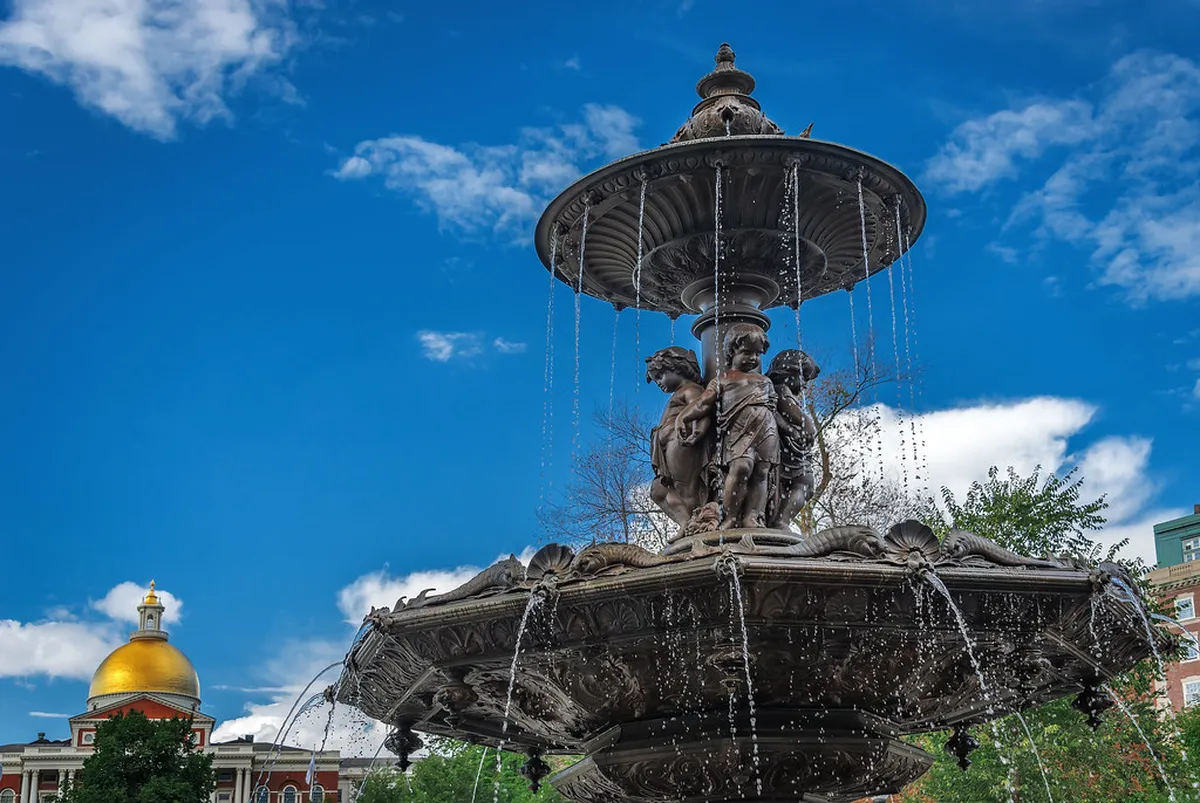
Its conservation focus gives older children more to discuss than a quick animal checklist. Check the day’s keeper talks and feeding times on arrival, since programming changes by season. Bring water and a sunhat, as several paths are outdoors.
The Real Jardín Botánico de Córdoba sits in the same riverside area. It offers quieter paths, shaded planting, and the Museum of Paleobotany, which displays fossils and explains ancient plant life. This combination is especially useful after a morning at the Mezquita or Alcázar.
- Start at Ciudad de los Niños for active play.
- Choose the zoo for an animal-focused visit.
- Finish at the Botanical Garden if the heat eases later in the day.
Frequently Asked Questions
How many days do families need in Cordoba?
Two to three days works best for pacing the Mezquita, Alcázar gardens, and a play break at Ciudad de los Niños without rushing. A single day is workable if the visit follows a tight, pre-planned route.
Is the Mezquita stroller-friendly?
Its interior floors are flat and manageable with a stroller. Surrounding Juderia streets are not, since centuries-old cobblestones make a carrier the better choice for infants and toddlers.
What age is appropriate for the flamenco show or the horse show?
Most flamenco venues do not admit very young children, so plan on flamenco for kids around six and up. The horse show at the Royal Stables tends to hold younger children's attention better, since it mixes movement and music.
Is Cordoba too hot for kids in summer?
Summer heat is real, since Cordoba runs among the hottest cities in Europe. Scheduling sightseeing for early morning and evening, with a midday hotel or pool break, keeps the heat manageable.
Do you need to book Mezquita tickets in advance?
Booking ahead is strongly recommended, since the free entry window between 8:30 and 9:30 AM Monday through Saturday draws crowds fast. Paid tickets outside that window should also be booked early to avoid a sold-out day.