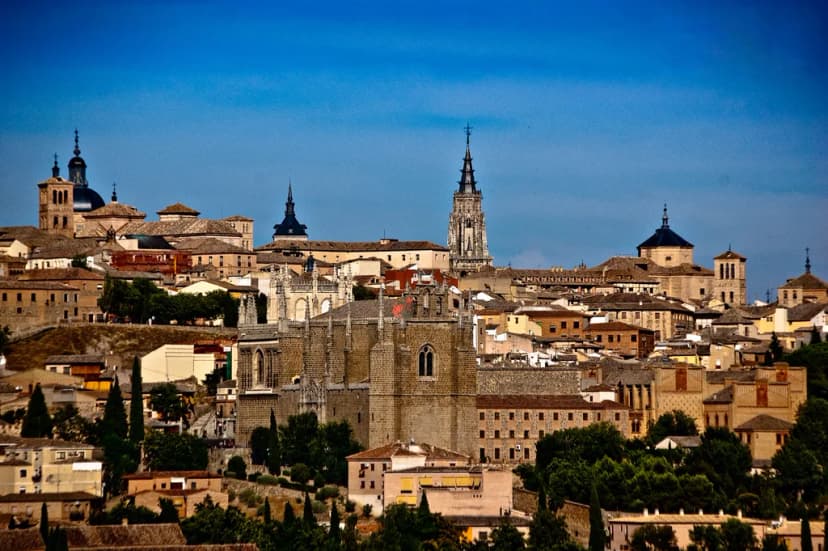

Last updated August 2026, this guide identifies 12 hidden gems in Toledo for history, architecture, photography, and slower exploration. Each entry explains its practical value, likely access considerations, and whether it deserves space in a short itinerary. Opening arrangements, admission policies, and interior access can change, so confirm them through the venue or Toledo tourism office before visiting.
Toledo’s 12 Lesser-Known Places at a Glance
Use this comparison to build a realistic shortlist before checking current venue information. Time categories are planning allowances, not published visit durations. Cost descriptions also avoid unsupported prices because no verified 2026 admission figures were supplied. Street and exterior stops generally involve fewer access uncertainties than controlled interiors. However, construction, events, religious services, and temporary restrictions can still affect a route.
| Place | Best for | Time needed | Cost status | Access effort | Best time |
|---|---|---|---|---|---|
| Cuevas de Hércules | Archaeology and historic infrastructure | Brief interior stop | Check current access and admission | Confirm stairs and entrance conditions | During confirmed opening hours |
| Termas Romanas de Amador de los Ríos | Roman history | Brief interior stop | Verify the current entry policy | Confirm interior accessibility | Earlier in your walking day |
| Baños Árabes del Cenizal | Historic architecture | Short focused visit | Check current admission arrangements | Confirm steps and restricted areas | During confirmed public access |
| Baños del Ángel | Small-scale heritage | Short focused visit | Verify access and cost | Check the entrance before detouring | When interior access is confirmed |
| Pozo del Salvador | Engineering and unusual details | Brief stop | Check current public access | Confirm stairs and confined spaces | During official access periods |
| Museo Taller del Moro | Decorative architecture and museums | Short museum visit | Check the official ticket page | Confirm accessible areas | Before any published closing period |
| Convento de Santo Domingo el Antiguo | Religious heritage and art | Short interior visit | Verify admission or donation rules | Confirm visitor access | Outside services and private events |
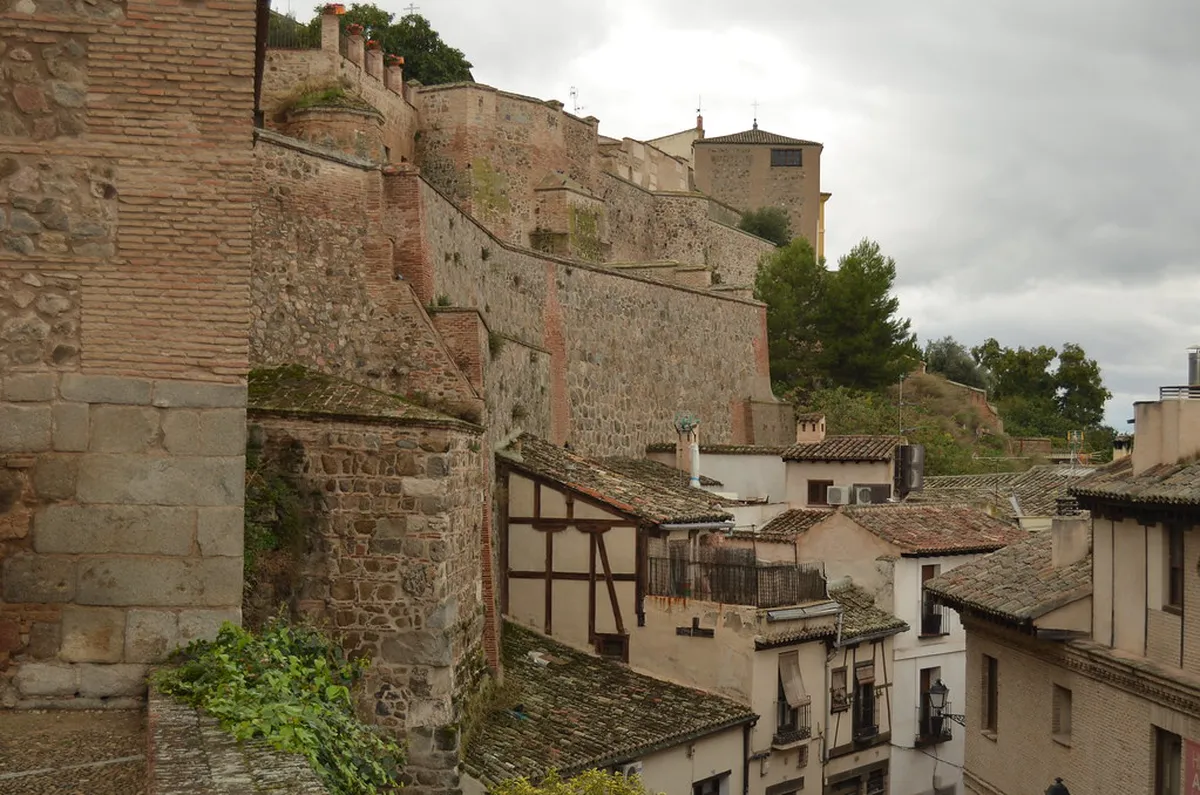
| Cobertizos de Santo Domingo el Real | Street photography and atmosphere | Brief exterior walk | Public-route viewing if accessible | Uneven surfaces may occur | Daylight or early evening |
| Puerta del Vado | Defensive architecture | Brief exterior stop | Exterior viewing if publicly accessible | Check route gradients | Clear daylight |
| Circo Romano de Toledo | Roman archaeology and open-air exploration | Short outdoor stop | Verify access to any controlled area | Outdoor surfaces may be uneven | Mild weather and daylight |
| Paseo de Recaredo | Walls, photography, and a flexible walk | Short outdoor segment | No venue ticket on an open public route | Check gradients and paving | Morning or later daylight |
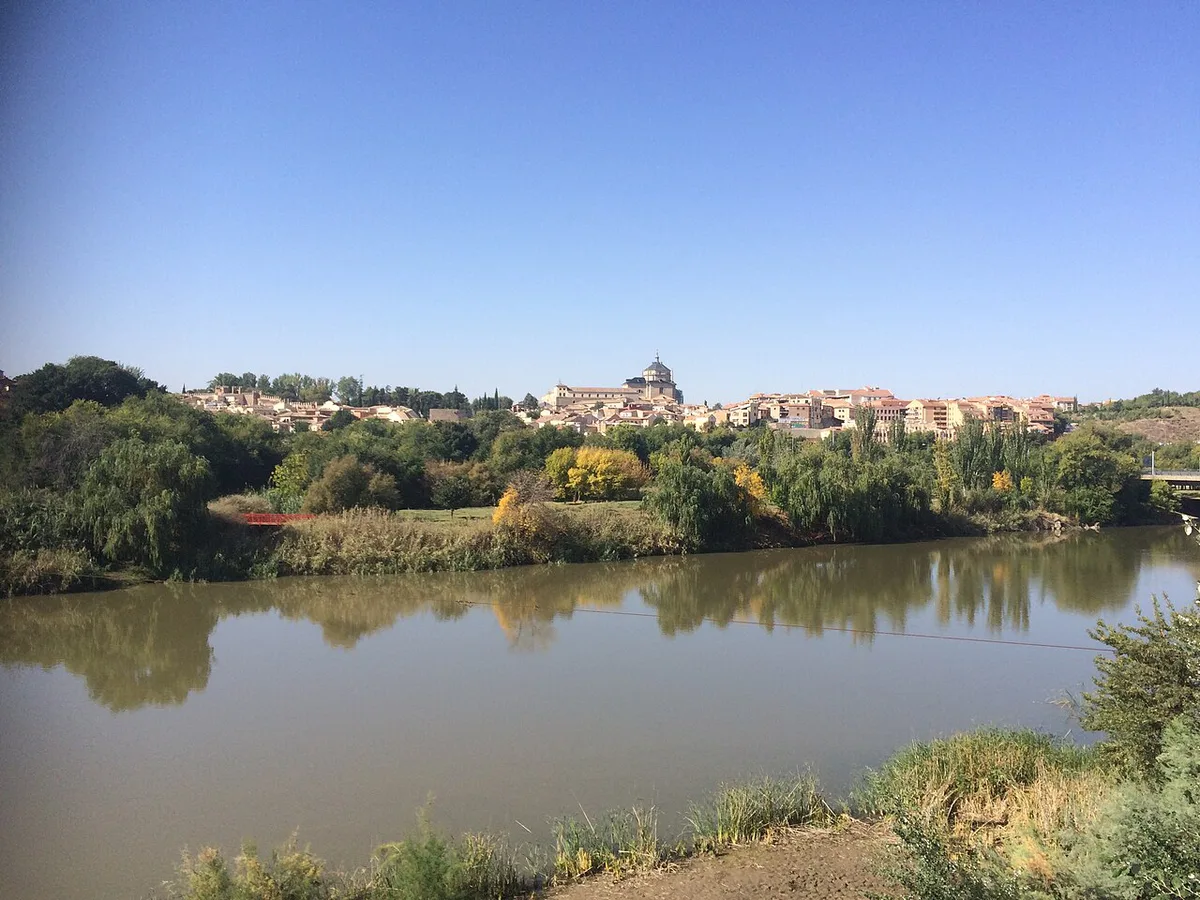
| Senda Ecológica del Tajo | Riverside walking and landscape | Flexible outdoor walk | No venue ticket on an open public route | Confirm trail conditions and gradients | Cooler daylight hours |
The 12 Best Hidden Gems in Toledo
These selections cover compact archaeological spaces, religious interiors, street details, open-air remains, and landscape routes. A place earns inclusion by offering a specific experience and serving a practical itinerary need. Selection does not imply guaranteed solitude, free entry, or unrestricted access. Treat controlled interiors as provisional until their official pages confirm 2026 arrangements.
- 1. Cuevas de Hércules
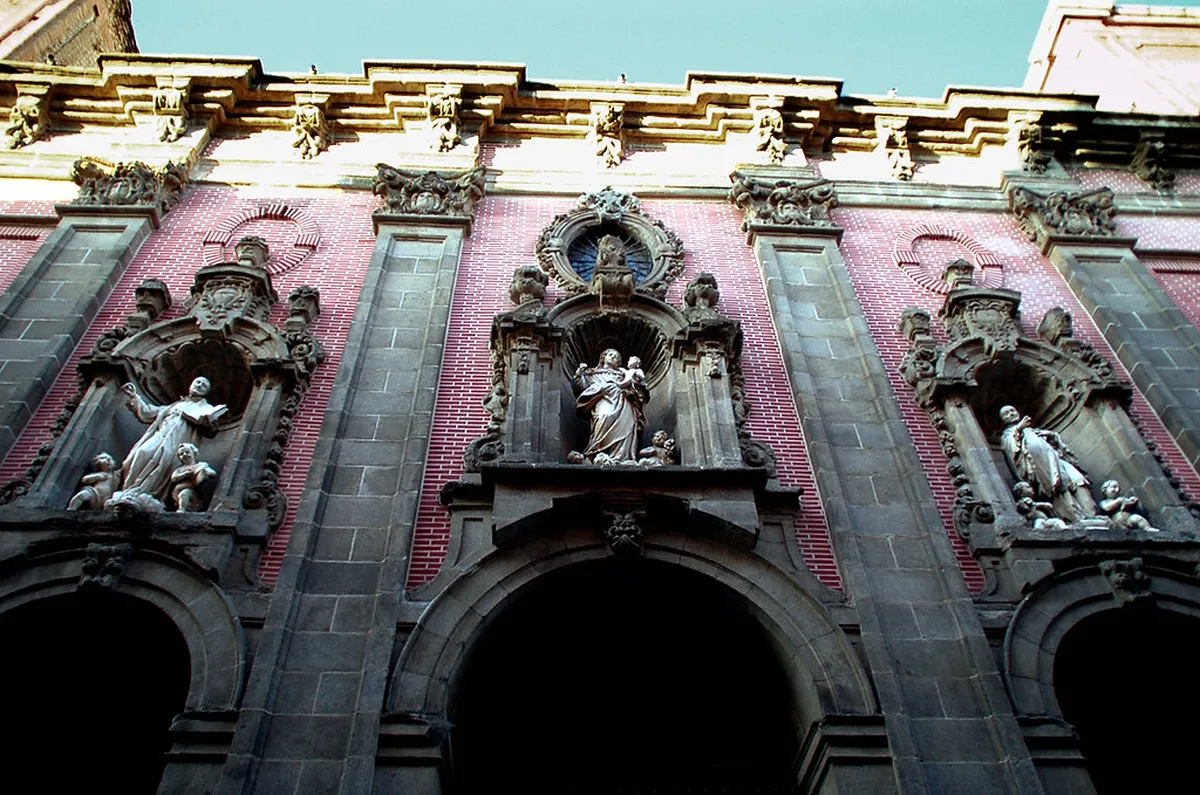
- Cuevas de Hércules earns its place through a compact underground experience centered on historic water infrastructure, rather than the monumental interiors dominating many first-time itineraries.
- Choose this stop for archaeology, engineering, or a sheltered pause, but expect a focused space instead of a large museum with numerous galleries.
- Plan a brief visit after confirming public access, admission, opening hours, and steps; pair it with another central stop only after checking current map directions.
- 2. Termas Romanas de Amador de los Ríos
- Termas Romanas de Amador de los Ríos provides a tightly focused introduction to Toledo’s Roman-era remains, making the stop useful for visitors following the city’s deeper historical layers.
- History-focused travelers gain the most value, while families should first consider attention spans, interior rules, and any barriers reported in current accessibility information.
- Allow a short visit, verify the entry policy and opening pattern, and compare its map pin with your confirmed reservations before assigning it a fixed route position.
- 3. Baños Árabes del Cenizal
- Baños Árabes del Cenizal offers a small architectural subject with more specific appeal than a broad city museum, which helps explain its place outside standard sightseeing checklists.
- Architecture enthusiasts and repeat visitors can focus on the surviving spatial details, provided current public access allows meaningful interior viewing during their chosen date.
- Confirm the official name, opening status, admission policy, stairs, and photography rules; skip the detour when access remains uncertain or your schedule favors guaranteed interiors.
- 4. Baños del Ángel
- Baños del Ángel rewards travelers interested in compact heritage spaces and the physical details of historic bathing architecture, rather than those seeking an extensive attraction.
- Its narrow subject suits repeat visitors, architecture enthusiasts, and adults comfortable adapting their plans around limited or changing access arrangements.
- Check the venue or municipal tourism listing before departure, then treat the stop as optional until you confirm entry, cost, duration, and any mobility limitations.
- 5. Pozo del Salvador
- Pozo del Salvador adds an infrastructure-focused experience to the list, shifting attention from façades and collections toward how earlier urban spaces managed essential resources.
- Curious repeat visitors may find the subject worthwhile, while travelers uncomfortable with stairs, enclosed areas, or uncertain access should choose an outdoor alternative.
- Verify public entry, current hours, admission, and physical conditions before walking over; without confirmation, keep it as a map marker rather than a promised itinerary stop.
- 6. Museo Taller del Moro
- Museo Taller del Moro suits travelers who want a smaller museum and a more concentrated architectural experience than Toledo’s best-known monument circuit.
- Decorative arts, interiors, and architectural history provide the clearest reasons to visit, although the available rooms and displays should be verified for 2026.
- Consult the museum’s official ticket page for admission and hours, confirm accessible areas, and schedule this controlled interior before flexible outdoor stops.
- 7. Convento de Santo Domingo el Antiguo
- Convento de Santo Domingo el Antiguo introduces a quieter type of cultural visit, where religious use and visitor access require more care than entry to a conventional museum.
- Art and religious-heritage interests make the detour more persuasive, while noisy groups or rushed visitors may prefer a public exterior route.
- Confirm admission, service times, private events, photography rules, and accessible areas; respectful clothing and a quiet voice remain sensible whenever visitor entry is permitted.
- 8. Cobertizos de Santo Domingo el Real
- Cobertizos de Santo Domingo el Real offers a street-level study of covered passages, changing light, masonry, and the relationship between buildings and public space.
- Photographers and independent walkers can appreciate the details without needing a long interior visit, although residents and other pedestrians retain priority.
- Visit in usable daylight, avoid blocking doorways, and confirm the passage remains publicly accessible; check gradients and surfaces before including it in a mobility-sensitive route.
- 9. Puerta del Vado
- Puerta del Vado gives defensive architecture a focused place in the itinerary, particularly for visitors who enjoy examining city fabric beyond ceremonial monument entrances.
- Architecture enthusiasts and repeat visitors are the strongest audience, since the value lies in observation rather than a large collection or lengthy indoor experience.
- Check current public access, route gradients, and construction notices before detouring; use daylight for exterior details and abandon the stop if safe viewing is unavailable.
- 10. Circo Romano de Toledo
- Circo Romano de Toledo changes the pace with open-air archaeological remains, giving Roman-history enthusiasts an alternative to another enclosed religious or museum visit.
- Families may value the outdoor format, but adults should supervise children around uneven ground and confirm which areas permit public entry.
- Choose mild daylight conditions, carry water, and check the municipal listing for closures or controlled zones; retain the stop only when it fits your verified route.
- 11. Paseo de Recaredo
- Paseo de Recaredo works as a flexible outdoor segment for viewing walls, urban edges, and changing light without committing to another ticketed interior.
- Photographers, budget-conscious visitors, and travelers needing schedule flexibility gain the most, provided the route’s paving and gradients suit their mobility.
- Use a current map to choose your entry and exit points, confirm any works or closures, and walk during cooler daylight when summer heat affects comfort.
- 12. Senda Ecológica del Tajo
- Senda Ecológica del Tajo shifts attention toward Toledo’s river setting and provides a longer outdoor option for travelers comfortable leaving the monument-focused circuit.
- Walkers, landscape photographers, and repeat visitors are the best fit, while tight schedules or limited mobility may make a shorter urban route more practical.
- Check trail status, weather, daylight, surfaces, and gradients before starting; carry water and select a turnaround point that preserves enough energy for the climb afterward.
How to Choose the Right Toledo Stops
First-time visitors should select 3 or 4 entries that complement, rather than replace, their priority monuments. An underground site, one small museum, one street detail, and one outdoor walk create useful variety. Repeat visitors can concentrate on Roman remains, historic bathing spaces, or religious interiors without retracing a conventional checklist. With roughly 2 hours, favor brief stops whose access you have already confirmed. A half day allows a controlled interior plus several flexible exterior locations. Avoid filling every slot before checking opening patterns.
For a route that can shrink gracefully, put a confirmed interior first, add a street detail, and preserve an exit after stop 2. This access-first order also accounts for Toledo’s gradients, where a compact map can still hide a demanding connection.
Budget decisions begin with access type. Public streets and open walking routes do not require a venue ticket when they remain publicly accessible. Museums, convents, and underground spaces may use tickets, donations, reservations, or restricted entry. No verified 2026 charges were supplied for this draft. Check each venue’s official ticket page or Toledo’s municipal tourism listing before comparing costs. Use the free Toledo activities guide when avoiding admission fees is a priority.
Photography plans should emphasize Cobertizos de Santo Domingo el Real, Paseo de Recaredo, and the river path during usable daylight. History and architecture plans can prioritize the Roman, bathing, and religious sites after access confirmation. Families should choose fewer stops and leave room for breaks. The family guide to Toledo can help you assess pacing and age-appropriate alternatives.
Mobility needs should shape the route before subject interest. Toledo’s gradients, steps, and uneven surfaces can turn a short map distance into a demanding connection. Obtain current accessibility details directly from controlled venues. Outdoor routes require separate checks for paving, construction, resting points, and a manageable return. Evening visitors should concentrate on publicly accessible routes with adequate lighting. Controlled interiors require confirmed hours. Compare suitable options in the Toledo evening guide before relying on after-dark entry.
A Practical 3-Stop or 6-Stop Walking Plan
Route order must be checked against a current map because no verified walking times or precise access sequence were supplied. Save every location before leaving your accommodation. Then compare gradients, entrance points, and confirmed opening periods. A logical plan places time-sensitive interiors first and flexible exterior stops later. Do not assume every listed site belongs in one efficient circuit.
| Framework | Suggested composition | How to schedule it | What to drop first | Mobility check |
|---|---|---|---|---|
| Short 3-stop route | One confirmed archaeological interior, one small museum or convent, and one public street detail | Book or verify the interior first, then position the exterior stop around it | Remove the unconfirmed interior | Compare steps, gradients, and entrance information before departure |
| Flexible 4-stop alternative | Two nearby confirmed interiors plus two outdoor details | Use only when current mapping supports a compact sequence | Remove the weaker second interior | Keep a direct shortening point after stop 2 |
| Half-day 6-stop route | Two confirmed interiors, two architectural details, and two flexible outdoor stops | Place controlled entry before open-air locations and allow a break | Drop the longest outdoor detour | Avoid combining several steep or step-heavy segments |
Building the Short 3-Stop Route
Begin with one controlled interior whose official information confirms entry on your date. Cuevas de Hércules, the Roman baths, or Museo Taller del Moro could fill that role after verification. Choose only one when opening periods overlap or reservations constrain the day. Next, add a street-level architectural subject. Cobertizos de Santo Domingo el Real provides a different visual experience without demanding another long indoor visit. Finish with a flexible walking segment such as Paseo de Recaredo if current conditions suit you.
This framework protects the most uncertain stop by placing it first. It also lets you shorten the route after stop 2 without losing every outdoor experience. Never rely on an unverified interior as the only reason for entering an area. A public-space alternative should already be saved on your map. For a complete sightseeing sequence, connect this framework to a one-day Toledo plan. Keep headline attractions and meals outside the 3-stop allowance.
Expanding to a Half-Day 6-Stop Route
A half-day framework can combine 2 controlled interiors, 2 compact exterior details, and 2 outdoor segments. Select interiors only after checking their opening patterns and admission arrangements. Position any religious site outside services or private events. Add exterior stops when current mapping confirms a sensible connection. End with the most flexible walk, because it can be shortened without wasting a ticket or reservation.
Avoid using all 5 archaeological and bathing spaces in one session. Their compact formats may blur together when visited without a broader contrast. Instead, choose one Roman subject and one bathing or infrastructure subject. Follow those with a convent, museum, covered passage, or defensive feature. Keep the river path as an optional extension rather than a guaranteed finish. If time runs short, remove the longest outdoor detour first. If weather deteriorates, keep the verified interiors and replace exposed walking with a break.
Midday closures and irregular access must be confirmed rather than assumed. Screenshots of official information can help when mobile service becomes unreliable. Save the date shown on each page because an old listing may not reflect August 2026. Visitors continuing beyond the city can reserve a separate day for the excursions around Toledo. Mixing an excursion with 6 urban stops would create an unnecessarily fragile schedule.
8 Practical Checks Before You Go
First, confirm each interior through its official venue page or Toledo’s municipal tourism information. Search for the exact visit date, not a general weekly schedule. Second, distinguish a visible exterior from a publicly accessible interior. An open street does not prove that the building beside it accepts visitors. Third, check whether reservations, tickets, donations, security procedures, or religious services affect entry.
Saving backups is not only about closures: avoid grouping all 5 archaeological and bathing spaces into one session, because their compact formats may feel repetitive. A more varied shortlist pairs one Roman subject with one bathing or infrastructure subject, then adds a convent, museum, passage, or defensive feature.

Fourth, save 2 alternatives for every controlled stop. One should be an outdoor detail, while the other should provide shelter. Fifth, compare route gradients and stairs with your group’s actual mobility. A short map distance can still demand extra effort on uneven surfaces. Sixth, carry water and adjust exposed walking for heat, rain, or limited daylight. Summer afternoons may call for a shorter outdoor segment rather than a packed route.
Seventh, use daylight strategically for masonry, covered passages, archaeological remains, and river views. Evening atmosphere does not guarantee useful lighting or safe trail conditions. Eighth, respect residents, worshippers, staff instructions, barriers, and photography restrictions. Avoid doorways, private courtyards, and areas beyond marked public access. No photograph justifies entering a closed or residential space.
Current cost information deserves the same care as opening hours. Official ticket pages provide the best starting point for museums and managed interiors. Municipal tourism information can help when a small site lacks a clear booking page. Compare paid venues with exterior routes before setting a budget. Free viewing from a public place never implies free interior admission.
Choosing Your Final 3 to 5 Places
A strong shortlist combines different experiences instead of collecting every small historical site. Choose one archaeological interior, one architectural or religious space, one street detail, and one outdoor route. Add a fifth stop only when confirmed access and current mapping support it. First-time visitors should leave enough room for Toledo’s principal attractions, meals, and steep connections. Repeat visitors can build a narrower theme around Roman history, water infrastructure, decorative architecture, or urban landscapes.
Unverified access should lower a place’s priority, regardless of its subject. Controlled interiors need confirmation before they anchor a route. Public exterior stops remain useful backups when conditions permit safe and respectful viewing. This approach turns Toledo’s lesser-known places into practical choices rather than promises of secrecy or empty streets.
For trip-planning details, see Toledo travel guide - Wikivoyage and Toledo - Wikipedia.
Explore hidden gems in other cities
Frequently Asked Questions
What are the best hidden gems in Toledo?
Strong choices include compact Roman remains, historic bathing spaces, smaller museums, covered street passages, and flexible outdoor walks. Your best 3 to 5 stops depend on confirmed access, mobility, weather, and existing reservations. Cuevas de Hércules, Museo Taller del Moro, Cobertizos de Santo Domingo el Real, and a suitable outdoor route provide useful variety after verification.
Are Toledo’s lesser-known places free to visit?
Cost depends on the access type. Public streets and open walking routes require no venue ticket while they remain publicly accessible. Museums, convents, archaeological interiors, and underground spaces may charge admission or apply other entry rules. No verified 2026 prices were supplied, so check each venue’s official ticket page before budgeting.
Can I see Toledo’s hidden places in one day?
Yes, but select 3 or 4 rather than attempting all 12. Place one confirmed interior first, then add an exterior detail and a flexible walk. Keep a backup for closures or restricted access. Integrate those choices into your main itinerary instead of treating the entire list as a single circuit.
Are the lesser-known places in Toledo easy to reach on foot?
Walkability depends on your route, the entrance used, and your comfort with gradients, steps, and uneven surfaces. Avoid judging difficulty by map distance alone. Group stops only after checking current directions and venue entrances. Anyone with limited mobility should request specific accessibility information directly from each controlled site.
Which Toledo stops are suitable for families?
Outdoor archaeology, short street-detail walks, and flexible viewpoints may suit families that prefer brief visits. Suitability still depends on barriers, traffic, uneven ground, and each child’s interests. Adults should supervise children near ruins or trails. Religious interiors also require quiet behavior and compliance with current visitor rules.
Are Toledo’s lesser-known attractions open at night?
Do not assume controlled attractions admit visitors after dark. Museums, convents, archaeological interiors, and underground spaces require confirmed opening hours. Some public streets or outdoor routes may remain accessible, but lighting, works, weather, and local restrictions can affect suitability. Verify conditions before using any trail or unfamiliar passage at night.
Plan More of Your Toledo Trip
Use these focused guides to turn Toledo landmarks into a realistic city plan.