
Last updated July 2026, this guide answers how many days in Barcelona you actually need, matched to how you like to travel. Four days works as the baseline for most first-time visitors. Ticket-booking timelines and your travel pace can still shift that number by a day in either direction.
How Many Days in Barcelona? The Quick Answer
Most first-time visitors need three to four days in Barcelona to cover the Gothic Quarter, the Modernist landmarks, and one relaxed evening near the beach. Two days works only as a highlights-only sprint, skipping day trips and second museum visits. Five to seven days adds slower mornings, plus room for Montserrat, Girona, or Sitges without cutting into city time. For the full lay of the land before committing to a day count, start with the Barcelona city guide.
The 9:00 PM start time for dinner reservations causes unexpected schedule compression on short trips, as the late evening meal pushes the following morning's sightseeing back and reduces effective daylight hours.
- 3-4 days: the standard recommendation for most first-time visitors.
- 2 days: highlights only, with no day trips and rushed meals.
- 5-7 days: room to add Montserrat, Girona, or Sitges at a relaxed pace.

Decision Factors That Change Your Barcelona Timeline
Trip length depends on more than personal preference. First-time visitors usually anchor their days around Ciutat Vella, the Gothic Quarter, and El Born, while return visitors branch out to Gràcia and Poblenou. Antoni Gaudí's Modernist masterpieces, Sagrada Família, Casa Batlló, and Park Güell, need a minimum of a day and a half between tickets, transit, and queueing. Traveling with children changes the pace further, since shorter museum visits and more downtime stretch a normal itinerary across extra hours; the dedicated family pacing guide breaks down age-specific timing. Season matters too: July and August heat slows midday sightseeing, while December's shorter daylight hours compress an already tight schedule. Month-by-month trade-offs are covered in the seasonal timing guide.
The Pre-Booking Trap: Why Ticket Timing Can Add a Day
Competing guides list sights; the real constraint is ticket availability. Sagrada Família and Park Güell both sell timed entry slots that can book out two or more weeks ahead in peak season. Wait too long, and a planned two or three days may need a spare fourth day just to fit both entries into open slots. This is the biggest reason a fixed day count fails: trip length often depends on when you book, not just on how much you want to see. Checking whether a combined pass reduces that booking pressure is worth doing before locking in a trip length. See the Barcelona Pass breakdown for what it does and does not solve. For the tightest schedules, the one-day itinerary shows exactly what a single, fully pre-booked day looks like.
Barcelona Itinerary Tiers: Matching Days to Pace
Three pace tiers capture the trade-offs between speed and depth, from a rushed sprint to a slow week-long stay. Pick the tier that matches your energy level, then check what it forces you to cut. Following the same route as the one-day itinerary, the 2-Day Sprint just spreads it across two mornings and afternoons. For the 4-Day Deep Dive, add one half-day at Montjuïc or the beach onto the 3-day itinerary route. Slack in the 7-Day Catalan Immersion leaves enough room to explore the hidden gems guide alongside the headline sites. If a fixed sprint is the only option, the 2-day itinerary lays out an hour-by-hour version of that pace. Extra nights beyond four also open up slower pursuits. A dedicated walk to Barcelona's city viewpoints fits neatly into a free afternoon. Watching the light change from a rooftop or hillside earns its own outing at the sunset spot guide. A slower, camera-focused walk through El Born or Gràcia follows the photo spot guide well on a fifth or sixth day.
Sagrada Família and Recinte Modernista de Sant Pau are just 15 minutes apart on foot, making them feasible to visit in sequence during a tightly scheduled day.
| Tier | Days | Best For | What You Cut |
|---|---|---|---|
| The 2-Day Sprint | 2 days | layovers or add-on stops before another city | day trips, second museum visits, sit-down lunches |
| The 4-Day Deep Dive | 4 days | most first-time visitors | at least one day trip, unless you drop a neighborhood |
| The 7-Day Catalan Immersion | 7 days | slow travelers and repeat visitors | almost nothing; room for Montserrat, Girona, and Sitges |
Barcelona Planning Cheatsheet: Getting Around, Costs, and Where to Stay
Transit rarely eats into your day count if you plan it upfront. Budget for meals in the €25 to €40 range per sit-down dinner, noticeably higher than smaller Spanish cities. Mixing market lunches with the free things to do list stretches a tighter budget. Mid-range hotels run from roughly $185 to $250 a night, while luxury properties start around $500. Eixample suits travelers who want easy access to the Passeig de Gràcia shopping guide strip and higher-end hotels. Gràcia offers a more local, less touristed base with shorter walks to residential restaurants and squares. The neighborhood stay guide compares both areas alongside El Born and Barceloneta.
- Metro: trains run every 3-4 minutes at peak times, from 5:00 AM to midnight on weekdays.
- Weekend hours: service extends to 2:00 AM on Fridays and runs 24 hours on Saturdays.
- NitBus: night buses take over after about 10:00 PM once the metro thins out.
- Airport link: Metro Line 9 (L9) connects the airport directly to the city center.
Essential Day Trips: When to Add Extra Days
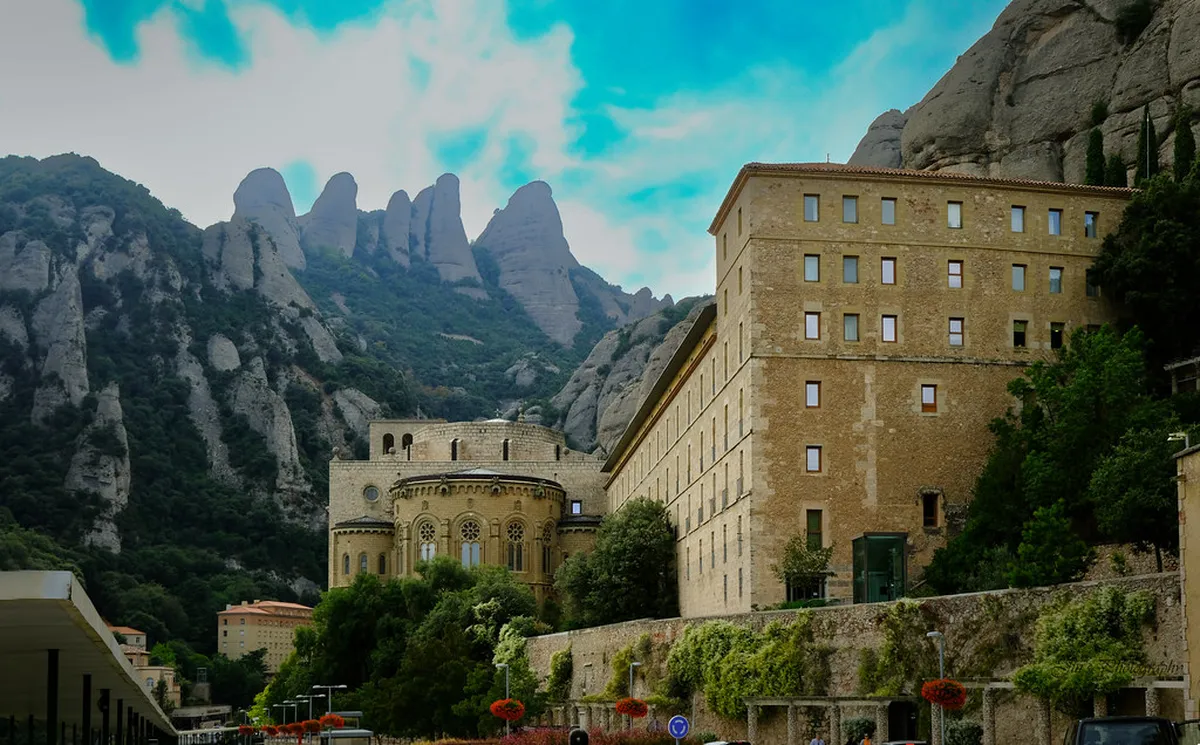
Day trips are the clearest reason to extend a stay in the Catalan capital past four days. Montserrat, the mountain monastery outside the city, is reachable by train and pairs well with a half-day wine visit. Girona's medieval core and city walls are reachable by regular train service from Barcelona. Figueres, home to the Dalí Museum, is often combined with Girona into one longer day trip. Sitges, the beach and nightlife town down the coast, works well as a shorter half-day or full-day outing. Costa Brava's coves and kayaking spots sit about 1.5 hours from the city, better suited to travelers with a full extra day to spare. Budget one extra day per destination rather than combining two in a single outing. The full day trip guide covers routes and timing for all of these options.
Common Mistakes That Waste a Day in Barcelona
A few planning mistakes routinely cost travelers a half or full day. Skipping advance booking for Sagrada Família is the most common one. It can force a schedule change once the only open slot turns out to be on a departure morning. Montjuïc is larger than most visitors expect, with a castle, gardens, and several museums spread across the hill. Reaching it from Gràcia or El Born takes at least one metro change plus a climb, so treat it as its own half-day rather than a quick stop. Eating on La Rambla itself is a time and money trap, since sit-down restaurants there charge tourist prices for slow service. The restaurant guide lists better options a few blocks off the main strip. Many museums, including some Gaudí sites, close on Mondays, so check hours before building a Monday around them. The museum guide lists current opening days for each major site.
Rainy Days and Late Dinners: Two Curveballs That Change Your Count
Weather and Barcelona's late dining hours both affect how many days you actually need. A two-day trip hit by rain loses its outdoor sightseeing block, so shift the Gothic Quarter walk to the clearer day and move museums or Gaudí interiors to the wet one. The rainy-day plan maps out an indoor-heavy alternate route. Dinner reservations rarely start before 9:00 PM, later than most first-time visitors expect. That late start pushes the next morning back too, so a tight two-day trip effectively loses sightseeing time to the dinner schedule. The nighttime activities guide covers what to do between the early evening lull and the late dinner hour.
Group Sights by Neighborhood to Save Time
Barcelona rewards geographic planning. Crossing the city repeatedly can turn a three-day itinerary into a rushed checklist. Keep nearby sights together and reserve separate blocks for attractions on hills.
- Pair the Gothic Quarter with El Born. The neighborhoods are adjacent, making Santa Maria del Mar, the Picasso Museum, and the cathedral practical in one walking block.
- Combine Casa Batlló and La Pedrera along Passeig de Gràcia. Continue through Eixample rather than returning to the old city between visits.
- Visit Sagrada Família with the Recinte Modernista de Sant Pau. Avinguda de Gaudí connects them on foot in about 15 minutes.
- Treat Park Güell as a separate half-day, especially when using public transport. Its uphill approaches and timed entry make it awkward to squeeze between central attractions.
- Give Montjuïc another half-day. The castle, gardens, Olympic sites, and museums are spread across a large hillside.
This neighborhood-first approach makes three days workable for major highlights. Four days remains better if you want slower meals, beach time, or unhurried museum visits.
Further reading: Barcelona on Wikivoyage · Barcelona on Wikipedia
Frequently Asked Questions
Is 3 days really enough time in Barcelona?
Three days covers the Sagrada Família, Park Güell, the Gothic Quarter, and one or two extra sights if tickets are booked ahead. It works well as a standalone city trip or as part of a longer Spain itinerary. The 3-day itinerary lays out an hour-by-hour version of this pace.
Is 2 days enough for Barcelona?
Two days works only for the core highlights, and it requires booking Sagrada Família and Park Güell tickets well in advance. Expect a rushed pace with no day trips and limited time for sit-down meals. The 2-day itinerary shows exactly how to sequence that schedule.
How many extra days should you add for day trips from Barcelona?
Add one full day per destination for Montserrat, Girona, Figueres, Sitges, or the Costa Brava. Combining two of these in one outing usually cuts each visit short. The day trip guide covers routes for all five options.
How many days should a first time in Spain itinerary give to Barcelona?
Most first-time Spain itineraries allocate three to four days to Barcelona before moving on to Madrid or Andalusia. That window covers the Modernist landmarks and the historic center without crowding out the rest of the trip.
Do you need to book Sagrada Família tickets in advance?
Yes. Timed entry slots for Sagrada Família and Park Güell can sell out two or more weeks ahead in peak season. Booking late sometimes forces an extra day just to fit both entries into open slots.