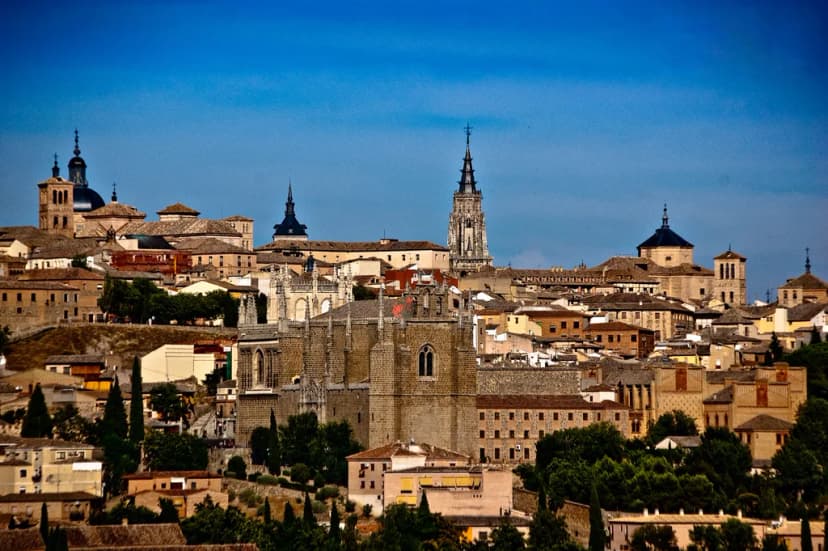

Three days in Barcelona covers the essential Gaudí sites, the Gothic Quarter, and a slower beach evening. This 3 days in Barcelona itinerary suits first-time visitors who want a realistic, well-paced plan. Sagrada Família tickets run about €26 to €40, with entry slots starting at 9am daily.
The plan groups stops by neighborhood, so Day 1 covers Eixample and the Gothic Quarter without doubling back. Prices and hours reflect 2026 listings, though popular sights often adjust schedules with little notice. For a longer list of things to see, the Barcelona attractions guide covers sights beyond this itinerary.
3 Days in Barcelona Itinerary: At a Glance
Each day below pairs a big-ticket Gaudí or museum stop with neighborhood time to slow down. Day 1 anchors Eixample and the old city, while Day 2 climbs toward Park Güell and the coast. Day 3 closes with museums, Montjuïc's hilltop views, and a final waterfront dinner.
Morning starts are worth protecting, since Sagrada Família and Park Güell both get crowded by mid-morning. Afternoons lean toward walkable neighborhoods, and evenings settle into tapas, beach air, or a rooftop view. Metro lines L2, L3, and L5 connect nearly every stop on this itinerary.
Families or slower travelers can swap any afternoon for a shorter, kid-friendly stop instead. Each day below lists an optional swap for rain, budget, or energy levels.
- Day 1: Gaudí icons and Gothic Quarter
- Morning: Sagrada Família and Casa Batlló
- Afternoon: Gothic Quarter and cathedral cloisters
- Evening: Tapas crawl through El Born
- Day 2: Hilltop views and local Gràcia
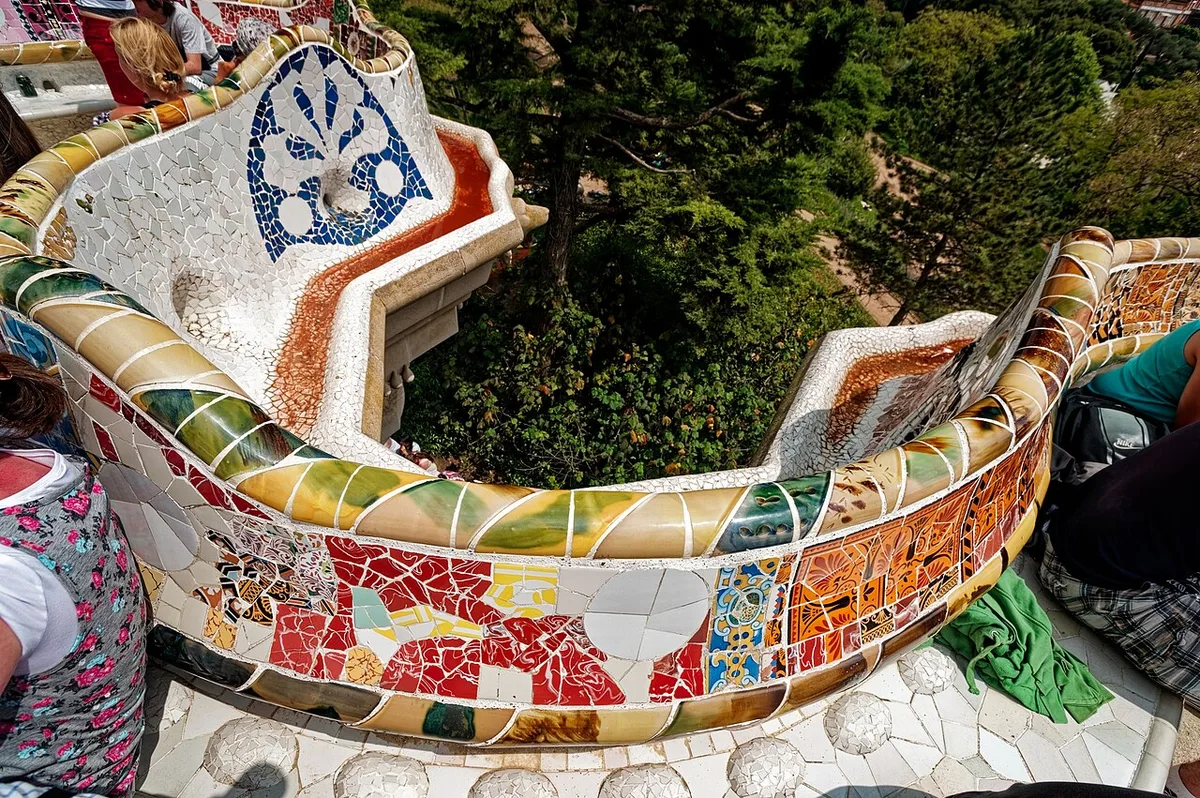
- Morning: Park Güell's mosaic terraces early
- Afternoon: Gràcia lunch and Ciutadella Park
- Evening: Sunset drinks at Barceloneta Beach
- Day 3: Museums, Montjuïc, and farewell tapas
- Morning: Picasso Museum and Palau exterior
- Afternoon: Montjuïc Castle via cable car
- Evening: Port Vell stroll and dinner
Your Day-by-Day 3-Day Barcelona Itinerary
The breakdown below adds practical timing, typical costs, and a same-day swap for each stop. Booking confirmations often list entry windows in 30-minute blocks, so arrive close to your slot. Security lines move slowly at Sagrada Família, and staff rarely allow entry more than 10 minutes late. Sagrada Família and Park Güell both hold UNESCO World Heritage status as Works of Antoni Gaudí.
Sagrada Família staff rarely allow entry more than 10 minutes past your timed slot. Arrive early to account for security lines, which move slowly during peak hours.
Day 1 opens with Sagrada Família before the 11am crowd surge, then continues to Casa Batlló. The Gothic Quarter fills the afternoon, with Barcelona Cathedral offering free entry most mornings before 12:30pm. El Born's tapas bars get busy after 9pm, so an earlier table around 8pm avoids the wait.
Day 2 trades icons for texture, starting at Park Güell before its Monumental Zone fills up. Walking down through Gràcia reveals quieter squares that most visitors skip entirely. The hidden gems in Barcelona guide covers more of these local spots.
Barceloneta Beach closes Day 2, with beachfront bars staying lively well past sunset. The best sunset spots in Barcelona page lists nearby viewpoints if the beach feels too busy.
Day 3 opens quietly at Palau de la Música before the Picasso Museum's late-morning queue builds. Entry to the Picasso Museum is free on Thursday afternoons and the first Sunday of each month. For more collections beyond the itinerary, the best museums in Barcelona guide ranks the rest.
- Day 1: Sagrada Família, Casa Batlló, Gothic Quarter
- Morning: Sagrada Família timed entry at 9am
- Afternoon: Casa Batlló then Gothic Quarter wander
- Evening: Tapas crawl through El Born
- Time: Full day, moderate walking pace
- Logistics: Metro L2/L5 links every stop
- Optional: Skip towers if budget tight
- Day 2: Park Güell, Gràcia, and Ciutadella Park
- Morning: Park Güell's Monumental Zone at sunrise
- Afternoon: Gràcia lunch, then Parc de la Ciutadella
- Evening: Barceloneta Beach sunset and seafood dinner
- Time: Long day, uphill morning walk
- Logistics: Taxi uphill, walk back downhill
- Optional: Swap Ciutadella for Recinte Modernista
- Day 3: Museums, Montjuïc Hill, and Waterfront
- Morning: Picasso Museum and Palau exterior
- Afternoon: Montjuïc Castle via cable car
- Evening: Port Vell stroll and farewell dinner
- Time: Easier pace, some uphill sections
- Logistics: Metro L3 to Montjuïc funicular
- Optional: Rainy day, swap for indoor museums
| Day | Key stops | Morning | Afternoon | Evening |
|---|---|---|---|---|
| Day 1 | Sagrada Família, Casa Batlló, Gothic Quarter | Sagrada Família 9am | Casa Batlló, Gothic Quarter | El Born tapas |
| Day 2 | Park Güell, Gràcia, Ciutadella | Park Güell sunrise | Gràcia lunch, Ciutadella Park | Barceloneta Beach sunset |
| Day 3 | Picasso Museum, Montjuïc Castle | Picasso Museum | Montjuïc Castle cable car | Port Vell dinner |
Where to Stay for 3 Days in Barcelona
Eixample is the easiest base for this itinerary, since Sagrada Família and Casa Batlló sit inside it. Mid-range hotels here run roughly €120 to €180 a night, with wide avenues that stay quiet after dark. The trade-off is distance from the beach, which sits about 20 minutes away by metro.
The Gothic Quarter and El Born put dinner and nightlife within walking distance of nearly everything. Budget guesthouses start around €25 to €40 a night, though rooms often skip elevators and air conditioning. Narrow medieval streets also mean more foot traffic and noise late into the evening.
Barceloneta suits travelers who want a beach walk before breakfast, with seafood restaurants steps from the sand. It sits farther from the Gothic Quarter and Sagrada Família, adding 15 to 20 minutes of transit most days. Families traveling with kids often prefer this trade for the easy beach access.
What to Eat in Barcelona: Catalan Dishes to Try
Catalan cooking centers on pa amb tomàquet, grilled bread rubbed with ripe tomato and olive oil. Jamón ibérico, grilled seafood, and slow-cooked paella round out most tapas menus across the city. Expect €3 to €8 per tapas plate, with a shared dinner for two running about €40 to €60.
Locals rarely sit down for dinner before 8:30pm, and restaurants before that hour skew toward tourists. Tipping stays modest here; rounding up the bill or leaving a euro or two is standard. A 20 percent tip, common in the United States, reads as unusual in most Barcelona restaurants.
Markets offer a faster, cheaper alternative to sit-down meals between sightseeing stops. La Boqueria, just off La Rambla, sells fresh juice, cured meats, and grilled seafood by the plate. Crema catalana, a custard dessert with a caramelized top, closes most traditional menus well.
Book in Advance: Barcelona's Must-Reserve Sights
Several Barcelona sights sell out days or weeks ahead, especially during the June to September peak. Sagrada Família needs booking about 4 to 8 weeks ahead in peak season, less in winter. Tower access requires its own timed slot, separate from the general entry ticket.
Park Güell's Monumental Zone should be booked at least 1 to 2 weeks ahead, more in summer. Casa Batlló tickets need roughly 1 week of lead time, longer around holidays. The Picasso Museum can be booked closer to the date, though free days still draw long lines.
Travelers hitting several paid sights in 3 days sometimes save money with a combined city pass. The Barcelona Pass value guide breaks down which attractions actually make it worth the cost.
Is 3 Days Enough, or Should You Add a Day?
Three days covers Barcelona's headline sights without feeling rushed, provided mornings start early. Travelers chasing every museum, market, and neighborhood in depth will likely want more time. Retirees and slower travelers sometimes stretch this same plan across four unhurried days instead.
Travelers with a fourth day gain the most by leaving the city entirely for a few hours. Montserrat's mountain monastery sits about 1 hour away by train, with round-trip tickets near €25. The day trips from Barcelona guide covers Montserrat alongside several other options.
Travelers continuing through Spain often pair this trip with Madrid, about two and a half hours away by high-speed train. A separate 3-day Madrid itinerary plans out that leg once Barcelona wraps up.
Frequently Asked Questions
Is 3 days enough to see Barcelona?
Three days covers Barcelona's essential sights, including Sagrada Família, Park Güell, and the Gothic Quarter, without feeling rushed. Expect a full, well-paced schedule rather than empty afternoons. Travelers who want deeper museum time or an extra day trip should plan for four days instead.
What is the best area to stay for 3 days in Barcelona?
Eixample offers the most central base, putting Sagrada Família and Casa Batlló within easy walking distance. The Gothic Quarter and El Born suit travelers who prioritize nightlife and dinner options. Barceloneta works best for anyone who wants beach access every morning.
How do I get from Barcelona airport to the city center?
The Aerobús runs from El Prat Airport to Plaça de Catalunya in about 35 minutes, for roughly €7 one way. The R2 Nord train reaches Passeig de Gràcia in similar time for less money. A taxi costs around €35 to €40 and takes about 25 minutes.
What should I book in advance for 3 days in Barcelona?
Sagrada Família and Park Güell need the earliest bookings, often 1 to 8 weeks out depending on season. Casa Batlló and the Picasso Museum benefit from booking at least a week ahead. Walking tours and tapas tours fill quickly on weekends, so reserve those early too.
Can I see Barcelona in fewer than 3 days?
Yes, a single focused day can cover Sagrada Família, Casa Batlló, and the Gothic Quarter with careful timing. The one day in Barcelona itinerary lays out that condensed route. Expect to skip Park Güell, Montjuïc, or the beach on a one-day visit.
Three days in Barcelona works best when mornings start early and stops stay grouped by neighborhood. Booking Sagrada Família and Park Güell ahead of time protects the rest of this schedule. With that groundwork done, the rest of the trip is mostly about pacing and appetite.