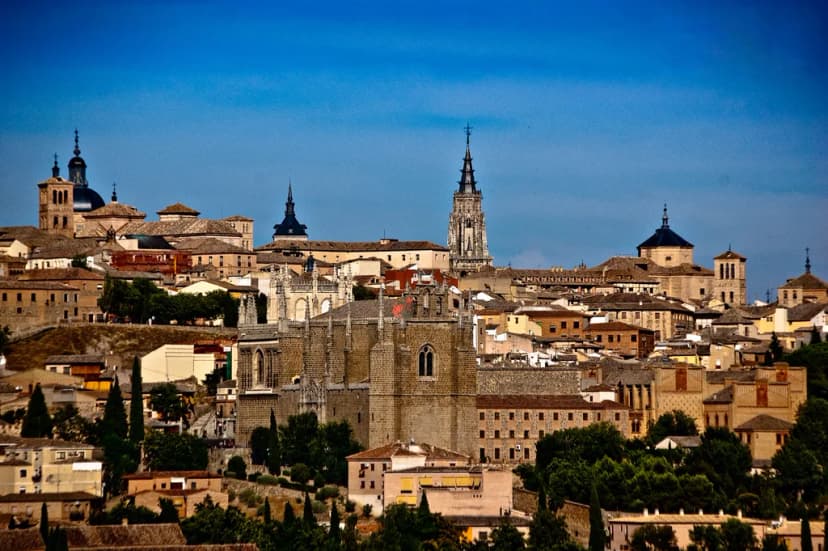

Last updated July 2026: the best time to visit Barcelona depends on whether the priority is mild sightseeing weather, beach heat, or a specific festival on the calendar. Late May into early June and late September come closest to a sweet spot, with warm days, thinner Sagrada Família lines, and lower rates than the July-August peak. This guide compares each season by temperature, daylight, landmark crowding, closures, and the festival calendar across the Gothic Quarter, Eixample, and Gràcia.
The Quick Answer: Best Time to Visit Barcelona
For most travelers, late April through June and mid-September through October mark the best time to visit Barcelona. Daytime temperatures sit in a comfortable range for walking, the Mediterranean is warm enough for a swim by late May, and lines at Sagrada Família and Park Güell run shorter than during the July-August peak. Two windows stand out even further: late May into early June, and late September, when mild weather overlaps with a thin festival calendar in the Gothic Quarter and Eixample. The table below breaks down what to expect month by month.
| Season | Weather | Crowd Level | Price Point | Key Event |
|---|---|---|---|---|
| Spring (Mar-May) | 13°C-22°C (55°F-72°F) | Moderate, spikes at Easter | Mid-range | Sant Jordi, April 23 |
| Summer (Jun-Aug) | 21°C-29°C (70°F-85°F) | Highest of the year | Highest, peak cruise season | Sant Joan, Primavera Sound, Gràcia Festival |
| Autumn (Sep-Nov) | 16°C-26°C (60°F-78°F) | Moderate, thins after October | Mid-range, drops after September | La Mercè, late September |
| Winter (Dec-Feb) | 7°C-15°C (45°F-60°F) | Lowest, except New Year's week | Lowest of the year | Three Kings Parade, Jan 5; calçotada season |
Spring in Barcelona (March to May): Sant Jordi and Terrace Weather
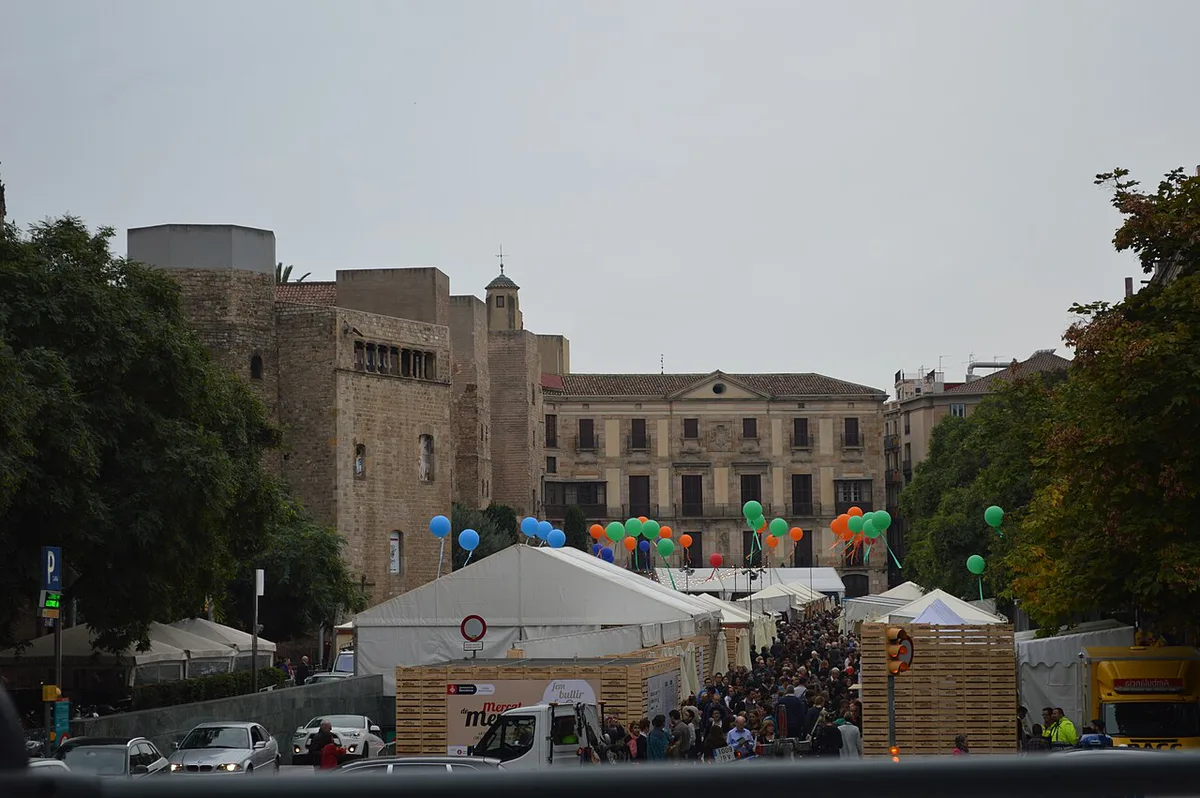
Spring moves Barcelona from crisp mornings into terrace weather. Expect 13°C to 22°C (55°F to 72°F) across the three months, with March still cool enough for a jacket and May close to short-sleeve weather. Daylight stretches from about 9 hours in March to nearly 15 hours by late May, leaving room for an evening walk through Gràcia after dinner. Cafés along Passeig de Gràcia and around Gràcia's smaller squares set tables outside again, and the Gothic Quarter's narrow streets lose their winter damp. Sant Jordi on April 23 is Catalonia's version of Valentine's Day, when book and rose stalls line Rambla de Catalunya and Passeig de Gràcia. Crowds run lower than summer overall, but Semana Santa (Easter week) is an exception. Processions through the Gothic Quarter push both hotel demand and attraction lines up for that one week. Rainy spring afternoons pair well with an indoor plan; Barcelona's best museums cover options for a wet day. A short spring trip fits neatly into a 2-day itinerary if time is limited.
Summer in Barcelona (June to August): Beach Heat and the Local Exodus
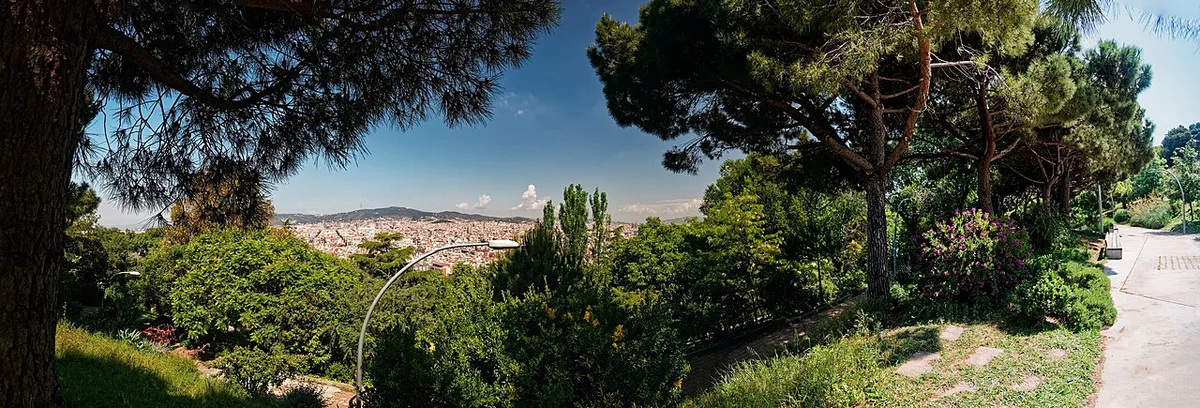
Summer brings the highest temperatures of the year, typically 21°C to 29°C (70°F to 85°F). Barcelona's coastal humidity makes the air feel heavier than the thermometer suggests, so a 29°C (85°F) afternoon can sightsee like several degrees hotter along Eixample's sun-exposed boulevards. Days run close to 15 hours in June, and sunset after 9pm keeps Eixample's rooftop terraces busy well into the evening. June opens with Sant Joan, marked by beach bonfires and fireworks, followed by music festivals including Primavera Sound and Sónar. August adds the Gràcia Festival, when neighborhood streets fill with decorations and live music. August is also a trade-off month: Barceloneta Beach and cruise arrivals peak at the same time that many family-run restaurants and shops close for two to four weeks so owners can get away from the heat too. A shuttered storefront on a normally busy street reflects that summer pattern, not a business closed for good. Evenings stay warm and long, which makes Barcelona's best sunset spots comfortable well past 9pm. Save Barcelona's best viewpoints for early morning or after 7pm, before midday heat peaks.
Summer's longest days at nearly 15 hours align with its highest crowds and 29°C heat, while winter's lowest crowds coincide with only 9 hours of daylight, forcing travelers to choose between sightseeing hours and crowd avoidance.
Autumn in Barcelona (September to November): La Mercè and the City's Second Spring
September works as Barcelona's second spring: the heat breaks, locals return from August closures, and the cultural calendar fills back up. Expect 16°C to 26°C (60°F to 78°F), with November at the cool end of that range. Daylight drops from about 12 hours in September to under 10 by November, so Gothic Quarter walks work better scheduled earlier in the day as the season goes on. La Mercè in late September is the city's largest annual festival, with parades, fireworks, concerts, and castells (human towers) filling the Gothic Quarter and surrounding streets. The sea stays warm enough for a swim through September without July's peak heat. Crowds thin noticeably at spots like La Boqueria Market once October arrives. September and October also line up with the wine harvest in the Penedès region nearby; day-trip ideas from Barcelona cover how to get there. A 3-day itinerary gives enough time to combine city sightseeing with one such excursion.
Winter in Barcelona (December to February): Calçots, Carnival, and the Lowest Prices
Winter is the most affordable time to visit Barcelona for accommodation. A simple double hotel room that runs around €70 to €90 a night in February can cost €150 or more during the August peak. New Year's week is the exception, since demand and prices both spike again around the holiday. Daylight bottoms out around 9 hours in December, so daytime market visits in Gràcia work better scheduled before 4pm. Winter days often run bright and clear, but wind off the Mediterranean can make 7°C (45°F) feel colder than the number suggests. Snow in the city center is rare. The Three Kings Parade on January 5 brings floats and candy through the streets, and calçotada season starts the same month, with restaurants across Catalonia grilling calçots and serving them with romesco sauce. Short daylight hours and a higher chance of rain make indoor backup plans worth having; rainy-day Barcelona plans list museum and market alternatives. A long weekend covers most of what winter Barcelona offers; trip-length guidance weighs a 2-night stay against a longer one. Reservations at Barcelona's top restaurant picks are easier to get in winter than during summer's high season.
Winter's €70-90 nightly rates and open neighborhood restaurants contrast sharply with August's €150 or more prices paired with many establishments closed for two to four weeks, leaving visitors with crowded tourist venues instead of authentic dining.
Barcelona by Interest: Which Season Fits the Trip
Weather alone does not decide the best time to visit Barcelona; the reason for the trip matters just as much. Match the priority below to a season before booking flights.
- Best for budget: January and February bring the lowest hotel rates of the year; free activities around the city keep daily costs down further.
- Best for sightseeing: May or October give the shortest lines at Gaudí landmarks. A one-day itinerary works well if time is short.
- Best for beaches: July and August have the warmest sea and the fullest sand at Barceloneta Beach.
- Best for families: late June or September avoid both the August closures and the coldest winter weeks. Planning a family trip has age-specific picks.
- Best for foodies: calçotada season starts in January, when restaurants across the region grill calçots and serve them with romesco sauce.
- Best for book lovers: April lines up with Sant Jordi's book-and-rose tradition on April 23.
- Best for nightlife and festivals: late September brings La Mercè's concerts and correfocs fire runs to the Gothic Quarter. After-dark activity picks cover what stays open late.
- Best for quiet shopping: November and early December thin out crowds along Passeig de Gràcia before holiday traffic builds. The city's shopping districts are covered district by district.
Booking Logistics: Crowds, Puentes, and Sagrada Família Timing
Sagrada Família sells out its entry slots well before the visit date in every season, spring and autumn included, so book online in advance regardless of month. A paid priority option can help skip lines during the busiest weeks; whether a sightseeing pass pays off depends on how many paid attractions are already on the list. Watch for puentes, the long weekends built around a Tuesday or Thursday public holiday, when many small shops and some museums close even outside peak season. Where to base a stay changes by season, since Ciutat Vella cuts down summer walking distances. Neighborhood accommodation picks break down options by budget. Quieter months make it easier to reach lesser-known spots around the city before a crowd arrives. For neighborhoods and getting around before locking in dates, the main Barcelona travel guide is a useful starting point.
Mistakes to Avoid When Timing a Barcelona Trip
A few planning mistakes come up often enough to flag directly.
- Expecting August to feel like spring. Many family-run restaurants and shops close for two to four weeks, so treat August as a beach-and-festival trip, not a slice of daily neighborhood life.
- Underestimating July humidity. A forecast in the high 20s Celsius can feel several degrees hotter once coastal humidity sets in, so build in midday breaks indoors.
- Assuming spring weather is settled. March and April still bring sudden showers between sunny stretches, so pack a layer even for a May trip.
- Skipping advance booking at Sagrada Família because a season looks quiet. Entry slots sell out year-round, not only in summer.
Barcelona Beach Season: When Services and Chiringuitos Open
Barcelona’s beaches remain accessible throughout the year, but their visitor services follow a seasonal schedule. Chiringuitos usually begin reopening from April, with more operating by late May. Lifeguard coverage, public toilets, and assisted-bathing services are most extensive during the main summer season.
Barceloneta and Sant Sebastià offer the liveliest atmosphere and easiest access from Ciutat Vella. Bogatell has more space for sports and usually feels less compressed. Nova Icària is convenient for families because of its broad promenade and nearby restaurants.
May can deliver warm beach weather, although the Mediterranean still feels brisk for many swimmers. September offers a better balance. The sea retains summer warmth while the strongest heat and largest August crowds begin to fade.
Outside peak season, expect fewer open kiosks and reduced lifeguard coverage. Check beach flags before entering the water, especially after storms. Metro stops Barceloneta and Ciutadella–Vila Olímpica provide practical access, but each requires a walk to the sand.
Further reading: Barcelona on Wikivoyage · Barcelona on Wikipedia
Frequently Asked Questions
What is the rainiest month in Barcelona?
October and November typically bring the most rainfall in Barcelona. Showers tend to arrive in short, heavy bursts rather than settling in for a full day.
When is the cheapest time to visit Barcelona?
January and February are usually the cheapest months for flights and hotels in Barcelona. Demand drops after the holiday season and before spring break, and attractions run quieter too.
Can you swim in Barcelona in May?
Swimming in May is possible, but the Mediterranean is still cool at that point. Most people wait until June, when the water has warmed up enough to feel comfortable rather than brisk.
When can you avoid the crowds in Barcelona?
November and early December see the fewest visitors of the year. Sagrada Família and Park Güell are easiest to see without a long wait during those weeks.
What is Barcelona's shoulder season?
Barcelona's shoulder season runs May-June and September-October. Crowds and prices sit between the summer peak and the winter low, with mild weather for walking.
When should you avoid visiting Barcelona?
Avoid mid-August if a quieter, more local feel matters, since many neighborhood restaurants and shops close then. Avoid Semana Santa without an early hotel booking too, since Easter week processions push demand up inside an otherwise quiet spring.