Last updated July 2026, this guide breaks down where to stay in Barcelona by neighborhood, budget, and travel style. Ciutat Vella holds medieval lanes, L'Eixample is a 19th-century grid, and Gràcia and Poblenou are separate outer villages. Match a base to your priorities before booking, since a 15- to 20-minute metro ride can separate a beachfront hotel from Gaudí's Sagrada Família.
Where to Stay in Barcelona: The Quick Answer
Book a room in L'Eixample or El Born for a first visit. Both sit within walking distance of the Gothic Quarter, Passeig de Gràcia, and most Gaudí landmarks. Hotel Alma is a strong pick for full luxury, with rates starting around $500 a night. Near Plaça Catalunya, Hotel Casa Elliot is a boutique option at about $250 a night. Budget travelers should look toward El Raval or Sant Antoni, where rates drop while access to the center stays short. Travelers focused on nightlife should lean toward Barri Gòtic or El Born instead, where bars and restaurants stay open latest. See the full Barcelona travel guide for a broader trip framework before narrowing down a neighborhood.
Barcelona Geography 101: The Three Cities
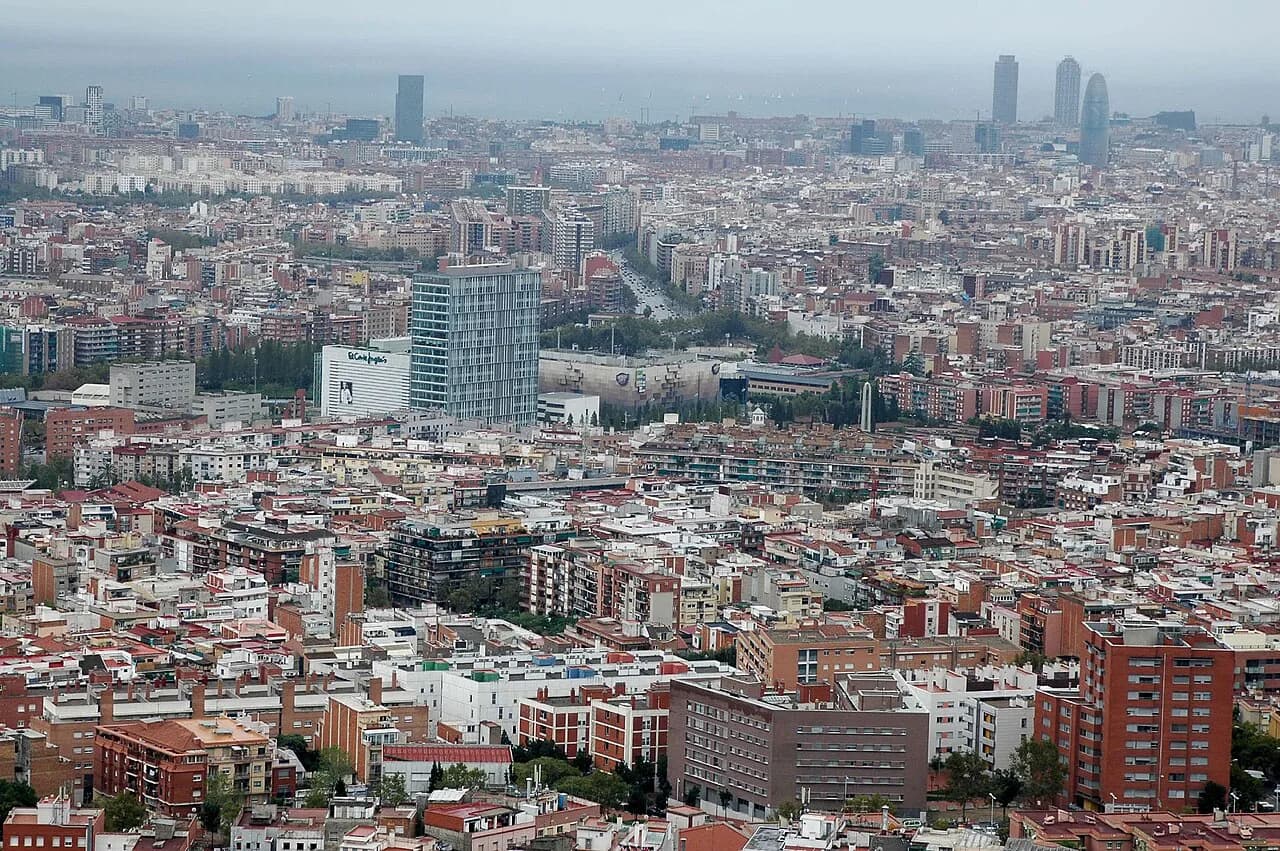
Barcelona divides into three practical zones for lodging decisions. Ciutat Vella is the old city. It covers Barri Gòtic, El Born, El Raval, and Barceloneta, with narrow medieval streets that predate cars. L'Eixample is the 19th-century grid extension that borders the old city to the northwest. It holds Passeig de Gràcia and most of Antoni Gaudí's landmark buildings. Gràcia sits just north of L'Eixample, a former village that Barcelona's expansion absorbed in the 19th century. Poblenou runs along the coast northeast of Barceloneta, with newer architecture and direct beach access. Each zone trades a different mix of walkability, noise, and distance from the Sagrada Família. Knowing these three zones first makes every neighborhood comparison below easier to place on the map.
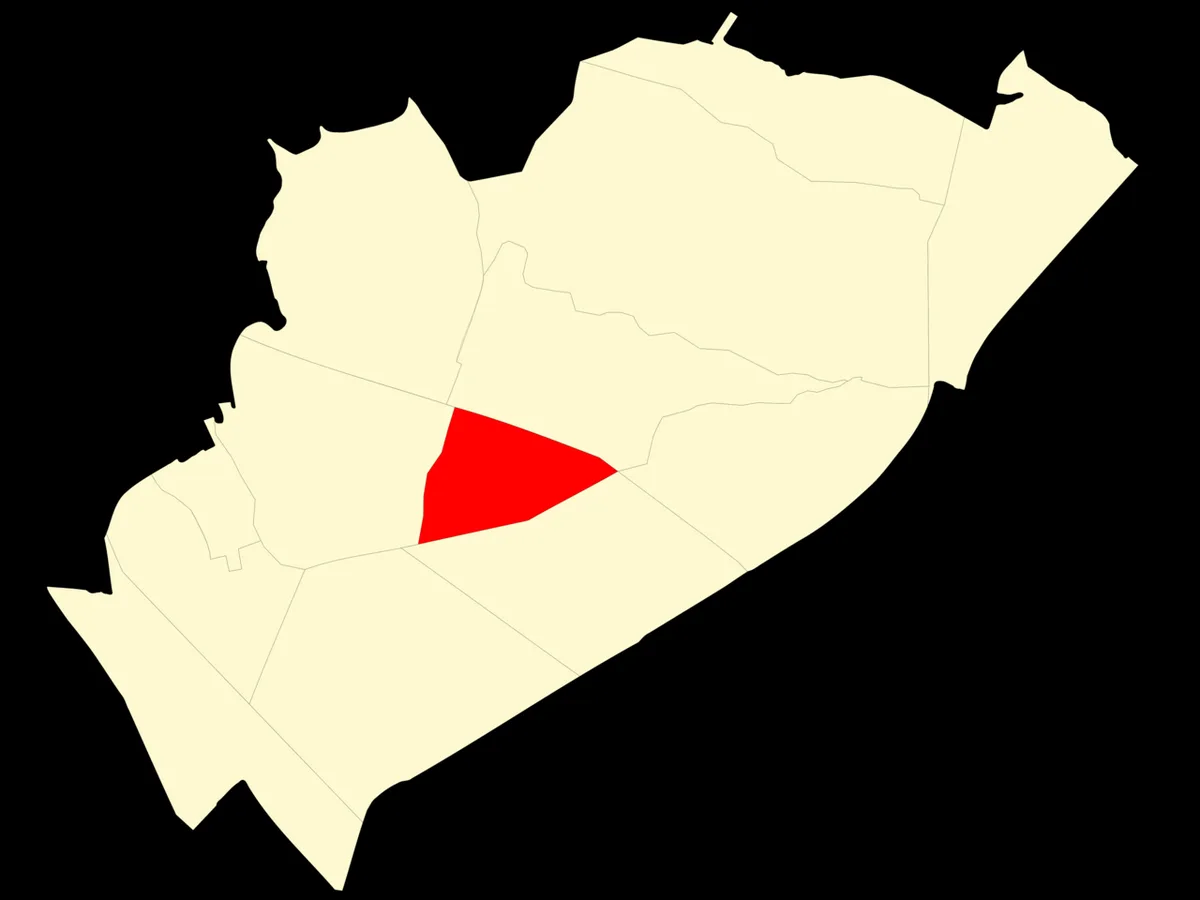
The 7 Best Neighborhoods for Where to Stay in Barcelona
The seven areas below cover most travel styles, from first-time sightseeing bases to quiet family stays. Each entry lists who it suits, the general atmosphere, and a hotel example with a nightly rate where available.
L'Eixample's large 19th-century blocks can deceive online maps significantly. A hotel that appears nearby to Sagrada Família or other landmarks might require a 20-minute walk instead.
- La Dreta de l'Eixample
- Wide boulevards and Modernist facades define this side of the grid, with Passeig de Gràcia running through the middle.
- Its flagship stores anchor the city's shopping scene. The same stretch is a strong starting point for the top photo spots in the city.
- Occidental Diagonal 414 is a mid-range option here, at about $185 a night.
- El Born
- Medieval streets, the Santa Maria del Mar basilica, and the Picasso Museum sit inside this old-city district.
- Tapas bars and boutique shops fill the streets by day. The district sits beside the city's top museums and a short walk from Ciutadella Park.
- The area also anchors much of the nightlife and evening activities covered elsewhere on this site. Rooms run mid-to-high, with fewer budget beds than L'Eixample.
- Barri Gòtic
- This is the historic center, a maze of medieval lanes around the Gothic cathedral, dating back to Roman times.
- Barri Gòtic offers the shortest walk to most attractions, plus dense dining and shopping. La Rambla's edge gets loud after dark, so book a block or two off the street itself.
- Budget-conscious travelers can pair a cheaper room nearby with the free activities guide to control costs.
- Gràcia
- Gràcia keeps a village feel, with small plazas and a mostly local, residential crowd.
- Gràcia suits families and repeat visitors more than first-time sightseers, since it sits just north of L'Eixample. For a family-focused itinerary, check the family trip planning guide.
- Seventy Barcelona runs about $250 a night, and Hotel Catalonia Gracia is lower-cost, near $150 a night. Its lesser-known corners get their own dedicated guide worth checking before you go.
- Sant Antoni & Poble Sec
- Sant Antoni is a foodie enclave at the southwest edge of L'Eixample, built around its restored market hall.
- Poble Sec sits nearby at the base of Montjuïc hill, next to El Raval along Avinguda del Paral·lel, with Carrer de Blai's tapas bars. Montjuïc's best viewpoints are also a quick walk from here.
- Hotel Casa Elliot, near Plaça Catalunya in Sant Antoni, is a boutique pick at about $250 a night. For a fuller list of nearby options, see the Barcelona restaurant guide.
- Barceloneta
- Barceloneta is the old fishing quarter next to the marina, with the city's main beach a short walk away.
- Travelers who prioritize beach time over Gaudí sightseeing will find Barceloneta a good fit. The seafood-heavy tapas bars stay busy through summer evenings.
- El Born and Barri Gòtic are both an easy walk away, combining old-city sightseeing with a beach day. Evenings work well for a walk to recommended sunset viewpoints along the shore.
- Poblenou
- Poblenou sits on the coast northeast of Barceloneta, with newer buildings and a quieter, more residential pace.
- A 15- to 20-minute metro ride to the old city is the trade-off for beach access and less noise at night.
- This is the pick for travelers who want distance from tourist crowds without leaving the coast.
Barcelona Neighborhoods at a Glance
The table below compares six well-known districts at a glance, including El Raval, an option not covered in the neighborhood list above.
| Neighborhood | Best For | Atmosphere | Price Point | Transit Access |
|---|---|---|---|---|
| L'Eixample | First-timers, luxury | Upscale, grand | High | Excellent |
| El Born | Couples, trendy stays | Medieval, chic | Mid-High | Good |
| Barri Gòtic | History, being in the action | Busy, ancient | Mid-High | Central |
| Gràcia | Families, locals | Village-like | Mid | Moderate |
| Poblenou | Beach, quiet | Modern, airy | Mid | 15-20 min metro |
| El Raval | Budget, arty travelers | Edgy, diverse | Lower | Central |
Getting Around Barcelona: Transit Costs and Airport Transfers
Central neighborhoods stay walkable, but reaching Gràcia, Poblenou, or Montjuïc usually means a metro ride. Skip single tickets once more than a couple of rides are planned. The T-Casual card covers ten rides across Zone 1, which includes every neighborhood in this guide. For airport transfers, compare the Aerobús with the L9S metro line before booking a private transfer. Anyone weighing paid sightseeing extras should also check whether a Barcelona city pass pays off for their itinerary.
Budget neighborhoods like El Raval and Sant Antoni reduce accommodation costs; pairing them with the T-Casual card at €13.00 for 10 rides extends savings across lodging and transit.
- Single ticket
- €2.90 per ride, valid within one zone.
- T-Casual card
- €13.00 for 10 rides across Zone 1, covering the entire city center.
- It does not cover the L9S airport metro line.
- Airport Metro (L9S)
- €5.90 one-way from El Prat into the city.
- The Aerobús is the other direct option from the airport.
- T-Usual card
- €22.80 for 30 days of unlimited rides, including the airport metro.
- Worth considering for stays longer than about five days.
Mistakes to Avoid When Choosing Where to Stay in Barcelona
A few recurring booking mistakes cost travelers time and money in Barcelona.
- Booking directly on La Rambla
- Rooms facing the pedestrian strip pick up noise well past midnight.
- Pickpocketing risk also runs higher right on La Rambla than a block or two off it.
- Underestimating walking distances in L'Eixample
- The grid's blocks are large, so a hotel that looks close on a map can mean a 20-minute walk.
- Confirm the actual distance to Passeig de Gràcia or Sagrada Família before booking.
- Forgetting the tourist tax
- Barcelona adds a per-night tourist tax to hotel bills, charged separately from the room rate.
- Confirm whether a quoted rate already includes it before comparing prices across neighborhoods.
Planning Cheatsheet: When and How Far Ahead to Book
Check the best time to visit before locking in travel dates, since peak season pushes up both prices and availability. Plan for at least three days in the city to make any of these neighborhoods worth the base. The 3-day itinerary is a useful test for whether a chosen neighborhood fits the day-to-day schedule. Travelers unsure how long to stay can start with the guide to trip length. For peak season, roughly May through September, book three to six months ahead. Shoulder-season trips allow more flexibility on both timing and price. Confirm cancellation terms before paying in full, since availability tightens fastest in the most walkable neighborhoods.
What Staying in El Raval Is Really Like
El Raval offers central accommodation, diverse dining, and quick access to La Rambla, Sant Antoni, and the Gothic Quarter. It also varies noticeably from street to street, so the hotel’s exact location matters.
Northern El Raval, near the Barcelona Museum of Contemporary Art and the Centre de Cultura Contemporània de Barcelona, feels busier with students and museum visitors. The area around Rambla del Raval has restaurants and open public space. Southern streets toward Avinguda del Paral·lel can feel quieter and less comfortable late at night.
El Raval works best for budget-conscious travelers who value walkability and do not mind a dense urban atmosphere. Check recent accommodation reviews for comments about nighttime noise, entrance security, and the surrounding block. After dark, use well-lit routes such as Carrer de l’Hospital or Rambla del Raval. Keep phones and wallets secured around La Boqueria and La Rambla, where crowded conditions make opportunistic theft easier.
Further reading: Barcelona on Wikivoyage · Barcelona on Wikipedia
Frequently Asked Questions
Which neighborhood is safest for solo travelers in Barcelona?
In our editorial assessment, L'Eixample and El Born feel calmest at night, thanks to residential streets and steady foot traffic. Barri Gòtic and La Rambla draw the largest evening crowds, so keep valuables close and skip poorly lit side streets after dark. El Raval has shed much of its rougher reputation through gentrification, but it still feels less settled after dark than the surrounding grid.
Is it better to stay near the beach or the city center in Barcelona?
That depends on the sightseeing plan. Barceloneta and Poblenou put the beach within easy walking distance, while Gaudí's landmarks sit inland in L'Eixample. Ciutat Vella and L'Eixample stay closer to the Sagrada Família, Casa Batlló, and Park Güell. Travelers splitting time evenly can pick Barceloneta or El Born, since both stay walkable to the old city.
How much should you budget per night for a hotel in Barcelona?
Nightly rates vary widely by neighborhood and season. Mid-range hotels in Dreta de l'Eixample and Gràcia run from about $150 to $250 a night, based on properties like Hotel Catalonia Gracia and Seventy Barcelona. Luxury options such as Hotel Alma start around $500 a night, while a five-star pick like Hotel Casa Fuster on Passeig de Gràcia runs near $350 a night. Add the per-night tourist tax on top of any quoted room rate.
What are the best areas for families with small children?
Gràcia is the top pick for families, with quieter residential streets and a slower daytime pace. Its village feel and local squares suit longer stays with young kids better than the busier old city. L'Eixample also works well, since its wide sidewalks make strollers easier to manage than the narrow lanes of Barri Gòtic or El Born.
Should you book a hotel directly on La Rambla?
Generally, no. Hotels directly on La Rambla face constant foot traffic and street noise well past midnight. Booking a block or two into Barri Gòtic or El Raval keeps the same walkability with a quieter room. This trade-off matters most for light sleepers or anyone with an early start the next day.
Which area is best for nightlife in Barcelona?
Barri Gòtic and El Born stay busiest after dark, with bar and restaurant clusters within walking distance of most hotels. Poblenou also draws a late-night crowd near its beach clubs, though it sits farther from the old city. Light sleepers should avoid rooms directly on La Rambla or its immediate side streets, where noise runs latest.