
Wiesbaden works as a Rhine day-trip base because the region it sits in is the destination. The Rheingau wine region stretches from Lorch to Walluf, and Wiesbaden appears in the region's own list of communities, so the vineyards begin without a long transfer. Rüdesheim am Rhein, Eltville, Geisenheim, Hattenheim and Kiedrich all sit inside that same regional map.
Before planning town by town, make the structural choice: rail-and-walk day or river day. A rail day lets you combine two wine villages, or Rüdesheim plus a vineyard walk, and keeps the return in your control. A river day trades flexibility for the water itself, and it needs more verification because departure points, routes and fares are operator decisions rather than something you can read off a timetable.
One constraint deserves attention first. The right-bank Rhine corridor between Wiesbaden and Koblenz is affected by major modernisation work, with the operator advising passengers in the RMV area to expect restrictions between Wiesbaden and Koblenz. Anyone aiming toward the Lorelei or Koblenz should check current Verkehrsmeldungen and the DB journey planner for their exact date rather than relying on a plan made weeks earlier.
Quick Answer: Which Rhine Day Trip Fits Your Time
If you have half a day, choose Rüdesheim. It is the Rheingau's best-known town and its main ingredients sit close together: the Drosselgasse alley, the Niederwald Monument above the vineyards and Eibingen Abbey on the hillside. A suggested half-day shape is arrival, one alley walk, one climb or cable-car ride and a return before the evening. Treat that as an editorial suggestion, not an official timetable.
With a full day, the strongest options are two Rheingau wine villages done properly or a river segment, not five villages at speed. Rail hops between Eltville, Oestrich-Winkel, Geisenheim, Hattenheim, Erbach and Kiedrich are short, but each stop costs arrival time, orientation and a departure wait. Two towns with a real lunch beat five rushed platform changes.
If the river itself is the point, treat the day as a boat day and build it around one verified sailing plus a rail return, or a rail outbound plus a boat back. Confirm with the operator before committing: departure points, sailing times, whether the route passes the Lorelei and whether the service runs on your date are all operator decisions, and none can be assumed from a general Rhine cruise description.
How to Read the Rhine Map From Wiesbaden
The Rheingau's official extent runs from Lorch in the west to Walluf in the east, and the region's own community list includes Wiesbaden alongside Assmannshausen, Eltville, Erbach, Geisenheim, Hattenheim, Hochheim, Kiedrich, Oestrich, Rüdesheim, Schlangenbad, Walluf and Winkel. Two consequences follow: Wiesbaden is part of the wine region rather than a gateway outside it, and a Rhine day trip here can be a short local hop or a longer run west.
Rüdesheim anchors the western end of the Rheingau and is the town most visitors picture, with the Drosselgasse, the Niederwald Monument above the river and Eibingen Abbey on the slope behind. The wine villages between Wiesbaden and Rüdesheim are quieter and more residential, with churches, half-timbered centres and vineyards rather than a single headline sight. Think of the corridor as two different half-days: a village day and a Rüdesheim day.
Beyond Rüdesheim the river bends toward the Lorelei and Koblenz, where the Rhine meets the Moselle at the Deutsches Eck and Ehrenbreitstein Fortress sits above the opposite bank. Koblenz is a genuine regional-rail destination from the Rhein-Main area, but it belongs in the long-day category rather than the quick-hop category. Treat it as a full day with a conservative return plan, especially while corridor works are active.
Getting There: Regional Rail, Tickets and the Corridor Caveat
Wiesbaden Hauptbahnhof is a regional hub in the RMV network, and the Rheingau communities are served by regional rail rather than a metro-style service with a memorisable interval. That means you plan with the RMV journey planner or the nationwide timetable, and you accept a possible change for some destinations. Build a buffer before your last return of the day, especially while works are running.
The Deutschland-Ticket is the key scope question, because it changes which towns are cheap add-ons and which are paid extras. RMV describes it as valid nationwide on local and regional transport for unlimited journeys, sold only as a subscription. Regional and regional express trains are covered, while long-distance trains such as ICE are not, and the ticket price is being adjusted from 1 January 2027, so check the current RMV terms rather than a remembered figure.
The corridor works are the second scope question. RMV describes the modernisation as covering the whole right-bank corridor between Wiesbaden and Troisdorf, with passengers in the RMV area advised to expect restrictions between Wiesbaden and Koblenz while tracks, points, overhead lines, signalling, bridges, tunnels, level crossings and stations are renewed. Because works schedules move, check the current Verkehrsmeldungen and your specific connection rather than treating any published window as final.
Option A: Rüdesheim am Rhein, Split Into Three Decisions
Rüdesheim is easier to plan if you treat it as three independent choices rather than one bundle. The Drosselgasse is a long, skinny alleyway lined with shops and restaurants and is the town's most famous attraction, which also means it can get busy. The Niederwald Monument can be reached by cable car or on foot through the vineyards, and Eibingen Abbey is a separate hillside stop. Deciding which two of the three matter most keeps the day from becoming a queue.
Cable car and monument tickets are priced and operated separately from rail tickets, so check the current price and running status with the operator rather than assuming a combined ticket exists. Walking up through the vineyards is the alternative when queues are long or the service is suspended, and it changes the day's shape from a quick ascent to a proper half-day on foot. Decide which version you want before leaving Wiesbaden.
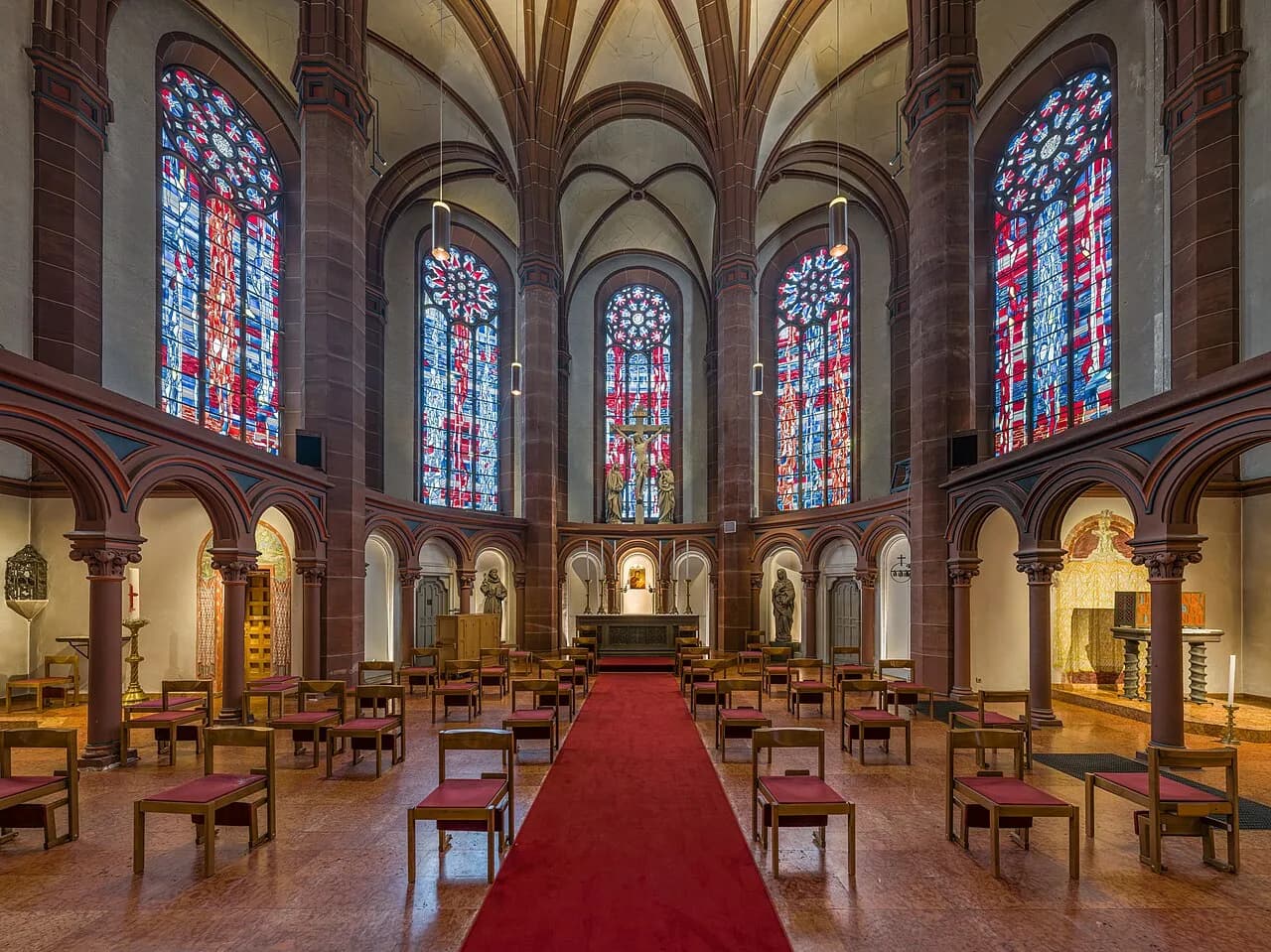
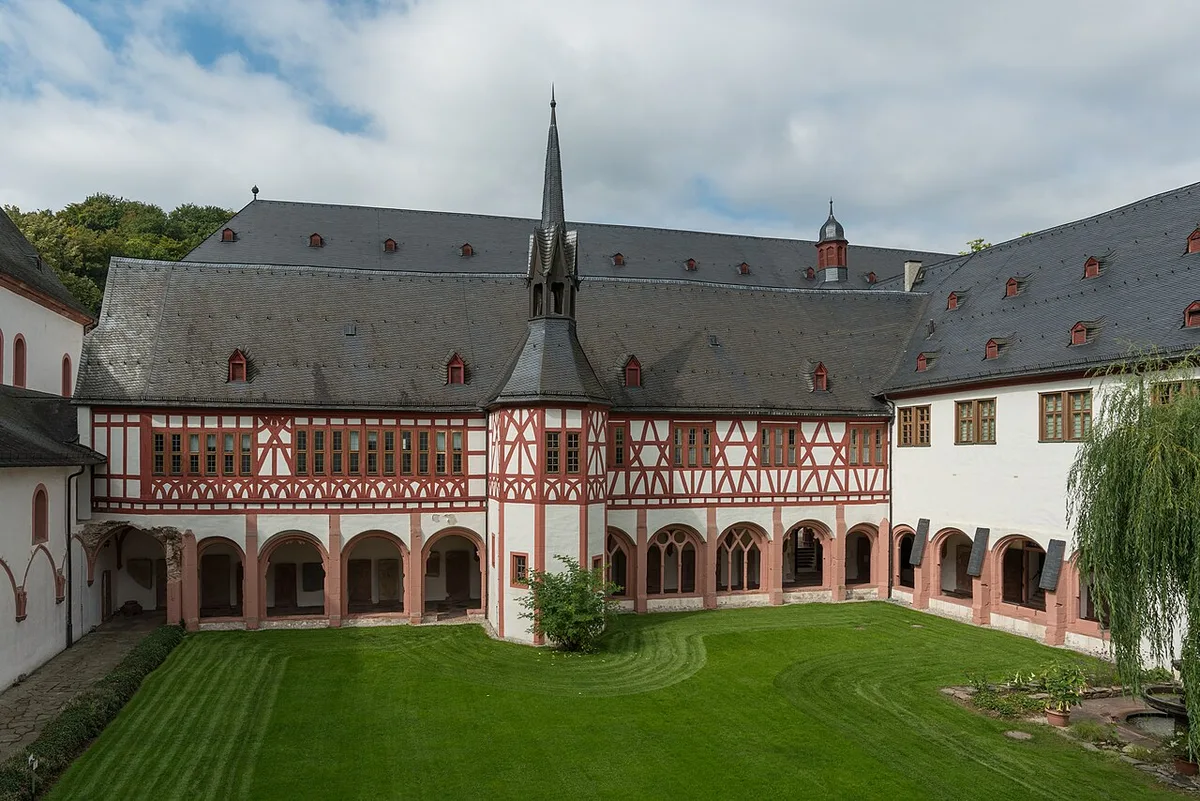
Eibingen Abbey is a working religious house with a Romanesque-style church, and visitors should treat it as a place of worship rather than an extension of the monument. Its gift shop sells jams, cookies, liqueurs and wines made by the community, which makes it a natural pairing with the vineyard walk back down. Grouping the abbey with the monument and leaving the Drosselgasse for the end often works better than doing the alley first.
Option B: Choosing Two Rheingau Wine Villages Instead of Five
The Rheingau villages each have a distinct reason to visit, which is exactly why racing through them fails. Eltville has the most urban feel of the group, with a historic centre and a riverside position. Oestrich and Winkel share one municipality spread across vineyards and riverbank. Geisenheim is a wine-science town, while Hattenheim, Erbach and Kiedrich are smaller and quieter, with Kiedrich known for its church and its own wine identity.
A realistic full-day shape is two villages plus a vineyard walk between them. Pick one anchor village with a church or old centre, and one with a Strausswirtschaft or winery you can reach on foot. Ask the local tourist information which producers accept visitors on your date, because opening periods and reservation policies are seasonal and are best confirmed directly.
If your interest is monastic heritage rather than a village stop, a dedicated Eberbach Abbey day trip from Wiesbaden is a better use of a full day than squeezing the abbey alongside two villages. The Kloster Eberbach complex and its grounds are a substantial visit in their own right, and combining it with a village lunch makes a fuller day than a circuit of small churches. Decide on the abbey first, then fill the rest around it.
Option C: Lorelei-Area River Days and What to Verify
The Lorelei is reachable in the sense that the Rhine corridor runs past it and regional rail serves the surrounding towns, but a day built around the Lorelei is a river day rather than a train day. The famous rock is a sight seen from the water, and the experience depends on a boat service rather than on a station. Decide whether you want to be on the river or beside it before choosing a destination.
Cruise operators set their own departure points, routes, durations and fares, and no single company covers the whole river in a way that lets you plan by assumption. Before booking, confirm the specific sailing you want, where it stops, whether the route passes the Lorelei, and the operator's cancellation and weather policy. If a sailing does not match your day, switch to a rail-based plan instead of forcing the boat.
A practical compromise is a one-way river segment combined with a train return. This gives you the scenery of the middle Rhine without committing the whole day to one operator's timetable, and it protects you if a connection is affected. Verify the rail return separately on the RMV or nationwide planner, and assume the last evening connection matters more than the first departure.
Option D: Koblenz as a Long Day, Not a Quick Hop
Koblenz sits at the Rhine-Moselle confluence, with the Deutsches Eck promontory marking the meeting point and a monument to Kaiser Wilhelm I at its tip. The reconstructed old town is walkable and packed with squares lined with shops and cafes, and Ehrenbreitstein Fortress on the opposite bank is reached by cable car over the river. The three together fill a day comfortably, which is why Koblenz belongs in the long-day category.
Cable car and fortress tickets are separate operator products and should be checked on the day rather than assumed, and the fortress itself is a large site that rewards a plan rather than a wander. On a long day, choose either the fortress or a full old-town circuit with the Deutsches Eck, not both at full depth. Return timing matters more than usual here because corridor works can turn a comfortable connection into a slow one.
If corridor works are causing significant restrictions on your dates, consider substituting the closer Rhine crossing and treating Mainz as the river-facing half of the day instead. The Wiesbaden to Mainz Rhine excursion is the low-risk version of a river day: short connections, no dependence on a boat operator and a straightforward return. Keep Koblenz for a day when the current Verkehrsmeldungen look clean.
Seasonal Timing: Wine Festivals, Vineyard Walks and River Days
The Rheingau's identity is built on wine, and the region's own pages foreground vineyards, wine festivals, Strausswirtschaften, castles and monasteries as reasons to visit. That matters for day trips because the season changes what a village actually offers: harvest-time events, temporary wine taverns and walking routes are stronger in some months than others. Check the regional event calendar before fixing a date.
Autumn and spring are the most comfortable seasons for vineyard walking, with cool air and long views, while high summer makes an early start more valuable on both rail and river. River days in cooler months need more planning for wind and rain, and a boat day in poor weather is harder to salvage than a rail day where you can duck into a village church. Build one indoor fallback into any river plan.
Wine events and Strausswirtschaft periods are seasonal and locally organised, so confirm specific dates and opening arrangements with the organiser or the local tourist information rather than trusting a general seasonal claim. If a festival is central to your day, build the trip around it and accept that accommodation and trains will be busier. If it is incidental, let the villages lead and treat any event as a bonus.
Practical Trade-Offs and Sample Day Shapes
The most common mistake on this corridor is over-scheduling. Every extra village adds a platform change, a walk to the centre and a wait, and removes time from the places you actually wanted to see. A suggested half-day Rüdesheim loop, a suggested full-day two-village Rheingau route and a suggested full river day are three different trips; pick one rather than combining them.
Keep the day luggage-free if you are staying in Wiesbaden: leave bags at your accommodation and carry only what the weather demands, because vineyard walking and cable cars punish heavy loads. If you combine a boat segment with rail, sort your ticket before boarding and keep your return connection visible. Check accessibility with the specific operator or station if you need step-free access, since guarantees cannot be assumed across boats, cable cars and stations.
Return before the last sensible evening connection rather than the last theoretical one, particularly while corridor works are active and replacement services may extend journey times. If your day is built on wine tasting, plan the return before the tasting rather than after it. And if you have more than one day in the city, a 2 days in Wiesbaden itinerary can absorb the Rhine trip without pushing everything into a single day.
Plan Your Visit
A Rhine day trip from Wiesbaden is a choice between two good trips, not a list to complete. Rail-and-walk days suit travellers who want control, short hops and village time, and the Deutschland-Ticket scope makes regional trains the default while long-distance trains stay out of scope. Boat days suit travellers who want the river itself, provided they verify the operator's sailing before committing.
Before any Rhine day, do three checks: the RMV Verkehrsmeldungen for corridor restrictions between Wiesbaden and Koblenz, the current timetable for your specific connection, and the operator's own page for any boat, cable car or fortress ticket you intend to buy. Then decide whether this is a two-village day, a Rüdesheim day or a river day, and build the return around the connection you can actually make.
Frequently Asked Questions
Is Rüdesheim part of the Rheingau wine region?
Yes. Rüdesheim am Rhein appears in the Rheingau region's own list of communities, alongside Eltville, Geisenheim, Hattenheim, Kiedrich, Oestrich and Walluf. The region's official extent runs from Lorch to Walluf, and Rüdesheim sits at the western end of that corridor. That is why Rüdesheim is usually treated as the headline Rheingau town rather than as a separate destination.
Can you do a Rhine day trip from Wiesbaden without a car?
Yes, regional rail is the normal way to do it. Wiesbaden Hauptbahnhof is an RMV hub, and the Rheingau communities, Rüdesheim and the Koblenz corridor are served by regional trains. Some destinations require a change, so plan with the journey planner rather than assuming a direct connection. Check current Verkehrsmeldungen before travelling because right-bank corridor works between Wiesbaden and Koblenz can affect services.
Does the Deutschland-Ticket cover trains to Rüdesheim and the Rheingau?
The ticket is valid nationwide on local and regional transport, including regional and regional express trains, and RMV sells it only as a subscription. Long-distance trains such as ICE are not included. Because the price is being adjusted from 1 January 2027, check the current RMV terms and the specific trains you plan to use rather than relying on a remembered figure.
Are there Rhine cruises near Wiesbaden or Rüdesheim?
River services operate in this stretch of the Rhine, but the details are set by each operator rather than by a single public timetable. Departure points, routes, durations and fares must be confirmed with the company you intend to sail with. Decide first whether you want a short river segment combined with a rail return or a full day on the water, then verify the specific sailing for your date.
How many Rheingau wine villages can you realistically visit in one day?
Two villages done properly is a better target than five visited briefly. Each stop costs arrival time, orientation and a departure wait, and the villages between Wiesbaden and Rüdesheim are small enough that a rushed circuit leaves no time for a vineyard walk or a proper meal. Pick one anchor village and one second stop, and confirm any winery or Strausswirtschaft arrangements directly.
Is the Lorelei reachable as a day trip from Wiesbaden?
The Lorelei sits on the Rhine corridor that regional rail serves, but the sight is really a river experience rather than a station stop. A Lorelei day is therefore a boat day, or a rail day spent in one of the riverside towns nearby. Confirm the specific sailing and its route with the operator before building your day around it.
What should you check before a Rhine day trip during the right-bank rail works?
Check the current RMV Verkehrsmeldungen and the nationwide journey planner for your exact date and route. The modernisation programme has been described as covering the right-bank corridor between Wiesbaden and Troisdorf, with restrictions expected between Wiesbaden and Koblenz, and works schedules move. Build in a buffer, plan the return connection conservatively, and be ready to substitute a shorter rail day if the corridor is heavily affected.


