

Rostock rewards travellers who build a day around squares, church exteriors, promenades and shoreline rather than ticket queues. The historic centre and the seaside district of Warnemünde lie about twelve kilometres apart, according to the official city website, so you can pair an old-town walk with a Baltic beach afternoon. As a suggested duration, allow roughly half a day for the old town and another half for Warnemünde if you want both.
Start at Neuer Markt: What You Can See for Free
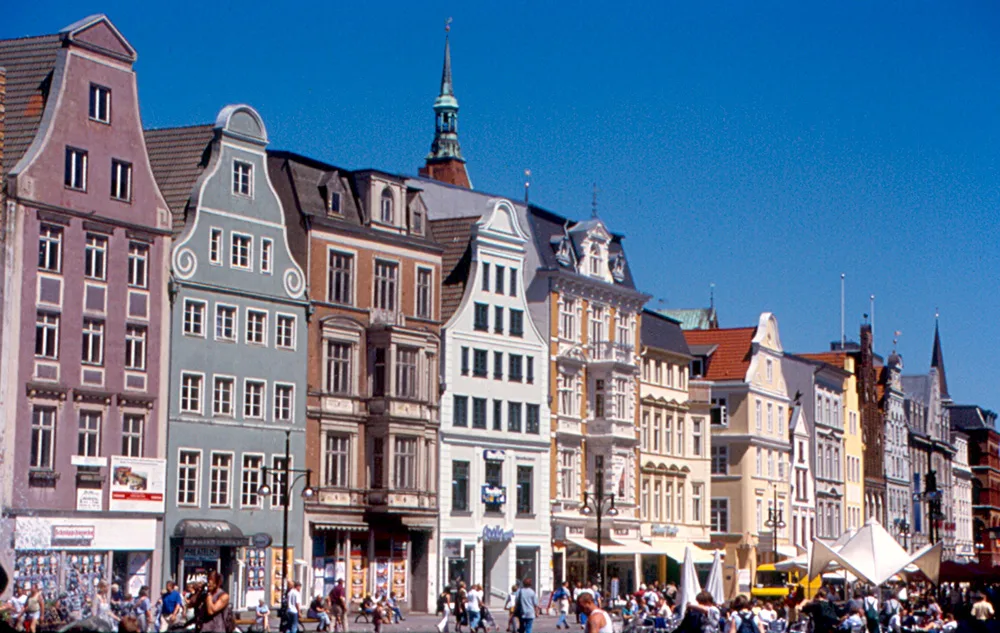
Neuer Markt is the natural first stop because most of the old town's free sights cluster around it. The square mixes several architectural styles, and the most photographed piece is the pink town hall, a North German brick Gothic building that has survived in unusually good condition. The third-party guide describes it as an architectural masterpiece and a rare survivor in such good shape. You can walk the full square, study the ornate merchant townhouses that frame it, and orient yourself for the rest of the day without spending anything.
Three Gothic Churches from the Outside
St Mary's, St Nicholas and St Peter's are the three Gothic churches most visitors try to see, and the practical decision is which ones to walk between rather than whether to enter. The third-party Vexperio guide says St Mary's can be seen from the Market Square itself, St Nicholas is about a ten-minute walk from the square, and St Peter's is about five minutes from St Nicholas or ten minutes from the square. Those walking times are estimates from that source, not official measurements. Treat all three as free to admire from the outside, and treat any tower climb or interior visit as a separate question the organiser or parish answers.
Kröpeliner Straße, University Square and the City Gate
Kröpeliner Straße is the spine that connects the Market Square to University Square, and walking it costs nothing while giving you the best sense of the old town's daily rhythm. Shops, boutiques, cafes and restaurants line both sides, so it works equally well as a free stroll or as a break point. At University Square, the University Church is the focal building, and the University of Rostock's founding year of 1419 is part of what makes the square feel significant rather than ornamental, per the third-party guide.

Continue along the same street and you reach the Kröpeliner Tor, the historic city gate that survives from Rostock's medieval fortifications. The third-party guide describes it as a remnant of the fortifications and a reminder of the city's membership of the Hanseatic League, as well as one of the main symbols of Rostock. The gate is free to see, and there is no reason to rush past it, since it marks a natural endpoint for an old-town loop.
Warnemünde: The Alter Strom and Harbour Atmosphere
Warnemünde's Alter Strom is a canal promenade, and the third-party Vexperio guide describes it as around 1,100 metres long, linking the district toward the ferry terminal at the Warnow's mouth. Bridges cross it at intervals, so you can switch banks and walk both sides rather than retracing the same route. Shops and small cafes line the promenade, but the harbour atmosphere itself is the free attraction, and it is the closest thing to a classic Baltic stroll within the city's own boundaries.
Beaches and Coastal Access Without Paying
Rostock's coast is not one undifferentiated beach; the official city site describes it as divided into clearly designated sections for families, naturist bathers and dogs. That distinction matters if you are travelling with children or a pet, because it tells you which stretch to aim for before you leave the centre. The same source notes that water quality at the official bathing sites is regularly rated excellent, though conditions can change, so check locally if that is a deciding factor for you.
Access to the sand itself is free, and the official site notes that many sections have boardwalks running close to the water plus facilities such as accessible sanitary points and beach wheelchairs. Use the city's own site to confirm which access points are currently equipped, since infrastructure can be modified from season to season. Pairing a free beach hour with the Alter Strom walk makes for an efficient coastal half-day.
Free vs Paid: Where to Draw the Line
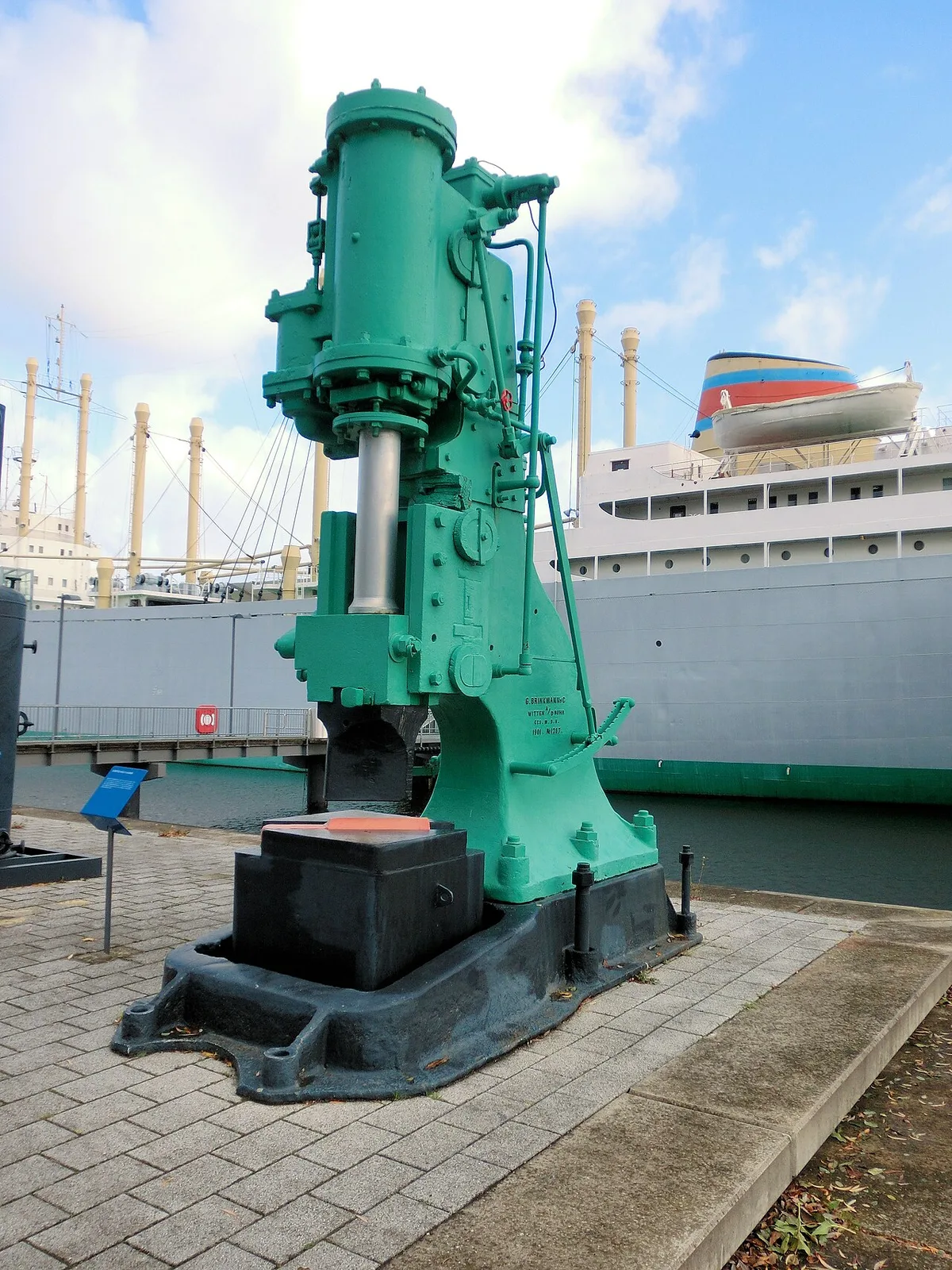
The consistent rule in Rostock is that grounds, squares, streets and exteriors are free, while interiors, tower climbs and museum collections are usually separate. The Culture History Museum near the Market Square is a good example of a stop that costs money rather than a free sight, according to the third-party guide that places it under ten minutes from the square. Similarly, the floating Schifffahrtsmuseum on the Warnow is a paid interior experience, not an open-air one.
Do not assume a single ticket covers everything in a complex, or that a church published as an attraction is free to enter. Where admission matters, the organisers and individual institutions publish the current terms, and those are the sources to check close to your visit date. The free-day strategy is simply to treat the outside as the attraction and to decide deliberately whether any interior is worth the add-on.
Suggested Walking Orders for a Free Day
For a short visit, start at Neuer Markt, see St Mary's from the square, walk Kröpeliner Straße through to University Square, and finish at the Kröpeliner Tor. That sequence keeps you moving in one direction and uses the street as a natural connector. The walking times mentioned here are estimates from the third-party source, not official measurements, so treat them as rough guidance and adjust to your own pace.
With a half day or more, complete the old-town loop and then head to Warnemünde for the Alter Strom and a stretch of beach. This pairing works because the two halves of the city offer different things, so you are not simply repeating a similar experience. If you want to add a green, quiet stop to the old-town portion, a botanical garden visit is a low-key option that fits between the squares and the gate.
Practical Access Notes and the GästeCard
The fastest way between the centre and the coast is the S-Bahn, which links the city core directly to the beach station, according to the official city site. Buses and passenger boats are alternatives, but the train is the simplest option if your priority is time. The official site does not publish line numbers or journey times in the material summarised here, so check a current timetable before you set out.
The GästeCard is worth understanding before you assume your day is entirely free. The overnight-guest version, issued via your accommodation as proof of the spa contribution, includes free use of public transport, while the day and annual spa cards grant discounts but not free transit, per the official city site. That distinction decides whether hopping between the centre and Warnemünde costs you anything beyond the card itself.
Plan Your Free Day in Rostock
Rostock's best value for a budget traveller is not a single attraction but the combination of a compact old town and a coastal district you can reach without a car. Build the day around Neuer Markt, the church exteriors, Kröpeliner Straße, University Square and the city gate, then add Warnemünde's promenade and beach if time allows. Check the official city site and the relevant institutions for any current access rules before you travel.
Frequently Asked Questions
What is there to see in Rostock for free?
The old town's public spaces carry most of the free sights: Neuer Markt with its pink town hall, the exteriors of St Mary's, St Nicholas and St Peter's, Kröpeliner Straße, University Square and its church, and the Kröpeliner Tor. In Warnemünde, the Alter Strom promenade and the beach are free to walk. Interiors, tower climbs and museums are generally treated separately, so check with each site if you want to go inside.
Can you visit Rostock's churches without paying?
You can see the three main Gothic churches from the outside without buying anything, which is how most short visits treat them. St Mary's is visible from Neuer Markt, while St Nicholas and St Peter's sit a short walk further into the old town. Whether an interior or tower is open, and on what terms, is set by the individual church rather than by a single city-wide rule, so confirm directly before planning around it.
What are the best free things to do in Warnemünde?
Walking the Alter Strom promenade and spending time on the beach are the two reliable free activities in Warnemünde. The promenade runs along a canal with bridges that let you cross and walk both banks, and the beach is divided into designated sections for families, naturist bathers and dogs. The lighthouse and the local museums are separate paid or separately regulated stops rather than free ones.


