Heidelberg Marketing describes the city's heart as beating between the castle view, the banks of the Neckar, and the old town streets, and those three zones are what a photo walk here strings together. The tight east-west valley makes the light direction readable: you can work one bank, cross, and shoot the other side without doubling back. Suggested durations in this guide are editorial estimates, not official figures.
Philosopher's Walk, the Philosophenweg, runs along the hillside on the north bank and opens views across the river toward the Old Town and castle. Because it sits opposite the historic core, it is the natural closing stop for a loop that begins in the streets below. Treat the walk itself as part of the experience rather than only the payoff at the viewpoint.
The Heidelberg travel guide on Trip.com lists Heidelberger Altstadt, Philosophenweg, and Heidelberg University with free entry, which helps separate no-ticket stops from ticketed interiors. That distinction matters when you are deciding where to spend a limited afternoon. For castle access, funicular operation, and any current charges, check the operator's own pages rather than travel posts.
A Five-Stop Loop Sequenced by Light
Begin on the south bank in the Altstadt, where narrow lanes and pastel facades sit in shade for much of the morning. Starting low lets you photograph street detail before tour groups thicken, then climb toward the castle terrace as the valley opens up. Working uphill first also means your return leg is downhill when your legs are tired.
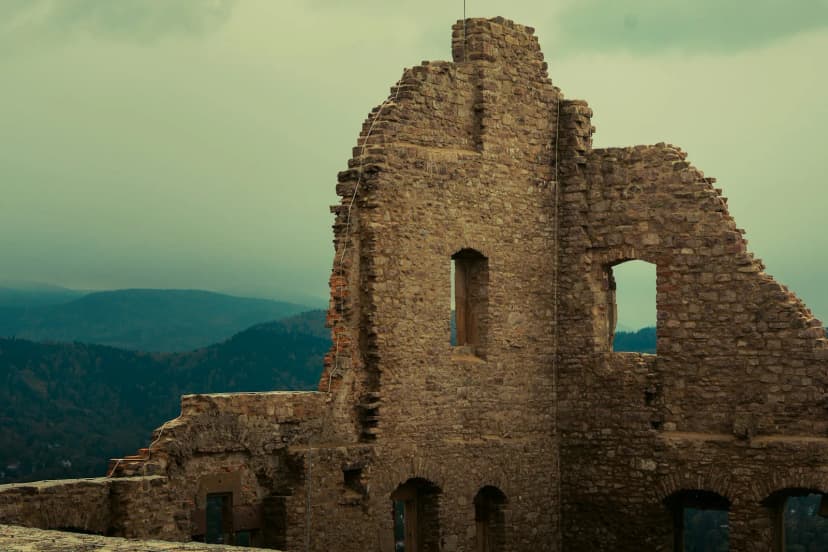
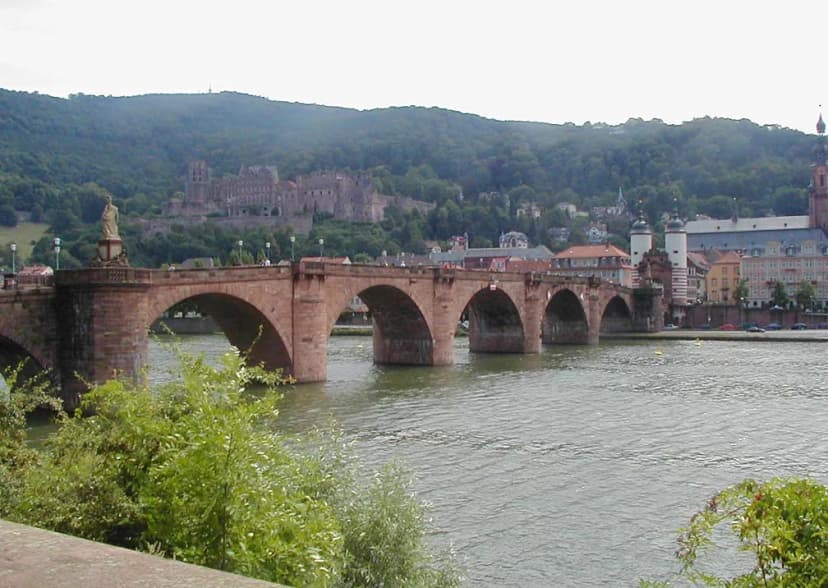
From the castle grounds, the classic frame looks down over Old Town rooftops toward the Old Bridge and the river. The angle is broad, so a moderate wide view usually beats a tight crop, and you can always shoot a second frame tighter on the bridge arch. If haze is heavy, the rooftops read better than distant hills.
Descend into Market Square and the Church of the Holy Spirit, where the square's open footprint gives you room to back up for vertical frames. The church exterior is the reliable subject; the surrounding square fills with people as the day progresses. Shoot the square early or accept that people will be part of the composition.
The Old Bridge, built of Neckar Valley sandstone, is the most photographed structure in the city and the point where river, arch, and castle line up in one view. Late afternoon works well because the bridge face catches softer light while the hillside behind it stays readable. Walk onto the bridge itself for upstream and downstream views.
Close the loop on Philosopher's Way or along the Neckarwiese, depending on how much climbing you want at the end of the day. The riverside meadow is flat and open, which suits relaxed frames of the opposite bank and the bridge in context. The hillside path trades comfort for the elevated panorama.
Free Grounds Versus Paid Interiors
Not everything in Heidelberg requires a ticket, and mixing free and paid stops keeps a walk flexible. Travel listings mark the Old Town, Philosophenweg, and the university as free entry, so those are safe choices when you want to shoot without planning around admissions. Confirm on the day, because access to specific buildings can change for events.
The castle is the one place where you should assume a split between outdoor grounds and ticketed interiors rather than a single all-access pass. Visitors commonly photograph the terraces and ruined sections while interior collections follow their own arrangements. Check the operator's current terms for what a given ticket covers before you build a route around it.
The funicular, often called the Bergbahn, is a transport decision as much as a photographic one because it changes your arrival angle at the top. A traveler account describes riding it to a viewing platform with a panorama over the Old Town and Old Bridge. For current operation, fares, and whether you want to walk up instead, verify with the operator.
Light, Weather, and the Autumn Trade-Off
Spring and autumn give you the widest useful shooting window because the sun sits lower and softer for longer. Summer delivers long days but harsher midday contrast in the narrow lanes, where buildings block the light you actually want. Winter shortens the day sharply, so plan fewer stops and accept earlier finishes.
Autumn in Heidelberg brings noticeable temperature swings and strong wind, and one traveler account specifically warns that September and October wind can be intense enough to affect comfort on exposed paths. That matters on Philosopher's Way and the bridge, where there is little shelter. Pack a windproof layer and expect to add or remove it repeatedly through the day.
Rather than memorizing fixed golden-hour clock times, work from the geometry: the castle sits above the south bank, so the valley's light changes direction across the day in a predictable way. Walk the opposite bank when you want the historic core lit from the front. Use a weather and webcam check before you commit to a hillside climb.
Suggested Durations and the Half-Day Split
A comfortable half-day loop runs roughly two to three hours of walking time, plus whatever you spend shooting at each stop. That is enough for the Altstadt lanes, Market Square, the Old Bridge, and one riverbank finish. Add the castle and Philosopher's Way and you are realistically looking at a full day.
If you only have one afternoon, choose between Philosopher's Way and the riverside rather than attempting both. The hillside path gives you the elevated frame of the castle above the rooftops; the Neckarwiese gives you a flat, open foreground with the bridge and opposite bank. Pick based on whether you want elevation or ease.
Spreading the walk over two days lets you shoot one side of the river in morning light and the other in the evening, which is the main reason photographers extend their stay. A slower schedule also absorbs a rain day without cutting stops. If that appeals, build the extra day around light rather than adding new landmarks.
Crowds, Timing, and Old Town Etiquette
Mornings are the quietest window for the Altstadt and the Old Bridge, before day-trip groups arrive. Midday concentrates people on the main commercial street and around Market Square, which is when you either embrace the crowds as subject matter or retreat to the riverbank. Late afternoon pulls many visitors back toward the bridge for the light.
Sunday is a real planning constraint in Germany because most shops and supermarkets close, as one traveler found when a shop that appeared open online was shut in person. Photographers should carry water and snacks rather than counting on buying them mid-walk. Restaurants and cafes often operate on different patterns than retail, so check individual businesses if a specific stop matters.
Cobblestones punish wheeled luggage and rolling camera bags, and the same traveler account warns that small wheels perform badly on these surfaces. Use a backpack or a bag you can carry comfortably on uneven ground. In the Altstadt, step out of doorways and off the center of narrow lanes when you stop to shoot so residents and pedestrians can pass.
Photographing people in a busy square is part of the scene, but considerate behavior keeps the walk pleasant: avoid blocking entrances, keep equipment close in tight lanes, and be ready to move when someone needs the space you are occupying. There is no need to invent rules beyond ordinary courtesy. If you want to shoot a specific interior, ask on site about photography conditions.
Turning Your Frames Into a Wider Trip
Because Heidelberg sits on a compact river valley, one photo walk rarely exhausts the city. Extending with a day trip gives you a different kind of subject, from palace gardens to smaller historic towns along the Neckar and Rhine corridors. That works best when you treat the extra day as visual variety rather than more of the same rooftops.
If you enjoy comparing how different German cities handle river, bridge, and old town compositions, a Dresden photography guide offers a useful counterpoint with its own viewpoints and public access notes. The comparison sharpens your eye for what is specific to Heidelberg's sandstone and hillside setting. It is also a reminder that city access rules vary between destinations.
Plan Your Heidelberg Photo Walk
Build your route around the river first, then decide how much climbing you want. Start low in the Altstadt, work up to the castle or across to the opposite bank, and finish where the light gives you the frame you came for. Keep every duration flexible and check current access details with the operator before you go.
Pack for wind, carry your own supplies on Sundays, and keep bags off small wheels. The most reliable Heidelberg photographs come from patient sequencing, not from racing between landmarks. If you are still deciding how to structure the day, start with a one-day plan and extend only if the light rewards you.
Frequently Asked Questions
Is Heidelberg good for photography?
Yes. The city compresses a castle, a sandstone bridge, a river valley, and a walkable old town into a small area, so you can cover several distinct subjects in one outing. The main variables are light direction across the valley and crowd levels in the Old Town.
Do you need a ticket to photograph Heidelberg Castle?
Expect a split between outdoor grounds and ticketed interiors rather than one blanket answer. Check the operator's current terms for exactly what a given ticket covers before planning your route, since access arrangements can change.
Is Philosopher's Way worth it for photos?
It is the best-known elevated viewpoint over the Old Town and castle, and the walk itself is part of the experience. It requires climbing and is exposed to wind, so weigh that against the flat riverside option if you have limited time.
How long does a Heidelberg photo walk take?
A relaxed loop through the Old Town, Market Square, and Old Bridge with one riverbank finish generally fits a half day. Adding the castle and Philosopher's Way realistically takes most of a day. These are editorial suggestions, not official durations.