Hamburg rewards families who pair one big indoor attraction with free outdoor space in a single day. The centre is compact, the harbour and canals sit close to the parks, and a boat ride is often a highlight rather than an add-on. According to traveller accounts, two or three days is a comfortable allocation for a family visit, which is a suggested timeframe rather than an official figure. This guide focuses on what families can realistically fit in and how to split indoor and outdoor blocks so nobody runs out of steam.
Two planning habits make the trip smoother. First, treat ticketed attractions as fixed appointments and design the day around them, since source descriptions recommend buying online in advance to avoid queues at some attractions. Second, keep at least one flexible outdoor hour in reserve for a playground or a harbour walk, because those cost nothing and can absorb any change in mood or weather.
Organisers publish current admission, opening times and booking rules on their own sites, and those values change often. Where this guide gives a suggested duration or pacing idea, it is a suggestion rather than an official figure. Always confirm details with the individual attraction and with the city's official family pages before you travel.
Why Hamburg Works Well for Families
Hamburg combines waterways, green space and an engineering culture that appeals to children who like watching how things work. The city is built on three rivers, and its old port has been partly transformed into residential and cultural quarters, so a family walk often passes both grand brick architecture and modern buildings. That mix lets you combine a short sightseeing stroll with a play stop without travelling far.
A traveller account describes the city as liveable, with large pedestrian zones, green areas and a dense cultural calendar, which is useful context when you are deciding how much ground to cover on foot. Families who plan around one anchor sight per day tend to see more than those who chase a long checklist. If you want a broader planning framework before picking your anchors, the city overview at Hamburg: Itineraries and City Travel Guides is a sensible starting point. Further visitor details appear in Weekend in Hamburg with child friendly activities - Culture tourist.
Indoor Heavyweights: Model Railways, Maritime History and Chocolate
Miniatur Wunderland is the big-ticket indoor option for most families, a dense model world that rewards slow browsing rather than a quick circuit. Because it is a headline attraction, weekends and holidays can mean long waits at the entrance, and traveller accounts specifically advise purchasing online in advance to reduce time standing in line. Beginners should treat it as a half-day block rather than one stop among five. Further visitor details appear in Visiting Hamburg with children.
The International Maritime Museum Hamburg suits older children and anyone interested in ships, with exhibits spread across several decks in a converted warehouse. A source visit describes it as a place where you could easily spend the whole day, which is a useful warning for families travelling with impatient toddlers. If you go, consider picking two or three interest areas in advance instead of attempting every floor. Visitor details: Weekend in Hamburg with child friendly activities - Culture tourist.
Chocoversum is the most obviously child-pleasing of the museum trio, with a guided format that walks through how chocolate is made and includes tasting and a chance to make your own. A source account describes the tour as informative and interactive, and recommends booking tickets and a guided time slot ahead so you are not turned away. Families on a tight schedule should choose between Chocoversum and the maritime museum rather than trying both in one day.
Quieter Indoor Alternatives for Rainy Days
Dialogue in Silence is not a conventional museum but a structured participatory workshop in which participants wear headphones and communicate without speaking. A source describes it as a roughly ninety-minute interactive format led by a deaf guide, and notes it is aimed at understanding the world of deaf people. That structure means it suits children old enough to follow instructions and stay engaged for the full session, and it is a poor fit for a restless toddler.
Kids at Work is the opposite proposition: a large indoor playground with stations for different kinds of play, including kitchen sets, kinetic sand and model trains. A family account notes the space is clean and the staff polite, and describes it as the kind of place local parents use on rainy days. Its open-ended format means you can leave when your child has had enough rather than at the end of a guided tour.
The practical distinction between these two is worth holding on to. Dialogue in Silence works when you want a scheduled, focused experience with older children, while Kids at Work works when you need flexible indoor time with mixed ages. Neither replaces the other, and a rainy day may genuinely call for one plus a cafe stop rather than both.
Free Outdoor Time: Parks, Playgrounds and Water Play
Planten un Blomen is the city's best-known free green space for families, with extensive playground areas and water features that children can play in during the warmer months. A source describes the park as having different zones for older children and toddlers, plus a kiosk for snacks and toilets. Parents should pack a spare set of clothes if water play is likely, and remember the tropical greenhouses offer a free indoor escape when the weather turns. Visitor details: Visiting Hamburg with children.
In HafenCity, the Schatzinselspielplatz covers a large area and includes climbing structures and water play, positioned close to the cruise terminals so children can watch ships while they play. A source highlights the playground's pirate-ship theme and its location beside incoming liners. This is a good example of a free stop that doubles as sightseeing, which helps balance a day built around paid attractions.
Not every family attraction needs a ticket, and separating free grounds from paid interiors keeps a plan realistic. Parks, playgrounds and waterfront walks can fill whole afternoons at no cost. For a dedicated look at indoor options when the weather is poor, the rainy-day guide at Hamburg on a Rainy Day pairs well with this section.
Harbour and Alster Boat Experiences
Boats are one of Hamburg's strongest family assets, and there are several ways to get on the water. Alster ferries are a public-style option that stops at points around the outer Alster, making a short hop both practical and scenic, while a harbour cruise from the Landungsbruecken gives a fuller look at the port. A source notes that the harbour round trip may be too long for some younger children, so a shorter Alster ride or a pedal boat is often the better first outing. Further visitor details appear in Visiting Hamburg with children.
Pedal boats offer the most control, since you choose the route and the duration yourself, and rental stations sit along the Alster and canals. Families who want to combine exercise with sightseeing often prefer this to a fixed cruise. In winter, the Alster ferries switch to a family-friendly programme that the University of Hamburg family pages describe as fairy-tale ferries, with activities such as baking cookies and storytelling on board.
Whatever you choose, check the operator's own page for current sailing times and any age or booking requirements. Seasonal services and family programmes are exactly the kind of detail that changes year to year, and a tour operator's site is the only reliable place to confirm it. Water-based sightseeing is also weather-dependent, so keeping a flexible slot matters more than rigid pre-booking.
Walks That Work with Small Legs
Hamburg City Hall and the surrounding square are a natural starting point for a city walk, with a mix of grand architecture and street life that keeps children looking around. From there, the canals and bridges of the old port area connect neatly to HafenCity, so you can move between the historical and the modern without a long transit. The brick warehouses and waterways of Speicherstadt are part of this route and are worth pointing out to children who like industrial detail.
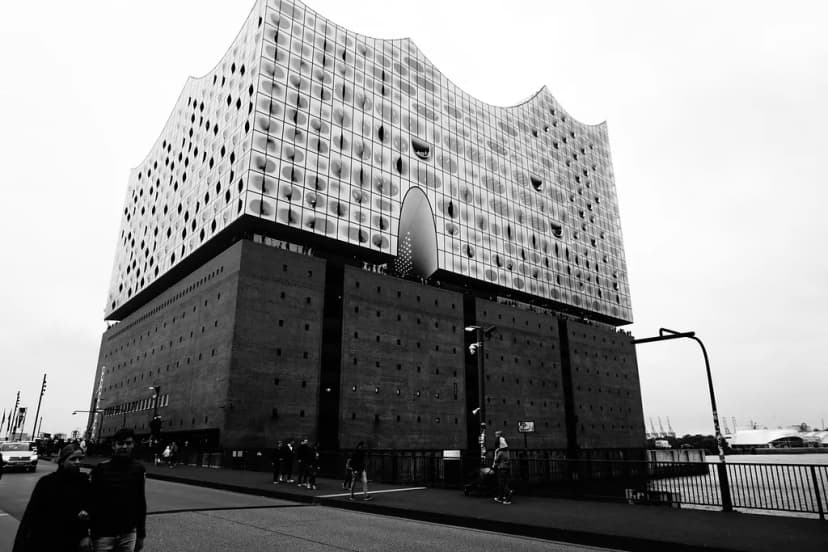
The Elbphilharmonie works best as a short viewpoint stop rather than a full attraction. A source describes the public platform as somewhere families can go up for the view, with performances available for those who want the full concert experience. That distinction helps when children are flagging: a short look from the top can be enough, and you can save more of the building's history for another time.
If you prefer a predefined structure, the step-by-step route in 3 Days in Hamburg covers the same central ground and can be trimmed for shorter legs. Families with a buggy should allow more time around the warehouse district, where surfaces and crossings are less uniform than on the main shopping streets.
Adding a Zoo Day: Tierpark Hagenbeck Hamburg
Tierpark Hagenbeck Hamburg is a classic full-day family option outside the immediate centre, combining an open-air zoo layout with a separate tropical aquarium. Treat the zoo and the Tropen-Aquarium as distinct experiences with their own tickets rather than assuming one admission covers both. Because a zoo day consumes most of your available daylight, treat it as the anchor of the day rather than an add-on.
Families deciding between a zoo day and a harbour day should weigh walking distance against variety. A zoo visit involves a lot of standing and strolling, while waterfront stops can be broken up with play time. If you want to check current ticket options, opening times and combined admission, use the operator's own pages and the Hagenbeck Onlineshop rather than third-party summaries. Those details change seasonally and cannot be assumed from older guides.
Pacing a Two- to Three-Day Family Visit
Two or three days is a realistic amount of time to see Hamburg's main family attractions without rushing, and at least one source treats that length as a comfortable allocation for a city break. A workable pattern is one ticketed indoor anchor in the morning, a free outdoor block in the afternoon, and nothing ambitious in the evening. This structure survives delays better than a packed schedule, because the free block can be moved or dropped.
For a two-day version, put Miniatur Wunderland and the harbour or HafenCity walk on day one, then pair a museum with Planten un Blomen on day two. With a third day, add the quieter indoor options or a boat trip rather than a new museum. Splitting the plan this way avoids the common mistake of scheduling three ticketed interiors in two days, which is tiring for children and stressful for parents watching timings.
Suggestions for how long each stop takes are best treated as rough planning aids rather than fixed numbers. Miniatur Wunderland and the maritime museum both reward long visits, while playgrounds and viewpoints can be short. Decide in advance which stop is flexible, and let that be the one you shorten when energy runs low.
Seasonal and Weather-Dependent Options
The Hamburg family calendar shifts with the seasons. In summer, the city beach at Oevelgoenne becomes a favourite with local families, where children dig in the sand while parents watch ships on the Elbe, and the Alster and harbour boats operate in their full form. A source also notes further-afield summer options outside the city, including a beach club in Wedel to the west. Further visitor details appear in Visiting Hamburg with children.
Winter changes the emphasis to indoor attractions and seasonal programmes. The fairy-tale ferry programme on the Alster is described by the University of Hamburg family pages as a winter offering, and it is the kind of event that runs for a defined period each year. Because these programmes are seasonal, confirm the current dates with the organiser before building a day around one.
Rain is a genuine planning factor in Hamburg, but it is also the city's best excuse for its indoor strength. Keeping one wet-weather option in reserve, whether an indoor playground like Kids at Work or a museum slot you can book on short notice, takes the pressure off the forecast. The University of Hamburg family page also lists city-run holiday activities that are worth checking if your trip falls in the summer or autumn school vacations.
Practical Planning: Tickets, Transport and Food
Buying tickets online in advance is the single most repeated piece of advice for Hamburg's major family attractions, and sources specifically mention it for Miniatur Wunderland and Chocoversum. Many other attractions publish their own booking rules, so check each operator's site rather than relying on a general guide. Prices and availability change, so treat any figure you see on a third-party page as unverified.
Hamburg's public transport is easy to navigate, with clearly marked stops, and a source notes that some hotel stays include local travel in the room rate. A city discount card can combine transport with reductions at some museums and sights, which is worth comparing against your planned visits before you buy. Families with young children should also check whether their hotel already covers transport, since that can remove a daily cost entirely. Related guide: Hamburg public transport guide.
Eating with children is generally relaxed, and the city has a strong culture of casual, generous restaurants. Beach kiosks and park cafes are useful for flexible mealtimes, and a mid-afternoon coffee stop helps break up a long museum day. If you want a comparable family-focused guide for another German city, the outlines used by Berlin with kids and Dresden with kids follow the same mix of indoor and outdoor stops, which can help you judge how Hamburg compares.
Plan Your Visit
Hamburg is one of the more straightforward European cities to visit with children, provided you accept that the weather will shape at least one day of your plan. Anchor each day with one indoor attraction, keep a free outdoor option in reserve, and resist the temptation to book every hour in advance. That approach leaves room for the unplanned harbour walk or second hour at a playground that often turns out to be the part children remember.
Before you travel, confirm current opening times, ticket prices and booking rules directly with each attraction, and check the city's official family pages for seasonal programmes. If you want more comparison material for individual sights, the attraction hub at Hamburg: Landmark Visitor Guides collects them in one place. That short verification step is the difference between a smooth trip and a wasted morning.
Frequently Asked Questions
Is Hamburg worth visiting with kids?
Yes, particularly for families who like water, boats and hands-on exhibits. The city combines a compact centre with parks, playgrounds and several indoor attractions that appeal to children, so you can build a varied day without long journeys. The city also works well for a short break, since two or three days is generally described as a comfortable length for a family visit.
What can families do in Hamburg on a rainy day?
The strongest rainy-day options are the large indoor attractions such as Miniatur Wunderland, the International Maritime Museum and Kids at Work, which offer hours of indoor activity. Dialogue in Silence is a good alternative for older children who can follow a structured workshop. Because booking rules and opening times change, check each operator's own page before you set out.
How many days do you need in Hamburg with children?
Two to three days is a comfortable length for a family visit, allowing one main attraction per day plus outdoor time. A longer stay lets you add quieter indoor options, a boat trip and an excursion outside the city. Trying to compress everything into one day usually means rushing the model railway and the museums.
Are Hamburg's family attractions suitable for toddlers?
Some are better suited than others. Parks, playgrounds and indoor play spaces work well for very young children, while long museum visits and structured workshops are harder for toddlers to sit through. Miniatur Wunderland tends to hold young children's attention because of the movement and detail, but plan a shorter visit and expect to leave earlier than you might otherwise.
Do you need to book family attractions in Hamburg in advance?
Advance online booking is recommended for the busiest attractions, and sources specifically advise it for Miniatur Wunderland and Chocoversum. Smaller parks, playgrounds and outdoor stops need no booking at all. Check each attraction's own site for current booking requirements, since these rules change between seasons.
What are the best free things to do in Hamburg with children?
Planten un Blomen and the Schatzinselspielplatz in HafenCity are the two most useful free stops, offering play areas, water features and space to run. Walking the canals, bridges and Speicherstadt costs nothing and doubles as sightseeing, and the public platform at the Elbphilharmonie gives a viewpoint without a ticket for the concert halls. Pack spare clothes if water play is on the agenda.