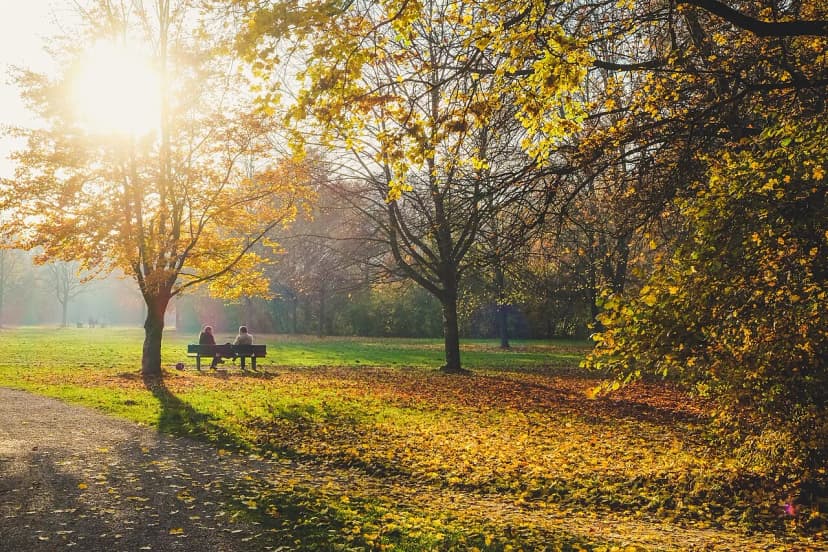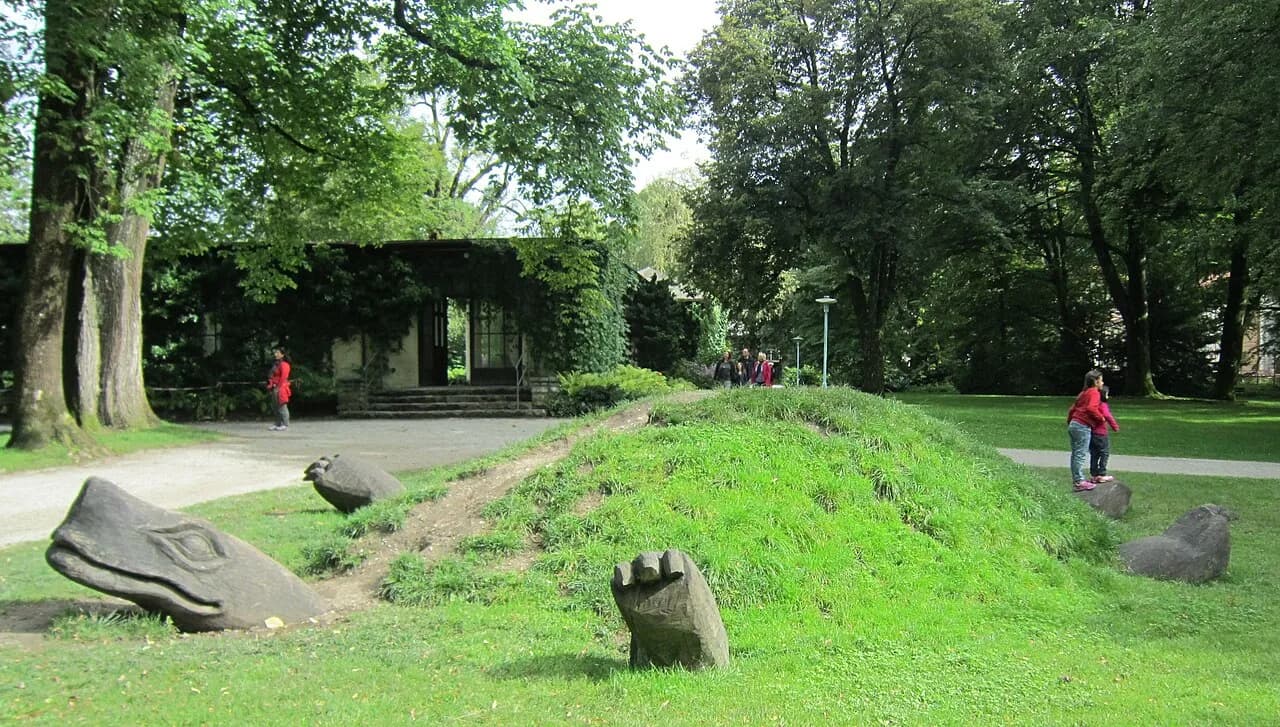
Garmisch-Partenkirchen is best known for the Zugspitze and the Bavarian Alps, but the town also keeps a spa park at its centre. The Michael-Ende-Kurpark is named after the author of The Neverending Story and Momo, who the town says spent his childhood here. The operator puts the grounds at around 35 hectares, with a pond, paths and a designed herb garden, and describes the site as an oasis of peace rather than a ticketed attraction.
The park combines the predictable pleasures of a Kurpark with a few specific features: a pond, a monument to Michael Ende, a herb garden arranged as a stepped snail, insect hotels, a Kneipp facility and a concert shell. The sections below cover the layout, the Michael Ende connection, and how to combine the visit with the rest of the town.
Why the Michael-Ende-Kurpark Belongs on a Garmisch-Partenkirchen Itinerary
The park survives because Garmisch-Partenkirchen presents itself as a climatic health resort whose tourist board maintains a health-and-cure identity alongside its outdoor-sports one. The town's own site runs a dedicated health section covering the healing climate label, prevention and cure-related programmes. In that tradition a Kurpark is not decoration but part of the treatment landscape: somewhere to walk and sit rather than to tick off.
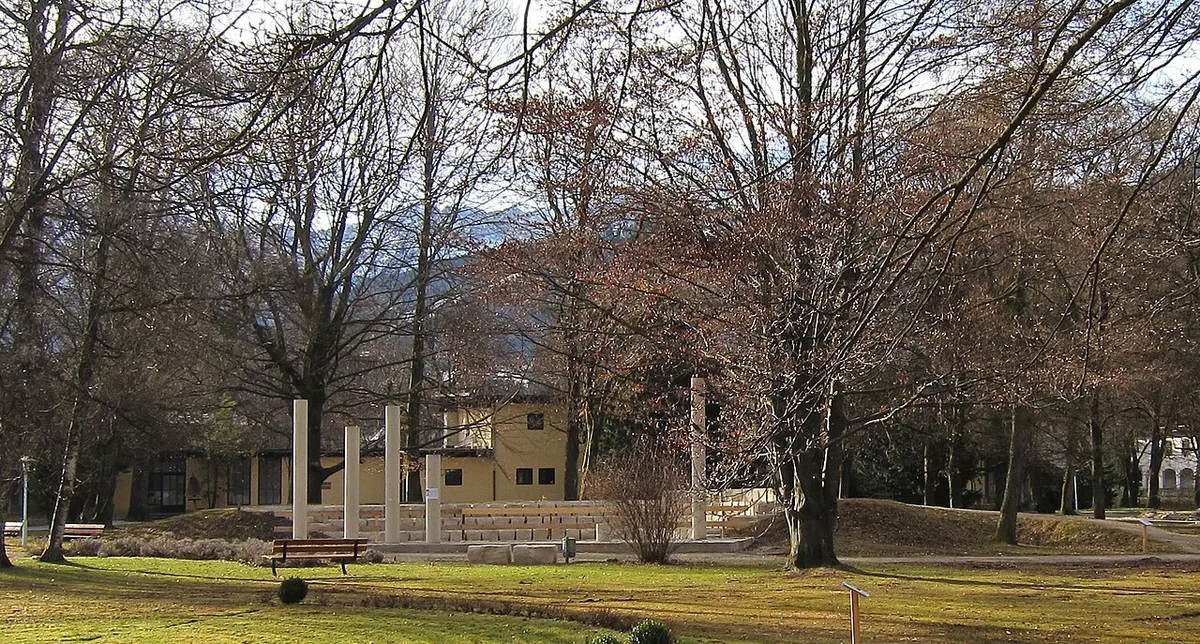
As a visitor, that means the park is most useful when you treat it as recovery time. If you have just come down from a long hike or are waiting out a cloudy morning, a shaded loop around the pond costs you little energy and keeps you in the middle of town. Readers planning a fuller day can fold the park into a wider route; the city guide and itinerary pages below set out the options. For wider planning, see Garmisch-Partenkirchen city travel guides.
Do not build a whole day around the park alone. Its appeal is cumulative rather than spectacular: thirty-five hectares sounds large on paper, but much of it is open lawn, paths and plantings that many visitors cross in a relaxed hour or two. The reward is a calmer version of Garmisch-Partenkirchen than the summit stations and gorge trailheads offer.
Michael Ende's Childhood Connection and the Memorial
Michael Ende is the German author behind The Neverending Story and Momo, two books that shaped generations of young readers far beyond Bavaria. According to the town's own park page, he spent his childhood in Garmisch-Partenkirchen. Naming the spa park after him is therefore a local tribute rather than an abstract literary branding exercise.
The Michael Ende monument inside the grounds honours that legacy, and the operator presents it as a special attraction of the park. Treat it as a short pause rather than a museum visit: the page describes a memorial, not an exhibition hall, and no separate ticket window is mentioned for it. Families who know the books often make the monument the emotional anchor of the walk.
The literary connection is worth knowing before you arrive, because it explains the small-scale, story-like features elsewhere in the garden. A herb snail, a wooden swing and insect hotels read differently once you know the park is framed around imagination as well as health. It is a good reminder that this is a designed landscape with a point of view, not leftover green space.
What to See Across Roughly 35 Hectares: Pond, Paths and Plantings
The operator puts the park at around 35 hectares and describes a variety of plants around a pond, with flowers and shrubs blooming especially in spring and summer. Paths thread through the whole area, and the page frames the grounds as a place for walks, family outings and picnics. The standard visit is therefore a self-directed wander rather than a fixed circuit.
The scale matters for planning: 35 hectares is enough that you can stretch the visit out, but also enough that a wrong turn adds a few minutes rather than ruining the afternoon. Keep the pond as a landmark and the paths will bring you back toward the entrances. Comfortable shoes matter more than any particular route choice.
The park is also described as a venue for cultural and musical events through the year, from outdoor concerts to art exhibitions. Because no fixed programme appears on the park page itself, check the town's events listings before you go if a performance would be the reason for your visit. Otherwise treat any music you encounter as a bonus rather than a scheduled appointment. For wider planning, see Garmisch-Partenkirchen landmark visitor guides.
The Herb Garden of the Senses: Herb Snail, Insect Hotels and the GaPa Swing
The Herb Garden of the Senses is the park's most deliberately designed corner, built for smelling, tasting, feeling, seeing and hearing as much as looking. Its centrepiece is the herb snail, a spiral bed that creates different microclimates at different heights. The operator explains that heat-loving herbs such as rosemary and thyme grow at the top, while parsley, chives and mint do better in the lower, more humid sections.
All the herbs in the bed are described as edible and harmless, and visitors are invited to sniff, feel and taste them. That is a genuine differentiator for families, because it turns a garden into something children can investigate with their hands. Still, sample only what the planting invites and keep to the paths so the bed keeps producing for everyone.
The insect hotels work on a similar principle but with the opposite instruction: observe, do not disturb. The operator notes that wild bees, ladybirds, lacewings and other insects nest and overwinter in the structure, and that each hole, tube and cavity has its own function. Interactive information boards explain the details, so this is a reading stop as much as a looking stop.
The handmade GaPa swing, built from local wood, sits inside the fragrant herb garden and is described by the operator as a place of peace and security. The park explicitly asks visitors to respect the silence there. If you want to read or simply sit, this is the corner for it; a mushroom seating group nearby offers another place to pause.
Kneipp Facility and Concert Shell: Wellness and Music in the Park
Two further elements give the park its health-and-culture character: a Kneipp facility and a concert shell. The Kneipp water-treading tradition is a standard part of German spa-park design and belongs to the broader cure culture that Garmisch-Partenkirchen promotes. The concert shell provides the physical setting for performances the operator lists among the park's cultural uses.
Do not assume that every wellness facility in Garmisch-Partenkirchen is part of the park. The garden grounds and any indoor spa, sauna or treatment offering are separate things, and the town presents its wellbeing and health services as their own programme. If a particular spa visit matters to you, confirm the details directly with that provider rather than inferring anything from the park page.
Likewise, treat the park as one stop in a town with several attractions rather than assuming a shared ticket with anything else. Museums, cable cars and natural sites each operate on their own terms, and the landmark guides hub sets out the individual visitor guides. Keeping that distinction clear prevents the common mistake of arriving expecting one combined pass.
Quiet Etiquette: Reading the Garden's Rules on Silence and Wildlife
The park's own wording is unusually direct about behaviour: there are places meant for silence, and wildlife features meant to be left alone. The GaPa swing carries an explicit request to respect the special quiet of the spot, and the insect hotels carry a request not to disturb the inhabitants. These are the two rules worth remembering when you arrive.
In practice that means keeping voices low near the herb garden, supervising children around the insect hotels, and leaving the planting as you found it. Because the herbs are described as edible and the beds are open, the garden depends on visitors treating it as a shared space rather than a pick-your-own patch. A small amount of restraint is what keeps the features pleasant for the next person.
The operator's park page does not publish opening hours for the grounds, and times that appear on third-party booking sites are not confirmed by the town. Plan around daylight and the rest of your day, and check the operator's page or the tourist information before relying on any specific time. That is also the right place to ask about current rules if you are unsure.
How the Kurpark Fits with the Wider Spa and Health Offer
Garmisch-Partenkirchen markets itself around a healing climate and cure tradition, with a health section covering wellbeing, prevention and cure-related programmes. The Michael-Ende-Kurpark is the public, ground-level face of that positioning: the part you can use while simply walking through town. Understanding that role helps you use the park correctly rather than expecting a spa complex.
If you are in town specifically for wellness, the park works best as a gentle extra rather than the main event. Pair a slow morning walk with whatever treatment or facility you have arranged separately, and let the garden be the decompression between them. The town's health pages are the right place to check what is currently offered and how to book it.
Combining the Park with the Village Centre and Other GaPa Attractions
The park sits within Garmisch-Partenkirchen rather than out in the countryside, which makes it easy to pair with town time. Note that the resort is really two centres, Garmisch and Partenkirchen, with different characters. Our orientation walk explains how the two halves relate, so you can decide which side to explore after the garden. For wider planning, see Garmisch vs Partenkirchen.
For longer stays, the classic day trips are the obvious complements: the Partnach Gorge and the mountain areas toward the Zugspitze massif. These are separate attractions with their own access arrangements and, in some cases, ticketing, so plan them individually rather than bundling them with the park. Our one-day and multi-day itinerary pages are the efficient way to sequence them. For wider planning, see One Day in Garmisch-Partenkirchen.
Evenings in town have their own rhythm, and if you are staying overnight the park makes a natural late-afternoon stop before dinner. Our companion guide to Garmisch-Partenkirchen at night covers what stays open and what to do after the mountains go dark. Combining the two gives you a complete day without over-scheduling it.
Suggested Visit Durations: Short Stroll, Family Stop and Half-Day
These durations are editorial suggestions based on the park's layout, not official guidance. A short stroll of 30 to 45 minutes is enough to reach the pond, cross the main paths and leave, and it suits a transit day or a gap between other plans. Keep the loop modest and the park works as a break rather than an outing.
A family stop of about one to two hours gives time for the Herb Garden of the Senses, the herb snail, the insect hotels and a turn on the GaPa swing without rushing children through it. The interactive boards, the tasting invitation and the mushroom seating group are what hold younger visitors, so budget the time there rather than on distance covered.
A half-day version combines the park with the surrounding town and a meal, using the garden as the quiet middle section. That works well on a rest day from hiking, when you want movement without elevation. If you are building a full itinerary instead, the two-day itinerary page covers how to fit the park around bigger sights.
Practical Planning Notes Before You Go
The operator does not publish ticket prices, opening hours or a seasonal programme for the park on its page, and the town's main site is the place to confirm current information. Avoid relying on third-party listings for times or admission, because those figures are not operator-confirmed. If you need certainty for a specific date, ask the tourist information directly.
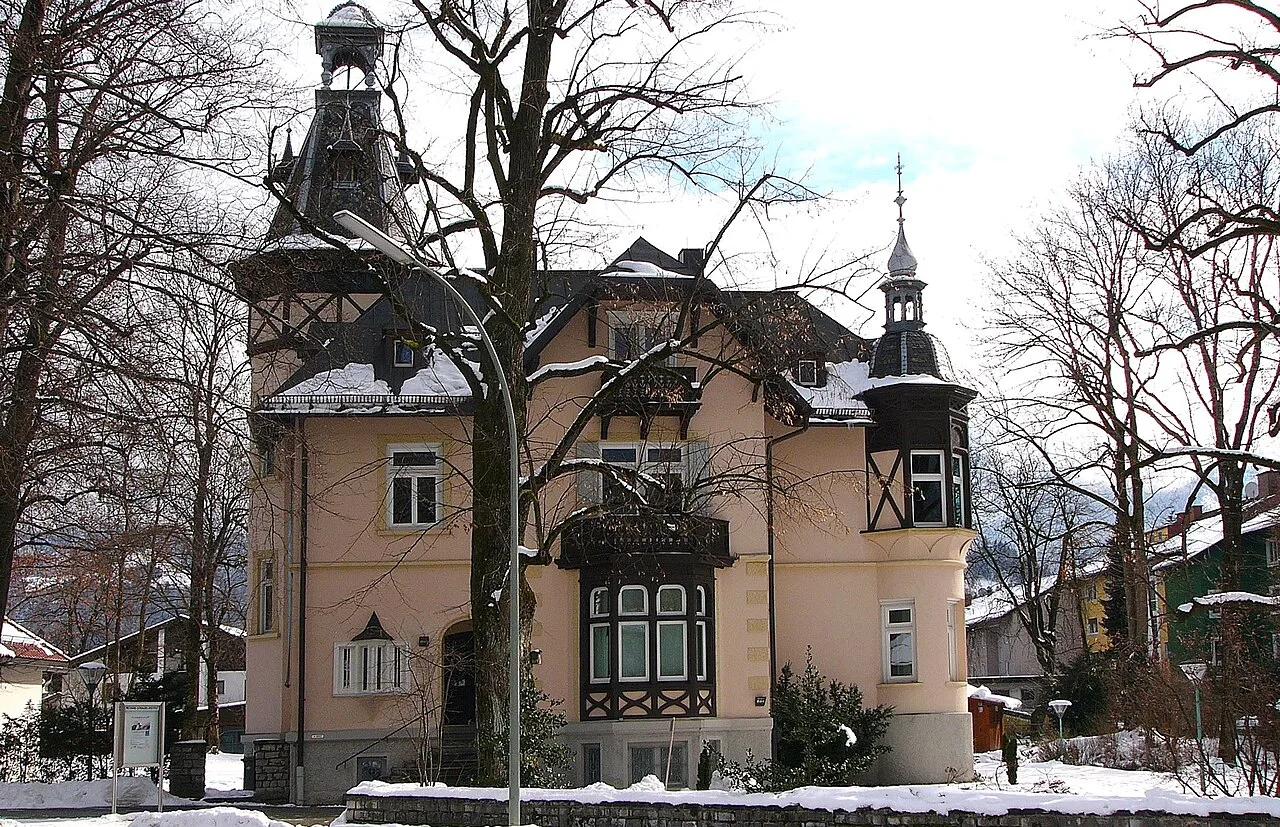
Weather drives everything here. The park is outdoor space in an alpine valley, so a plan built around it should have an indoor fallback for wet days. The town's own site lists bad-weather ideas alongside its outdoor attractions, which is useful when the forecast turns.
Finally, do not overload the visit. The park rewards a slower pace than the region's headline attractions, and its best features are small: a spiral of herbs, a wooden swing, a working insect hotel. Give it an unhurried hour and it will feel like a proper part of the trip rather than a gap filler.
Plan Your Visit
The Michael-Ende-Kurpark is the easiest green hour in Garmisch-Partenkirchen: roughly 35 hectares of paths, a pond, a herb garden built as a spiral, insect hotels and a monument to the author whose childhood the town says was spent here. It asks nothing of you except a quiet voice and some time. Treat it as the calm counterpoint to the Zugspitze and the gorge.
Confirm anything time-sensitive with the town's tourist information before you rely on it, and keep the park distinct from the region's ticketed attractions. Start with the city guide for the wider picture, then pick the itinerary that matches your available days. A short stroll, a family hour or a half-day all work depending on how much quiet you want.
Frequently Asked Questions
Is the Michael-Ende-Kurpark free to visit?
The town describes the grounds as an idyllic spa park and green oasis rather than a ticketed attraction, and no admission price is published for the park on the operator's page. Because no operator source confirms a ticket price, treat any third-party listing that mentions tickets or opening hours with caution. Check the town's own park page or the tourist information if you need certainty for a particular date.
Who was Michael Ende and why is the park named after him?
Michael Ende was a German author best known for The Neverending Story and Momo, and the town's park page states he spent his childhood in Garmisch-Partenkirchen. The park is named in his honour and contains a monument dedicated to him. It is a tribute to his literary legacy rather than a museum or exhibition about his life.
What can families do in the Michael-Ende-Kurpark?
The Herb Garden of the Senses is the family-friendly heart of the park: a spiral herb bed where heat-loving herbs grow at the top and moisture-loving ones at the bottom, with all the plants described as edible and harmless. Children can also watch the insect hotels, where wild bees, ladybirds and other insects nest, and read the interactive boards. The wooden GaPa swing is a quiet sitting spot, and the park asks visitors to keep that area calm rather than treat it as a playground.
What is the herb snail in the Herb Garden of the Senses?
It is a spiral planting bed whose stepped structure creates different climate zones. The town's park page explains that rosemary and thyme thrive in the hotter, drier top sections, while parsley, chives and mint do better in the lower, more humid parts. The herbs are edible and visitors are invited to smell, feel and taste them.
How long should you spend in the Michael-Ende-Kurpark?
These are suggestions rather than official guidance. A quick loop around the pond and main paths takes roughly thirty to forty-five minutes, a family visit with the herb garden and insect hotels is more like one to two hours, and a half-day version combines the park with town time. The park rewards a slower pace, so err on the longer side if you want to sit and read.
How does the Kurpark connect to Garmisch-Partenkirchen's spa and health offer?
Garmisch-Partenkirchen presents itself as a climatic health resort with a cure and wellness tradition, and the park is the public expression of that idea within the town. Indoor spa, sauna and treatment offerings are separate services with their own arrangements and are not part of the park itself. Use the town's health pages or the tourist information to confirm what is currently available and how to book it.
Can you combine the Kurpark with the village centre on foot?
Yes, the park sits within the town rather than outside it, so it can be paired with a walk through Garmisch and Partenkirchen. The two districts have different characters and are connected by a walk, which our neighbourhood orientation guide explains. Because distances and walking times are not published by the operator, allow generous time rather than relying on a fixed figure.