
4 min
Münster: Landmark Visitor Guides
Plan Münster with landmark visitor guides, practical itinerary choices, family ideas and links to researched city guides and attraction details.
The Euro Landmarks journal
Continue through our independent collection of landmark advice, realistic itineraries and practical city planning.
Decision-ready travel
Researched by our editorial team
Plan Münster with landmark visitor guides, practical itinerary choices, family ideas and links to researched city guides and attraction details.
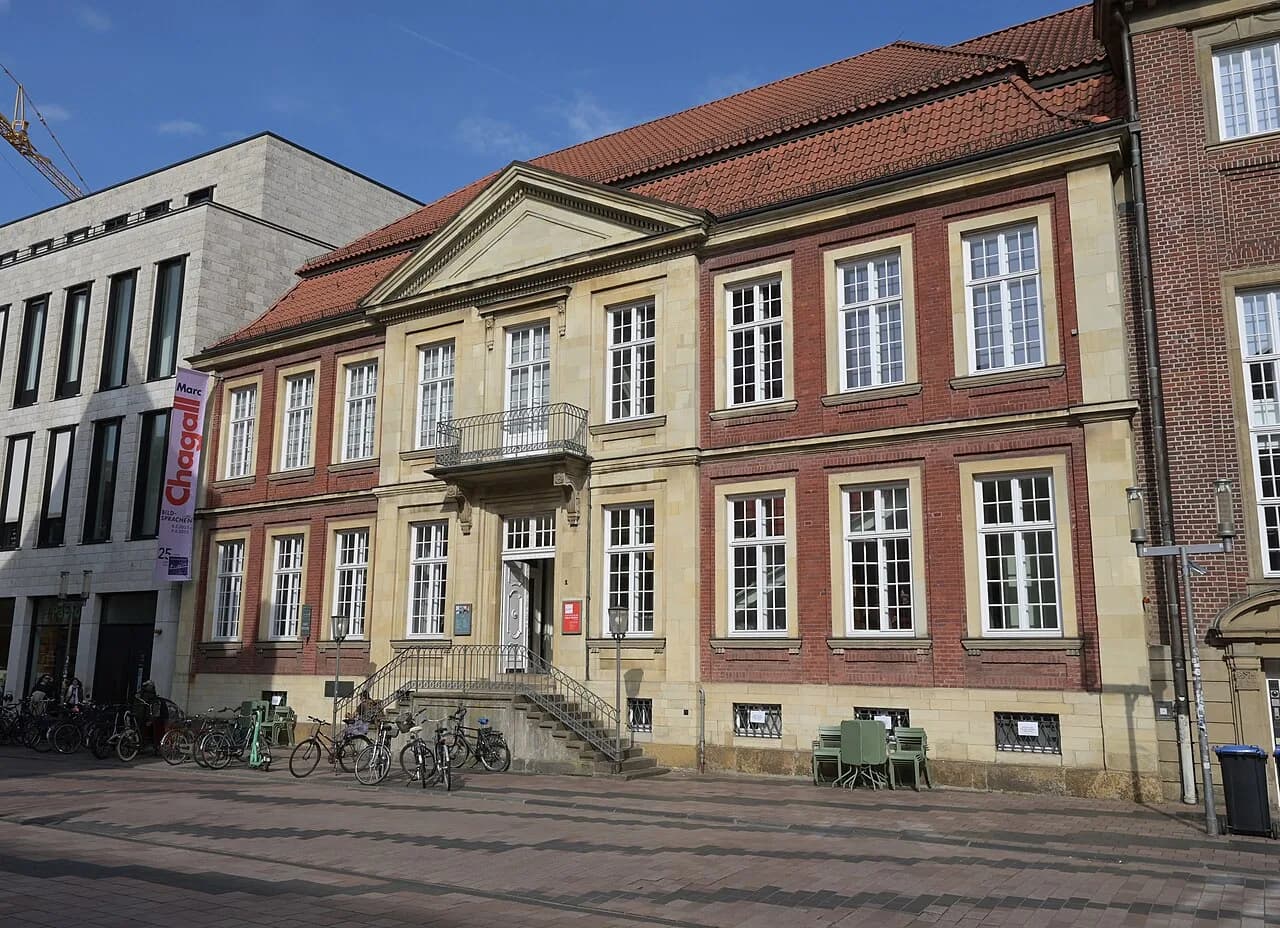
Photo: DerStruffel, CC BY 4.0. Resized and converted to WebP.
The Kunstmuseum Pablo Picasso Münster is a compact graphic works museum at Picassoplatz 1, built on the Huizinga lithographs and the Classen artists' books. Because the museum shows rotating special exhibitions and does not keep its own collection permanently on the walls, what you see depends on when you go. Check the operator's page for current hours and admission before you travel.
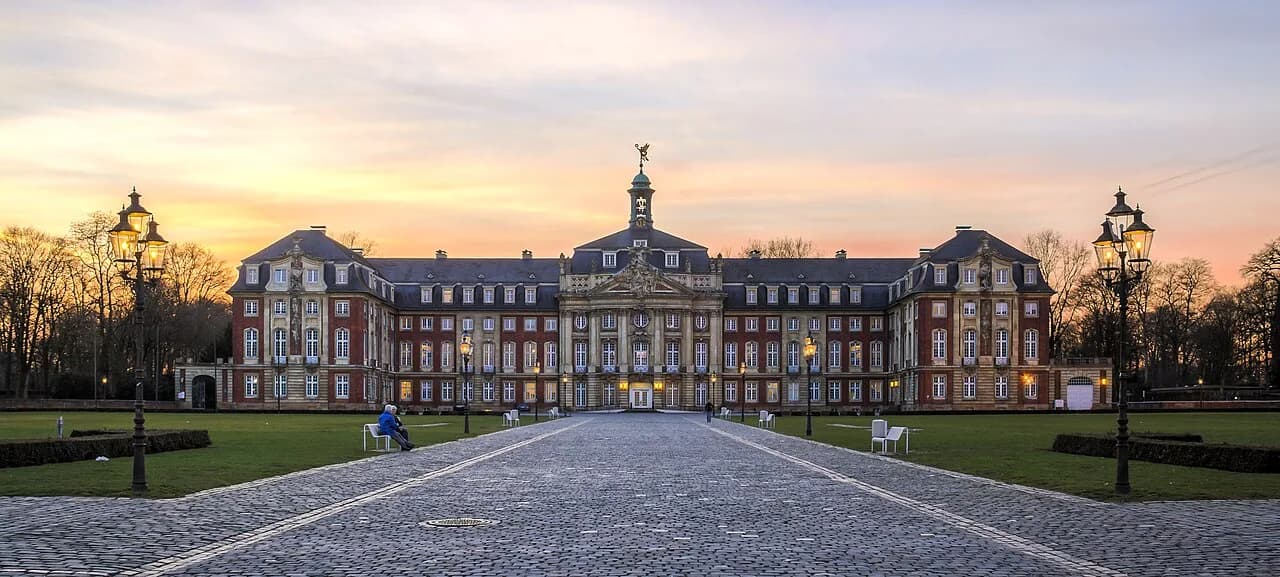
Photo: Dietmar Rabich, CC BY-SA 4.0. Resized and converted to WebP.
Schloss Münster began as a prince-bishop's residence and now serves as the University of Münster's main building, set within a broad palace garden that also holds the university's botanical garden. This guide explains what that dual identity means for a short visit and where to confirm the details that matter.
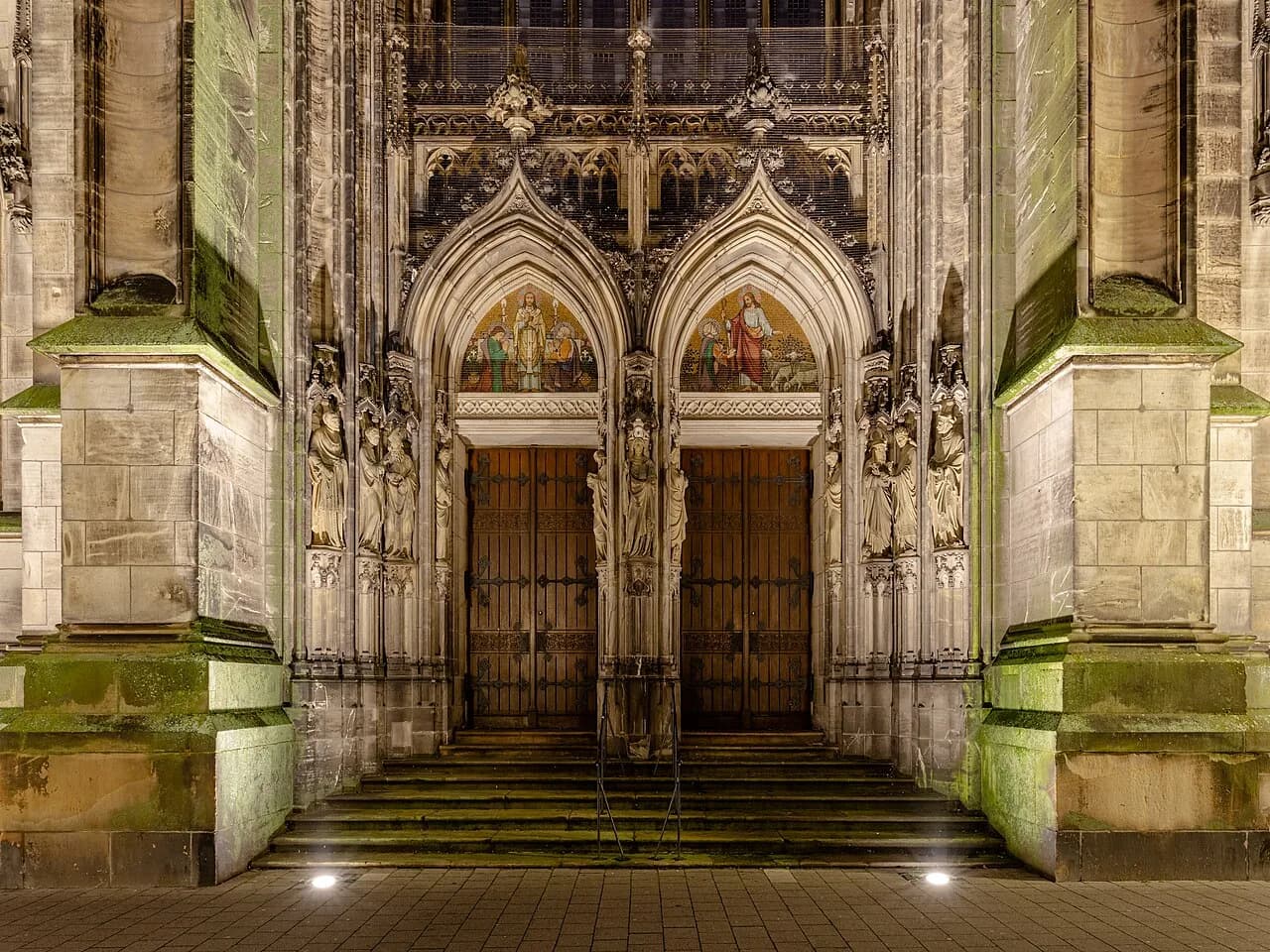
Photo: Dietmar Rabich, CC BY-SA 4.0. Resized and converted to WebP.
St. Lamberti's 90.5-metre tower closes the northern end of Münster's Prinzipalmarkt, and the three iron cages near its top carry one of the city's darkest stories. This guide covers the late Gothic church, the tower keeper's horn, what stands inside, and the visiting details the sources actually confirm.
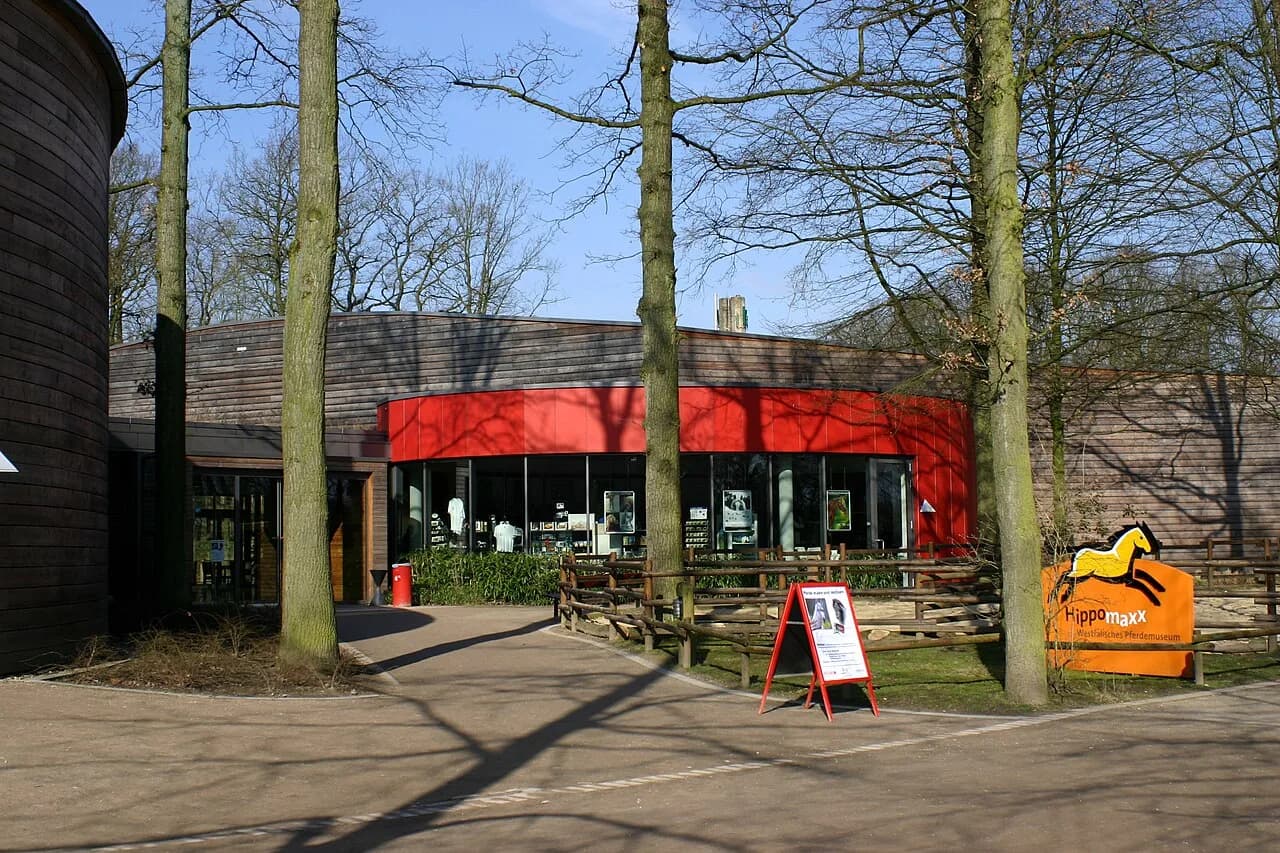
Photo: Rüdiger Wölk, CC BY-SA 2.5. Resized and converted to WebP.
The Westfälisches Pferdemuseum sits inside the Allwetterzoo Münster rather than in the city centre, and the operator states that zoo admission already includes the museum, its special exhibitions and horse shows. This guide explains the two seasonal opening windows, the thousand-square-metre permanent exhibition, the simulator stations and the arena programme.
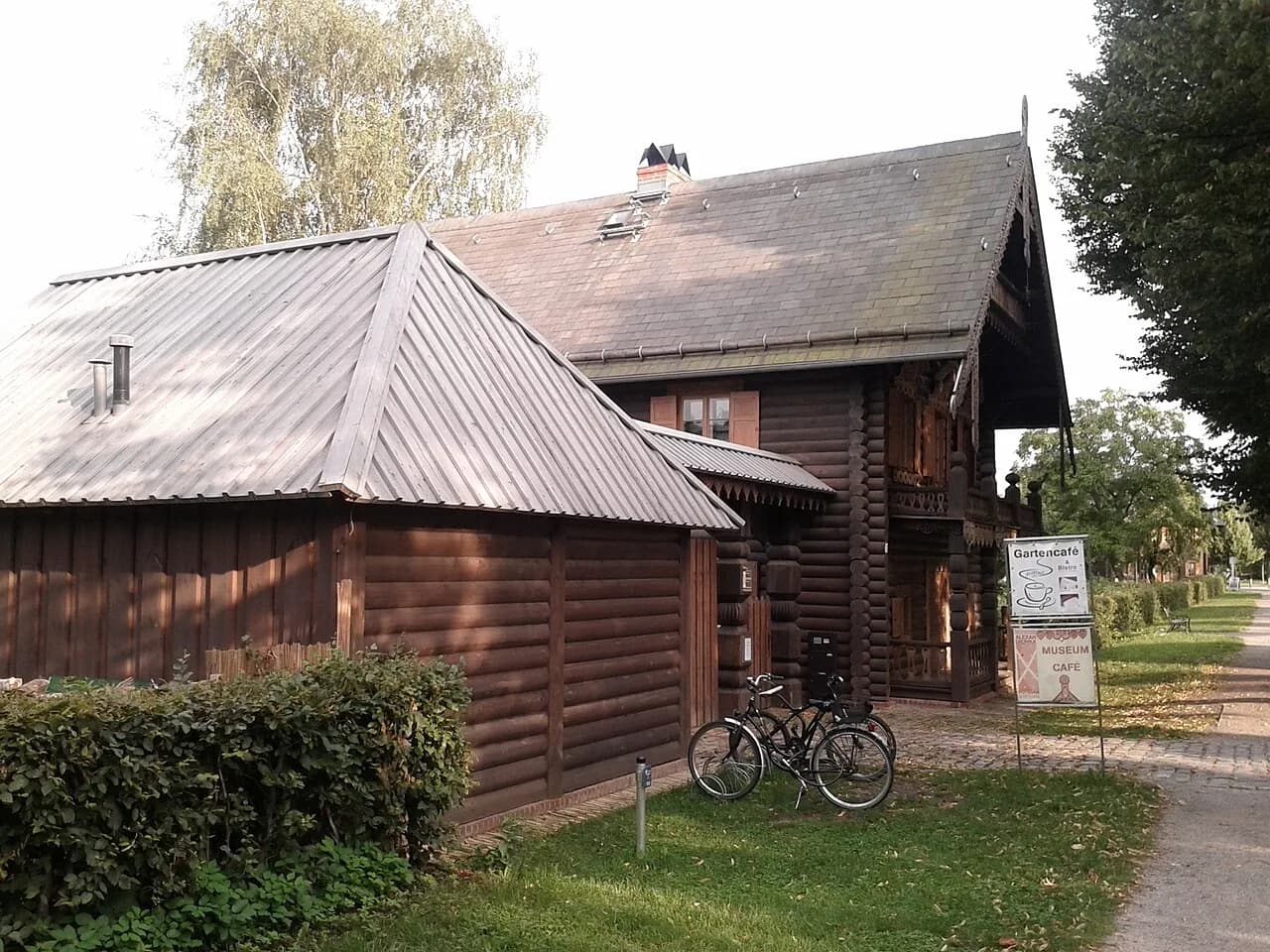
Photo: Pavel Vlček, CC BY-SA 3.0. Resized and converted to WebP.
Alexandrowka is a lived-in Russian colony in Potsdam rather than an open-air attraction. This guide explains its origins, the one museum building open to walk around inside, the Lenné gardens, and how to explore the lanes respectfully.
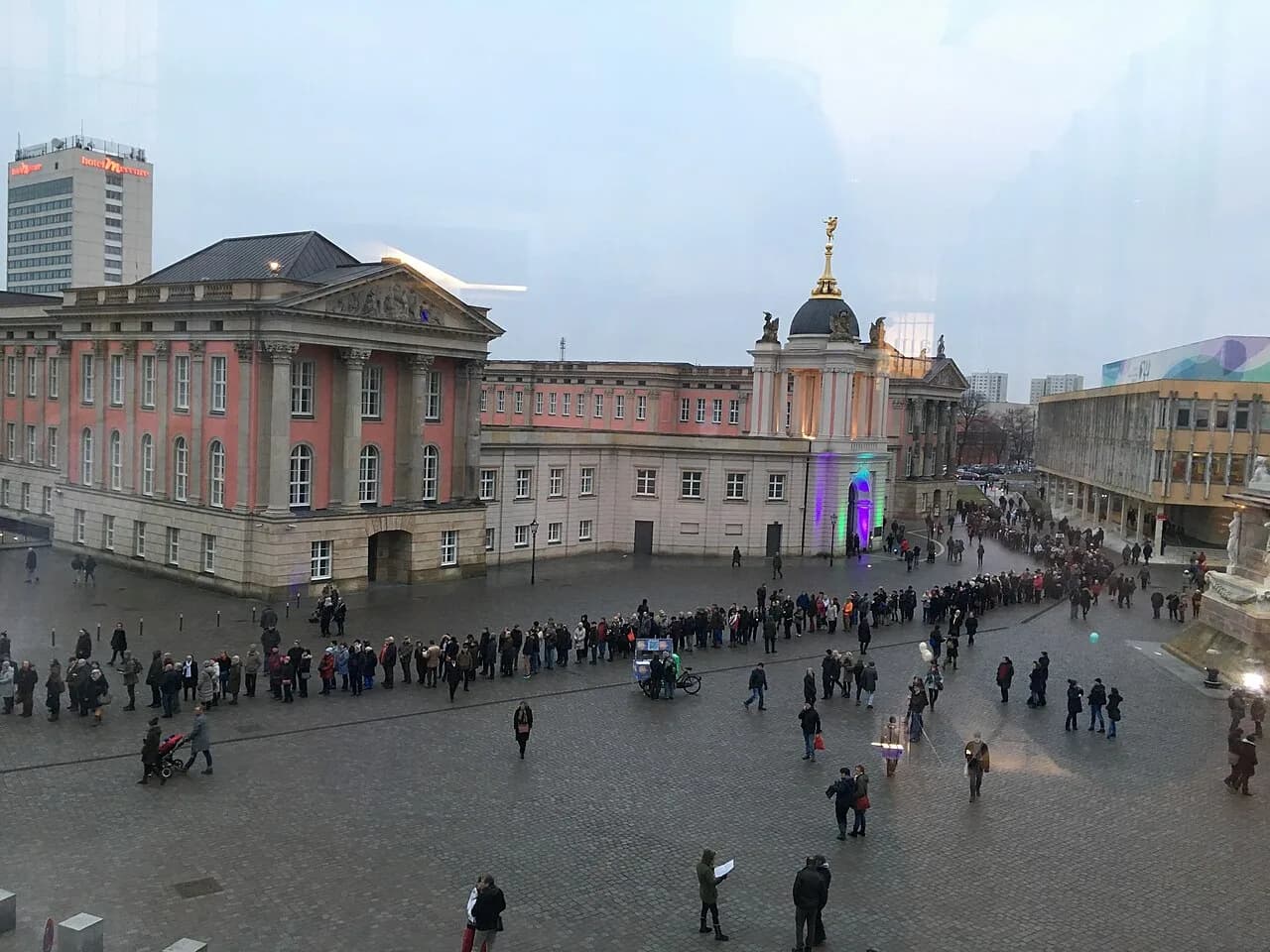
Photo: Charlotte Heineccius, CC0. Resized and converted to WebP.
Alter Markt was reshaped under Frederick the Great, gutted in 1945, and rebuilt in stages. This guide explains what survived, what is a reconstruction, and how to read the square in a logical order.
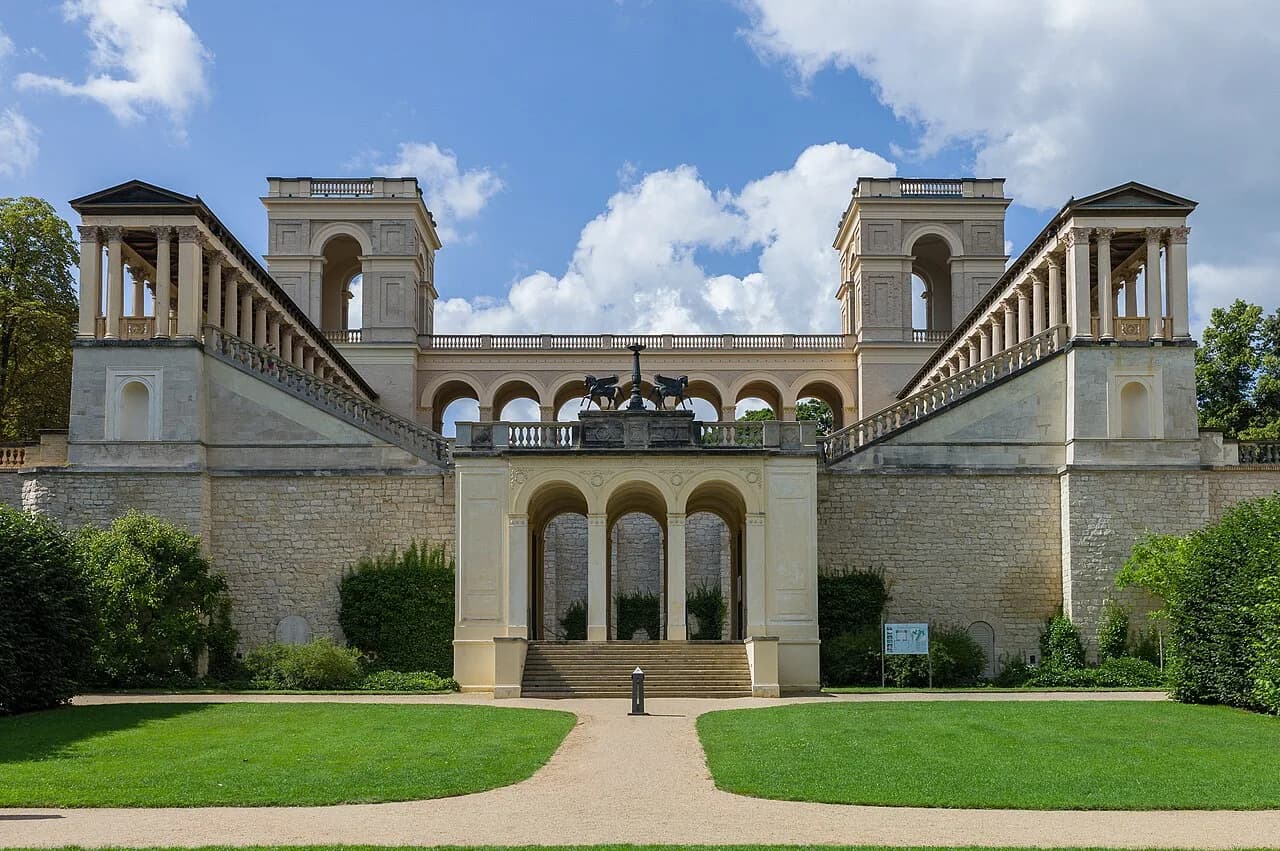
Photo: Kemmi.1, CC BY-SA 3.0. Resized and converted to WebP.
The Pfingstberg hill north of central Potsdam carries a double-towered belvedere, a small Schinkel temple and a landscape garden laid out in the 19th century. This guide explains what the ensemble contains, how the published autumn season works, why the hill shuts down for winter, and how to fold the climb into a walk toward the Neuer Garten.
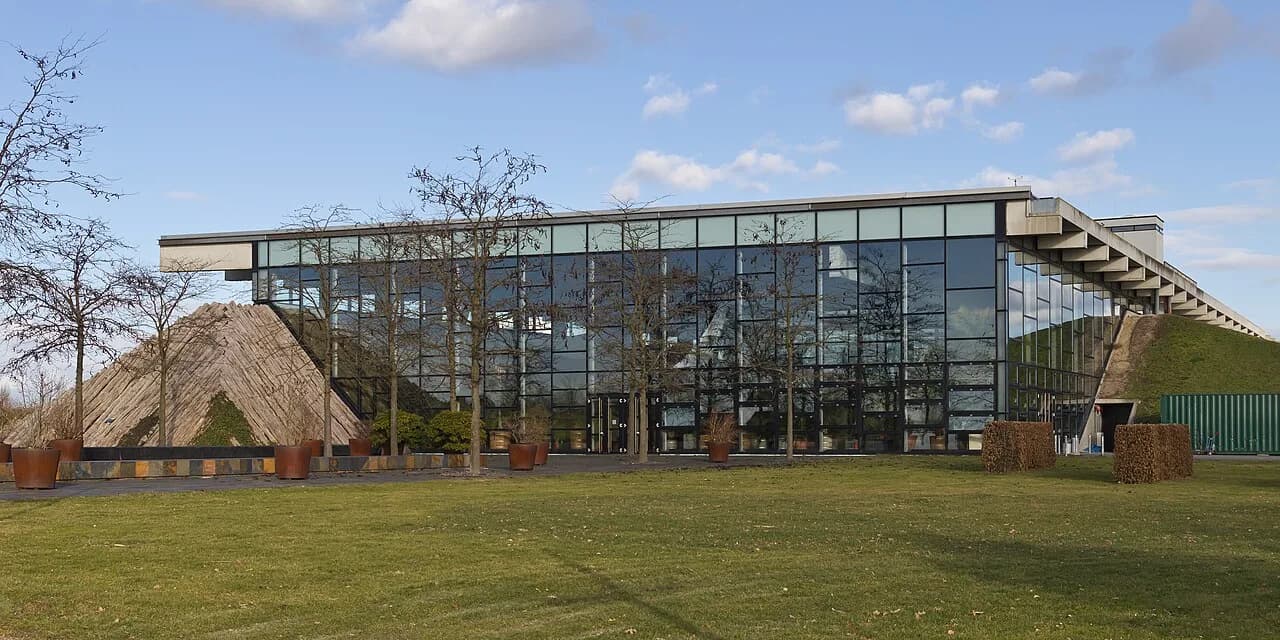
Photo: A.Savin, CC BY-SA 3.0. Resized and converted to WebP.
Biosphäre Potsdam condenses a humid tropical landscape into an enclosed hall in Potsdam, with more than 20,000 plants, exotic animals and an hourly thunderstorm. This guide covers the sourced 2026 ticket ladder by age, opening hours, the one-hour last-entry rule, the Berlin WelcomeCard discount, and how to pace a family visit on a wet day.
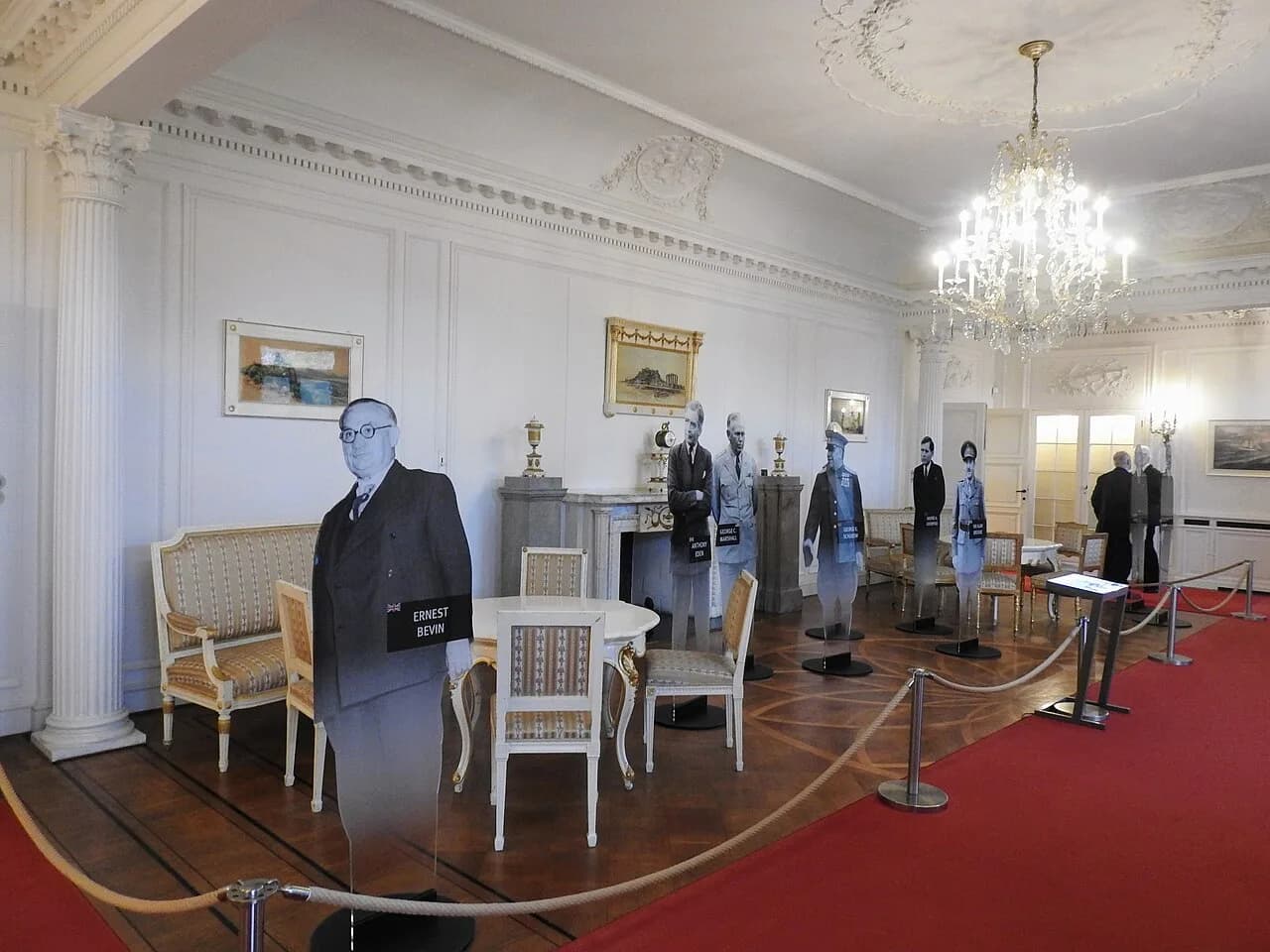
Photo: Reading Tom, CC BY 2.0. Resized and converted to WebP.
Cecilienhof Country House hosted the 1945 Potsdam Conference and remains closed for restoration. This guide explains what the palace is, what you can still see in the free New Garden, and how to verify visiting details before you travel.
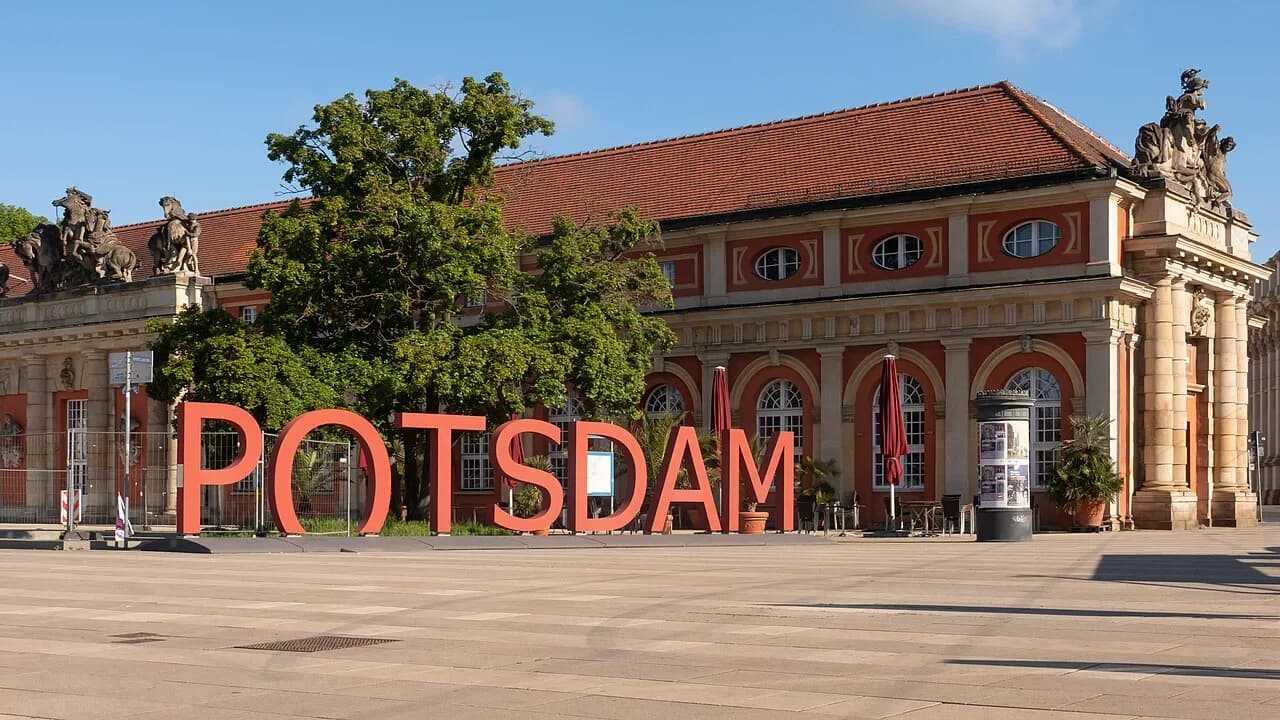
Photo: Michielverbeek, CC BY-SA 4.0. Resized and converted to WebP.
The Filmmuseum Potsdam occupies the Marstall on Breite Strasse in the historic centre, not the Babelsberg studio site, so a museum ticket does not include a studio visit. This guide covers the TRAUMFABRIK exhibition and its seven theme rooms, the casting box and props, the in-house cinema with its Welte organ, discount and ticket questions, and how the museum differs from Studio Babelsberg and Filmpark.
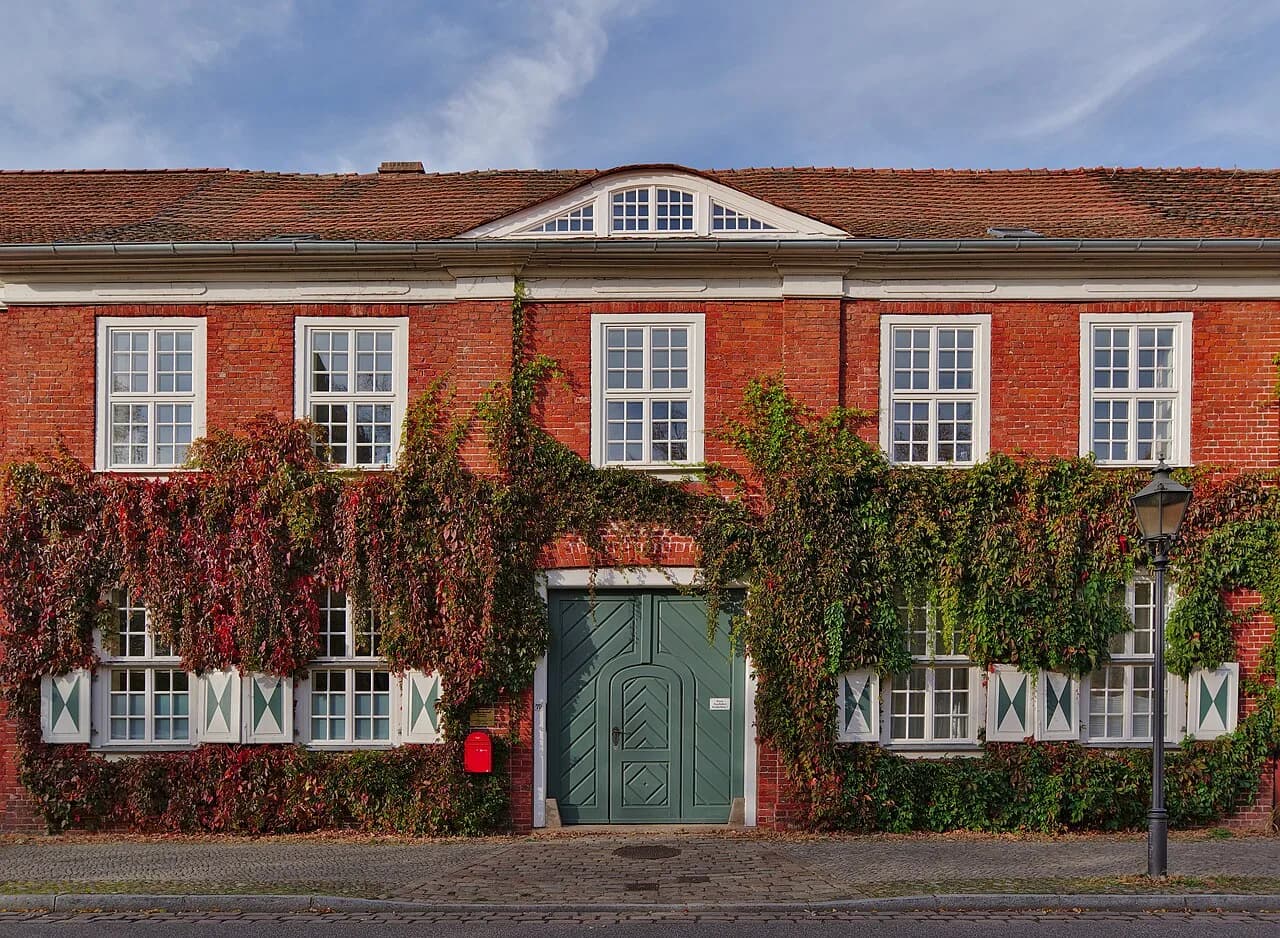
Photo: Jan Czeczotka, CC BY-SA 4.0. Resized and converted to WebP.
The Dutch Quarter is not a single ticketed sight but four interlocking quarees of red-brick houses in central Potsdam, free to wander on foot. This guide explains the architecture you can read from the street, which lanes anchor a loop, where the two museums sit and why they are ticketed separately, and how the quarter's rescue after 1990 shaped the streets you walk today.


