

The Museum am Dom Würzburg, usually shortened to MAD, sits at Kiliansplatz in the heart of the old town, a short walk from the cathedral itself. It belongs to the Abteilung Kunst of the Diocese of Würzburg rather than to the city or the state, which shapes both its collection and its character. That diocesan identity is the single most useful thing to understand before you decide whether it belongs on your itinerary.
The most important planning fact is that the City of Würzburg's tourism listing marks the museum as closed until 2028 because of renovation work. That entry describes a multi-year closure, so you should treat the MAD as a future visit rather than a same-week stop. Check the operator's own site before you travel, because a renovation timetable can shift and the city listing is a summary rather than a live status feed.
This guide covers what the MAD holds, how it differs from Würzburg's other art museums, what the rooms and access are like, and which open collections can fill the gap while it is closed. Anyone building a broader sightseeing plan can start from the Würzburg: Landmark Visitor Guides page and branch out from there.
What the Museum am Dom Actually Is
The MAD describes itself as showing works from the 10th to the 21st century, deliberately mixing old and new art rather than sorting it into chronological rooms. Its own rooms page explains that the permanent exhibition occupies 1000 square metres on the first upper floor, so this is a compact, single-level collection rather than a sprawling complex. That scale makes it easy to pair with a cathedral visit or a walk through the old town.
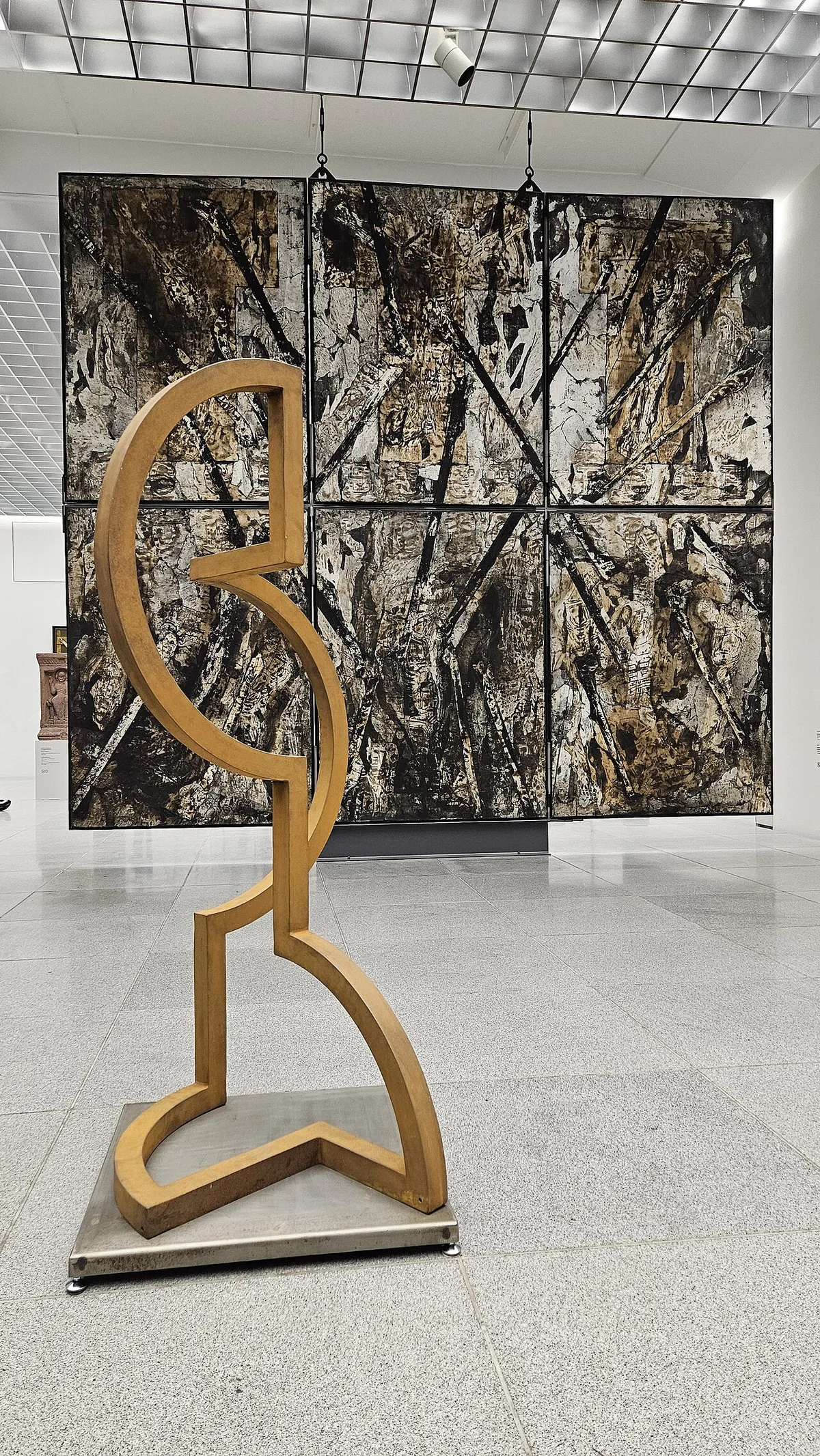
The building spreads over two floors of the complex at Kiliansplatz. The ground level holds the foyer, where the operator says lockers are available for valuables and jackets, the ticket desk, and a small museum shop. The exhibition itself is one level up, which is worth knowing if you are carrying bags or travelling with someone who prefers to avoid stairs.
A detail that surprises many visitors is the theatre sharing the same address: since 1 January 2022, the THEATERHALLE AM DOM has occupied the basement and mezzanine levels of the building, having taken over the former tanzSpeicher venue. That means your entrance may sit alongside performance-space signage, so follow the museum markings rather than the theatre ones.
How the MAD Differs from Museum für Franken and Museum im Kulturspeicher
Würzburg's museum landscape splits along collection lines that are easy to confuse. The city's tourism department presents the Museum für Franken as the home of the world's largest Riemenschneider collection, an institution with more than a century of history, while the Museum im Kulturspeicher covers art of the 19th to 21st centuries in a converted harbour granary. The MAD is a third thing again: a diocesan collection built around religious and existential themes rather than regional history or a single collector's profile.
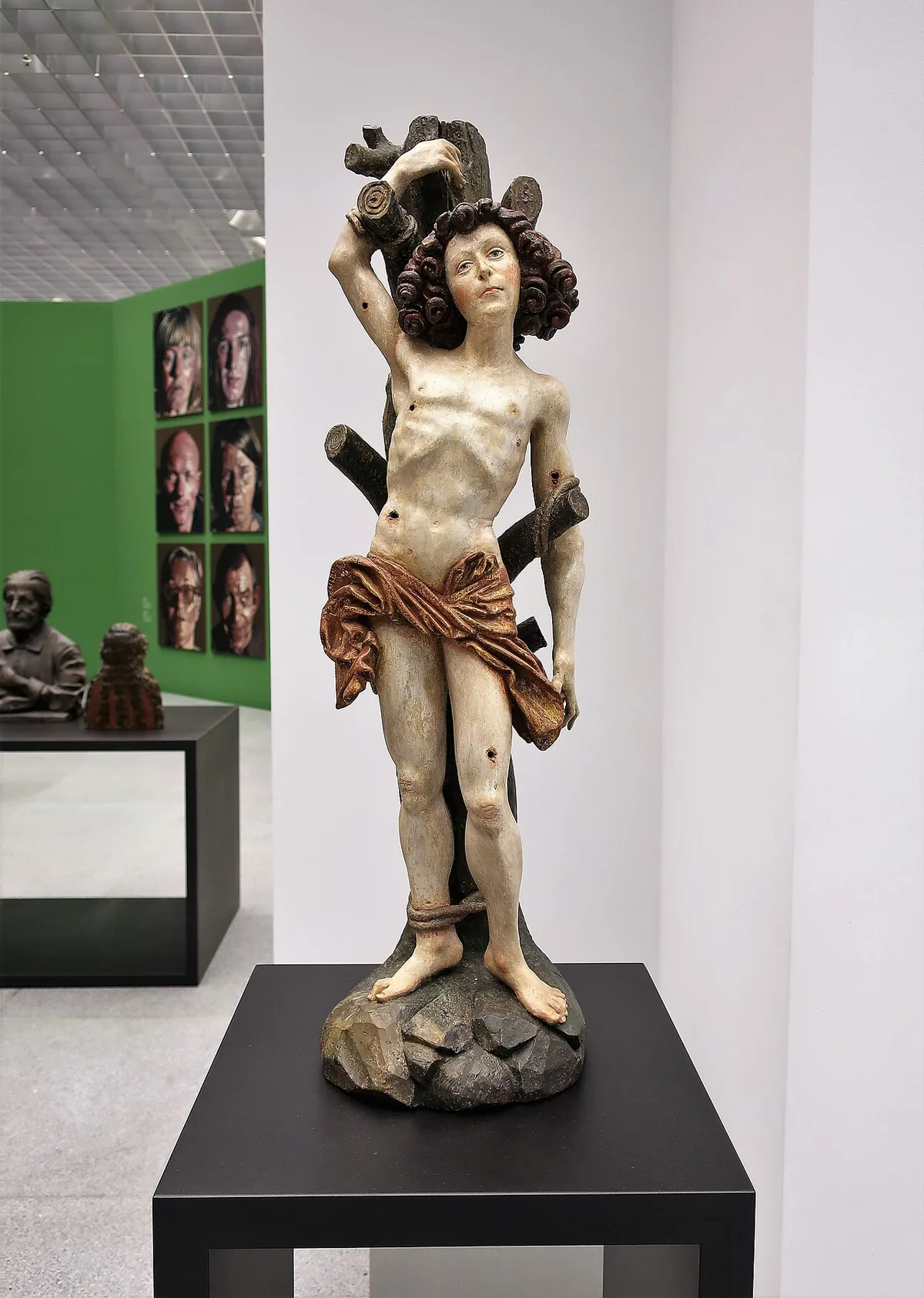
The curatorially interesting difference at the MAD is that works are grouped by content and by what the artist intended, not by date of origin. That is why a medieval crucifix by Tilman Riemenschneider can hang near pieces by Otto Dix, Andy Warhol or Joseph Beuys without the pairing feeling like a gimmick. If you want old and new art in direct conversation, this is the museum that does it on purpose.
If your priority is Riemenschneider sculpture in depth, the Mainfränkisches Museum visitor guide covers the fortress collection that holds that material, and it is a separate ticket and a separate hilltop site. For university-held antiquities and old master prints, the Martin von Wagner Museum is the relevant address. Spread your choices across a day instead of expecting one ticket to cover several collections.
Inside the Collection: What You Would See
The museum's own summary of its collection stresses the tension produced by placing old and new art side by side, and the Bavarian museum directory describes the range as running from graphic art to painting, from sculpture to installation. Religious subjects such as the crucifixion, the resurrection and depictions of the Virgin Mary and saints recur, but they are handled in styles that span a thousand years. Expect to read a room by theme rather than by century.
Accessibility-oriented coverage of the museum adds a second layer to the story: the collection is organised into seven thematic worlds that speak about love, joy, hope and affection as well as loss and grief. It also notes an unusual emphasis on East German art, including leading representatives of the Leipzig School. That makes the MAD a more idiosyncratic hang than its size suggests.
The stated aim is to let visitors respond to the works without prior knowledge or a fixed expectation, an approach summed up in the motto think what you like. In practice that means short, readable labels and juxtapositions that reward slow looking rather than exhaustive reading. For a 1000-square-metre floor, allow yourself more unhurried time than the floor area would imply.
Rooms, Floors and Accessibility
The permanent exhibition sits on one level of the first upper floor and is reached either by the broad staircase in the ground-floor foyer or by lift, according to the museum's rooms page. Because the display occupies a single floor, there is no need to plan an internal route or worry about missing a wing. Doors and passages along the visitor route measure at least 78 centimetres wide.
The accessibility certification reported for the museum notes step-free access to usable rooms, seating in the exhibition, contrast-rich signage in an easy-to-read typeface, bright glare-free lighting, and assistance dogs being welcome. Exhibits and information are mostly visible from a seated position, which matters if you use a wheelchair or have difficulty standing for long periods. An outgoing emergency call in the lift is confirmed acoustically.
Two limits are reported honestly rather than glossed over: there is no designated disabled parking space at the site, and manoeuvring space to the left and right of the accessible toilet is restricted, with a passage width of 65 centimetres. There is also no audio induction system, and exhibit information is not offered in Braille or plain language. If any of these are decisive for you, ask the museum directly before making the trip.
Closure Until 2028: How to Check and What to Confirm
The City of Würzburg's tourism pages list the Museum am Dom as closed until 2028 because of conversion work, and the Bavarian museum directory separately shows the museum as currently closed. Neither source is a live status board, so the sensible approach is to confirm before you build a day around it. Reopening dates announced well in advance regularly move.
The operator's own site is the first place to look, since the museum publishes its rooms, programme and visitor information there. The Bavarian museum directory is a useful cross-check because it records opening times and contact details and carries a last-edited date on the record. If the two disagree, treat the operator's page as the more current of the two.
Questions worth putting to the museum or the tourist information office include whether any part of the building is accessible during the works, whether the shop or foyer remains usable, and when a reopening announcement is expected. Because ticketing, guided tours and temporary exhibition dates for the MAD are not published as confirmed facts here, ask about those directly rather than relying on older pages. Do not assume that a shared ticket with other Würzburg museums exists.
What to Visit Instead While the MAD Is Closed
Würzburg keeps several substantial collections open, and they are geographically spread enough to fill a full day. The Museum im Kulturspeicher pairs 19th- to 21st-century art with the architecture of a converted grain warehouse at the old harbour. The Museum für Franken on Marienberg Fortress holds the sculpture and regional material, and it involves a climb or a bus ride up to the fortress.
For a different register entirely, the Würzburg Residenz visitor guide covers the UNESCO-listed palace with its Tiepolo ceiling, which suits travellers who want architecture and frescoes rather than museum vitrines. Smaller options such as the Siebold-Museum, the Röntgen Gedächtnisstätte and the university's Martin von Wagner Museum round out the list. Opening days vary by institution, so verify each one separately.
A compact old-town circuit works well for a half day: the Neumünster and the cathedral, the Marienkapelle Würzburg visitor guide, the market square, and the Alte Mainbrücke visitor guide with its bridge views and wine stands. That route keeps you within walking distance of Kiliansplatz, so you can still see the MAD's location and note it for a future trip. Full-day planning options are gathered on the Würzburg: Itineraries and City Travel Guides hub.
If your trip is built specifically around the MAD, consider adjusting the timing rather than the itinerary. Check whether any neighbouring institution is showing diocesan collection works on loan, and ask the tourist information office whether a partial reopening is planned. Otherwise, treat the visit as something to schedule once the renovation is finished.
Plan Your Visit
The Museum am Dom is a diocesan art museum at Kiliansplatz with a 1000-square-metre permanent exhibition that deliberately puts a thousand years of art into conversation on one floor. Its identity is clear: it is not the Museum für Franken, and it does not aim to be. What is equally clear is that Würzburg's tourism listing marks it closed for renovation until 2028.
Plan the rest of your Würzburg days around the collections that are open now, and put the MAD on a future list. Before any visit once it reopens, confirm status and access details on the operator's site, since hours and programme information are published there and change over time. A five-minute check protects you from a wasted morning.
Frequently Asked Questions
Is the Museum am Dom in Würzburg currently open?
The City of Würzburg's tourism listing marks the Museum am Dom as closed until 2028 because of renovation work, and the Bavarian museum directory also shows it as closed. Because neither is a live status feed, confirm directly with the museum before planning a visit. Check the operator's website and the city tourist information office for the most recent position.
What is the difference between the Museum am Dom and the Museum für Franken?
The Museum am Dom is a diocesan art museum run by the art department of the Diocese of Würzburg, and its collection ranges from the 10th to the 21st century with old and modern works shown together by theme. The Museum für Franken is the city's long-established regional and sculpture collection, famous for its Riemenschneider holdings, and it sits on Marienberg Fortress. They are separate institutions with separate locations and separate admissions.
What can you see in the MAD's permanent collection?
Expect around 1000 square metres of art on one upper floor, spanning graphic art, painting, sculpture and installation, with works grouped by content and the artist's intention rather than by date. Religious subjects recur, and an emphasis on East German art with Leipzig School representatives gives the hang an unusual accent. A Riemenschneider crucifix and pieces by Otto Dix, Andy Warhol or Joseph Beuys can appear in the same conversation.
Is the Museum am Dom Würzburg wheelchair accessible?
The accessibility certification reported for the museum notes step-free access to usable rooms, a lift to the exhibition floor, doors and passages at least 78 centimetres wide, seating in the galleries, and assistance dogs being welcome. Reported limits include no designated disabled parking space at the site and restricted manoeuvring space beside the accessible toilet. Detailed measurements are published in the full accessibility report, which is worth reading before you travel.
What art periods does the MAD cover?
The collection spans the 10th to the 21st century, mixing medieval and early modern pieces with contemporary work in the same rooms. That deliberate juxtaposition of old and new art is the museum's defining curatorial idea. Exact works on display can change, so check the operator's programme page closer to your visit.
Where is the Museum am Dom in Würzburg?
It is at Kiliansplatz in the centre of Würzburg's old town, in the building that also houses the THEATERHALLE AM DOM on its lower levels since January 2022. The address places it within easy walking distance of the cathedral, the market square and the old Main bridge. Use the museum name rather than the theatre name when searching for directions.


