
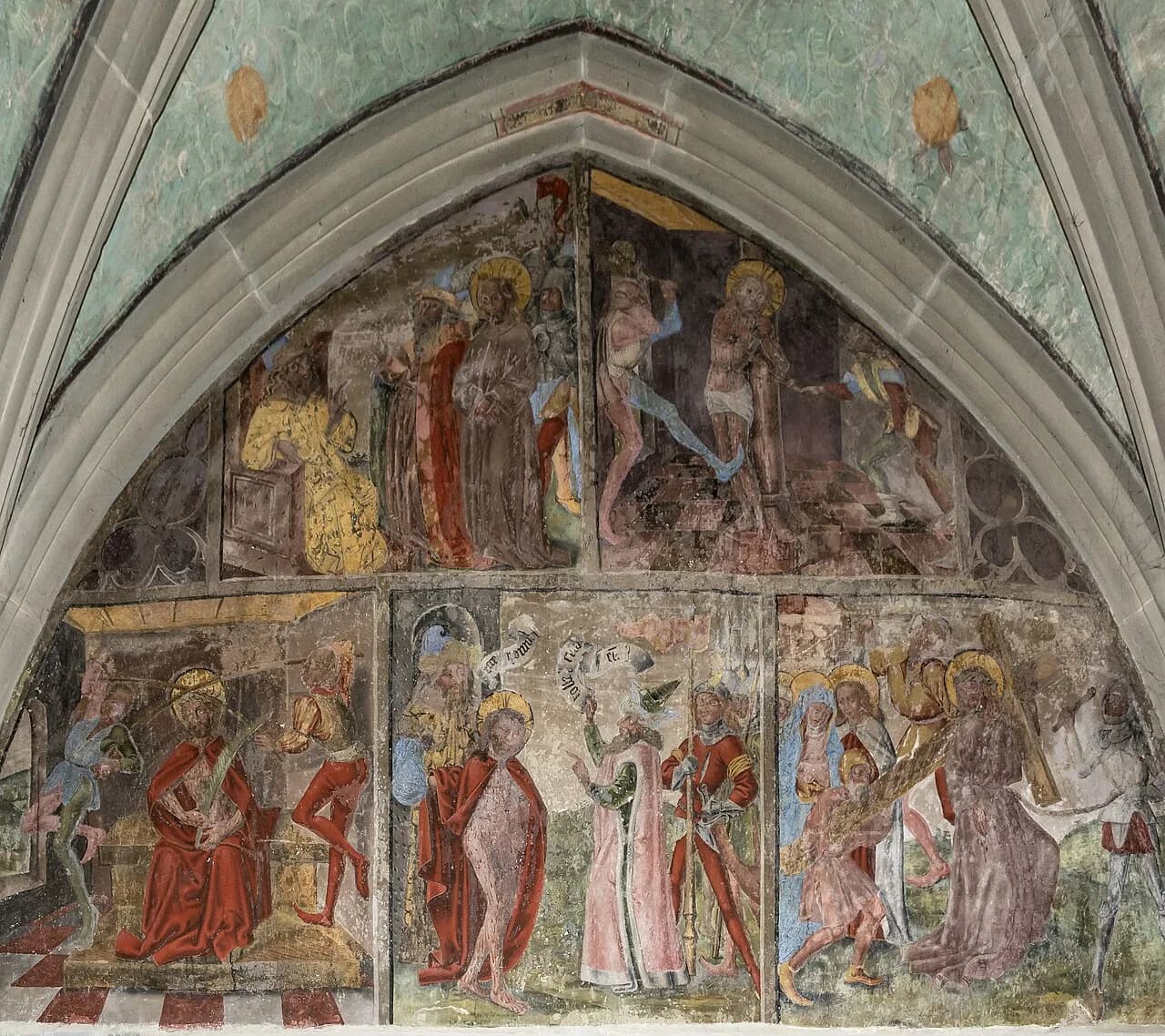
Konstanz Münster, formally Münster Unserer Lieben Frau, stands at Münsterplatz 1 in the Altstadt and is the building most visitors use to orient themselves in the old town. It is an active Catholic church rather than a ticketed museum, so the nave and side chapels are generally open to anyone who walks in, while the observation tower is a separate decision involving a climb and a fee. That split, free interior versus paid ascent, shapes how much time and money your visit takes.
A suggested 1-2 hours is a planning figure, not an official visit time. Most people spend that long on the ground floor alone, reading the frescoes, statues and side chapels, and the tower adds time on top. Anyone with an interest in medieval church architecture or the history of the Council of Constance can easily stretch a stop here past two hours.
Where the Münster Sits in Konstanz's Old Town
The cathedral stands on Münsterplatz, a short walk inland from the harbour and the Imperia statue, and just up from Marktstätte, the market square that anchors the shopping streets. From the Schnetztor gate at the southern end of the old town, the walk to the Münster takes only minutes through narrow lanes, so it folds easily into a single loop. Arriving on foot makes sense because the Altstadt streets are largely pedestrian and parking near the centre is awkward.
Konstanz survived the Second World War largely intact, so the streets between the Münster, the harbour and the Schnetztor still follow their medieval line rather than a post-war grid. That continuity is why the cathedral reads as part of a dense historic quarter rather than an isolated monument. If you are building an itinerary, treat the Münster, Marktstätte, the Konzilgebäude and the harbour as one walkable cluster.
Free Versus Paid: What Your Money Does and Does Not Cover
Walking into the church is free. Konstanz Münster is a Catholic church open to the public, featuring frescoes, statues and two organs, and that public church interior is the part you can see without buying anything. Treat it as a place of worship first: services take priority over sightseeing, and quiet behaviour matters more than photo opportunities.
Climbing the tower is a separate, paid experience, and no figure appears in the sources available here, so plan to check the parish website for Konstanz Münster before you go rather than budgeting from an old blog number. Third-party travel sites circulate estimated tower fees, but those are not official and may be out of date. The practical approach is to confirm price and access conditions on the day.
Do not assume that a single ticket covers everything nearby. The Rosgartenmuseum is a separate municipal museum with its own admission, and its guided tour page currently states admission at 3.00 euros per person, 1.50 euros reduced, with groups of 10 or more at 1.50 euros each. These are the museum's own published prices, so treat them as the current source for that attraction and recheck if in doubt.
What You Actually See Inside
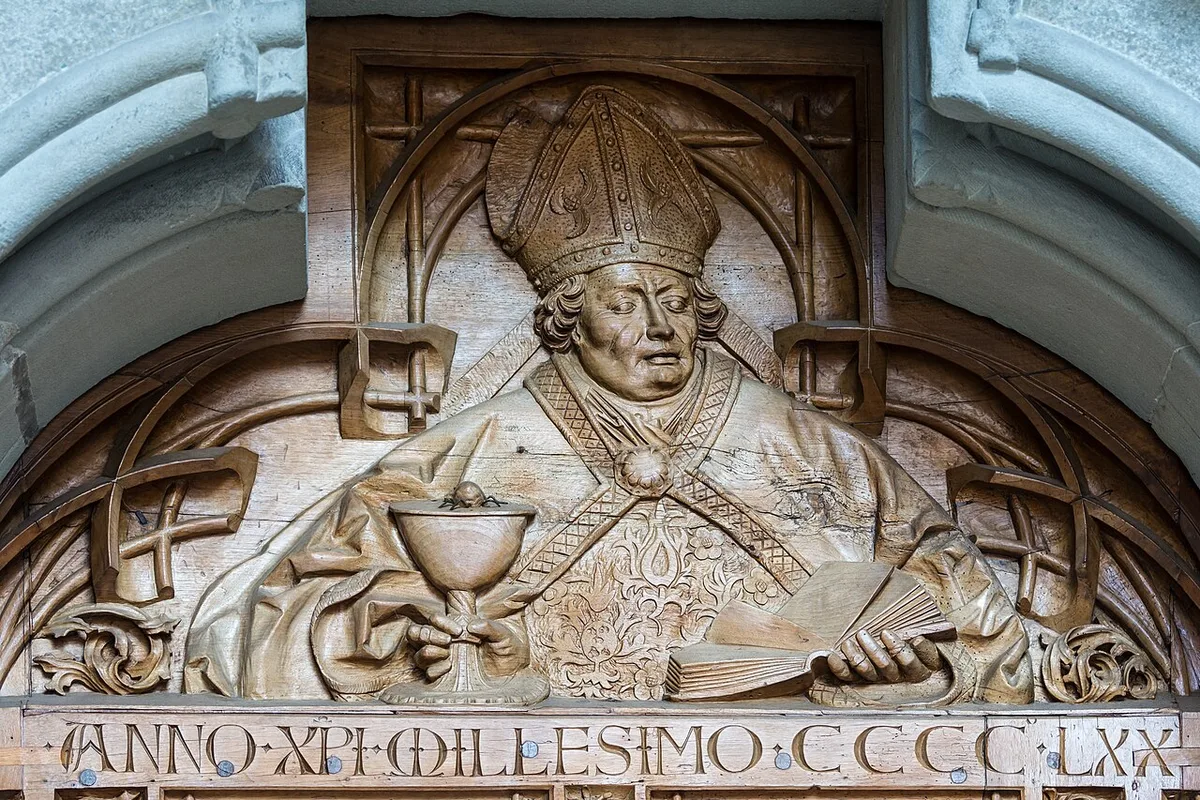
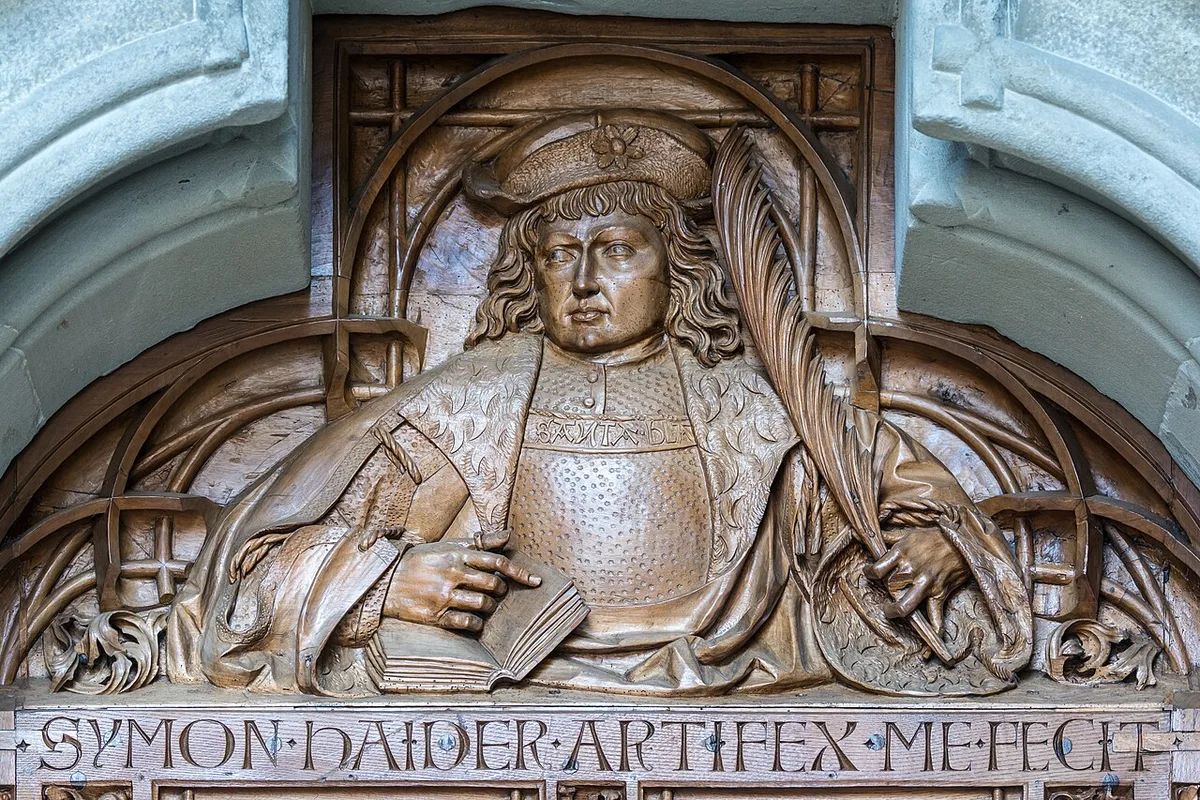
Inside the Münster the draw is the cumulative effect of centuries rather than a single exhibit: painted frescoes, carved statues, side chapels and two organs that are still in use. Because the building remains a working church, parts of it can be closed off for services or quiet prayer while you are there, so a second lap often reveals something the first missed.
Give yourself permission to sit down. The scale of a cathedral interior is easier to absorb from a pew than from a standing position in the aisle, and a short pause is the cheapest way to make the visit memorable. If the tower is open, decide before you start climbing whether you want the view badly enough to handle a confined spiral stair.
Architecture Worth Slowing Down For
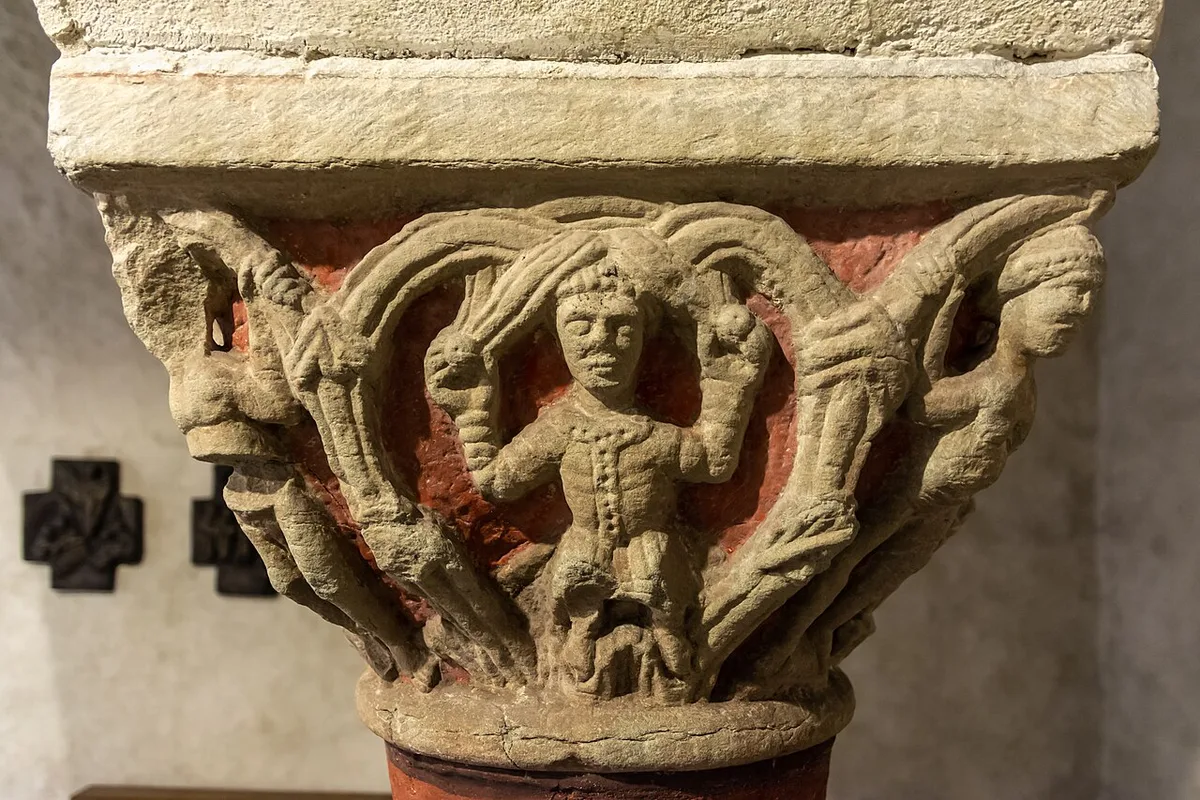
The Münster is generally described as mixing Romanesque and Gothic elements, a layering that reflects Konstanz's medieval importance as a church city and the seat of a diocese. Look for the transition in the masonry and window shapes, which shows how the building was extended and reworked over time rather than designed in one campaign. The former diocese's history is the reason a church of this scale exists in a town of Konstanz's size.
City tourism material places a climb of the cathedral among the must-do activities in Konstanz, alongside the harbour and the flower island of Mainau, which tells you the tower view is regarded as one of the town's signature experiences. That is a marketing framing rather than a guarantee that the tower is open on your date, so confirm on arrival.
The Tower Climb as a Separate Decision
A paid ascent buys elevation over the old town rooftops and, on a clear day, the lake and the Alpine foothills beyond the harbour. Harbour views across the water toward the mountains are one of the region's reliable pleasures, and the tower puts you above the roofline rather than at quay level. What it demands in return is a climb, and anyone with mobility concerns, a fear of enclosed stairwells or small children in tow should weigh that honestly.
Skip the climb without guilt if the weather is grey, if your schedule is tight, or if you simply prefer the interior. The free ground floor is the core of the visit, and no source confirms step counts, tower height or accessibility, so ask at the church rather than relying on secondhand figures. Building the tower in as optional keeps a rainy afternoon from turning into a wasted one.
How Long to Allow
A suggested 1-2 hours covers the interior comfortably for most visitors, including time to read the main features and sit for a few minutes. Add roughly half an hour if you climb the tower, and more if you linger over the side chapels or attend a service. Groups, photographers and anyone researching the Council of Constance will run longer than that.
Time your arrival around services and quiet periods rather than guessing at published opening times, because reliable opening hours for the Münster are not published in the sources reviewed here. Early morning and late afternoon tend to be calmer in the Altstadt generally, and checking the parish page or the tourist information office at the station is the reliable way to confirm the day's access.
Pairing the Münster With Nearby Stops
Hus-Haus at Hussenstraße 64 is the strongest companion stop and one of the best-value add-ons in the city: the city publishes free admission and seasonal opening hours, with audioguides in German, English and Czech. Opening times differ between the summer and winter seasons, and it stays closed on Mondays plus a list of holidays including 24 and 25 December, 31 December and 1 January. Groups of 15 or more are asked to register in advance because the rooms are small.
The Rosgartenmuseum in the former butchers' guild house covers the city and regional collection and keeps its own separate ticket, with a free audio guide in German, English or French. Beyond that, the Konzilgebäude near the harbour and the Imperia statue at the pier end are free to look at and complete a compact old-town loop. If you want a longer day, Mainau Island or the archaeological museum across the river in Petershausen can fill it, each with its own admission and opening arrangements.
The Niederburg quarter around the Münster rewards a slow wander before or after your visit, since its lanes, wine caves and small shops are part of the same surviving medieval fabric. It is a natural extension of a Münsterplatz stop rather than a separate outing. Walking the quarter also gives you a clearer sense of how the cathedral functioned within the walled town.
Practical Etiquette and Timing Notes
Expect a working church, not a museum: services, prayer and funerals take precedence, and visitors are usually asked to keep voices low and stay out of cordoned areas. Photography rules inside churches vary and can change, so watch for posted signs rather than assuming. Modest dress is a reasonable default in any active Catholic church in southern Germany.
Before travelling, confirm current access, service times and tower arrangements on the parish website for Konstanz Münster and the city tourist information service, since renovation work, seasonal hours and ticket scope are exactly the details that change. Nothing in the public material reviewed here settles those points, so a two-minute check the day before is worth more than any cached blog post. If the tower is closed, the free interior and the surrounding old town still justify the trip.
Plan Your Visit
Treat Konstanz Münster as two decisions: the free church interior, which anyone can walk into, and the optional paid tower climb with its stairs and its view. Build a suggested 1-2 hours around the interior, add time for the tower if you want it, and check the parish page for current access and any fee before you go. Pair the visit with Hus-Haus for a free museum stop and the Rosgartenmuseum if you want a separate ticketed collection.
Frequently Asked Questions
Is Konstanz Münster free to enter?
The cathedral is an active Catholic church and the public interior is free to enter, so you can see the nave, side chapels, frescoes, statues and organs without buying a ticket. Any visit should respect services and quiet areas, since worship takes priority over sightseeing.
How much does it cost to climb the Münster tower?
The tower is a paid climb rather than part of the free church interior. The exact fee is not published in the material reviewed here, so check the parish page for Konstanz Münster or ask at the church on the day instead of relying on older third-party estimates.
How long does a visit to Konstanz Münster take?
Allow a suggested 1-2 hours for the interior, which is enough for the main features and a short pause. Add extra time if you climb the tower, linger over the artwork, or attend a service.
What can you see inside the Münster?
Visitors describe frescoes, statues, side chapels and two organs, set within a building that layers Romanesque and Gothic architecture. It is a working church, so some areas may be reserved for services while you are there.
What else is near the Münster in Konstanz's old town?
Hus-Haus on Hussenstraße offers free admission with seasonal hours and audioguides, while the Rosgartenmuseum has its own separate ticket. The harbour with the Imperia statue, Marktstätte and the Schnetztor gate are all a short walk away.


