
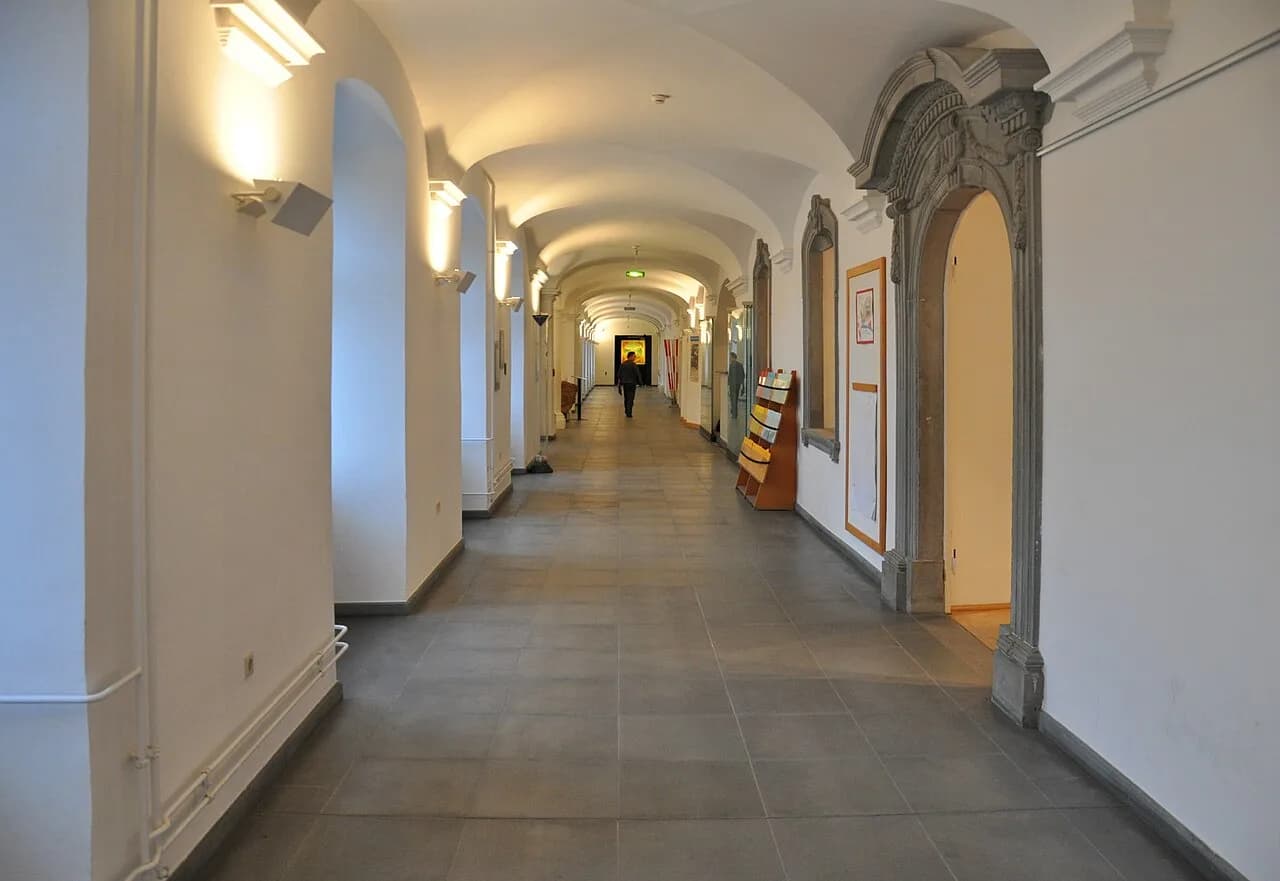
The Archäologisches Landesmuseum Baden-Württemberg occupies a converted monastery complex at Benediktinerplatz 5, on the Petershausen side of Konstanz rather than in the crowded old town. That location matters when you plan a day: it sits a short walk from the city centre, so it works as a stand-alone stop or as a rain-proof detour between the lakefront and the Rosgarten quarter. As a suggestion rather than official guidance, allow roughly one hour for a highlights pass and two to three hours if you read the labels and linger in the pile-dwelling galleries.
What makes this museum worth choosing over Konstanz's other collections is its archaeological focus: the same region that produced the Rosgarten's art and civic history is presented here through excavated objects, from prehistoric lake villages to medieval burials. The Konstanz tourism board describes the permanent display as a tour through Stone Age pile dwellings, Celtic barrows, urban Roman life and the graves of Alemannic nobles, with a ships and boats section and a dedicated Constance room among the highlights.
Where the ALM Sits and How to Slot It Into a City Walk
Benediktinerplatz lies on the northern edge of the old town, in the Petershausen district, and the museum's address is given as Benediktinerplatz 5, 78467 Konstanz. Because it is slightly away from the Marktstätte and the harbour, you can pair it with a walk along the lake or with the nearby Rosgartenmuseum without retracing your route twice. The Rosgartenmuseum Konstanz visitor guide covers that second collection if you want to compare the two before committing your afternoon.
Public transport and parking details change, and third-party listings in particular go stale, so treat any route advice as a starting point only. The museum's own site is the place to confirm how to reach Benediktinerplatz and whether construction or events affect access on your date. If you are building a wider trip, the Konstanz: Itineraries and City Travel Guides hub collects city-level planning material that complements this single-attraction guide.
What the Permanent Collection Covers
The chronological sweep runs from the Stone Age to the Middle Ages, taking in pile-dwelling settlements, Celtic burial mounds, Roman urban life, Alemannic noble graves and medieval castles. Lake Constance Tourism highlights two recent additions in particular: a newly curated World of the Lake Dwellers display and the Roman treasure of Ladenburg. Because these are permanent-collection presentations rather than travelling shows, they should be present whenever the museum is open, though you should still confirm nothing is off view.
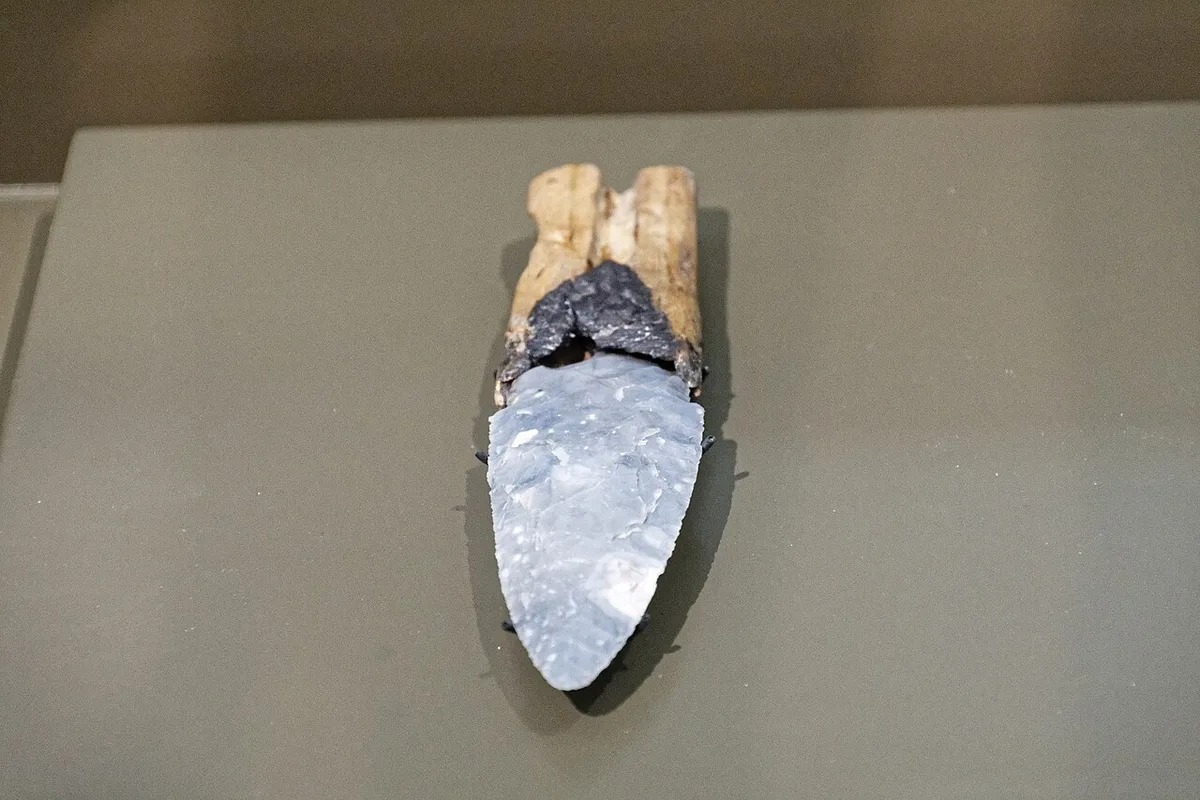
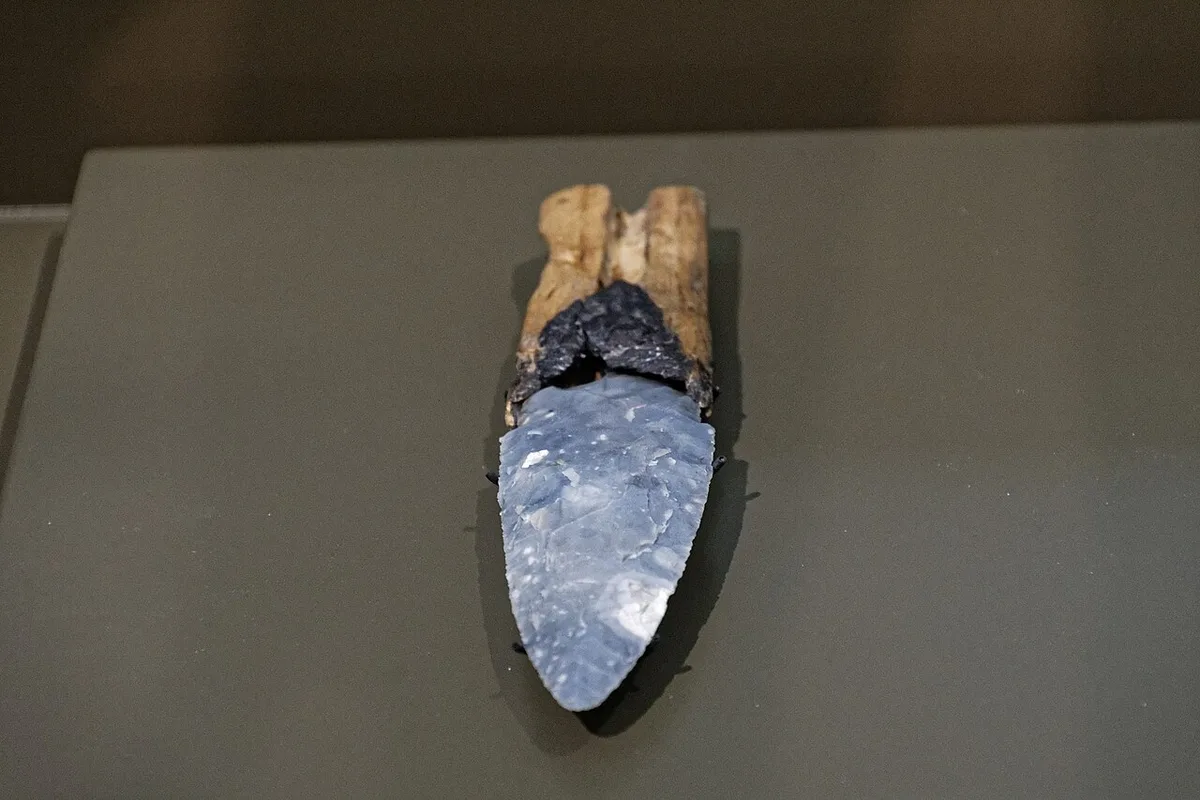
Two sections are consistently singled out as priorities: the ships and boats gallery and the Constance room. The latter uses models and modern media to trace the site from prehistoric lake village through Roman fort to medieval episcopal town, which makes it a useful orientation stop before you tackle the object-heavy cases. If your time is tight, start there and then move to the pile-dwelling material.
The Pfahlbau Story: Why Lake-Dwelling Archaeology Is the Signature Subject
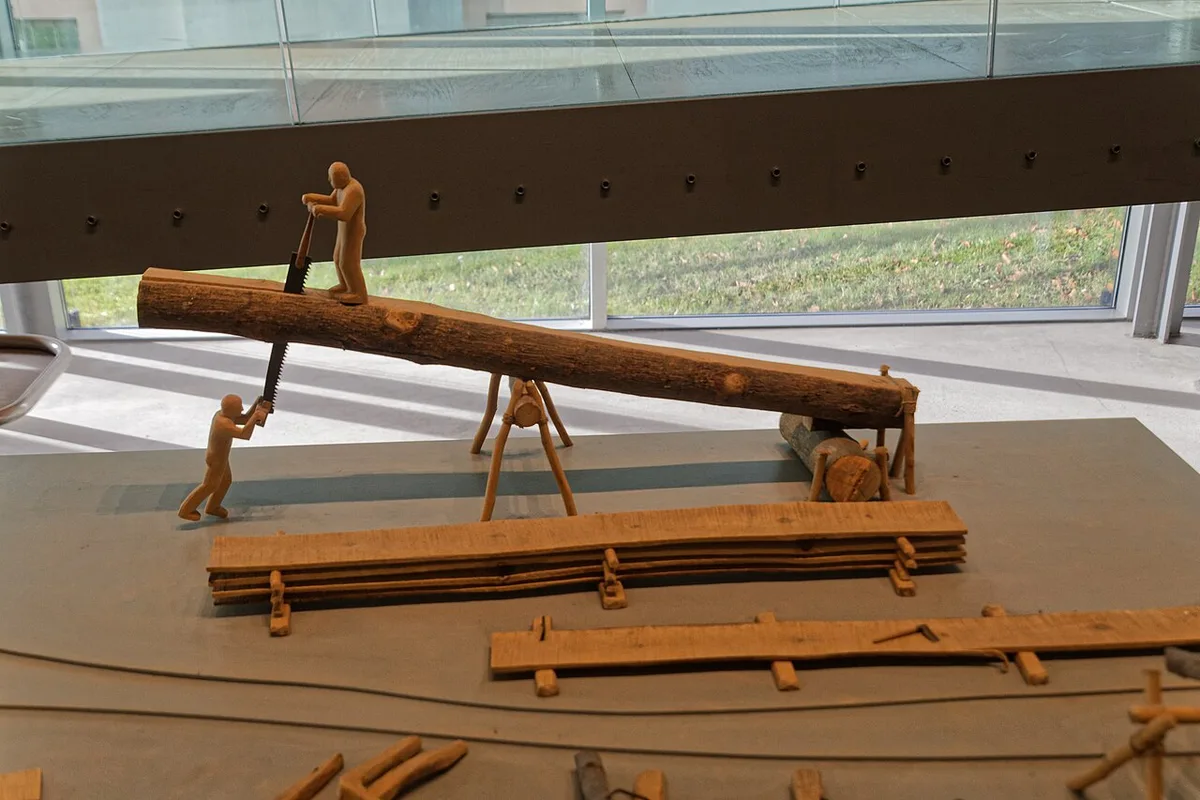
Pile dwellings, or Pfahlbauten, are the reason this museum exists in its current form: the region's prehistoric lake villages are among the most important archaeological remains in central Europe, and the displays use them to explain how people built, fished and traded on the water. The Konstanz tourism board frames the permanent exhibition around Stone Age pile dwellings before moving into later periods, so the lake-village galleries set the tone for everything that follows. Read them first if you want the rest of the collection to make chronological sense.
The Constance room extends that story into the historic period, showing how the Roman fort and the medieval town grew from the same shoreline. For readers deciding between Konstanz's museums, this is the clearest differentiator: the Rosgarten covers civic and art history, while the ALM explains the deep archaeology beneath the city. The Konstanz Museums Compared page sets out that trade-off if you only have time for one.
Ships, Boats and the Trossingen Grave
The ships and boats section is one of the museum's stated highlights, and it fits naturally with the lake-dwelling theme: water transport is what connected the settlements around Bodensee long before roads existed. The Trossingen grave is the other object-led draw. The Konstanz tourism board notes that two new exhibition rooms are dedicated to this exceptionally well-preserved early medieval burial, presenting the furniture and weapons placed alongside the warrior, with the lyre described as the best-preserved example of its kind from the early Middle Ages in Europe.
If you visit with a specific interest in early medieval material, go straight to the Trossingen rooms and treat the rest as context. If you are visiting with children or on a short break, the ships and boats displays tend to hold attention longer than rows of grave goods. Either way, check the museum's own site before travelling, because individual rooms can be closed for installation even when the building is open.
Family Visits and the Archaeology and Playmobil Exhibition
The museum positions itself as family-friendly, with special exhibitions, museum festivals and hands-on activities aimed at younger visitors. The best-known of these is the annual Archaeology and Playmobil exhibition, which the Konstanz tourism board describes as running from the end of November to the carnival season in February. Because that window shifts slightly each year, confirm the exact dates with the operator rather than planning around a remembered month.
Beyond the Playmobil show, one-off exhibitions rotate through the programme, which means a return visit can look quite different from the first. If you are travelling with children and want to compare family options across the city, the Konstanz with kids guide covers other attractions alongside the museum. Keep expectations flexible: seasonal programming is exactly the kind of detail that changes fastest.
Practical Decisions Before You Go
Opening hours, admission prices and closures are the facts most likely to be out of date on third-party sites, and the museum has not published a current price list in the material available here. A third-party listing shows Monday to Sunday 10am to 5pm, but that should be treated as one platform's information rather than confirmed museum policy. Check the operator's site for the day you intend to visit, and ask about ticket scope if you plan to combine the ALM with other museums, since complexes elsewhere in Germany do not always share one ticket.
Accessibility arrangements, cloakroom rules and guided-tour availability are also best confirmed directly rather than inferred, because they can depend on staffing and on which galleries are open. If you need step-free access or a specific tour language, contact the museum before your trip. The Konstanz hub page is a reasonable place to start planning the rest of your day once the museum details are settled.
Suggested Visit Length and Nearby Pairings
As a personal suggestion rather than official guidance, budget about ninety minutes for a focused pass through the pile-dwelling galleries, the Constance room and the Trossingen rooms, and closer to half a day if you read the Roman and medieval sections properly. The Konstanz tourism board describes the museum as presenting archaeology in a way that entertains all the family, which is a fair signal that the displays reward slower reading rather than a quick walk-through.
For a half-day pairing, the Rosgartenmuseum is the natural companion because it fills in the civic and art-historical side of Konstanz that the ALM deliberately leaves out. If you would rather stay with religious history, the Hus-Haus Konstanz visitor guide covers the Bohemian reformer's life a short distance away. Both work as second stops after the archaeology, and neither requires you to cross the lake.
Plan Your Visit
The Archäologisches Landesmuseum Baden-Württemberg is the right stop if you want the deep history of Konstanz and Bodensee rather than its art or civic pageantry, and the pile-dwelling galleries are the clearest reason to choose it. Build the visit around the Pfahlbau material, the Constance room and the Trossingen grave, then let the rest fill whatever time remains. Confirm hours, admission and current exhibitions with the operator before you travel, because those are the details most likely to have changed since any guide was written.
Frequently Asked Questions
Is the Archäologisches Landesmuseum in Konstanz worth visiting?
It is the strongest choice in Konstanz for anyone interested in archaeology and prehistory, because it covers the region from Stone Age pile dwellings through Celtic burials, Roman urban life and early medieval graves. If you prefer art and civic history, the Rosgartenmuseum will suit you better. The two work well as a pair if you have half a day.
Does the museum cover the Pfahlbau pile dwellings?
Yes. The permanent exhibition is built around Stone Age pile dwellings before it moves into later periods, and the Constance room traces the site from prehistoric lake village to Roman fort and medieval town. The lake-dwelling material is the clearest reason to choose this museum over Konstanz's other collections.
What is the Archaeology and Playmobil exhibition?
It is the museum's annual family-oriented special exhibition, described by the Konstanz tourism board as running from the end of November to the carnival season in February. Exact dates shift each year, so confirm the current run with the operator before planning a trip around it. Other one-off exhibitions rotate through the programme alongside it.
How long should you spend at the Archaeological State Museum in Konstanz?
As a suggestion rather than official guidance, allow roughly ninety minutes for the pile-dwelling galleries, the Constance room and the Trossingen rooms, and closer to half a day if you read the Roman and medieval sections in detail. The collection rewards slower reading, so a rushed walk-through undersells it.


