

Bamberg's beer story is not confined to one street or building. The hills that frame the UNESCO-listed centre are hollowed out by an old tunnel system where breweries once lagered and matured their beer, while the taprooms and terraces that pour today sit above and around those same slopes. Walking between them is a direct way to understand how the city's brewing geography fits together. Bamberg Tourismus publishes city tours and visitor information at its official portal, which is the right place to confirm current options before you set out.
A suggested version of this route, covering one or two old-town taprooms plus the Stephansberg terrace, fits into roughly a half day of walking and sitting. That is an editorial planning estimate, not an official duration. Schlenkerla's own account of Bamberg notes that the hills are undermined by an extensive tunnel system carved out over as long as seven centuries, and that breweries used those tunnels to lager and mature beer. Separating that underground story from the brewery stops and the hillside climb is the key to planning the day well.
Why Bamberg's Beer Story Runs Underground
The hills beneath Bamberg are undermined by an extensive tunnel system, carved out over as long as seven centuries, according to Schlenkerla's own account of the city's underworld. Food was stored down there, and Bamberg's breweries lagered and matured their beer in these tunnels at cool, stable temperatures before refrigeration existed. That practical need shaped where breweries sat and why so many clustered against the slopes.
Aecht Schlenkerla is described by the brewery as the last Bamberg brewery to preserve the tradition of maturing beer in these tunnels. Schlenkerla also notes that the tunnel labyrinth can be explored on a tour offered through the Bamberg tourism board, which is the realistic route for a visitor who wants to see underground space rather than simply read about it. Because that access depends on the tourism board's programme, treat the tunnel tour as something to check and book rather than something you can count on walking into.
Bamberg's wider brewing heritage is also interpreted in museum form. The Franconian Brewery Museum on Michaelsberg covers the region's brewing history and sits in the former Benedictine monastery complex, which is itself part of the city's UNESCO-listed ensemble. Checking that museum's own pages before you go matters, because the Michaelsberg site has been affected by long-running renovation work.
What This Walk Is and Is Not
This route is a suggestion, not an official trail. It strings together independently operating breweries, public streets and a hillside path, so nothing about it is guaranteed to be open, staffed or serving at the moment you arrive. Think of it as a sequence you can shorten, reverse or abandon depending on weather, daylight and how much you want to drink.
What the walk is not is a continuous underground attraction. You cannot walk from taproom to taproom through the tunnels; the cellar history is a layer you read about, and access to the tunnels themselves comes through guided tours arranged separately. Similarly, the terraces are outdoor hospitality spaces, not heritage sites with fixed visiting hours you can plan around with certainty. The practical starting point for current tour offerings, city information and seasonal programming is the Bamberg tourism website.
Suggested timings in this guide are planning aids, not official figures. A relaxed version of the route with time inside a taproom and a pause at a terrace works as an afternoon, while a compressed version that skips indoor sitting is much faster on foot. If beer is the priority rather than distance, plan fewer stops and give the terrace more of your time.
Route Logic at a Glance
The sequence that makes most sense on foot starts in the flat old town, where the brewery taprooms are close together and easy to reach, then climbs to the Stephansberg for the panorama terraces. This orders the day from level walking to uphill effort, so you are not fighting the hill early on or descending in poor light. It also means the terrace view becomes the visual reward rather than the opening act.
The alternative is to reverse the order and climb first, which can suit a morning start when you have energy and the terraces are your main goal. The trade-off is that you then descend into the old town with the busier social stretch ahead of you, which may matter if you want a quiet sit-down meal rather than a crowded one. Whichever direction you choose, the climb is genuinely uphill and the old town surfaces are uneven, so footwear and pace are worth thinking about before you commit.
Public transport helps if you want to shorten the approach rather than the walk itself. Bus line 910 serves the Domplatz area, according to the Bavarian Palace Administration's visitor information for the New Residence, and the same line reaches the Michaelsberg area on weekdays according to the Bamberg Citizens' Hospital Foundation. That gives you a way to start high and walk down, or to bail out if the weather turns.
Stop Type 1: Historic Brewery Taprooms in the Old Town
Schlenkerla's historic taproom on Dominikanerstraße is the natural anchor for the cellar-tradition side of this walk. It is the brewery most associated with Bamberg's smoked beer, and the house pours its beer from oak casks by gravity rather than pushing it with gas, a detail the Beer Trotter's Bamberg account observed on a visit. Because it sits close to the main tourist flow, it can be busy with groups; the Beer Trotter noted that morning visits are quieter than evenings.
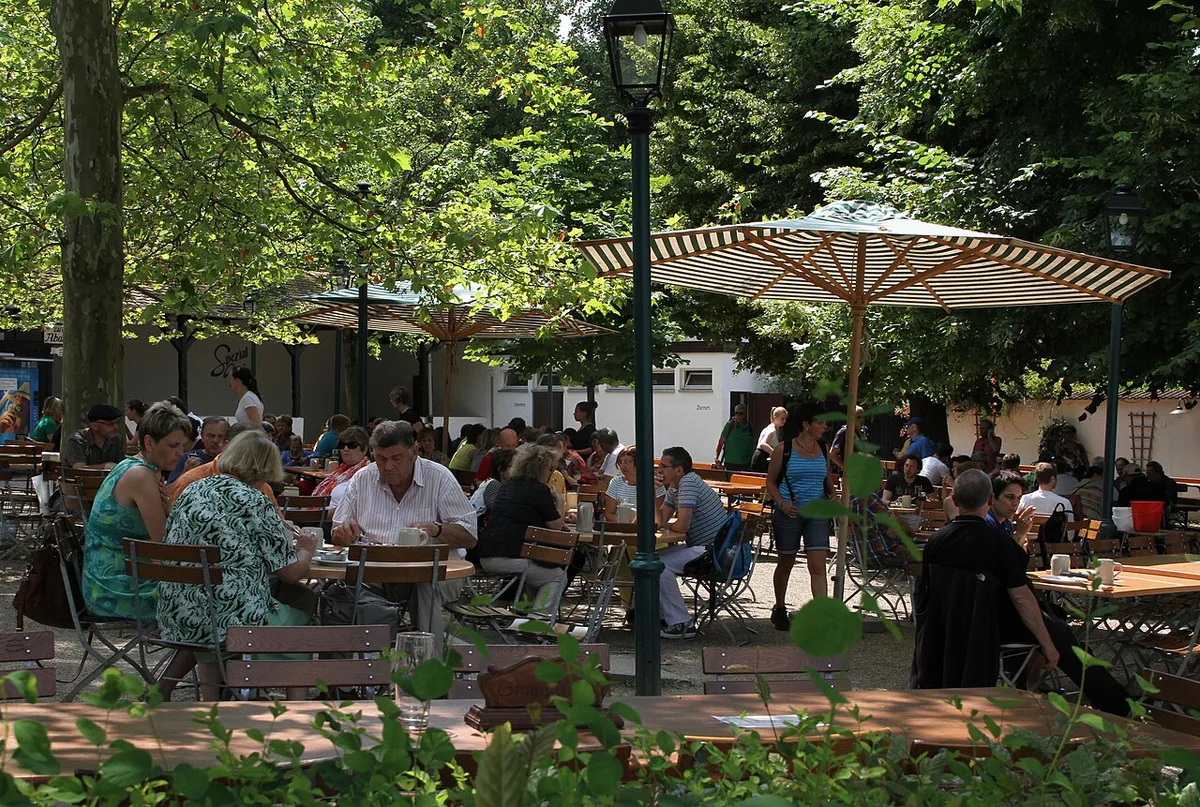
Brauerei Spezial on Obere Königsstraße is the other essential old-town stop, and it is a useful contrast to Schlenkerla. The Beer Trotter's account records that it was founded in 1536 as a smoked-beer brewery and has been in the Merz family since 1898, and describes it as one of the few breweries left kilning its own malt. That long continuity makes it a good place to compare how two houses handle the same smoked-beer tradition differently, and the account notes that most of its small production is sold locally at the brewery tap room.
Not every stop on this route is a smoked-beer house, and that is a feature rather than a flaw. The Beer Trotter's account notes that Spezial's Ungespundetes was the only beer on its menu not brewed with smoked malt, and that Klosterbräu serves no smoked beers at all. Travellers who expect every Bamberg brewery to pour Rauchbier will be surprised; if smoked beer is the point of your visit, attach that expectation to specific houses and use the others to break up the day.
Stop Type 2: The Neighbouring Brewery Quarter
Spezial and Brauerei Fässla sit almost opposite each other on Obere Königsstraße, which makes this short stretch a natural pairing. The Beer Trotter's account records that Fässla dates back to at least 1649, when a cooper bought the property to start a brewery, and that it has been owned by the Kalb family since 1978. Two breweries of that age within sight of each other is the kind of compact cluster that makes this walk work without long transfers. Further visitor details appear in The Beer Trotter: Enjoying a Franken stein in Bamberg.
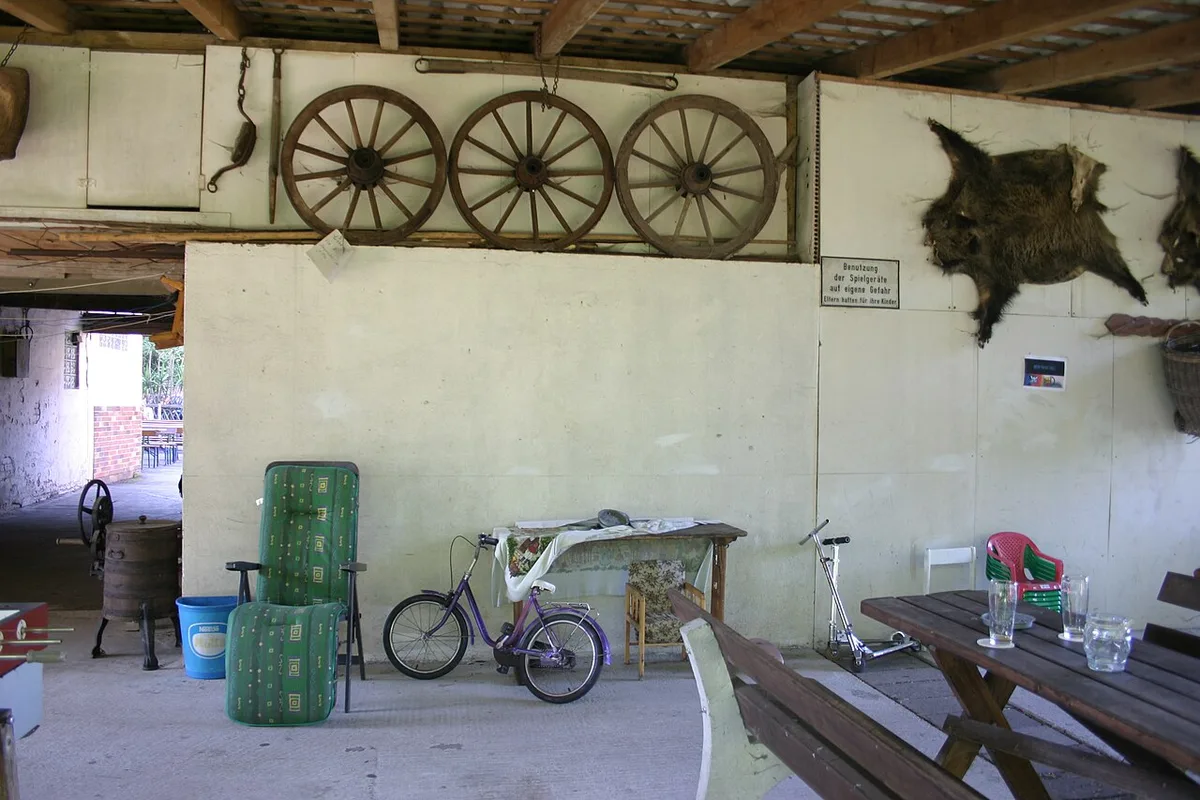
Fässla is a useful counterweight to the smoked-beer houses because the Beer Trotter's account states that it does not brew with smoked malts, so its taps pour clean, malt-forward lagers instead. The same account describes a small outdoor yard behind the pub with shady trees and artwork on the walls, which is a pleasant alternative when the streets are hot or crowded. Ordering here is a good moment to notice the difference between a Rauchbier and a standard Franconian lager side by side.
The practical trade-off in this quarter is time. Doing Schlenkerla, Spezial and Fässla properly is a long afternoon on its own and leaves little room for the hill before the light goes. If you want both the brewery cluster and the Stephansberg terrace, pick two taprooms rather than three and keep the third as a fallback. Bamberger Zwiebel, the stuffed and braised onion dish, is recorded in the Beer Trotter's account as a traditional Franconian order and a sensible way to slow the pace.
Up the Hill: The Stephansberg Panorama Path
The climb to the Stephansberg is the deliberate effort in this route, and the reward is the view back across the old town rather than any single building. Spezial Keller, the Merz family's beer garden on top of the hill, is the classic reason to make the ascent; the Beer Trotter's account describes it as a large biergarten commanding a great view of the city. The same account notes that Schlenkerla's modern brewery and maltings are located on the Upper Stephansberg, which reinforces how tightly the slope is tied to brewing.
The single most important thing to understand about the terraces is that they are weather and season dependent. The Beer Trotter's account recalls arriving at Spezial Keller after the climb only to find a note at the gate saying it was closed until mid October for holiday. A beer garden on a hillside cannot be relied on to be serving on any given day, so building an entire day around one outdoor stop is a risk. Have a plan B in the old town, and check the brewery's own channels for current conditions before you start walking uphill.
The Michaelsberg across the city shows how carefully hilltop sites in Bamberg need to be checked. St. Michael's Monastery Church is currently open only Friday to Sunday and on public holidays from 11 am to 4 pm, while renovation work continues across the site, and the gardens, courtyard and observation deck remain accessible at other times. The monastery is owned by the Bamberg Citizens' Hospital Foundation, which publishes visitor information on reaching the complex on foot or by bus.
Underground Bamberg: What the Old Lager Tunnels Were For
Before mechanical refrigeration, brewers needed cold, stable space, and Bamberg's hills provided it. Schlenkerla's account of the city explains that the tunnel system carved into the slopes was used for food storage as well as for lagering and maturing beer, and that the breweries which could access those tunnels had a real production advantage. This is why the city's brewing map is so closely tied to its geology rather than to a single brewing district.
Access today is not a casual drop-in affair. Schlenkerla states that the tunnel labyrinth is explored through a tour offered by the Bamberg tourism board, and describes itself as the last brewery to preserve the tradition of maturing beer in those tunnels. Because tour schedules and availability change, confirm directly with Bamberg Tourismus rather than assuming a cellar visit is part of any brewery stop.
For a broader context on Franconian brewing, the Franconian Brewery Museum on Michaelsberg is the regional counterpart to the cellar story. It sits in a monastery complex that is itself a major heritage site, so a visit there combines brewing history with architecture. Check current opening arrangements before making the trip, since the Michaelsberg site has undergone extended renovation.
Sequencing Decisions: Climb Before or After the Taprooms
Climbing first suits visitors who want the terrace as a daytime stop with the best light and the fullest menu of seating options. It also means the downhill walk back into town comes when your legs are fresh and you can enjoy the descent. The cost is that you arrive at the old-town taprooms later, when the busiest tables may already be taken.
Doing the taprooms first is the more relaxed version. You warm up with a beer and a meal on level ground, then decide whether you still have appetite for the hill, which makes the day feel less like a fixed itinerary. The risk is daylight: in winter, an afternoon start can leave the uphill stretch in fading light, and the terrace may not be a comfortable place to linger.
Daylight is the deciding factor in practice. Bamberg's autumn and winter days close in early, so a two-layer day of underground history plus a hillside terrace is more realistic in summer than in November. If your trip falls in the darker months, save the terrace for a future visit and put the energy into the old-town taprooms instead.
How Long to Allow, and How to Split the Walk
A comfortable self-guided version of this route, with one taproom stop and a terrace pause, takes roughly a half day of walking and sitting combined. That is a planning estimate rather than an official duration, because how long you spend in each brewery is entirely a personal choice. A speed-focused version with shorter stops is possible but loses much of the point.
If you only have an afternoon, cut the hill rather than the taprooms. Two old-town stops plus a short walk to see the cellar-hillside context gives you the flavour of the beer culture without committing to the ascent. A late arrival can also work in reverse: start with the terrace if it is open, then come down to the old town as the breweries fill up.
If you have a full day, add a non-beer break between the two halves so the route does not become a single long drinking session. The old town has plenty of non-brewery sights within a few minutes of the main streets, and Bamberg's UNESCO-listed centre rewards slow walking. A self-guided old town walk can fill that gap and keep the day varied.
Practical Planning: Transport, Payment and Cards
Bamberg's old town is compact and best covered on foot, but bus line 910 reaches Domplatz, which is useful if you want to start near the cathedral hill or shorten a return leg. The Bavarian Palace Administration lists bus 910 to Domplatz among the directions for the New Residence, and the city's own museum information repeats the same stop for the Historical Museum. Confirm current timetables locally, since services change with the season.
The BAMBERGcard is worth understanding before you assume it covers everything on this route. The Museen der Stadt Bamberg state that holders of the BambergCard enter the Historical Museum free of charge, but that applies to the city's museums rather than to brewery taprooms or terraces. Breweries are businesses, not attractions, so expect to pay separately for anything you drink or eat.
Cash remains the safer default in small Franconian breweries and beer gardens, even where cards are accepted. Prices for beer and food at these houses change over time, so check the current menu at the table or at the door rather than relying on older figures you may have read. The Beer Trotter's 2013 prices, for example, are well out of date and should not be used for budgeting in 2026.
Mistakes to Avoid on the Cellar Walk
The biggest mistake is assuming the terraces will be open. A hillside beer garden is weather and season dependent, and the Beer Trotter's account of finding Spezial Keller closed for holiday shows that even a place that was busy yesterday can be shut today. Build flexibility into the day and keep an old-town alternative in reserve so a closed terrace does not derail the whole plan.
The second mistake is expecting every stop to serve smoked beer. Bamberg has a strong Rauchbier identity, but the Beer Trotter's account notes that Fässla does not brew with smoked malt and that Klosterbräu serves no smoked beers at all, while Spezial's Ungespundetes is its only non-smoked offering. Some visitors also find the smoke flavour far stronger than they imagined. Order a small measure first if you are unsure, and use the non-smoked houses as palate breaks.
The third mistake is skipping the ascent entirely. The climb is what separates this walk from a normal pub crawl, because the view over the old town is what ties the brewing geography together in your head. Even a short visit to the upper path, without committing to a long terrace session, is worth the effort if your legs and the weather allow it.
Extending the Walk Beyond the Breweries
Bamberg's old town has enough within a short radius to turn a beer-focused walk into a full day of sightseeing. The Altes Rathaus on its artificial island in the Regnitz, the cathedral and the surrounding cathedral square, and the half-timbered lanes of Little Venice are all within easy walking distance of the brewery streets. These are public spaces with no entry requirement, so you can fold them into the route without booking anything.
Ticketed interiors are a separate decision, and Bamberg does not sell one ticket that covers everything. The Historical Museum in the Alte Hofhaltung is open Tuesday to Sunday and public holidays from 11 am to 5 pm, with adult admission of 8 euros and free entry for children and young people up to 18, according to the Museen der Stadt Bamberg. The New Residence is a separate ticket: the Bavarian Palace Administration lists 2026 admission at 7 euros regular and 6 euros reduced, with children under 18 free and tours of the Prince-Bishop's Apartment in German every half hour during opening hours.
For a wider plan, mixing the brewery walk with the city's landmark and itinerary guides helps you avoid duplicating stops and gives you a sensible order when you only have one day. Bamberg's UNESCO-listed centre rewards a slower pace, and pairing the beer route with a general orientation walk is a reasonable way to see both without rushing either.
Plan Your Bamberg Beer Cellars Walk
The most useful way to plan this walk is to separate the three layers: the underground tunnels you see only on an organised tour, the old-town taprooms you can visit independently, and the hillside terraces that depend on weather and season. Treat the route as a flexible suggestion, and leave yourself the option to cut the climb if conditions or energy are against you.
Before you go, check the Bamberg tourism website for current tour offerings and the breweries' own channels for terrace conditions and menus. Confirm museum opening times separately if you plan to add a ticketed interior, and carry some cash for small houses. With those checks done, the walk itself is simple: start level, climb when you are ready, and let the view over the old town be the end of the route.
Frequently Asked Questions
Can you visit Bamberg's historic beer cellars?
The old lager tunnels are not open for casual drop-in visits. Schlenkerla describes the hillside tunnel system as something explored through a tour offered by the Bamberg tourism board, and states that it is the last Bamberg brewery to preserve the tradition of maturing beer in those tunnels. Check with Bamberg Tourismus for current tour availability rather than assuming a brewery stop includes a cellar visit.
What is a popular smoked beer from Germany?
Bamberg is the best-known home of Rauchbier, and Aecht Schlenkerla is the brand most travellers associate with the style. Brauerei Spezial is another long-established Bamberg house that the Beer Trotter's account records as founded in 1536 as a smoked-beer brewery and kilning its own malt. Not every brewery in the city uses smoked malt, so attach the expectation to specific houses rather than to Bamberg brewing as a whole.
How long does a Bamberg brewery walk take?
A relaxed self-guided version covering one or two old-town taprooms plus the Stephansberg terrace fits into roughly a half day of walking and sitting, though this is a planning suggestion rather than an official figure. Shorter versions that skip the hill can be done in an afternoon. How long you actually spend depends on how much time you give each brewery and how long you linger over the view.
Do you need a tour to see Bamberg's brewery cellars?
For the underground tunnels, yes, access comes through an organised tour rather than a self-guided walk. The taprooms and terraces themselves need no booking, though table reservations at popular houses can help at busy times. If seeing the cellars is a priority, contact Bamberg Tourismus directly to check what is currently running.
Which Bamberg breweries are close together in the old town?
Brauerei Spezial and Brauerei Fässla sit almost opposite each other on Obere Königsstraße, according to the Beer Trotter's Bamberg account, which makes them a natural pairing on foot. Schlenkerla's taproom on Dominikanerstraße is a short walk away in the same old-town area. Together these three give you a compact brewery cluster before you commit to the uphill walk to the Stephansberg terraces.
When are Bamberg's hillside beer gardens open?
Hillside terraces are outdoors and depend on weather and season, so they are not guaranteed to be serving on any given day. The brewery's own channels are the best place to check before you commit to the climb, and it is wise to keep an old-town alternative in mind. In colder months, treat the terrace as a bonus rather than the main event.
Sources
- Bamberg Tourismus
- Discover Bamberg, the UNESCO World Heritag in Germany (Bavaria)
- The Beer Trotter: Enjoying a Franken stein in Bamberg
- Bavarian Palace Administration | Palaces | Bamberg New Residence
- St. Michael's Monastery - Bamberg Tourismus
- General information
- Informationen zum Historischen Museum Bamberg | museum.bamberg - Museen der Stadt Bamberg


