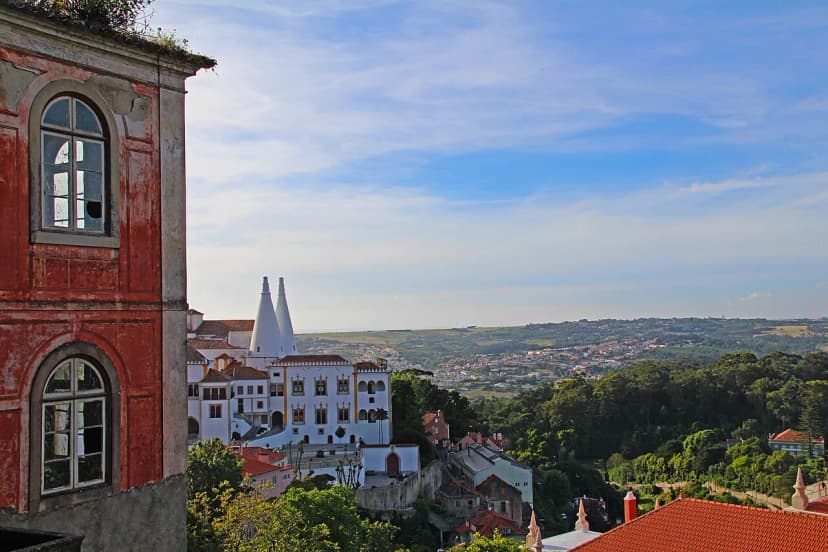

Last updated July 2026. Where to stay in Lisbon depends on a trade-off many guides skip: hill-climbing versus atmosphere. Seven neighborhoods compete for your nights, from flat Baixa to cliffside Alfama, and each changes your daily walk, noise level, and metro access. This guide ranks them by traveler type, names vetted hotels in each one, and adds 2026 transit and terrain notes.
Lisbon Geography 101: The Seven Hills Reality Check
Lisbon spreads across seven hills above the Tagus River (Rio Tejo). Its historic core sits between the flat downtown grid of Baixa and the steep lanes of Alfama and Bairro Alto. Central doesn't automatically mean easy walking here. Baixa was rebuilt on a flat grid after the 1755 earthquake, while Alfama and Bairro Alto climb hillsides with narrow, uneven, cobbled streets. Historic elevators and funiculars exist specifically to solve this problem, carrying pedestrians up the steepest connector streets between the lower town and the hilltop districts. If you have mobility concerns or heavy luggage, elevation matters more than raw distance from Praça do Comércio. The neighborhood-by-neighborhood breakdown covers each district's culture and character in more depth. Three factors matter most when you compare areas. Every entry below rates all three, and the comparison table further down puts them side by side. Short trips call for a central base. The single-day itinerary planning assumes you're staying in Baixa or Chiado. Same goes for two-day trip planning. Check how many days to plan before ruling out a quieter base. Longer stays open up options like Príncipe Real or Estrela. Pairing your pick with lesser-known Lisbon spots helps you decide how far from the center to base yourself.
| Traveler Type | Best Area | Why |
|---|---|---|
| First-timers | Baixa or Chiado | Flat or gently sloped, close to major sights, easiest to navigate |
| Nightlife seekers | Bairro Alto or Cais do Sodré | Steps from bars and fado clubs; expect noise late into the night |
| Luxury and shopping | Avenida da Liberdade | Wide boulevard, international flagship stores, 5-star service |
| Design-led, quieter stay | Príncipe Real | Concept stores, garden squares, calmer than downtown |
| Old-world atmosphere | Alfama | Medieval alleys, fado music, steep uneven cobbles |
- Hill Factor
- How much climbing you'll do to reach your hotel from the nearest transit stop.
- Noise Level
- How loud your street gets after dark, from quiet residential blocks to nightlife corridors.
- Transit Connectivity
- How easily you reach the Metro versus relying on Tram 28 or a taxi.
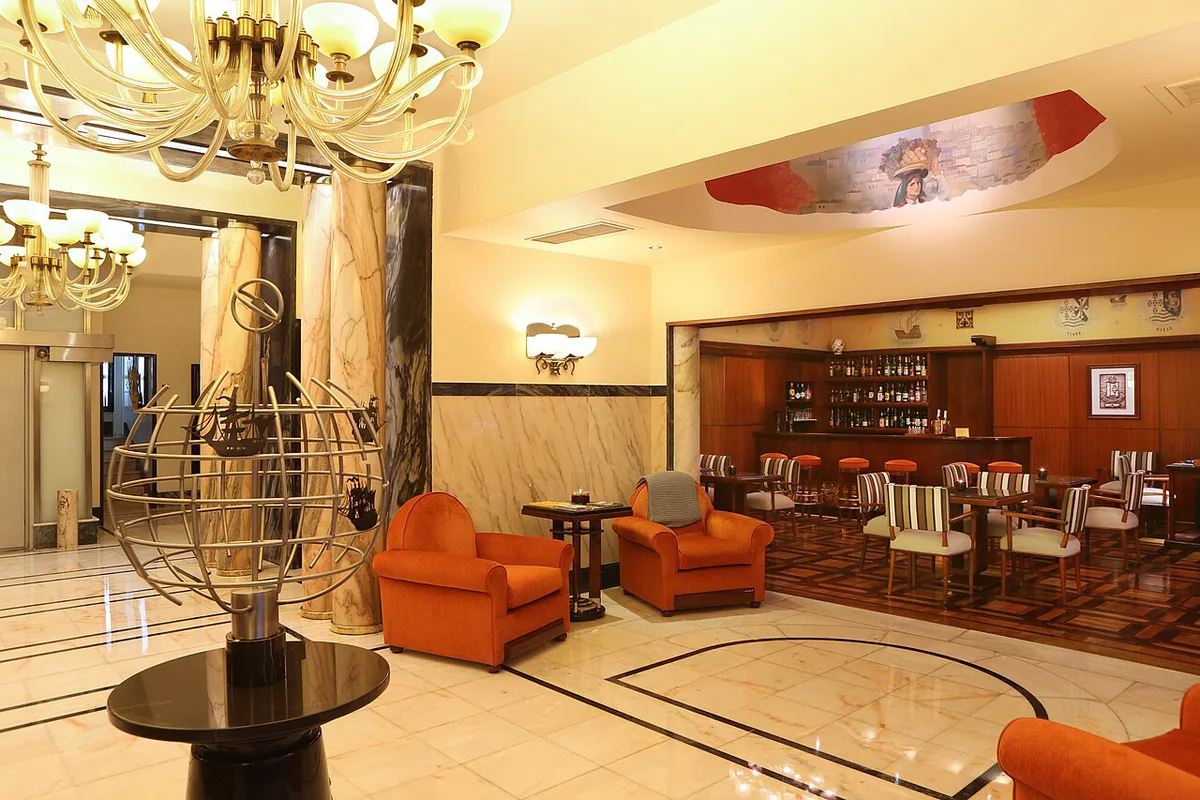
7 Best Neighborhoods for Where to Stay in Lisbon
The seven areas below cover the realistic range of first-time, repeat, family, and nightlife trips to Lisbon. Each entry names the hill factor, the trade-off, and at least one vetted hotel with a 2026 price point where one is publicly listed.
- Baixa — Flattest Base for First-Time Visitors
- Baixa's grid was rebuilt flat after the 1755 earthquake, making it the easiest central district to navigate with a suitcase. Praça do Comércio itself ranks among the free activities in the city.
- It sits a short walk from Rossio, with metro and Tram 28 connections nearby. The trade-off is heavy tourist density and traffic noise on the wider streets.
- AlmaLusa Baixa/Chiado overlooks Praça do Município with historic-square views, while Hotel Lis Baixa runs $150-$200 a night for a simpler, central option. Families managing strollers benefit from the flat terrain, covered further in the family travel notes.
- Chiado — Elegant and Walkable, Slightly Uphill
- Chiado sits just above Baixa, with patterned pavements, historic cafés, and small museums.
- Two metro lines plus Tram 28 pass through, making this one of the best-connected districts for walking to sights. Streets climb gently and the area gets crowded in peak season.
- Dear Lisbon – Palace Chiado Suites offers a quiet palace-conversion stay with views toward Castelo de São Jorge. The Ivens, an Autograph Collection hotel, suits Marriott Bonvoy members who want a boutique feel in the same neighborhood. Both sit steps from nearby restaurant picks.
- Bairro Alto — Best for Nightlife, Worst for Light Sleepers
- Bairro Alto climbs a steep hill just north of Chiado, staying quiet by day but filling with fado clubs and bar crowds after dark.
- Street noise runs late most nights, so this district suits nightlife-focused trips more than families or light sleepers. It's covered in more depth in the nightlife options after dark guide.
- Bairro Alto Hotel overlooks Praça Luís de Camões with a five-star rooftop terrace, a strong pick for nightlife access without a long climb from the Chiado metro. The terrace also ranks among the city's sunset-watching spots.
- Príncipe Real — Quieter, Design-Led, and Hilly
- Príncipe Real sits north of Bairro Alto on higher ground, with garden squares, concept stores, and a more residential feel than downtown.
- It's hillier and pricier than Baixa, but the trade-off is a quieter night's sleep. Several dining options nearby sit within walking distance.
- Memmo Príncipe Real overlooks the Tagus from higher ground with a glass-and-limestone design, and Hotel Alegria runs in the $175-$250 range for a brighter, boutique alternative.
- Avenida da Liberdade — Boulevard Luxury and 5-Star Comfort
- Avenida da Liberdade is Lisbon's grand boulevard, lined with international flagship stores and 5-star hotels, and it suits business travelers or classic-luxury stays over boutique charm.
- Four Seasons Hotel Ritz Lisbon anchors the top end here. Torel Palace Lisbon, set across two historic palaces with rooftop views, offers a quieter, more romantic alternative.
- Points travelers have real options too: Convent Square Lisbon, part of IHG's Vignette Collection, and Heritage Avenida Liberdade both sit along the boulevard near metro access.
- Alfama — Medieval Streets, Steepest Climbs
- Alfama is one of the few districts that survived the 1755 earthquake largely intact, with narrow alleys, fado music, and views toward Castelo de São Jorge. Several of those viewpoints appear in the top city viewpoints guide.
- Streets are steep, cobbles get slippery, and cars or ride-shares often can't reach the doorstep. Pack light and expect real stair-climbing on the walk in.
- Santiago de Alfama occupies a restored palace with 19 individually shaped rooms, and Pousada de Alfama runs about $200 a night for a more central, modern option.
- Estrela & Alcântara — Quiet, Residential, and Better for Longer Stays
- Estrela is calm and residential, reachable by the historic Tram 28, and suits repeat visitors or longer stays more than first-time sightseeing trips.
- Alcântara sits near the river and LX Factory, with a more industrial-cool feel than the historic center, and it's a practical base for exploring Belém on foot.
- MACAM Hotel, an art-focused property in Alcântara, puts Ponte 25 de Abril views and Belém's museum options within easy walking reach.
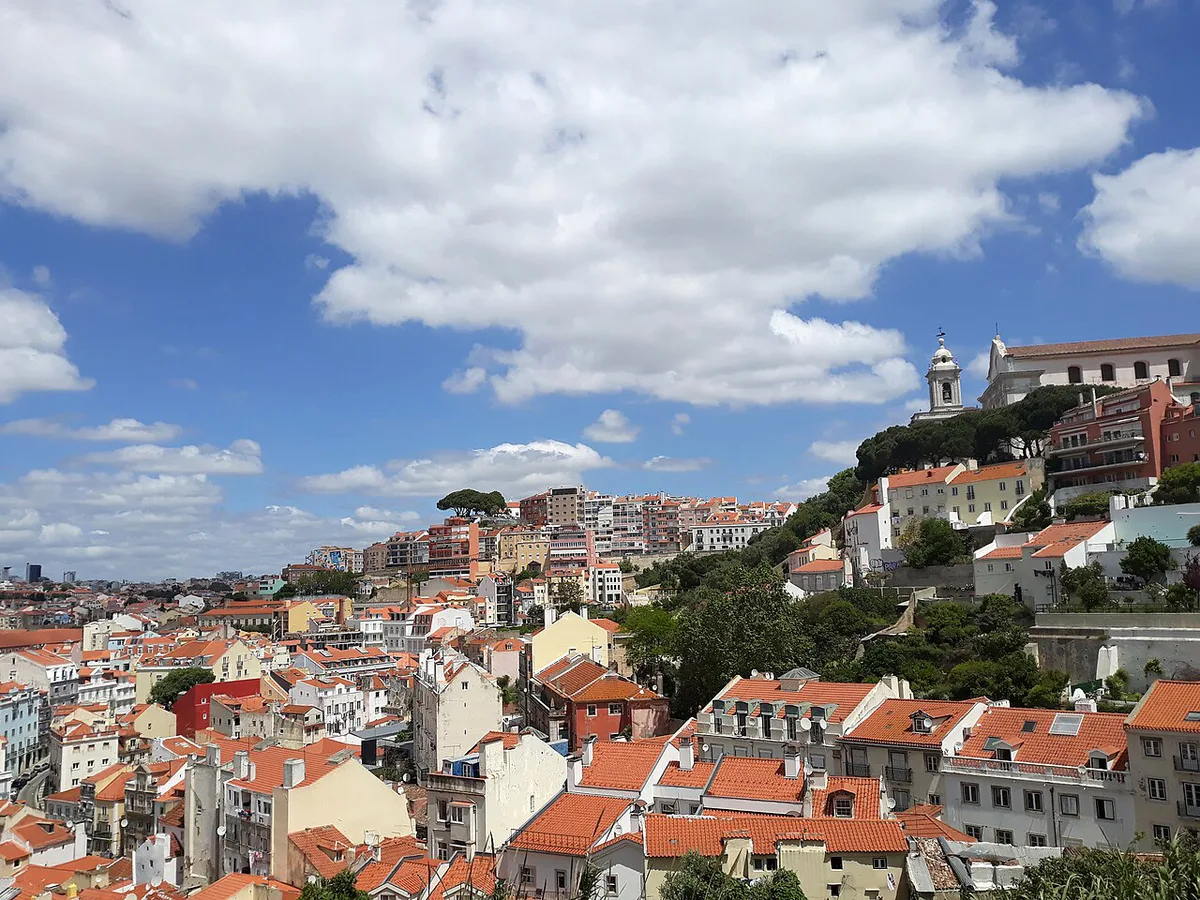
Noise, Hills, and Transit: Comparing the Trade-Offs
Hill factor, noise, and transit access don't always move together. The table below compares all seven areas side by side, so you can weigh atmosphere against effort before you book. Alfama and Bairro Alto trade the most effort for the most atmosphere. Baixa and Avenida da Liberdade trade some character for ease of movement. Príncipe Real and Estrela sit in between, quieter than downtown but still workable on foot for most travelers.
| Neighborhood | Hill Factor | Noise Level | Transit Access |
|---|---|---|---|
| Baixa | Flat | Moderate (foot traffic, some street noise) | Metro-served, Tram 28 nearby |
| Chiado | Gentle slopes | Moderate to high in peak season | Two metro lines, Tram 28 |
| Bairro Alto | Steep | High after dark | Walk to Chiado metro, Tram 28 access |
| Príncipe Real | Hilly | Quiet, residential | Metro-served, less tram reliance |
| Avenida da Liberdade | Flat boulevard | Moderate (traffic) | Metro-served along the avenue |
| Alfama | Very steep, uneven cobbles | Low to moderate, local | Tram 28 dependent, limited car access |
| Estrela & Alcântara | Some hills (Estrela), flatter riverside (Alcântara) | Quiet, residential | Tram 28 (Estrela), bus or taxi (Alcântara) |
Lisbon Airport Hotels: When They're Worth It
Airport hotels rarely make sense for a first Lisbon trip. They solve one specific problem: an early flight out or a late arrival with no energy for a transfer into downtown. Star Inn Lisbon Airport sits within walking distance of the terminal, trading neighborhood atmosphere for a short walk to security. Book one night here at most, then move into the city for the rest of your stay. Airport hotels have no restaurants, shops, or sights nearby beyond the terminal itself.
Is Lisbon Walkable? Cobblestones, Metro, and Ride-Shares
Lisbon is walkable in the flat districts and demanding in the hilly ones. Calçada Portuguesa, the traditional patterned paving, looks attractive but turns slick after rain. On inclines like Alfama or Bairro Alto, ordinary sandals become a liability. Comfortable, closed-toe shoes with real tread make the difference between an easy stroll and a slow, careful shuffle. The Metro handles longer hops between neighborhoods fast and cheaply. Bolt and Uber work better late at night or when you're hauling luggage up a hill the Metro doesn't reach. If you'll ride public transport often, weigh Lisbon Pass value against paying per trip before you commit to a base neighborhood. Families managing strollers should stick to flatter routes through Baixa or Avenida da Liberdade. Travelers building a fuller schedule can cross-check timing against the three-day itinerary timing.
Mistakes to Avoid When Choosing Where to Stay
A few recurring mistakes account for most disappointing Lisbon stays, and each one is avoidable with a little planning.
The 1755 earthquake rebuilt Baixa flat but left Alfama and Bairro Alto with steep uneven streets; travelers to Alfama should pack a backpack instead of rolling luggage.
- Booking Bairro Alto as a light sleeper
- Bairro Alto's bars and fado clubs run loud into the night, so light sleepers should choose Chiado, Baixa, or Príncipe Real instead.
- Underestimating Alfama's cobbles with heavy luggage
- Steep, uneven streets and limited car access make rolling suitcases hard work. Pack a backpack or budget extra time for the walk in.
- Picking a hillside hotel without checking elevation
- Listing photos rarely show gradient, so cross-check the address against the local neighborhood guide before booking if stairs are a concern.
- Assuming every central address covers day trips too
- Chiado and Baixa cover most sights on foot, but Sintra and Cascais still need separate transit. Check the Sintra and Cascais day trips guide before planning those days.
Cais do Sodré — Flat Nightlife Base with Excellent Transport
Cais do Sodré suits travelers who want nightlife without Bairro Alto’s steep climb. The riverside streets are mostly flat, but Rua Nova do Carvalho, known as Pink Street, stays noisy after dark.
The neighborhood is one of Lisbon’s strongest transport bases. Cais do Sodré station connects to the Green Line metro and trains toward Belém, Cascais, and Estoril. Ferries also cross the Tagus River to Cacilhas, making waterfront day trips straightforward.
Time Out Market and the bars around Praça de São Paulo keep the area busy into the night. Light sleepers should avoid rooms facing Pink Street or the station approaches. Look west toward Santos for calmer evenings while retaining easy access to the center.
LX Boutique Hotel sits opposite the station and works well for short, transit-heavy trips. Corpo Santo Lisbon Historical Hotel offers a more polished stay near the waterfront. Choose Cais do Sodré over Bairro Alto when flat terrain and regional train access matter more than hilltop atmosphere.
Frequently Asked Questions
What's the best area to stay in Lisbon for a first visit?
Baixa or Chiado work best for a first visit. Both sit flat or gently sloped, put most major sights within walking distance, and connect to the rest of the city by metro and Tram 28.
Is Alfama a good place to stay in Lisbon?
Alfama suits travelers who prioritize atmosphere over convenience. Expect steep, slippery cobbles and limited car access, so pack light and confirm your hotel's exact access route before booking.
Is Bairro Alto too noisy for a good night's sleep?
Bairro Alto gets genuinely loud after dark, since bars and fado clubs run late most nights. Light sleepers do better in Chiado, Baixa, or Príncipe Real.
Are Lisbon airport hotels worth booking?
Airport hotels like Star Inn Lisbon Airport only make sense for an early flight out or a late arrival. Book one night there at most, then move into the city for everything else.
How many days should you plan for Lisbon, and does that change where to stay?
Shorter trips favor a central base in Baixa or Chiado, since you won't have time to backtrack across hills. Longer stays let you consider quieter areas like Príncipe Real or Estrela; check the trip-length guide before you decide.
What's the quietest area to stay in Lisbon?
Príncipe Real and Estrela are the quietest central-ish options. Both sit away from the main nightlife corridors, and Estrela adds tram access without the crowds of downtown.