

Krakow's Old Town survived the Second World War almost untouched, so its Gothic towers still look ready for a postcard. Photographers gravitate toward the same dozen corners, from the twin spires of St. Mary's Basilica to a flooded limestone quarry on the city's edge. This guide sorts the strongest picks into four groups, so a short afternoon walk or a full weekend both have a workable plan.
Wawel Royal Castle sets the pace here, since its hilltop grounds are free but the paid routes inside cost extra. Those paid routes run roughly 15 to 90 PLN depending on which rooms are included, current as of 2026. The complex opens most days from 9am, though exact hours shift by season, so confirm the current schedule before climbing the hill. Budget about 45 to 60 minutes for a focused loop through the Main Market Square alone, longer if the light is good.
The twelve spots below split into four types: Old Town icons, Kazimierz and Podgorze street scenes, panoramic viewpoints, and indoor or offbeat picks. They run in that order, so match a cluster to whichever neighborhood is closest to where the day already has you standing. For the wider list of Krakow's headline sights beyond photography, the Krakow attractions guide fills in what's happening at each one.
12 Best Photo Spots in Krakow, Grouped by Neighborhood
Old Town icons open the list, since they're unmissable and close enough together to shoot in a single morning. Kazimierz and Podgorze follow, covering the street life and quieter memorial sites south of the river. Panoramic viewpoints come next, followed by two indoor stops and one offbeat neighborhood for days when the weather turns.
Each entry below covers what the spot looks like, roughly what it costs, and the best time to show up. Prices in Krakow shift often, so treat every figure here as a starting point rather than the final word for 2026. Opening hours listed are typical patterns rather than guarantees, and a few sites close entirely on Mondays.
Locals know the difference between a spot that photographs well at any hour and one that only works during a narrow window of light. That distinction gets called out item by item below, along with why each one earns its place on the list. Anyone short on time should prioritize the first four entries and treat the rest as bonus stops.
A tripod is rarely a problem outside the cathedral interiors, though flash photography is banned in every museum on this list. Sunrise thins the crowds fastest in the Main Square, while sunset works best from the riverside spots west of Wawel. More hidden corners beyond this list sit in the hidden gems in Krakow guide.
- St. Mary's Basilica and the Main Market Square
- The basilica's two mismatched Gothic towers have anchored Krakow's skyline since the 14th century.
- A trumpeter still plays a bugle call from the taller tower on the hour, a genuine local tradition.
- Arrive right at sunrise to have the cobbled square nearly empty before the first tour groups appear.
- The square itself is free, and a small ticketed fee covers the basilica's interior altar viewing.
- Cloth Hall Arcades (Sukiennice)
- This Renaissance trading hall sits at the center of the square, rebuilt in the 16th century.
- Look for the stone arches on both long sides, useful for framing shots of the towers.
- Stalls inside sell amber jewelry and wooden crafts, free to browse or shoot from the arcade.
- The upper floor houses a 19th-century Polish art gallery, separately ticketed.
- Wawel Royal Castle Courtyard and Cathedral Tower
- Poland's former royal seat sits on a limestone hill above the Vistula, on the UNESCO list since 1978.
- The inner courtyard's arcaded galleries are free to enter and photograph without a ticket.
- Climbing the cathedral's bell tower costs a small fee and rewards the climb with rooftop views.
- Grounds open around 9am most days, though paid interiors close earlier and shut on select Mondays.
- Szeroka Street and the Kazimierz Synagogues
- Kazimierz's widest square doubles as an open-air market by day and a strip of bars by night.
- Seven historic synagogues sit within a few blocks, several still holding services for a small fee.
- Golden-hour light hits the pastel facades hardest in late afternoon, once the square empties out a little.
- The district connects easily to Podgorze on foot, a natural pairing with the next two stops.
- Bernatek Footbridge's Suspended Acrobats
- This pedestrian bridge over the Vistula is studded with suspended acrobat sculptures, a favorite dusk silhouette.
- It links Kazimierz to Podgorze and takes about five minutes to cross on foot.
- Crossing is free at any hour, and the figures are lit after dark for a different shot.
- The far bank opens onto Podgorski Square, a quieter frame for the same skyline.
- St. Joseph's Church, Podgorze
- This neo-Gothic parish church's red brick facade and twin turquoise spires stand out against Podgorze's low rooftops.
- It sits on the square where deportations from the wartime ghetto once began, giving it real weight.
- Interior visits are free outside of Mass times, typically weekday mornings and early evenings.
- Shoot from across the square an hour or two after sunrise for even light on the facade.
- Krakus Mound's Ancient Earthwork
- This earthen mound predates the modern city, dated by archaeologists to somewhere between the 7th and 10th centuries.
- Local legend ties it to the mythical King Krak, Krakow's namesake founder.
- The short, steep climb is free and the mound never officially closes.
- From the summit, Wawel Castle lines up almost directly across the river, a strong sunset silhouette.
- Debnicki Bridge Wawel Panorama
- This road bridge over the Vistula offers the widest single view of Wawel Castle's full profile.
- Shoot from the pedestrian walkway on either side, free and open around the clock.
- Evening light works best, when the castle's floodlighting kicks in against a darkening sky.
- The nearest tram stop sits a five-minute walk away on the Kazimierz side of the river.
- Zakrzowek Lake's Flooded Quarry
- This flooded former limestone quarry has turquoise water ringed by pale cliffs a short ride from downtown.
- Swimming areas with floating docks open seasonally in summer, while the trails stay accessible year-round.
- Entry is free, and the light is strongest in late afternoon, when the cliffs catch a warm glow.
- It's a longer trip than the other entries, so pair it with the day's last stop instead.
- muWi Stained Glass Museum
- Housed in a working stained-glass workshop running since 1902, muWi is the oldest of its kind in Poland.
- Visitors can watch artisans at work and photograph finished panels lit from behind, a rare indoor light source.
- A modest admission fee applies, and tours run on a set schedule rather than free wandering.
- It's a solid rainy-day stop when the Old Town's outdoor light isn't cooperating.
- Metrum Restobistro Rooftop Terrace
- This cafe sits on the sixth floor of the Academy of Music, reached by an unmarked entrance.
- The terrace looks straight across the rooftops toward St. Mary's Basilica and the river beyond.
- It typically opens for breakfast and stays open into the early evening, closing around 6pm.
- Order a coffee to justify the table, since it's a working cafe rather than a public viewpoint.
- Nowa Huta's Plac Centralny
- Built in the 1950s as a planned socialist-realist district, Nowa Huta reads like a different city entirely.
- Plac Centralny's wide radial streets and monumental facades photograph best with a wide lens and long shadows.
- The tram ride out from the center takes about 20 to 25 minutes each way.
- Pair it with a walk to the Arka Pana church, one of the district's few religious landmarks.
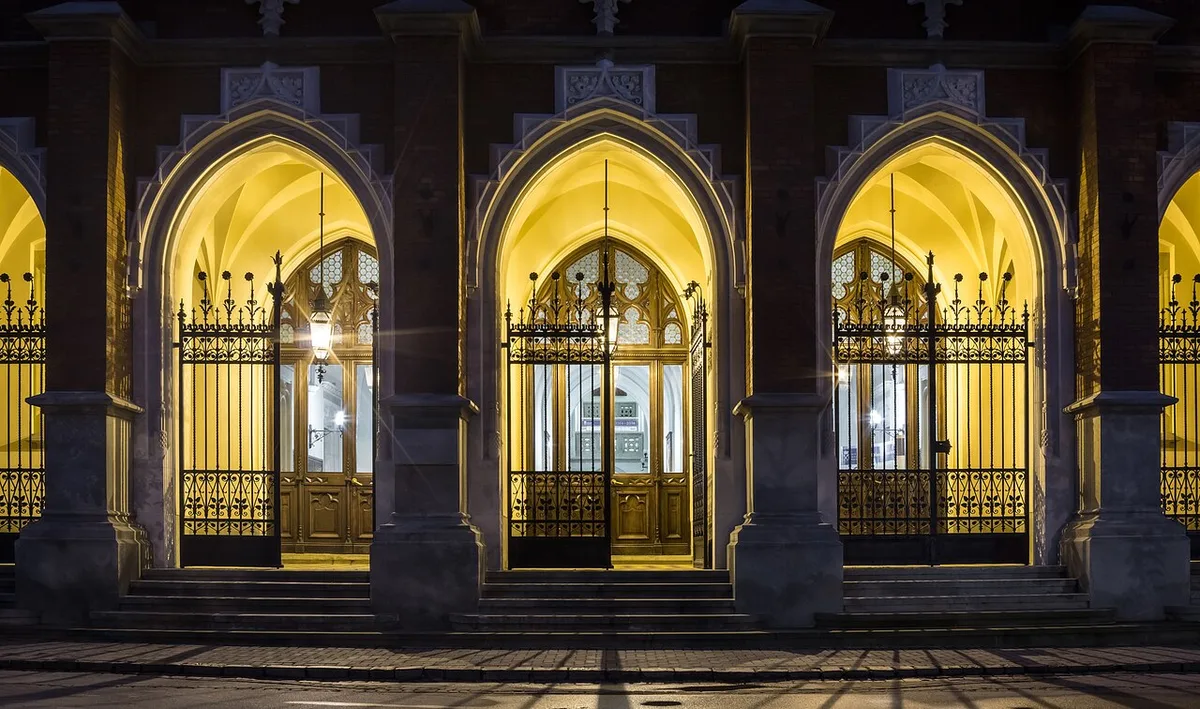
What to Skip and How to Time Golden Hour
Not every spot that shows up on Instagram earns the walk, and two recurring picks deserve a second look first. The line for a photo beside the Wawel Dragon statue often runs 20 minutes or longer for a shot with little unique framing. Skipping it frees up time for the castle courtyard above, which photographs better and costs nothing extra.
The Rynek Underground Museum is genuinely worth visiting, but photography is restricted below ground, so it's not a spot to plan camera time around. Save the visit for later in the day and spend the morning light on the square instead. A rushed visit trying to do both rarely does either justice.
Sunrise, roughly 4:30am in June and closer to 7:30am in December, clears the Main Square before the first walking tours arrive. Sunset works better across the river, since Debnicki Bridge and Krakus Mound both face west toward the castle. Blue hour, the 20 minutes after sunset, is when Wawel's floodlights and the sky balance best for a longer exposure.
Sunrise in Krakow starts around 4:30am in June and 7:30am in December. Arriving by 7am clears the Main Square before the first walking tours arrive, and most photo spots reward an early start anyway.
A longer rundown of sunset-specific spots and timing across the whole city sits in the where to watch sunset in Krakow guide. Overcast days aren't wasted either, since flat light suits the muted brick and stone of the Old Town well. Rain even helps a little, adding reflections to the market square's wet cobblestones.
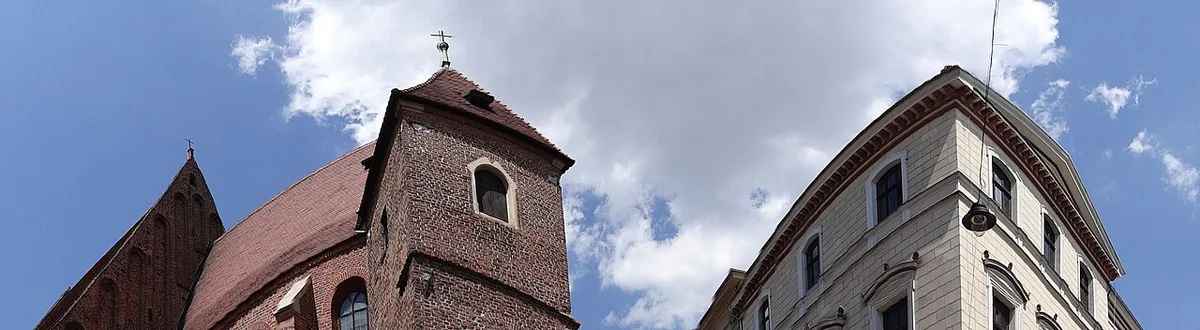
Photographing the Podgorze Ghetto Wall and Plaszow Respectfully
Two short fragments of the wartime ghetto wall still stand in Podgorze, on Lwowska street and a longer section on Limanowskiego street. Both are freely accessible and unticketed, set into otherwise ordinary residential streets. The wall's arched top was shaped to resemble tombstones, a detail worth including in a wider shot rather than a tight crop.
A memorial plaque at the site names the people held here before deportation, so treat the visit as a memorial rather than a backdrop. Posed or celebratory photos in front of the wall read as disrespectful to most visitors and to the neighborhood around it. A quiet, documentary approach, with wide shots that include the plaque's text, fits the site better than a portrait-style photo.
Further along the same path sits Liban Quarry and the remains of the Plaszow camp, now a quiet nature reserve with informational markers. The site appears in Schindler's List, though the film crew built a replica camp rather than shooting inside the real remains. Both sites sit an easy walk from Krakus Mound, so the three pair naturally into one afternoon route.
How Many Days Do You Need for a Krakow Photo Walk?
A single focused day covers the Old Town cluster and Kazimierz comfortably, starting at sunrise on the Main Square. Two days allow a slower pace, adding Podgorze's memorial sites and one of the farther viewpoints without rushing. Three days fit everything on this list, including the longer trip out to Zakrzowek or Nowa Huta.
A day-by-day breakdown of sights, food, and transit together sits in the one day in Krakow itinerary. It's a useful pairing guide for anyone stacking photo stops with everything else on a short visit. Families juggling nap times or shorter attention spans might prefer a slower two-day version instead.
Poor weather doesn't have to cancel a photo day, since several stops on this list work indoors or under cover. The Krakow on a rainy day guide lists the museums and covered spaces that hold up best when the forecast turns. muWi's stained glass panels, in particular, photograph better on an overcast day than a bright one.
Is Krakow Worth Visiting for Photography?
Krakow rewards photographers more consistently than most European capitals its size, mostly because so much of the Old Town survived intact. The compact center means most of this list sits within a 20-minute walk of the Main Square. Only Zakrzowek and Nowa Huta require a tram or short taxi ride.
Anyone chasing panoramic shots specifically should also check the best viewpoints in Krakow guide, covering towers and mounds beyond the picks here. Between the two lists, there's enough material for a multi-day photo itinerary without repeating a single spot. Even a rushed weekend trip can walk away with a genuinely varied set of shots.
The honest downside is crowding, since the Main Square and Wawel Castle draw heavy tour-group traffic by mid-morning. That's manageable with an early start, and most of the list here rewards showing up before 9am anyway. Winter thins the crowds further, though shorter daylight hours mean a tighter window for outdoor shots.
Frequently Asked Questions
What is the best time of day for photos in Krakow?
Sunrise clears the Main Square of crowds fastest, especially in summer when tour groups arrive by mid-morning. Sunset works best from the riverside, facing Wawel Castle from Debnicki Bridge or Krakus Mound. Blue hour, right after sunset, balances the castle floodlights against the darkening sky.
Is Zakrzowek Lake free to visit for photos?
Yes, entry to Zakrzowek is free year-round, though the fenced swimming pools only operate in summer with lifeguards on duty. The cliffs and trails around the lake stay open regardless of season. Late afternoon light gives the turquoise water its strongest color.
Do I need a ticket for these photo spots?
Most locations here, including Krakus Mound, the market square, and the ghetto wall fragments, are free to visit. Paid stops are limited to Wawel's interior rooms, the cathedral tower, and the muWi museum tour. Travelers stacking several paid sights might find the Krakow Pass worth comparing against single tickets.
Where's the classic postcard shot of Wawel Castle from?
The widest, most complete view of the castle's profile comes from Debnicki Bridge, looking east across the Vistula. Krakus Mound offers a similar angle from slightly further south. Both spots are free and work well at sunset when the castle is floodlit.
Is it okay to photograph the Podgorze Ghetto Wall?
The wall fragments are public and open to photography, but the site functions as a memorial rather than a backdrop. Posed or celebratory shots are considered disrespectful by most visitors. A quiet, documentary approach that includes the plaque's text fits the location better.
Krakow doesn't need a long lens or a dawn alarm to reward a camera, though both help. The strongest shots here mix the obvious icons with the quieter corners of Kazimierz, Podgorze, and the city's edge. Start with whichever cluster sits closest, and let the light decide the rest of the route.
Bring a spare camera battery for the colder months, since Krakow winters drain them fast. Check current 2026 prices and hours before heading out, since several sites on this list adjust both by season.