

Krakow's skyline rewards anyone willing to climb a tower, a mound, or even a tethered balloon. The city's flat river basin means even modest heights open up sweeping views of red rooftops and church spires. This guide rounds up the ten spots that offer the best angle on the city for every kind of visitor.
A ticket to St. Mary's Basilica's Bugle Tower runs about 15-20 PLN, though the climb closes through the coldest winter weeks. Updated for 2026, this list covers current prices, hours, and a few backup options for when the classic towers are shut. Every entry below covers what it costs, when it's open, and how to actually get there.
Some picks are grand and historic, like the Wawel Cathedral bell tower. Others are modern additions, including a helium balloon that lifts riders above the Vistula. A few, like the ancient earthen mounds, cost nothing at all. For the full rundown of Krakow's headline sights, the Krakow attractions guide fills in what's happening at ground level.
10 Best Viewpoints in Krakow Worth the Climb
Krakow packs an unusual range of vantage points into a compact old city. Medieval stone towers sit within walking distance of Bronze Age burial mounds and a modern balloon ride. That mix means there's a workable view whatever the season, budget, or mobility level.
A quick warning first: both of the Main Square's towers close through the depths of winter. Ice on the narrow stone steps makes the climb unsafe for staff and visitors alike. Travelers visiting between December and February should treat the mounds and the Divine Mercy tower as the reliable backups instead.
The list below runs roughly from the historic center outward, ending with the wilder, quieter options. Each entry includes what it costs, when it's typically open, and the easiest way to reach it. Prices shift often in Krakow, so treat every figure here as a starting point rather than the final word.
- St. Mary's Basilica Bugle Tower
- The Bugle Tower rises 82 metres above the Main Square, the taller of the basilica's two spires.
- Reaching the top means climbing 239 narrow wooden steps, so wear proper shoes.
- Entry runs roughly 15-20 PLN and the tower typically stays closed through the coldest winter months.
- A trumpeter still plays the Hejnal call from the top every hour, breaking off mid-note for tradition.
- Krakow Town Hall Tower on the Main Square
- This lone surviving tower is what's left of the medieval town hall demolished in the 1820s.
- It stands roughly 70 metres tall right in the center of the Main Market Square.
- A modest ticket, usually under 15 PLN, buys access to the upper gallery and a small history exhibit below.
- Come at opening time on weekdays to beat the tour groups that fill the square by midday.
- Sigismund Tower at Wawel Cathedral
- The tower holds the 11-tonne Sigismund Bell, rung only on major state and religious occasions.
- Climbing it gives a rare angle over Wawel Hill's courtyards and the bend of the Vistula below.
- Access is bundled into the Wawel Cathedral ticket, typically 15-24 PLN depending on which route you choose.
- Go right after opening, since the narrow stone staircase gets crowded fast once tour buses arrive.
- Kosciuszko Mound in Zwierzyniec
- Built by hand in the 1820s, this mound sits 330 metres above sea level over the Vistula valley.
- Ticket prices run around 18-24 PLN and include the fortress exhibition inside the old Austrian citadel.
- On clear winter days, the Tatra Mountains are visible nearly 100 kilometres to the south.
- Winter hours often end by mid-afternoon, so check the current schedule before planning a sunset visit.
- Krakus Mound in Podgorze
- Dating back to somewhere between the 7th and 10th centuries, it's the oldest of Krakow's mounds.
- Entry is free and the mound never officially closes, unlike its ticketed cousin across town.
- From the summit, Wawel Castle's spires poke above the rooftops with the Liban Quarry just below.
- The gravel path turns slick in wet weather, so wear shoes with real grip.
- Zakrzowek Nature Reserve and Lake
- A flooded former limestone quarry now forms a startlingly turquoise lake ringed by cliffs.
- Entry is free, and the reserve sits a short bike ride south of the Old Town.
- Swimming is only permitted in marked, lifeguarded zones during the official summer season.
- Late-afternoon light turns the cliffs gold, making it a favorite for photographers chasing sunset.
- Metrum Restobistro Rooftop Terrace
- Set on top of the Academy of Music building, this terrace looks straight across to Wawel Castle.
- There's no entry fee, just the cost of whatever you order at the cafe inside.
- It stays open daily until 6pm, so plan an early-evening coffee rather than a sunset visit.
- On clear days you can pick out the tethered balloon rising on the far side of the Vistula.
- Sanctuary of Divine Mercy Observation Tower
- This modern basilica in Lagiewniki hides one of Krakow's least-crowded panoramic decks.
- A small elevator or staircase reaches the tower, with tickets typically only a few zloty.
- The 360-degree platform stretches views out toward the Tatra Mountains on clear days.
- It's reachable by tram, making it an easy add-on for travelers staying near the center.
- Krakow Balloon Tethered Ride Over the Vistula
- This helium balloon lifts riders around 150 metres above the riverbank in a slow, steady loop.
- Tickets run roughly 45-65 PLN per adult, though prices shift with demand and season.
- Flights depend entirely on wind, so it's grounded more often than first-time visitors expect.
- Check in person rather than booking ahead, since the operators fly only when conditions allow.
- Pilsudski Mound in the Wolski Forest
- The tallest of Krakow's mounds sits deep inside Las Wolski, away from the tourist crowds.
- Entry is free, though reaching it takes a bus ride plus a genuine forest hike.
- The reward here is more forest canopy than skyline, with the city reduced to a distant patchwork.
- Combine it with a stop at Krakow Zoo, since bus 134 serves both from the same route.
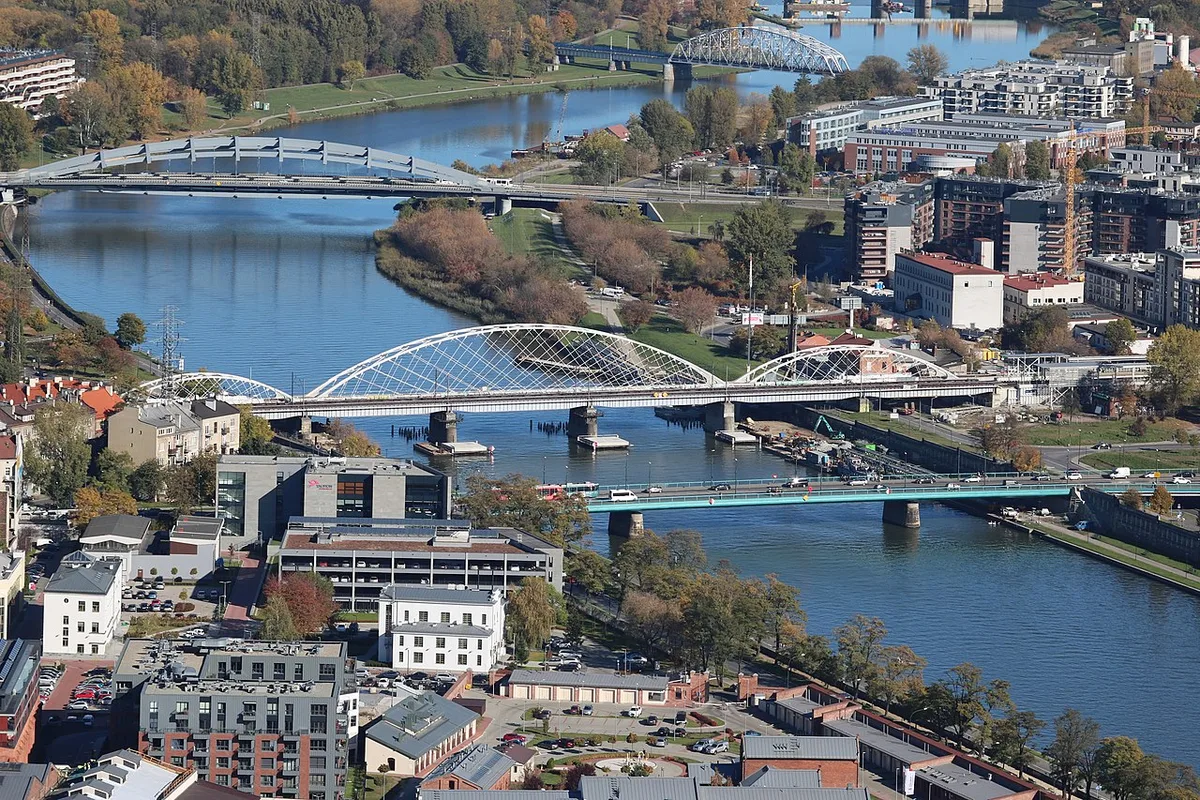
Is Climbing to a Viewpoint in Krakow Worth It?
Climbing any of these spots takes real effort, whether it's 239 wooden steps or a forest hike. The payoff is a version of Krakow that ground-level sightseeing simply can't show. Rooftops, church spires, and the river's bend all line up in a way that photographs well at any time of day.
Not every popular pick earns its reputation, though. The Sheraton Grand's rooftop terrace gets recommended constantly, yet it sits closed for most of the colder months. Skip planning around it outside summer and lean on the Metrum Restobistro terrace or the Divine Mercy tower instead.
Photographers tend to arrive at the mounds by late afternoon, chasing the same golden light everyone else wants. Anyone hoping to shoot without a crowd in frame should aim for a weekday morning instead. For more framing ideas around the city, the best photo spots in Krakow guide covers angles beyond just elevation.
Families with younger kids tend to do best at Kosciuszko Mound, since the fortress exhibition gives tired legs a break partway up. Krakus Mound and the balloon ride work fine too, though neither has much shade or seating. The Krakow with kids guide has more detail on which sights actually hold a child's attention.
Several of these viewpoints sit close to other overlooked corners of the city worth folding into the same walk. Zakrzowek, for instance, connects easily to the wider run of local hidden gems shared in this roundup of Krakow hidden gems. Pairing a viewpoint with a nearby gem makes for a fuller afternoon without much extra travel time.
Best Time of Day and Season for the Skyline
Sunset is the obvious draw, but timing shifts hard across the year. In January, the sun can drop behind Wawel Castle as early as 3:50pm, catching visitors off guard. By June, that same golden hour stretches out closer to 8:30pm, giving far more flexibility for a slow evening.
Krakus Mound lines up almost perfectly with Wawel Castle for a sunset silhouette shot. The where to watch sunset in Krakow guide breaks down more spots by season and direction. Arriving even thirty minutes before the listed golden hour avoids the scramble for space on the summit.
Air quality matters more than most visitors expect, especially in winter. On heavy smog days, the view from Kosciuszko or Pilsudski mound can turn into a flat grey wall. Closer, lower spots like Wawel or the Main Square towers tend to hold up better when the valley air gets thick.
Mornings suit Krakus Mound best, since it's the only major viewpoint that never officially closes. Sunrise there runs quiet, with none of the evening crowd that gathers for the golden hour. Bring a flashlight if visiting before dawn, since the descent path has no lighting of its own.
Getting to Krakow's Viewpoints: Tickets, Transit, and Tips
Most of these spots sit within a twenty-minute tram or rideshare ride from the Main Square. Trams run every five to ten minutes on the main lines, and the Jakdojade app covers live schedules. Uber and Bolt both operate reliably across the city and tend to run cheaper than a typical Western European fare.
Reaching Pilsudski Mound takes a bit more planning, since it sits deep in the Wolski Forest. Bus line 134 runs there from the center, with a stop that also serves the Krakow Zoo. Budget at least half a day if combining the mound hike with a zoo visit.
Ticket prices for the paid towers and mounds shift often enough that quoting an exact number is risky. Treat every figure in this guide as a starting range and confirm current pricing before setting out. Combining a viewpoint with a broader day trip can also stretch the value of a single day out of the city. The day trips from Krakow guide lists nearby options that pair well with an early climb.
Weather affects more than just the balloon ride. Wet cobblestones on Krakus and Pilsudski mounds get genuinely slick, so proper shoes matter more than fashion here. A light backpack with water and a phone charger covers most half-day viewpoint outings comfortably.
Wear shoes with real grip, not fashion sneakers. Wet cobblestones on the mounds turn slippery fast, especially during or after rain.
How Many Viewpoints Can You Fit Into One Day in Krakow?
Three viewpoints in a single day is realistic without feeling rushed. A common pairing starts with Wawel Cathedral's tower in the morning and moves to Krakus Mound by midday. It finishes at a rooftop terrace in the evening. That route covers roughly 5 kilometres of walking and transit combined.
Travelers with only one full day in the city should prioritize just one or two picks rather than chase all ten. The one day in Krakow itinerary shows where a single viewpoint fits alongside the city's other must-see stops.
Those staying two or three days have room to spread the mounds and towers across separate afternoons. Pairing an early viewpoint with a museum or market visit avoids burning out on stairs and hills back to back. Free options like Krakus Mound and Pilsudski Mound also make it easy to work a viewpoint into an already packed budget.
Whatever the pace, save the balloon ride for a calm, clear afternoon rather than the start of a busy day. Wind grounds it often enough that flexibility pays off more than a tight schedule.
Frequently Asked Questions
Which viewpoint in Krakow is best for sunset?
Krakus Mound in Podgorze lines up closely with Wawel Castle, making it the top pick for a sunset silhouette shot over the river. Entry is free and the mound never officially closes, so early risers and evening visitors both have easy access. Arrive at least 30 minutes before golden hour, since the summit fills up fast on clear evenings.
Are any of Krakow's viewpoints free to visit?
Krakus Mound and Pilsudski Mound both charge nothing for entry, unlike the ticketed Kosciuszko Mound nearby. The Metrum Restobistro rooftop terrace is also free to access, though drinks and food cost extra once inside. Between the two free mounds and the rooftop terrace, a full day of views is possible without spending on tickets.
Why do some of Krakow's towers close in winter?
St. Mary's Basilica's Bugle Tower and the Town Hall Tower both close through the coldest months because their stone steps turn dangerously icy. Neither platform is heated or fully enclosed, so staff pull access for safety reasons. Indoor or ground-level options like the Divine Mercy tower stay open year-round instead.
Does the Krakow Pass cover viewpoint entry fees?
Coverage varies by attraction, so it's worth checking the current pass terms before assuming a viewpoint is included. Some towers and mounds are bundled in, while newer additions like the balloon ride typically aren't. The Krakow Pass guide breaks down exactly what's included for the current year.
How much does the Krakow Balloon ride cost?
A ticket for the tethered balloon typically runs 45-65 PLN per adult, though prices shift with season and demand. The ride depends entirely on wind conditions, and it's grounded more often than most visitors expect. Skip advance booking and check conditions in person before planning around it.
Krakow rewards the climb, whichever spot ends up on the itinerary. Towers, mounds, and even a tethered balloon all offer a version of the city that's easy to miss from the street. Check current hours and prices before heading out, since access shifts with the seasons more than first-time visitors expect.
Pair one or two viewpoints with the rest of a well-planned day, rather than trying to chase every entry on this list. The view will still be there on the next trip back.