

Last updated July 2026. The best time to visit Amsterdam is April through May or September, when tulip season and mild temperatures overlap with thinner crowds than midsummer. Weather, canal-district crowds, and event calendars all shift month to month, so the right window depends on whether budget, festivals, or clear skies matter most to your trip.
Quick Verdict: The Best Time to Visit Amsterdam by Priority
Most travelers get the best mix of mild weather, tulips, and manageable crowds in late April, May, or September. Priorities change the calculation, though. Start with the full Amsterdam travel guide for trip basics, then match a month to what matters most below. Trip length shapes the decision too. See how many days to plan before booking a season. Shorter trips still work well outside peak weeks. A 2-day itinerary fits a spring or autumn weekend well.
- Best for weather and tulips: late April through mid-May
- Best for budget travel: January through early March, outside King's Day
- Best for festivals: late April for King's Day, or December for the Amsterdam Light Festival
- Best for families: late May, June, or September, when daylight is long and school-holiday crowds have eased
Spring in Amsterdam (March-May): Tulips and King's Day
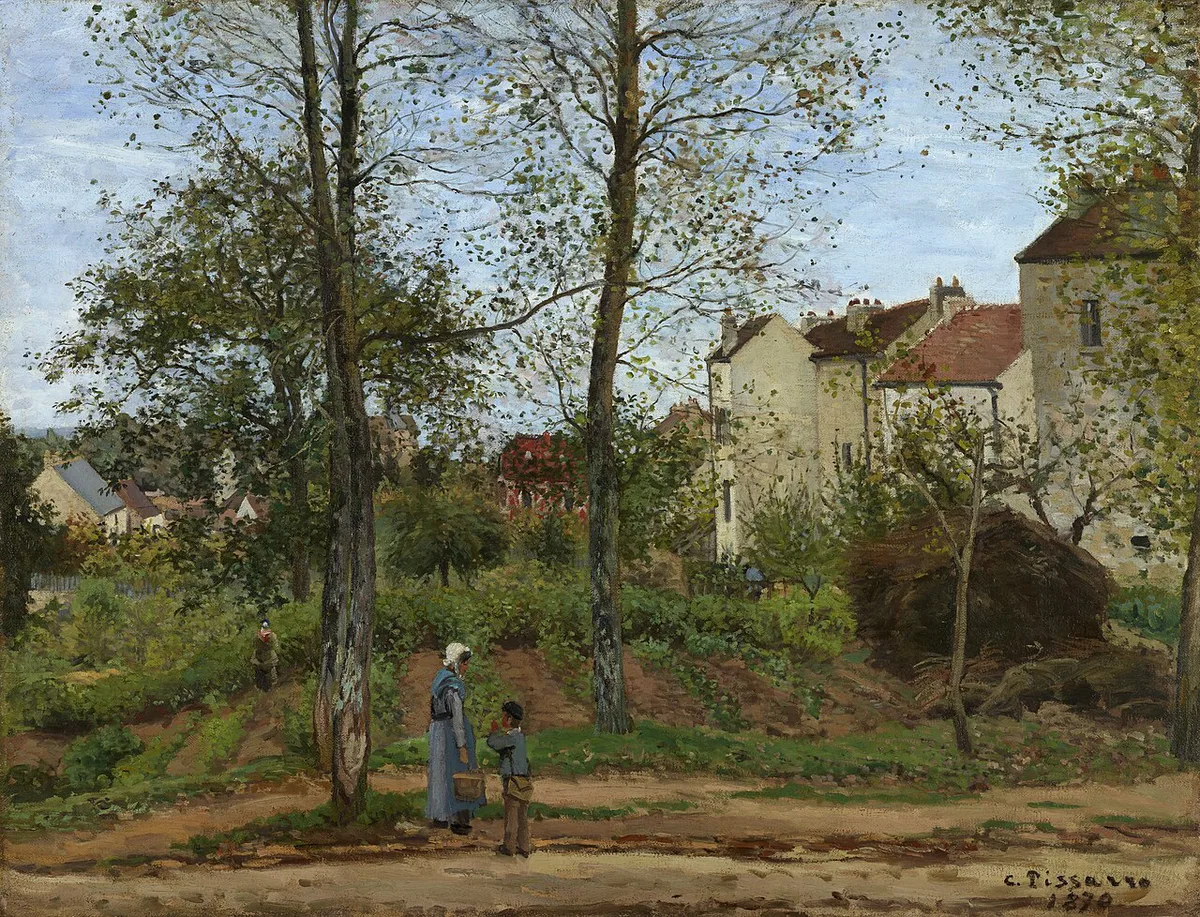
Spring is the consensus sweet spot. March starts cool, with afternoons averaging near 10°C (50°F) and frequent showers. April warms toward 13°C (55°F) on average, and tulip fields around Keukenhof reach peak bloom. May often brings the best combination of the season, with afternoons near 17°C (63°F) and noticeably longer daylight. King's Day falls on April 27 most years, or April 26 when the 27th lands on a Sunday. Amsterdam closes central streets that day for open-air markets and canal parties, so expect crowded public transit near downtown that morning. Hotel rooms sell out weeks ahead of King's Day, so book early if the date falls inside your trip. Keukenhof typically opens in mid-March and closes in mid-May. Confirm the 2026 dates before booking, since the exact window shifts slightly year to year. Pack layers and a light rain shell, since spring showers arrive without much warning. A 3-day itinerary gives enough time for both the tulip fields and the historic canal ring. Photographers should time golden hour around the canals during tulip season. Best photo spots for that light are listed separately.
King's Day falls on April 27 and drives hotel rates past €150, matching summer peaks. Reserve rooms three to four months ahead since central Amsterdam accommodations sell out early for this spring celebration.
Summer in Amsterdam (June-August): Long Days, Peak Crowds
Summer brings the longest days and the largest crowds. June and July afternoons average near 22°C (72°F), with August close behind. Daylight stretches past 9 p.m. in June, leaving long evenings for canal-side terraces. In De Pijp, café terraces fill quickly on those warm evenings too. Pride Amsterdam runs in early August, filling central hotels and drawing crowds along the Prinsengracht canal for the boat parade. Museum lines run longest in July and August, especially at the Rijksmuseum, Anne Frank House, and Van Gogh Museum. Reserve timed-entry tickets well ahead of a summer trip. Canal-view dinner tables fill fast too. Best restaurants with advance booking are worth checking before you go. Evenings stay bright well into the night, which suits an after-dark outing. Nighttime things to do fill those long evenings easily. Golden-hour views over the canals are worth planning around too. Best sunset spots for that light sit in a separate guide.
Autumn in Amsterdam (September-October): Shoulder Season Value
Autumn is the other shoulder-season sweet spot. September afternoons still reach about 18°C (64°F), and crowds thin noticeably once summer school holidays end. October cools further, averaging near 13°C (55°F), with canal-side trees turning color by late month. Museum lines shorten across both months, and hotel rates ease from summer peaks. Rain becomes more frequent by October, so pack for shifting weather. Rainy-day backup plans cover what to do on a wet afternoon. Countryside color trips pair well with this season too. Day trip routes into the surrounding countryside suit an autumn afternoon well. Neighborhoods like the Jordaan and De Pijp feel quieter once summer crowds leave. The city's low-key corners are easier to enjoy without a line during these months.
September afternoons still reach about 18°C (64°F) while museum lines shorten compared to summer's peaks. Time your visit for opening or the final two hours before closing to sidestep the longest lines.
Winter in Amsterdam (November-February): Light Festival and Low Rates
Winter is the value season. December through February afternoons average between 3°C (37°F) and 7°C (45°F), and wind off the North Sea can make it feel colder still. Amsterdam Light Festival installations light the canals through the winter, best viewed from a boat after dark. Holiday markets add stalls and food vendors to squares across the center in December. Hotel rates drop from summer and King's Day peaks, apart from a brief spike around New Year's Eve. Indoor options matter more in winter. Best museums to prioritize on a cold or wet day are covered separately. North Sea weather can roll in fast. Wet-weather backup plans apply just as well in winter. Budget travelers can stretch a winter trip further with a look at free things to do. Holiday shopping also picks up in December. A seasonal shopping guide covers the markets alongside regular retail streets.
Season Comparison at a Glance
Daytime temperature, crowd levels, and relative price line up by season below, using King's Day and peak summer as the busiest reference points. Hotel rates swing more than most travelers expect between low and peak season. In our editorial assessment, a standard hotel double in the Jordaan or Centrum often runs near €90 to €110 a night in low-season January or March. That same room can climb past €150 a night at July's peak or during King's Day. Current rates are worth checking against the where-to-stay guide before booking.
| Season | Months | Avg Daytime Temp | Crowd Level | Relative Price |
|---|---|---|---|---|
| Spring | March-May | 10-17°C (50-63°F) | Rising, peaks at King's Day | €€ |
| Summer | June-August | 20-23°C (68-73°F) | Highest of the year | €€€ |
| Autumn | September-October | 12-19°C (54-66°F) | Moderate, thins after September | €€ |
| Winter | November-February | 3-7°C (37-45°F) | Lowest, except New Year's Eve | € |
Planning Around Amsterdam's Major Events
Three events shape the calendar more than any others. King's Day falls on April 27 most years, or April 26 when the 27th lands on a Sunday. Amsterdam closes central streets that day for open-air markets, boat parties on the canals, and citywide stalls. Book accommodations weeks ahead if this date falls inside your trip, and expect crowded platforms on public transit. Keukenhof's tulip gardens typically operate from mid-March through mid-May. Confirm the 2026 opening and closing dates before booking tickets, since the exact window shifts slightly each year. Amsterdam Light Festival installations run across the winter months, with art along the canals best seen from an evening boat tour. Traveling with children around King's Day takes extra planning, since transit and hotels fill fast. Family trip timing notes are worth reading first.
Practical Logistics for Every Season
Booking timing matters as much as the calendar month. Reserve hotels three to four months ahead for a King's Day or peak-summer trip, since central rooms sell out first. Neighborhood hotel options by season and budget are covered separately. Weather gear matters year-round in a North Sea climate. Pack a windproof layer even in summer, since evenings cool off quickly near the water. Museum crowding follows a predictable pattern in the Museum Quarter especially, home to the Rijksmuseum and Van Gogh Museum. Arrive at opening, or within the final two hours before closing, to avoid the longest lines. Priority museum picks by timing are covered separately too. Cost-conscious travelers should also weigh a multi-attraction pass against paying per site. Amsterdam Pass value depends on how many paid sights fit the trip.
Common Mistakes to Avoid When Timing an Amsterdam Trip
A few planning mistakes repeat every season. A short stay can still work with the right structure, though. A single-day itinerary sequences a tight schedule around opening hours. For canal-tour wind chill, sheltered viewpoint options dodge the worst of it.
- Booking a King's Day trip without reserving a hotel months ahead; central rooms sell out first.
- Expecting to ice skate on the canals; a freeze solid enough for skating is rare most winters.
- Underestimating wind chill on a canal boat tour; temperatures on the water feel colder than the posted air temperature.
- Assuming Keukenhof stays open year-round; it only operates within its seasonal tulip window, so confirm 2026 dates first.
- Planning only a single rushed day for a first visit; a short stay leaves little room for a weather backup plan.
How to Handle a Rainy Day in Amsterdam
Amsterdam showers can arrive quickly, so keep one flexible two-hour block in each day’s schedule. Check the KNMI forecast and Buienradar before leaving your hotel. Radar often helps distinguish a short shower from several wet hours.
For a Museumplein day, move indoors at the Rijksmuseum, Van Gogh Museum, or Stedelijk Museum. These museums sit within a short walk of one another. Reserve timed tickets beforehand, because rain can increase demand for indoor attractions.
Families can switch to NEMO Science Museum, while food-focused travelers can spend a wet afternoon inside Foodhallen in De Hallen. An enclosed canal boat also provides sightseeing without standing outside, although windows may fog during heavy rain.
Use GVB trams or the metro to shorten exposed walks between neighborhoods. Keep a compact umbrella and waterproof outer layer available, but prioritize a hood in strong canal-side wind. Avoid planning several distant outdoor stops consecutively, especially between Museumplein, Jordaan, and Amsterdam-Noord.
Frequently Asked Questions
What is the best time to visit Amsterdam overall?
Late April through May and September offer the best balance of mild weather, tulip season or thinning crowds, and moderate hotel rates. Summer brings the longest daylight but also the largest crowds and highest prices.
Is it worth visiting Amsterdam during King's Day?
King's Day suits travelers who want street markets, canal boat parties, and an orange-clad city center. Expect closed streets, crowded transit, and hotel rates that spike weeks in advance, so book early.
When is the cheapest time to visit Amsterdam?
January and February bring the lowest hotel rates outside the New Year's Eve spike. Early March often keeps similar value while adding slightly milder weather.
Do Amsterdam's canals ever freeze solid enough for ice skating?
Rarely. A sustained hard freeze is needed to hold skaters safely, and that depth of ice does not happen most winters. Treat it as a bonus, not a plan.
How many days should you plan for a trip to Amsterdam?
Three to four days covers the historic center, a museum or two, and one day trip. A dedicated trip-length guide breaks down shorter and longer options in detail.
What should you pack for Amsterdam regardless of season?
Pack a windproof, waterproof layer year-round, since North Sea weather shifts fast in any month. Comfortable shoes matter too, since cobblestone streets and canal bridges cover most of the city center.