
Last updated July 2026, shopping in Amsterdam breaks into three clear styles. Kalverstraat covers high-street chains, while the Nine Streets and De Pijp hold boutique, vintage, and eco-conscious finds. This guide maps the best streets, concept stores, and markets, plus the hours and VAT-refund basics that catch first-time shoppers off guard.
Where to Go Shopping in Amsterdam by Style and Budget
Seven named districts cover most of the city's retail ground, and each one skews toward a different budget and style. Kalverstraat and Leidsestraat suit chain-brand basics. De Negen Straatjes and Haarlemmerstraat suit independent boutiques. P.C. Hooftstraat suits designer flagships. Spiegelkwartier suits antiques, and De Pijp pairs eco-conscious labels with its street market. The table below groups each district by what to expect and a rough price tier.
| Kalverstraat & Leidsestraat | High-street chains and basics | $–$$ |
| De Negen Straatjes (9 Streets) | Independent boutiques and vintage | $$–$$$ |
| P.C. Hooftstraat | Designer flagships | $$$$ |
| Haarlemmerstraat & Haarlemmerdijk | Independent labels and specialty food | $–$$ |
| Utrechtsestraat | Concept stores and records | $$ |
| Spiegelkwartier | Antiques and art | $$–$$$$ |
| De Pijp (Gerard Doustraat) | Eco-conscious fashion and market finds | $–$$ |
Kalverstraat and Leidsestraat: The High-Street Core
Kalverstraat runs from Dam Square to Muntplein and holds more than 150 shops, one of the busiest concentrations in the country. Leidsestraat, one block over, carries more selective names. Side streets such as Heiligeweg and Singel hold smaller boutiques and cafés that the main strip skips. Several hotels sit within walking distance of this stretch. See hotels near the shopping core for specific picks. Blue°Amsterdam, a café inside a glass tower on Singel, adds 360-degree city views to a shopping break.
- Kalverstraat: Zara, H&M, UNIQLO, Nike Store, Bershka, and the 45-shop Kalverpassage mall
- Leidsestraat: Filippa K, Karen Millen, and Shoebaloo
- Side streets: Heiligeweg and Singel for smaller boutiques and cafés
De Negen Straatjes: Boutiques and Vintage in the Canal Belt
De Negen Straatjes, the Nine Streets, are nine narrow lanes woven through the 17th-century canal belt between Leidsestraat and the Jordaan. The mix runs from vintage racks to independent labels and jewelers. Canal-side backdrops reward a slow walk. See canal-side photo spots for exact corners worth a stop. Three boutiques anchor the area.
- Gray Label, Huidenstraat 17: organic-cotton kids' clothing, useful for a family day in Amsterdam
- Marie-Stella-Maris, Keizersgracht 357HS: skincare and home fragrance, with proceeds tied to drinking-water projects
- Fabienne Chapot, Hartenstraat 7: printed dresses and playful separates
P.C. Hooftstraat: Luxury Shopping in Oud-Zuid
P.C. Hooftstraat, in the Oud-Zuid district near the museum quarter, is Amsterdam's concentration of designer flagships. The street continues onto Van Baerlestraat and Cornelis Schuytstraat, each with its own specialty. Combine a stop here with a look at the Rijksmuseum and nearby museums, all within walking distance.
- P.C. Hooftstraat: Chanel, Louis Vuitton, DKNY, Mulberry, Ralph Lauren, and Tommy Hilfiger
- Van Baerlestraat: Vanilia, Gant, and Miss Sixty
- Cornelis Schuytstraat: Dutch lingerie label Marlies Dekkers
Haarlemmerstraat and Haarlemmerdijk: Independent Labels Near Central Station
Haarlemmerstraat and Haarlemmerdijk run west toward Amsterdam Centraal and stay busier with residents than with tour groups. The strip mixes independent labels, second-hand racks, and specialty food shops. Six and Sons, at Haarlemmerdijk 31, sells sneakers and bags made from recycled plastic bottles, cork, and banana-plant fiber. The neighboring Westerpark area adds cafés and restaurants for a break between stores.
Utrechtsestraat and Spiegelkwartier: Concept Stores and Antiques
Utrechtsestraat runs from Frederiksplein to Rembrandtplein and fills that stretch with concept stores and fashion boutiques. Concerto, a record store spanning five adjoining buildings, anchors the street for anyone hunting vinyl. Spiegelkwartier, near the Rijksmuseum, grew into the city's antiques district. More than 70 shops and galleries here sell paintings, ceramics, glass, jewelry, furniture, and tribal and Asian collectables.
Both P.C. Hooftstraat's designer flagships and Spiegelkwartier's more than 70 shops sit within walking distance of the Rijksmuseum, pairing luxury fashion and antiques with art museum access.
De Pijp and the Albert Cuyp Market: Eco Fashion and Street Food
Gerard Doustraat, in De Pijp, is where independent eco-conscious labels cluster. Verse, at Gerard Doustraat 84, stocks several labels alongside natural beauty brands. The Albert Cuyp Market runs nearby and is one of the city's best-known street markets for food and household goods. Plan a lunch break around either stop. The lunch spots in De Pijp guide covers nearby options.
- Fashion: Rita Row, Armedangels, and Embassy of Bricks and Logs
- Beauty: Abel perfumes and Wonderbar sea-salt soaps
- Home: Kinfill cleaning kits and bamboo toothbrushes
Concept Stores Worth the Detour
A handful of concept stores sit outside the main shopping streets and reward a short detour. For more low-profile stops like these, the citywide guide to under-the-radar Amsterdam spots has further picks.
- Mendo, Nieuwe Doelenstraat 10: an independent bookstore focused on fashion, art, and architecture titles, near the floating flower market
- Fest, De Clercqstraat 44 (Da Costabuurt): Dutch furniture and home accessories with an Art Deco feel
- The Gathershop, Hannie Dankbaarpassage 19, inside De Hallen (Oud-West): curated notebooks, ceramics, and jewelry from small studios
Department Stores and a Rainy-Day Backup Plan
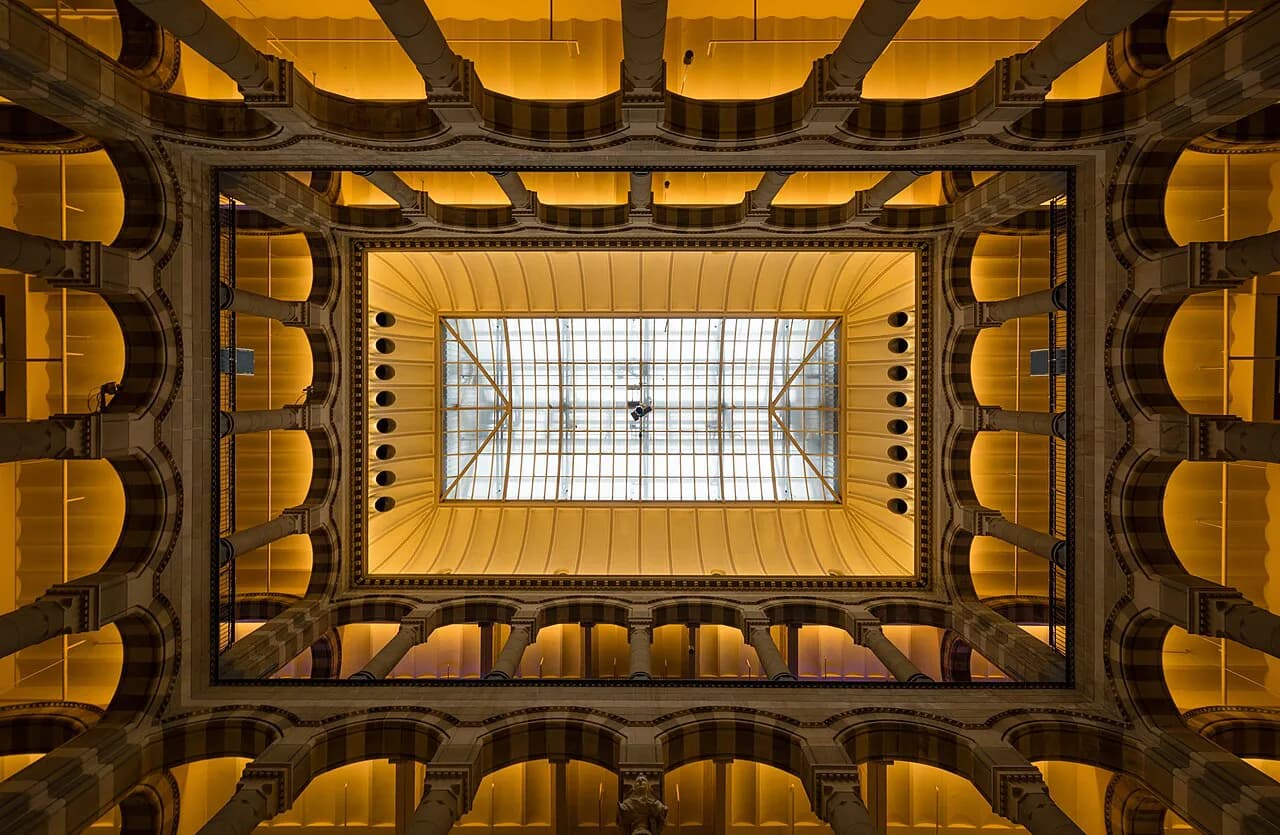
De Bijenkorf, on Dam Square, is one of Amsterdam's best-known department stores, with a broad mix of mid-range to premium brands. Magna Plaza, a former post office just behind the Dam, holds shops such as Mango and Sissy Boy inside its restored building. Both work as a rainy-day fallback, since everything sits under one roof. The rainy-day itinerary ideas guide has more indoor options for a wet afternoon.
Markets and Vintage Hunting
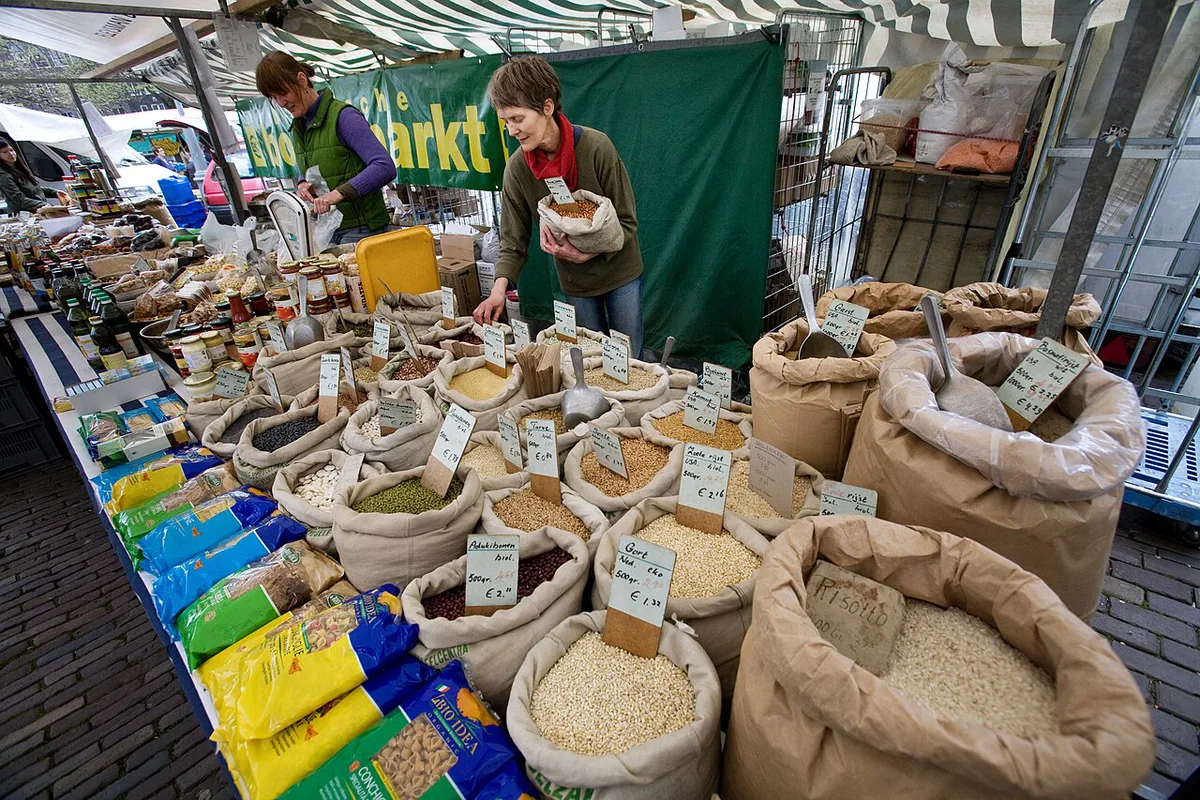
Amsterdam's market scene runs from flowers to flea-market furniture. Waterlooplein is the city's flea market, good for secondhand finds and odd collectables. The Albert Cuyp Market, covered above in De Pijp, is a well-known street market for food and everyday goods. Bloemenmarkt, on the Singel between Koningsplein and Muntplein, has traded flowers on the water since 1862.
Amsterdam Shopping Hours and Koopavond
Store hours vary by street, but a few patterns hold across the city. Many shops start later on Monday than visitors expect, sometimes not opening until midday. Thursday is the traditional Koopavond, or shopping evening, when stores in several districts stay open later than usual. Kalverstraat's published hours give a useful baseline. Confirm the same details for other streets before a late visit.
- Monday: 11:00–18:00
- Tuesday–Saturday: 10:00–18:00
- Thursday (Koopavond): until 21:00
- Sunday: 12:00–18:00
Getting Around and Claiming a VAT Refund
Walking and trams cover the shopping districts better than a car does. Trams 2, 11, 12, 13, and 17 stop near Dam and Spui, close to Kalverstraat and the Nine Streets. Metro line 52 stops at Rokin, a short walk from the same area. Parking near the center runs through garages such as Parking De Bijenkorf and the Rokin garage, useful if driving is unavoidable. Non-EU residents can usually claim a VAT refund on qualifying purchases. Ask the retailer for a refund form at checkout. Refund amounts are a set share of the purchase price, so confirm the current minimum spend and paperwork before paying, since thresholds change.
A One-Hour Route From Dam Square to the Nine Streets
This route strings together the high street and the boutique district without much backtracking.
The one-hour Dam-to-Nine Streets route works perfectly during Thursday's Koopavond shopping evening, when stores in central districts stay open until 21:00 for a leisurely post-work browse.
- Start at Dam Square and browse De Bijenkorf or Magna Plaza first.
- Walk south on Kalverstraat, then detour onto Heiligeweg for smaller boutiques.
- Cross Koningsplein onto Leidsestraat for a few blocks of more selective brands.
- Turn into De Negen Straatjes for boutiques, vintage racks, and concept shops.
- Finish at the Jordaan edge for a coffee break before heading back.
Shopping Mistakes to Avoid in Amsterdam
A few habits waste time or money on a shopping trip through Amsterdam.
- Driving into the Nine Streets: the lanes are narrow and pedestrian-heavy, so park at a garage like Parking De Bijenkorf or Rokin and walk in.
- Expecting every shop open early Monday: many start at midday, so check before an early start.
- Stopping at Kalverstraat alone: side streets such as Heiligeweg hold boutiques the main strip skips.
- Skipping trip pacing: decide how many days to spend before mapping out which districts fit.
Frequently Asked Questions
What is the best area for shopping in Amsterdam?
It depends on style and budget. Kalverstraat and Leidsestraat cover high-street chains, De Negen Straatjes covers boutiques and vintage, and P.C. Hooftstraat covers designer flagships in Oud-Zuid.
Are shops open on Sundays in Amsterdam?
Most central shops open on Sunday, though later than on weekdays. On Kalverstraat, published Sunday hours run from 12:00 to 18:00, and nearby streets follow a similar pattern.
What is Koopavond in Amsterdam?
Koopavond is the traditional shopping evening, usually held on Thursdays. Stores in several districts extend their hours that night, sometimes until around 21:00, so it works well for a later browse.
Can visitors from outside the EU get a VAT refund on Amsterdam purchases?
Non-EU residents can usually claim a refund on qualifying purchases. Ask the retailer for a refund form at checkout, and confirm the current minimum purchase threshold before paying, since the rules can change.
Where can shoppers find markets instead of stores?
Albert Cuyp Market in De Pijp covers food and everyday goods. Waterlooplein covers flea-market and secondhand finds. Bloemenmarkt on the Singel has traded flowers on the water since 1862.