

Amsterdam's famous canals and museums draw crowds year-round, but the city holds quieter corners too. Hidden gems in Amsterdam range from a secret attic church to a floating flower market tucked behind the tulip stalls. Our Lord in the Attic charges around €16 for adults in 2026 and takes roughly 45 minutes to explore.
This guide walks through spots that locals visit more often than tourists ever notice. Check the Amsterdam attractions guide first, then use these picks to go beyond the obvious stops. Each entry below includes practical details on cost, timing, and who it suits best.
Our Lord in the Attic: A Church in Disguise
Ons' Lieve Heer op Solder sits behind an unmarked canal-house door near the Red Light District. Dutch Catholics built this hidden church in the attic during the 1600s, when public Catholic worship was banned. Three narrow floors still hold the original altar, organ, and confession box today.
Visitors climb steep wooden stairs that creak with every step, adding to the sense of discovery. The museum limits crowds naturally, since only a handful of people can stand in each room at once. Morning visits before 11am usually mean shorter waits and quieter galleries.
Morning visits before 11am usually mean shorter waits and quieter galleries.
Pair the visit with a rainy afternoon, since the indoor setting works well when the weather turns. Amsterdam's rainy day guide lists other indoor stops within walking distance. Budget about an hour total once you include the small gift shop near the exit.
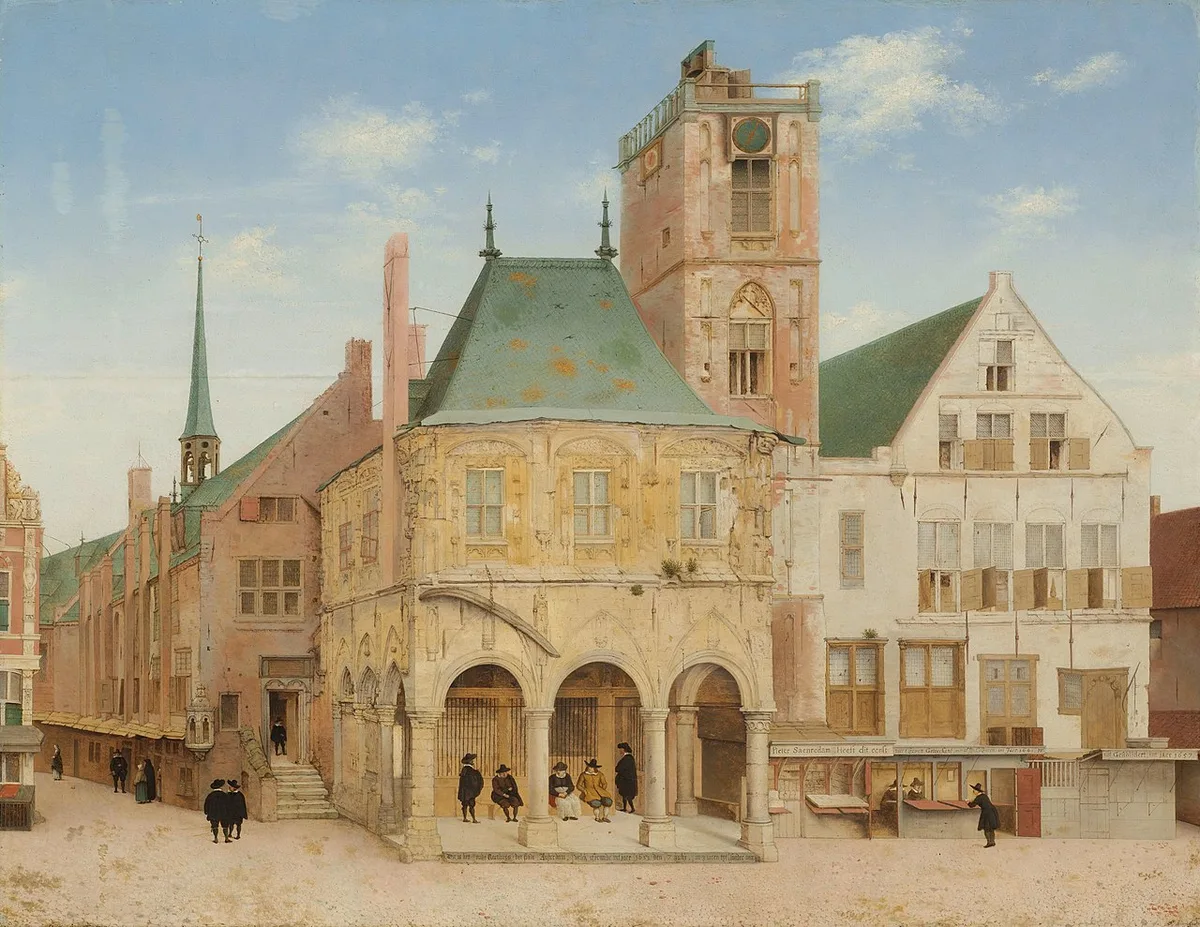
Quirky Small Museums Worth the Detour
Museum van Loon occupies a canal house once owned by one of Amsterdam's founding families. Period furniture, portraits, and a walled garden give a feel for 17th-century merchant life. Entry runs about €14 for adults, and a self-guided visit takes 45 to 60 minutes.
The Amsterdam Tulip Museum explains how the flower shaped Dutch trade, art, and even finance. It sits just steps from the Anne Frank House, making it an easy add-on stop. The Museum of Fluorescent Art displays glow-in-the-dark artwork inside a converted canal-house basement. Both museums are compact, so plan 30 minutes for each rather than a full afternoon.
Red Light Secrets Museum covers the history and daily reality of the district's window workers. The exhibits favor context and interviews over spectacle, which surprises many first-time visitors. Check whether the Amsterdam Pass covers your picks before buying separate tickets for several small museums.
Small museums often close on Mondays, so confirm hours before building them into a tight schedule.
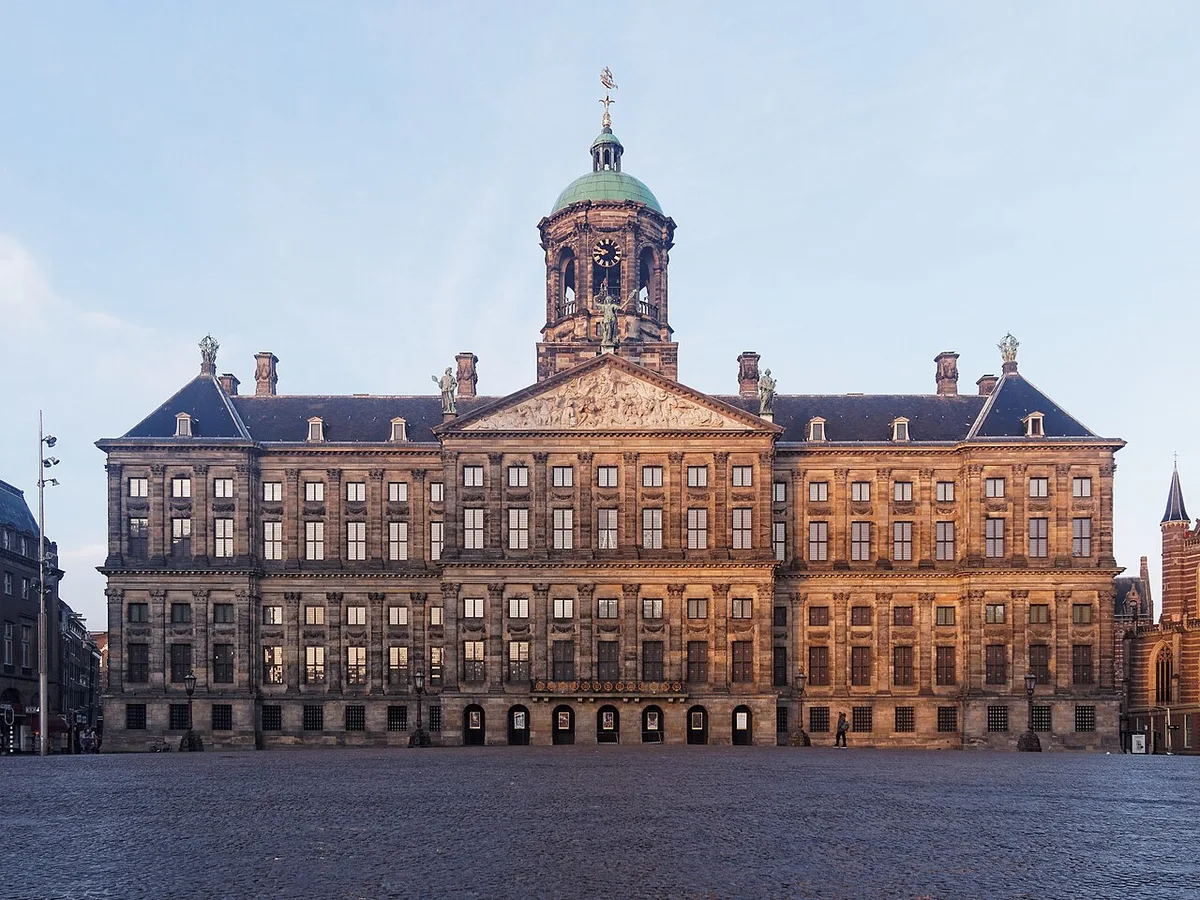
Wander the Nine Streets Beyond the Postcard Shots
De Negen Straatjes, or the Nine Streets, link four of Amsterdam's main canals in one compact grid. Independent boutiques, vintage shops, and small cafes fill the ground floors of 17th-century buildings. Most tourists stick to the main canal ring and skip these quieter side streets entirely.
Condomerie, the world's first specialty condom shop, opened here in 1987 and still draws curious visitors. A few doors down, some of Amsterdam's narrowest homes squeeze into gaps barely wider than a doorway. Look for house numbers with unusually small facades near Singel and Herengracht.
Near the old harbor, the former VOC headquarters marks where Dutch East India Company ships were once outfitted. The building itself stays closed to the public, but a plaque outside explains its trading history. Bring a camera, since the canal reflections here make some of the best photo spots in Amsterdam.
Amsterdam Noord's Street Art and Rooftop Views
A short ferry ride behind Amsterdam Centraal Station crosses the IJ river to Amsterdam Noord. NDSM Wharf, a former shipyard, now hosts some of Europe's largest outdoor street art murals. Warehouses turned studios line the docks, and weekend flea markets pop up throughout the year.
Rooftop bar A'DAM Lookout sits nearby and offers wide views over the harbor and old city skyline. Fewer tourists make the crossing, so the terraces rarely feel as packed as the central canal bars. The area also hosts smaller live-music venues that rarely appear on standard tourist itineraries. You can browse upcoming concerts in Amsterdam to see what's playing during your visit.
Late afternoon light works best for photos along the docks before the sun dips behind the skyline. The best sunset spots in Amsterdam guide covers several viewpoints on both sides of the river. Plan the ferry crossing with buffer time, since queues build fast on warm evenings.
Quick-Reference List: Amsterdam Hidden Gems at a Glance
This table gathers the practical details from the sections above in one place. Use it to plan a rough budget and timeline before setting out for the day.
- Our Lord in the Attic
- Type: hidden 17th-century church
- Cost: about €16 for adults
- Time needed: around 45 minutes
- Best for: history and architecture fans
- Museum van Loon's Historic Canal House
- Type: canal-house museum
- Cost: about €14 for adults
- Time needed: 45 to 60 minutes
- Best for: decorative arts lovers
- De Negen Straatjes (Nine Streets)
- Type: shopping and canal district
- Cost: free to walk through
- Time needed: 1 to 2 hours
- Best for: boutique shopping and photos
- NDSM Wharf Street Art District
- Type: outdoor mural district
- Cost: free, ferry included with transit pass
- Time needed: 2 to 3 hours
- Best for: photography and street art fans
- Condomerie's Novelty Shop Detour
- Type: specialty retail curiosity
- Cost: free to browse
- Time needed: 10 to 15 minutes
- Best for: quick, quirky detour
- The Amsterdam Tulip Museum
- Type: small themed museum
- Cost: about €6 for adults
- Time needed: 30 minutes
- Best for: Dutch history and flower fans
How to Plan Your Own Hidden Gems Route
Trying to fit every hidden gem into one day usually backfires and leaves little time to slow down. Pick two or three stops in the same neighborhood so walking time stays short between them. The Jordaan and the area near the Nine Streets pair well together on foot.
Travelers with only one day should skip Amsterdam Noord and focus on the central canal ring instead. Those staying two or three days have room to add the ferry crossing without rushing other plans. Check the one-day Amsterdam itinerary if you need help fitting these stops around major landmarks.
Small museums often close on Mondays, so confirm hours before building them into a tight schedule. Cash still works at some smaller shops, though most now accept cards without issue. Share your final route with your travel group over WhatsApp so everyone knows the plan before you set off.
Plan More of Your Amsterdam Trip
Use these new planning guides alongside the established Amsterdam landmark cluster.
Explore hidden gems in other cities
Frequently Asked Questions
What is the most famous hidden gem in Amsterdam?
Ons' Lieve Heer op Solder, or Our Lord in the Attic, is the best-known hidden gem in Amsterdam. This 17th-century church sits behind an unmarked canal-house door near the Red Light District. Tickets cost around €16 for adults in 2026, and a visit takes about 45 minutes.
How much time should you plan for Amsterdam's hidden gems?
Most hidden gems take 30 minutes to an hour to see properly, so two or three fit into a half day. Group picks by neighborhood, such as the Nine Streets or Amsterdam Noord, to cut down on walking and ferry time.
Are Amsterdam's hidden gems free to visit?
Some, like De Negen Straatjes and the former VOC headquarters exterior, cost nothing to see. Small museums such as Museum van Loon and the Tulip Museum charge modest entry fees, usually under €16 per person.
Which hidden gem museums are best for a first Amsterdam visit?
First-time visitors usually enjoy Our Lord in the Attic and Museum van Loon most, since both pack real history into a short visit. For a broader overview, the best museums in Amsterdam guide covers larger institutions worth adding to your plan.
Amsterdam rewards travelers willing to step past the main canal ring and busiest museums. These hidden gems fit easily around a standard itinerary without adding much extra travel time. Start with one or two picks, then build out a longer route on a return visit.