

Amsterdam rewards a slow, ticket-free wander more than almost any other European capital. Free things to do in Amsterdam range from windmill views to library rooftops, no entry fee required. Locals treat the canal ring itself as the main attraction, and it costs nothing to cross a single bridge.
This guide was refreshed for 2026, matching current opening hours and access rules for each stop. The Rijksmuseum charges around 23 euros for adult admission in 2026, yet its sculpture garden next door stays free from 9am to dusk. That contrast, a paid museum beside a free garden, sums up how the city works for a budget traveler.
The picks below cover twelve stops: historic squares, hidden courtyards, city parks, and neighborhood markets. Pair this list with the Amsterdam attractions guide for the paid icons worth adding to a longer trip. Every entry below lists typical hours, nearby transport, and one detail a rushed visitor tends to miss.
12 Free Things to Do in Amsterdam Right Now
Group one covers the postcard stops that cost nothing beyond a transit fare to reach. Dam Square anchors the list, flanked by the Royal Palace's exterior and the National Monument steps. A short cycle east, De Gooyer's wooden sails still turn beside a working brewery, one of the windmills that call Amsterdam home. Both stops work as a 20-minute detour on the way to somewhere else.
Group two is quieter: courtyards and reading rooms tucked behind Amsterdam's busier streets. Begijnhof hides one of the city's oldest wooden houses just off a shopping strip. A few canals over, the Poezenboot houseboat runs as a donation-based shelter open to browsers. The Amsterdam Public Library's top-floor terrace rounds out the group with a free skyline view.
Group three trades buildings for green space and water. Vondelpark's open-air theatre hosts free summer shows most weekend afternoons from June through August. Amsterdamse Bos spreads across more parkland than Central Park, with a free city farm near the entrance. The Rijksmuseum Gardens sit behind the museum itself, landscaped and open with no ticket required.
Group four is about local commerce and one seasonal exception worth planning around. Albert Cuyp Market runs six days a week and costs nothing to browse stall to stall. NDSM Wharf's street art spreads across a former shipyard reachable by a free ferry from Centraal. Each winter, the Amsterdam Light Festival lines the canals with art that is free to view on foot.
- Dam Square and the Royal Palace Exterior
- This cobbled square sits at the historic heart of Amsterdam, framed by the Royal Palace and the National Monument.
- Entry is free around the clock, and the Palace's facade alone justifies a five-minute stop.
- Trams 2, 12, and 13 stop two minutes away, making it an easy first or last stop of the day.
- Street performers cluster here by late afternoon, so an earlier visit means a calmer photo without the crowd.
- De Gooyer Windmill and Brewery View
- This 18th-century windmill stands beside Brouwerij 't IJ, one of Amsterdam's oldest craft breweries.
- Viewing the sails from the towpath costs nothing and takes about fifteen minutes on foot from the Eastern Docklands.
- A short walk from Muiderpoort station puts it within reach without a bike or tram transfer.
- The sails still turn on windy days, and locals nickname this one the Funenkade windmill.
- Begijnhof, a Hidden Courtyard Escape
- Begijnhof is a walled courtyard of gabled houses dating back to the 14th century, tucked off Kalverstraat.
- Gates stay open daily from roughly 9am to 5pm, and stepping inside costs nothing.
- The quiet breaks sharply from the shopping street outside, so keep voices low near the chapel.
- Arrive before 10am on weekends to see the courtyard without a tour group crowding the benches.
- Poezenboot, the Floating Cat Sanctuary
- This houseboat on the Singel canal shelters stray and abandoned cats in a small floating museum.
- Entry runs on a donation basis rather than a fixed ticket price, so a few euros is appreciated.
- It opens most afternoons, though hours shift seasonally, so checking ahead saves a wasted trip.
- Cat lovers should budget fifteen quiet minutes rather than rushing through on a tight schedule.
- Amsterdam Public Library Rooftop Terrace
- The OBA's top-floor terrace and cafe overlook the city skyline without an admission fee.
- Doors open around 10am most days and close by 10pm, though Sunday hours run shorter.
- Central Station sits a five-minute walk away, making it an easy rainy-day fallback.
- Reading tables near the windows stay free of crowds even when the ground floor gets busy.
- Vondelpark's Free Open-Air Theatre
- This outdoor stage inside Vondelpark hosts free concerts, comedy, and dance shows on summer weekends.
- Performances run roughly June through August, typically starting in the early afternoon at no cost.
- Trams from Leidseplein reach the park entrance in under ten minutes.
- Bring a blanket, since bench seating fills up fast once a show is listed as popular.
- Amsterdamse Bos City Farm
- This forested park on the city's southern edge is larger than many entire town centers.
- The Bosbaan rowing lake and a small free city farm sit near the main entrance.
- It stays open around the clock, with no gate and no ticket booth anywhere on-site.
- Renting a canoe costs extra, but walking or cycling the trails is free every season.
- The Free Rijksmuseum Sculpture Gardens
- These landscaped gardens wrap around the Rijksmuseum building, separate from the paid galleries inside.
- Sculptures and fragments from demolished Dutch buildings sit among the hedges, free to wander.
- Gates generally open from 9am until dusk, matching the museum's own opening pattern.
- Fewer visitors detour here than through the main museum lobby, so benches rarely fill.
- NEMO Science Museum Rooftop Terrace
- NEMO's stepped green rooftop functions as a public terrace even for visitors skipping the paid exhibits.
- The climb is free, and the harbor-and-skyline view rivals paid viewpoints elsewhere in the city.
- It typically opens from 10am to 5:30pm alongside museum hours, closing earlier in winter.
- Late-morning light works best for photos, before the terrace catches full afternoon sun and glare.
- Albert Cuyp Street Market
- This open-air market runs along Albert Cuypstraat with produce, cheese, textiles, and street food stalls.
- Browsing costs nothing, and it operates roughly Monday through Saturday from 9am to 5pm.
- Tram 4 or 12 drops visitors within a two-minute walk of the stalls.
- Stroopwafels made fresh at the griddle are worth the short queue, even on a free-browsing budget.
- NDSM Wharf Street Art
- This former shipyard in Amsterdam-Noord now doubles as an open-air canvas for large-scale murals.
- A free ferry from behind Centraal Station reaches the wharf in about fifteen minutes.
- The site stays accessible at all hours, though daylight makes the artwork easier to read.
- Warehouses along the water host studios and markets some weekends, worth checking before the trip.
- Amsterdam Light Festival Canal Route
- Each winter, illuminated art installations line the canals and bridges across the city center.
- Viewing on foot or by bridge costs nothing, though guided boat routes charge a separate fare.
- The route typically runs late November through mid-January, best seen after sunset around 5pm.
- Bridges near Rokin get crowded on weekends, so a weeknight visit thins the crowd considerably.
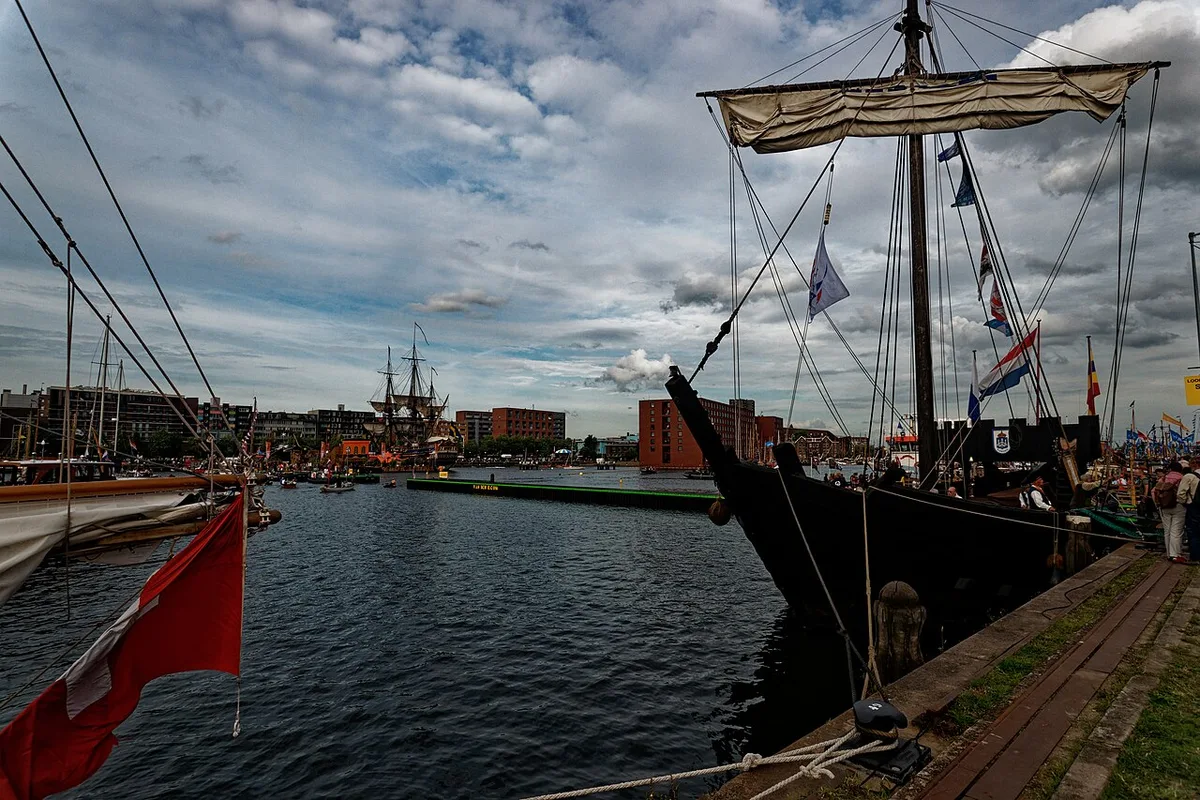
How Many Days Do Amsterdam's Free Sights Take?
A single focused day covers roughly half the list above, mixing squares, a park, and one market. Walking or cycling between stops keeps transit costs at zero beyond an initial OV-chipkaart top-up. Anyone working from a one-day Amsterdam itinerary can slot two or three free stops around paid must-sees.
Opening hours shift by season, and some stops like Vondelpark's open-air theater only run June through August. Always verify hours before visiting, especially for courtyards and museum gardens that close at dusk. The Amsterdam Light Festival runs late November through mid-January only.
Two full days allow time for both green spaces without rushing between Vondelpark and Amsterdamse Bos. That pace also leaves room for the Light Festival route in winter, since it runs best after dark. Spreading the list over two days also avoids the museum-district fatigue that hits a single-day itinerary hard.
Rain changes the plan more than the calendar does in a city built around outdoor squares. Indoor free stops like the library terrace and Poezenboot become the backbone of an Amsterdam rainy-day plan. Markets thin out fast once rain starts, so an indoor swap saves the afternoon.
Visitors with a third day sometimes trade a city stop for a windmill village outside town. Zaanse Schans and similar stops pair naturally with a day trip from Amsterdam built around train or bus transit. That swap costs more than the free city list, so budget accordingly before committing to it.
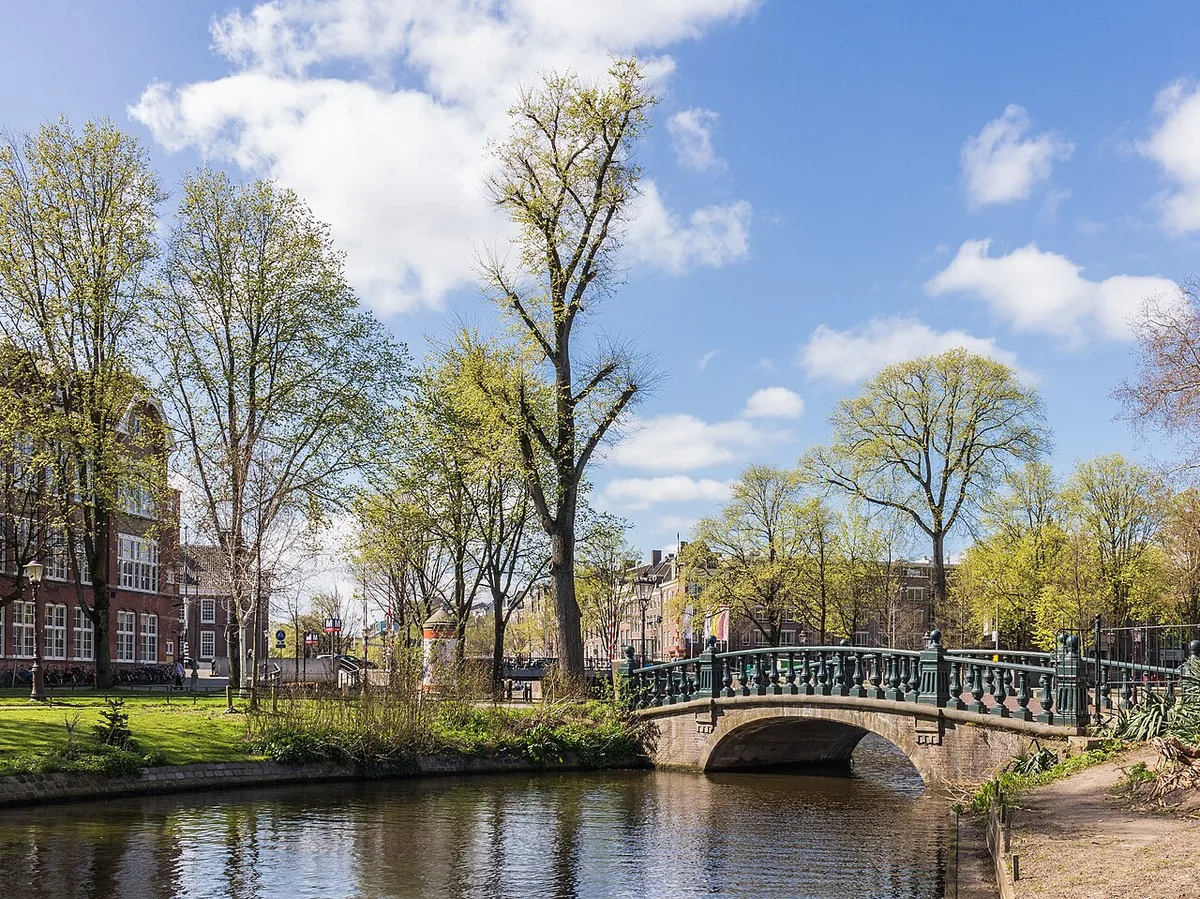
The Best Free Markets in Amsterdam
Albert Cuyp covers daily basics, but three other markets round out a fuller picture of local commerce. Noordermarkt runs a Saturday farmers market and a Monday flea market on the same square. Both cost nothing to browse, though the organic produce stalls charge market-rate prices for goods.
Waterlooplein's flea market has traded secondhand goods near the Stopera opera house since the 1880s. Vintage clothing, records, and bike parts fill the stalls from roughly 9am to 6pm, Monday through Saturday. Bargaining is expected here more than at the tourist-facing markets closer to Dam Square.
Bloemenmarkt, the floating flower market on the Singel, sells tulip bulbs and souvenirs, not just cut stems. Walking the length of the stalls costs nothing, even without buying a single bulb packet. For market history beyond the stalls, Amsterdam's City Archives keeps free public exhibits on the guilds that ran them.
Picking a market depends on the traveler more than the guidebook ranking suggests. Food-focused visitors should default to Albert Cuyp, while collectors gravitate toward Waterlooplein's secondhand stalls. Anyone chasing quieter corners can pair a market stop with the hidden gems of Amsterdam for a slower afternoon.
What to Skip on a Free Amsterdam Trip
Diamond and cheese factory tours market themselves as free, but the visit doubles as a sales pitch. The educational portion runs short, and staff steer the group toward a retail floor afterward. Skipping these frees up thirty minutes better spent at Begijnhof or the library terrace instead.
The free walking tour meeting point at Dam Square gets overcrowded by midday in peak season. Groups of forty or more move slowly, and the guide's voice carries only so far across a crowd that size. An early 10am tour, or a self-guided route using this list, avoids the bottleneck entirely.
Paid viewpoints tempt budget travelers too, and not every one earns its ticket price. NEMO's rooftop already delivers a free skyline view, so a paid observation deck rarely adds much beyond it. Readers comparing options can check the best viewpoints in Amsterdam before paying for a second lookout.
Frequently Asked Questions
Is Amsterdam expensive if you stick to free attractions?
Amsterdam stays affordable once free stops anchor the day. Squares, parks, courtyards, museum gardens, and markets cost nothing to enter or browse. Transit passes and any paid museum ticket remain the main expenses left to budget for.
How much time should a free Amsterdam itinerary take?
One focused day covers roughly half the list, mixing a square, a park, and one market. Two days allow both parks without rushing and leave room for the winter Light Festival route. A third day usually goes toward a paid museum or a day trip outside the city.
Which free things to do in Amsterdam suit first-time visitors?
First-time visitors should prioritize Dam Square, Begijnhof, and the Amsterdam Public Library terrace. These three sit close together in the center and cover a landmark, a hidden courtyard, and a free skyline view. Each takes under an hour to see properly.
Are Amsterdam's free museums and gardens really free, or is there a catch?
The gardens and terraces on this list charge no entry fee, though hours vary by season. Poezenboot runs on donations rather than a fixed price, so a small contribution is appreciated. Always check official hours before a visit, since closures shift around holidays.
Is the Amsterdam Pass worth buying instead of sticking to free attractions?
The pass mainly pays off for travelers planning several paid museums in one trip. Budget visitors leaning on free squares, parks, and markets often save more skipping it entirely. The Amsterdam Pass comparison breaks down the exact math.
Amsterdam's free list proves that a tight budget does not mean a thin itinerary. Squares, courtyards, parks, and markets fill a multi-day trip without a single admission ticket. Pairing a few of these stops with one paid museum still keeps the day affordable.
Check official hours before visiting, since seasonal schedules shift more than most guides admit. A slower pace through fewer stops usually beats rushing the full list in one afternoon.