Münster's museums are not a single circuit you tick off in a weekend; they fall into distinct interest clusters, and choosing badly wastes the limited hours you have in the old town. The strongest split is between the cathedral square area, where art and city history sit within a short walk of the Prinzipalmarkt, and the Aasee district, where natural history and rural open-air collections share the same lakeside neighbourhood. Deciding which cluster matters more to you is a faster route to a good day than chasing a ranking of the single best museum.
The city itself publishes a broad overview of cultural institutions, exhibitions and visitor services, which is the most reliable starting point for checking what is actually on during your dates. The LWL Museum of Art and Culture describes the collection in figures, including 350,000 objects spanning 1,000 years of western art across 7,500 square meters of exhibition space. Those numbers tell you something practical: this is a half-day museum, not a forty-minute stop between coffee and the cathedral.
Orientation: Domplatz Versus the Aasee Area
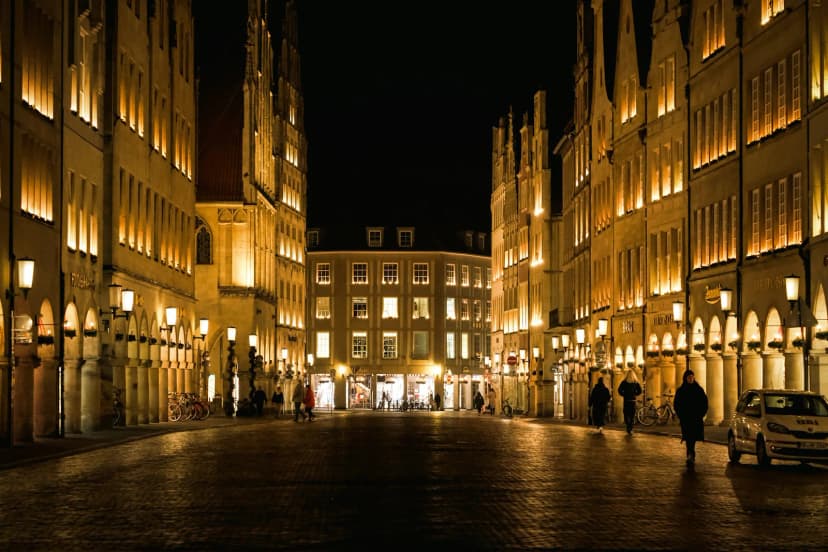
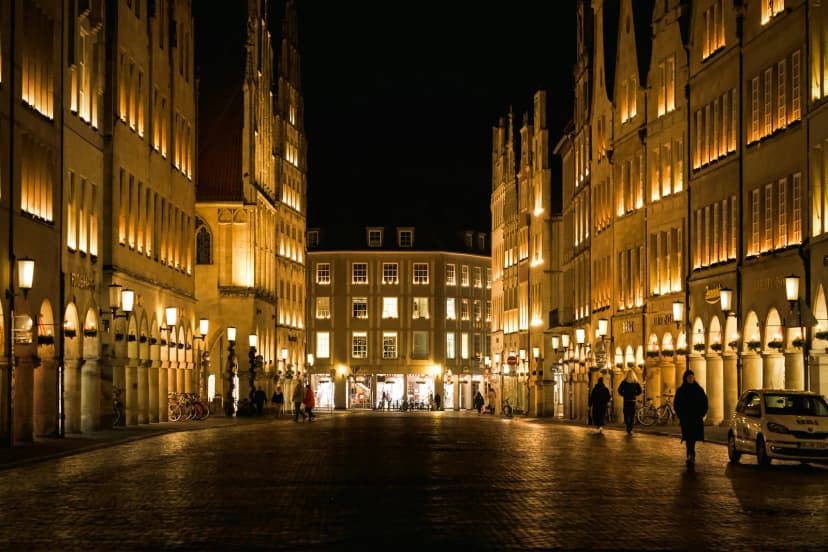
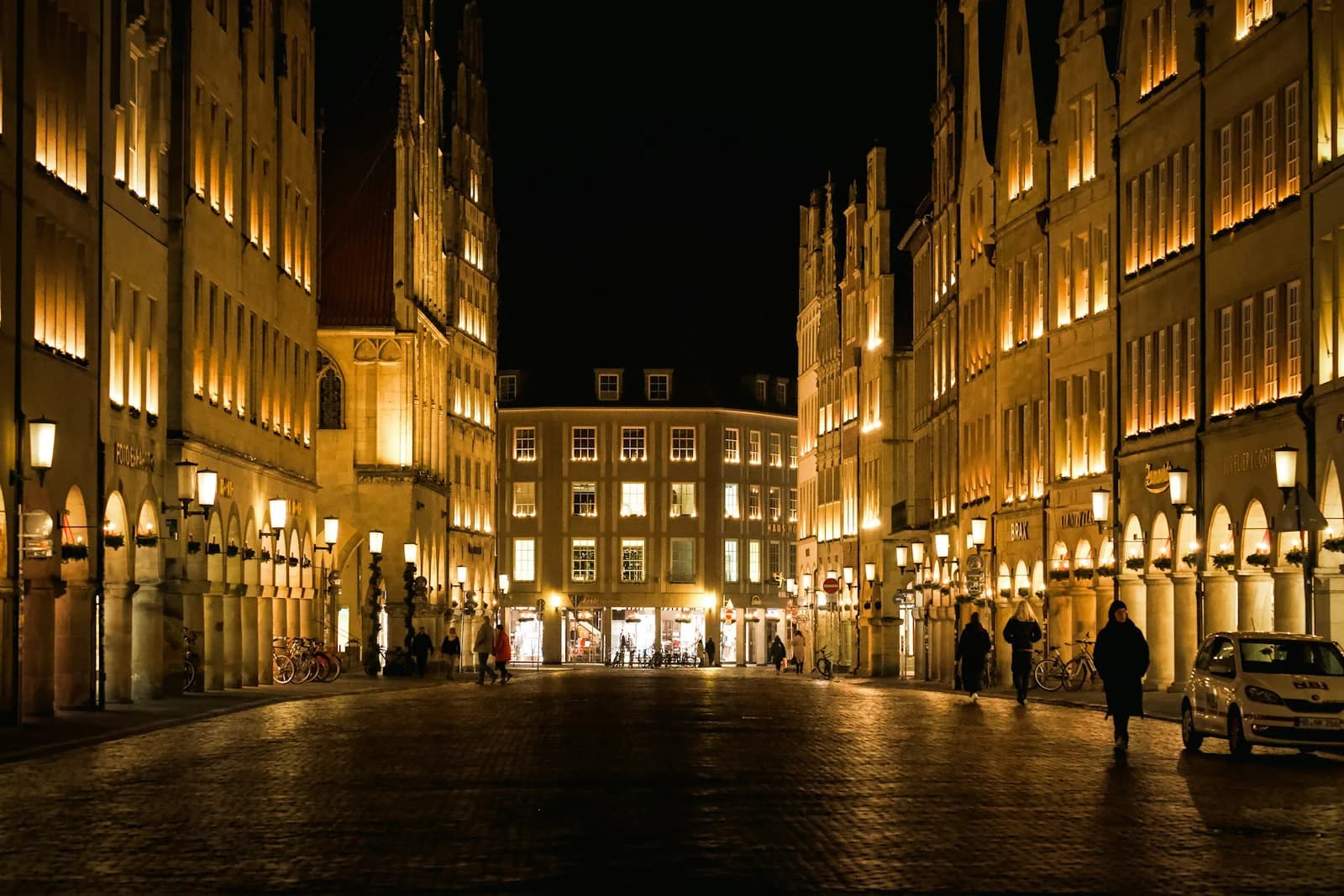
The Domplatz group is the one to plan around if your time is short. The LWL Museum of Art and Culture and the city's historical collections sit in the old town, close to the Prinzipalmarkt and the cathedral, so you can walk between them and still fit in a look at the arcades and gabled houses. Smaller university-linked collections in the same quarter add depth without demanding a separate trip.
The Aasee side serves a different purpose. Here you find the natural history museum with its planetarium and the open-air rural museum, both close to the lake and the all-weather zoo. Treat this as a family or science afternoon rather than an art morning, because the subject matter and the pacing are entirely different from the cathedral square museums. Walking the lake between sites is part of the experience, and it eats time.
The LWL Museum of Art and Culture: The Anchor Collection
If you only visit one art museum, this is the obvious candidate, and the case rests on scale rather than reputation. The collection covers a millennium of western art and cultural history, from medieval sacred art through Renaissance and Baroque painting to classical modernism, Zero art and post-war work. The strongest single thread for many visitors is the tom Ring family of painters, whose largest complex of works is held here, shown alongside religious panels and prints that explain how churches and bourgeois homes were redecorated after Reformation iconoclasm.
The museum also functions as the starting point for Münster's public sculpture landscape. It has co-hosted the Skulptur Projekte open-air exhibition since 1977, and many works created for the show remain permanently installed around the city. A useful decision angle is to plan the museum first and the sculpture walk afterwards, because the indoor visit supplies the context that makes the outdoor pieces legible rather than merely decorative.
One scheduling factor worth knowing is published on the regional tourism site: on the second Friday of the month the museum stays open until midnight, and admission is free from 18:00 on those days. This has been the stated arrangement rather than a permanent guarantee, so confirm it on the operator's own calendar before you build an evening around it. Outside that window, budget a half day and check the current admission terms directly with the museum.
Stadtmuseum Münster: The City's Own Story
The Stadtmuseum tells Münster's history chronologically, with reconstructions and interactive displays that cover the city's architecture, culture and wartime past. It is the museum that answers the question of how this place became itself, from the Peace of Westphalia to the post-war rebuilding, and it does so in a compact building on Salzstraße. For a first-time visitor, it converts a pleasant wander through the old town into something with a narrative spine.
Because the Stadtmuseum is small, it pairs well with a walk rather than replacing one. The city's own website listed a temporary photography exhibition, Begegnungen. Reiseporträts von Pan Walther, running to 1 February, with portraits taken on photographic journeys from the mid-1950s onward to what was then Yugoslavia, Greece, Spain, Italy, Tunisia and Turkey. Temporary programming is exactly the element that rotates fastest, so check the current exhibition before travelling rather than assuming that show is still on.
The Picasso Museum and What a Single-Artist Museum Offers
Münster has a dedicated Picasso museum, the Kunstmuseum Pablo Picasso, which is the specialist option for anyone whose interest is modern printmaking rather than a survey of art history. It occupies an older building in the city centre and has a reputation for temporary shows that place Picasso alongside other modern names. The trade-off is narrowness: you get depth on one artist and his printed work instead of breadth across centuries.
This is the right stop for a traveller who already knows they respond to Picasso, and the wrong one for a family group that needs animals or hands-on displays. Pair it with the city-history museum if you want a compact old-town double bill, and treat it as a shorter visit than the LWL art museum. Check the current show and admission details on the operator's own pages before you commit an afternoon to it.
Natural History and the Planetarium: A Different Register
The LWL Museum of Natural History with Planetarium sits on Sentruper Straße near the Aasee and is the obvious counterweight to the old-town art circuit. Its appeal is broad: animal life, geology and fossils, along with a planetarium that gives the building a second audience entirely. This is the museum to choose when the group includes children or when a rain-heavy forecast would ruin a day built around walking.
Do not confuse it with the art museum simply because both carry the LWL name. They are separate institutions in separate parts of the city, with unrelated collections and ticketing. If your visit is short, pick one and do it properly rather than shuttling between the cathedral square and the lake on the same afternoon.
Freilichtmuseum Mühlenhof: Open-Air Means Weather
The Mühlenhof open-air museum gathers around thirty half-timbered buildings from the seventeenth to nineteenth centuries, relocated to a site near the zoo and the Aasee, and shows rural life through a windmill, chapel, forge, school, apiary and village shops. The distinction that matters for planning is between the open grounds and any paid interior displays. Open-air means your comfort depends on the weather, and the walking between buildings is the visit, not a preamble to it.
Treat it as a half day with slack in it, ideally on a dry day, and check whether seasonal buildings or demonstrations are running before you go. Because admission and seasonal programming here can change, confirm the current arrangement with the museum rather than assuming that everything is included in one entry.
Smaller and Specialist Museums Worth Knowing
Münster's smaller museums reward an hour rather than an afternoon. The Archaeological Museum of the University of Münster holds classical antiquities with Greek, Anatolian, North African and Egyptian material, and it is often described by visitors as compact and free to enter. The Geological-Paleontological Museum covers rocks, minerals and fossils, and the Bible Museum is a university collection dedicated to the history of the biblical text.
Beyond those, the city has a wider set of named venues including Villa ten Hompel, the Westfälischer Kunstverein, Kunsthaus Kannen and the Hiltruper Museum, each with a narrow focus and its own rhythms. Listing services have flagged shifting status at some smaller and outlying sites, so a directory entry is a lead rather than proof. Verify each one with the operator before you route a day around it.
How to Decide: Collection, Scale and Time
Start with the question you actually want answered, not with a ranking. If you want to understand the city, the Stadtmuseum is the direct answer; if you want art across centuries, the LWL museum is the only serious candidate; if you want one artist, the Picasso museum is the specialist choice; if you want fossils and a planetarium, go to the Aasee. This framework avoids the common mistake of visiting a museum whose subject you never cared about simply because it appeared first in a list.
Then apply the scale test. A collection described in hundreds of thousands of objects and thousands of square metres needs a half day, while a university museum of a few rooms needs an hour at most. Matching the museum's size to the time you genuinely have is more useful than trying to see three sites in one afternoon and remembering none of them.
Sizing Your Visit and Avoiding Museum Fatigue
A realistic day is one large museum plus one small one, with walking in between. Suggested durations, not official timings, look like this: half a day for the LWL art museum, sixty to ninety minutes for the Stadtmuseum or the Picasso museum, an hour for the archaeological or geological collection, and half a day for the open-air museum once travel and weather are counted. If you are in Münster for a single day, follow a one day in Münster itinerary and accept that you will skip the Aasee cluster entirely.
With three days, the maths changes and you can split the old town from the lake district without rushing either. A 3 days in Münster itinerary can put art and city history on one day, natural history and the open-air museum on another, and keep the third for the smaller specialist collections and the sculpture walk.
Free and Ticketed Scope: What Admission Usually Covers
Do not assume that neighbouring museums share one ticket. Museums around Domplatz are separate institutions with separate collections, separate entrances and separate admission arrangements, and nothing in the published material suggests a combined pass across them. Where a museum has free-to-enter grounds or a free evening window, that applies to that site and that time only. For wider planning, see Münster landmark visitor guides.
Exact admission figures are volatile and I am not quoting any here, because the reliable way to get them is from each operator on the day you plan to visit. The one sourced exception in this guide is the free entry from 18:00 on the second Friday of the month at the LWL Museum of Art and Culture, which the regional tourism site states but which the museum itself should confirm for your date. For everything else, check the operator's own admission page before you travel.
A Simple Two-Day Museum Plan
Day one belongs to the old town. Begin at the LWL Museum of Art and Culture while your attention is fresh, give it the morning, then walk the Prinzipalmarkt and take in the Stadtmuseum in the afternoon so the city's story lands after you have seen its art. Finish with the sculpture remnants scattered through the streets, which need no ticket and reward a slow route rather than a direct one.
Day two moves to the Aasee. Choose the natural history museum and planetarium if science is the draw, or the open-air museum if rural history and a walk between timber buildings appeal more, and keep the second option as a fallback rather than a target if the weather turns. Add one small university collection on the way back only if you still have energy; the archaeological and geological museums are compact enough for a tired afternoon.
What to Verify Before You Go
Münster's museum landscape changes more than a static comparison can capture. Temporary exhibitions open and close, individual venues have appeared in directories as temporarily or permanently closed, and outlying sites such as the Droste-Hülshoff houses have their own seasonal patterns. None of that should stop you planning, but it does mean that the venue's own page, not an aggregator entry, is the source to trust in the final week before your trip.
Check three things for each museum you intend to visit: current opening days, what is on exhibition during your dates, and the exact admission terms, including whether any free window applies to your specific day. Confirm whether a site's grounds are open separately from its paid interiors, because that distinction changes how long you need and what you should wear. With those checks done, choosing between art, city history, nature and open-air becomes a straightforward decision about your own interests rather than a guess.
Frequently Asked Questions
Which Münster museum is best for art?
The LWL Museum of Art and Culture is the strongest single art stop, with a collection that spans a thousand years of western art and cultural history, from medieval sacred panels to modern and contemporary work. Its tom Ring holdings give it a local anchor that general collections lack. If your interest is one artist rather than an era, the Picasso museum is the more focused alternative.
Is the Stadtmuseum Münster suitable for a first visit to the city?
Yes, and it may be the most efficient first stop because it tells the city's story chronologically in a compact building close to the old town. It works best paired with a walk through the Prinzipalmarkt and cathedral square, so you see the streets and then understand how they came to look that way. Check the current temporary exhibition before you go, since that programming rotates.
Which Münster museums work best for families with children?
The Aasee cluster suits families best. The LWL Museum of Natural History with Planetarium offers animals, fossils and a planetarium, and the open-air Mühlenhof museum lets children move between historic timber buildings, a windmill and a forge rather than walking a quiet gallery. Both are outdoor or semi-outdoor experiences, so weather decides how well the day works.
Do Münster museums share a single admission ticket?
Do not plan on it. The museums around Domplatz are separate institutions with their own entrances and their own admission arrangements, and nothing published indicates a combined pass covering them. Where free entry or free grounds exist, that applies to the individual site and the specific time window. Confirm admission directly with each museum.
How much time should I set aside for the LWL Museum of Art and Culture?
Treat it as a half-day museum rather than a quick stop, given the breadth of the collection and the size of the exhibition space. If you are short on time, choose one strand, such as medieval and Renaissance art or the modern galleries, and accept that you will not cover everything. An evening visit is possible on the second Friday of the month, when the museum has been listed as open until midnight.
What is the difference between the LWL art museum and the LWL natural history museum?
They are separate institutions in different parts of the city despite the shared LWL name. The art museum sits by Domplatz and holds paintings, sculpture and prints across a thousand years, while the natural history museum with planetarium stands near the Aasee and covers animals, geology and fossils. Choose according to whether your group wants art or science.