

Konstanz sits at the western end of Lake Constance, on the German side of the border with Switzerland, and its transport geography is unusually kind to visitors arriving without a car. The main train station, the harbour and the city bus terminal are clustered together, a short walk from the old town. Lake Constance tourism describes the area around the lake as explorable by ship, train and bus, with no own car needed to discover the four-country region.
The tourist information office sits inside the station building at Bahnhofplatz 43 in Konstanz, offering mobility advice alongside maps and tickets, so your first useful stop is also your arrival point. The city's own visitor material presents arriving by train or boat as part of the experience, not merely a transfer. That combination of a central station and an adjacent harbour is what makes a car-free stay here realistic rather than aspirational.
Why Konstanz Works Well Without a Car
Travel writing about the city notes that the train station and the city bus terminal are adjacent to the harbour, forming a triad of transport options visitors end up using in combination. Vehicles are largely excluded from the Altstadt, the historic old town, so walking becomes the natural way to move between the station area, the lakefront and the shopping streets. Treat the station as your base and the harbour as your second hub.
Lake Constance tourism frames the wider region around boats and ferries, cable railways and airships, buses and trains, and states that no own car is needed to discover the four-country area. That is a useful planning frame: rather than asking whether you can manage without a car, ask which mode fits each leg. Local buses, lake vessels and the rail network each cover different distances and different shorelines.
Arriving by Train at Hauptbahnhof Konstanz
If you arrive by rail, the station to enter as your destination is Hauptbahnhof Konstanz, the main train station. Because it sits in the town centre rather than on the edge, you do not need a connecting bus or taxi to reach the old town, the lakefront or the harbour. This is the single most consequential fact for anyone booking a first trip here.
Konstanz is described as the largest city on Lake Constance and the only German municipality on the lake's southern shore, which is part of why so many rail lines terminate or pass through it. Rail fares vary by route, operator, booking time and ticket type, so rather than relying on any figure quoted in a guide, check the current price for your own dates with the operator. A suggested planning allowance of half an hour from platform to hotel lobby is reasonable for the central area, but treat that as our suggestion rather than an official figure.
From Zurich Airport and Switzerland: The Hourly Direct Train
Zurich Airport is a practical international gateway for Konstanz by rail, and the University of Konstanz's travel guidance states that a direct train leaves every hour for Konstanz, with a journey time of about one hour and six minutes. The same source lists departures daily from 06:48 to 23:48. Because timetables are revised periodically, confirm the current schedule close to your travel date.
By road from Zurich, the university's route guidance runs on the A1 towards St. Gallen, then the A7 towards Kreuzlingen and Konstanz, crossing the border before following signs first for Mainau and then for the university. That border crossing is why the Swiss approach deserves separate thought from a purely German route: your final stretch of road is in a different country. Drivers should plan for a border crossing rather than an uninterrupted motorway run.
If you prefer not to drive at all, the hourly train from Zurich Airport removes the border question, since you simply stay on the service until it reaches the main station. The trade-off is that you are tied to a rail timetable rather than your own schedule. For most short stays, that trade-off favours the train.
The Harbour as a Transport Hub: Ships, Excursions and the Meersburg Ferry
Tourism material describes Konstanz as an ideal starting point for boat and sailing excursions, and travel writing notes that the harbour handles multiple ferry lines, pleasure boats and commercial watercraft. A regular car and passenger ferry operates between Konstanz and Meersburg, the wine town on the northern shore, so this is not a passenger-only crossing. That distinction matters if you are travelling with a vehicle or simply want to know which service to look for at the quay.
Excursion boats link Konstanz to almost every municipality on the lake, which is the practical way to string together shoreline towns without returning to the station between each stop. Because these are separate services with their own operators and seasons, treat each route as its own decision rather than assuming one boat covers everything. Check the operator's current sailing information for the specific crossing you want.
Boats on Lake Constance: Meersburg, Friedrichshafen and Mainau
Friedrichshafen is reached from Konstanz by catamaran, and Lake Constance tourism names the vessels Fridolin, Ferdinand and Constanze with a crossing time of 45 minutes. This is often presented as the marquee boat trip from Konstanz. If reaching Friedrichshafen is your priority, the catamaran is the service to look at first.
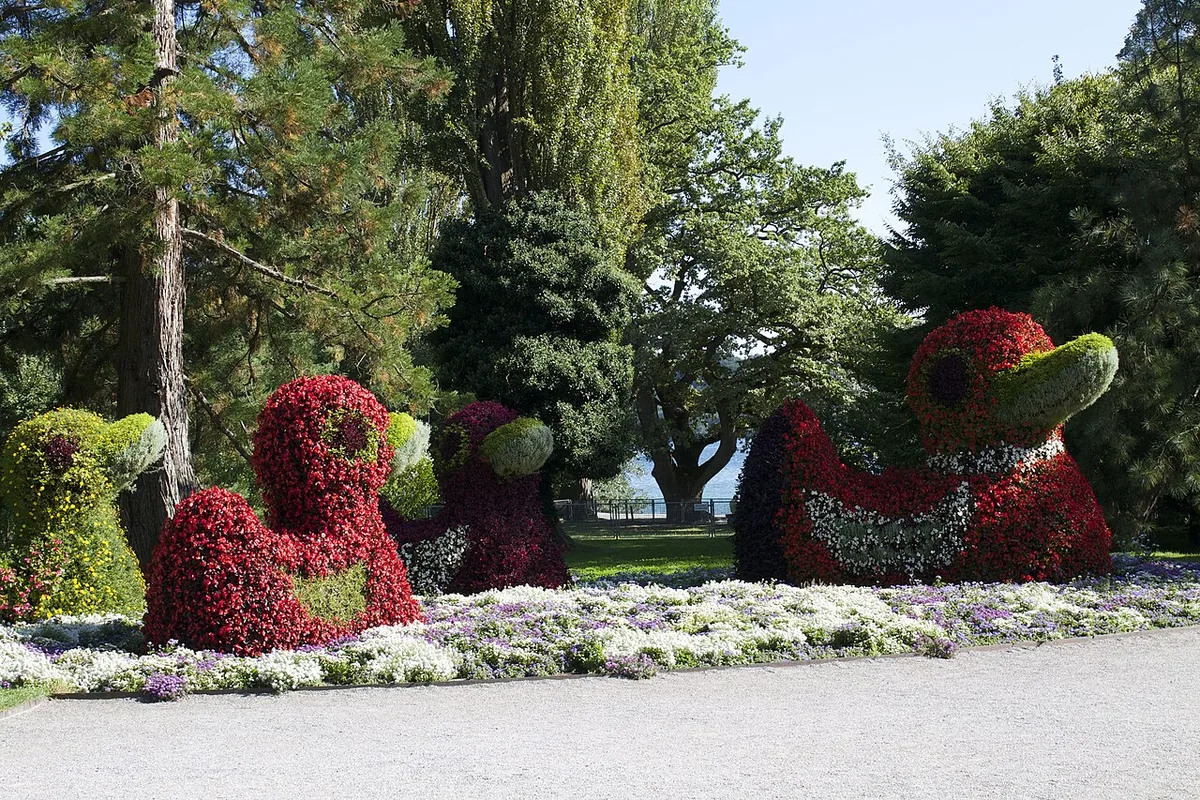
Mainau, the flower island that belongs to the city of Konstanz, can be reached by boat, on foot or by bicycle, which gives you three genuinely different options for the same destination. The island publishes its own admission prices and opening times, so check those directly rather than assuming a boat ticket includes entry. Grounds access and island ticketing are separate transactions from your transport.
A ferry crossing to Meersburg also works as a straightforward excursion in its own right: travellers describe passing through a historic gate into a lower town of shops, with a lakeside promenade of restaurants and benches beneath old plane trees. The upper town adds gates, cobbled lanes and two castles, so allow more than a rushed half-day. If you are planning several such outings, our guide to day trips from Konstanz compares useful boat and rail combinations, and the one day in Konstanz itinerary shows how to fit a single crossing around the city's own sights.
For anyone staying longer, the 2 days in Konstanz itinerary and the 3 days in Konstanz itinerary spread water trips and the city itself across more days, worth considering if the weather turns. Boat travel on a large lake is exposed to wind and rain, and the region's own rainy-day guidance exists precisely because conditions change, listing indoor attractions such as museums and interactive exhibitions. Having an indoor fallback planned makes a difference on a short trip.
Buses Around the City and to the University
For the university, the sourced guidance is specific: buses 9A and 9B leave from in front of the main train station and run directly to the university's main entrance. Those are the two named local services you can rely on for that trip, and they start at the same interchange where your train arrives. Because they serve a campus on the edge of town, they are a different kind of journey from short hops within the centre.
Elsewhere in the city, the practical approach is to read the route information at the stop or on the operator's own site rather than rely on a bus number copied from an older article. Some hotels include local bus passes with the room, as one travel account describes for a stay in Konstanz, but that is a property-specific offer and not something to count on. Ask your accommodation directly whether any local transport is included.
Ticket Framing: Bodensee Ticket and Bodensee Card PLUS
Two network-style products come up repeatedly when planning around the lake. The Bodensee Ticket is presented as a public transport ticket as part of Lake Constance tourism's mobility guidance for exploring the region by ship, train and bus. Both that ticket and the Bodensee Card PLUS are products with their own prices and validity, so the only reliable figure is the one the operator shows you for your travel dates.
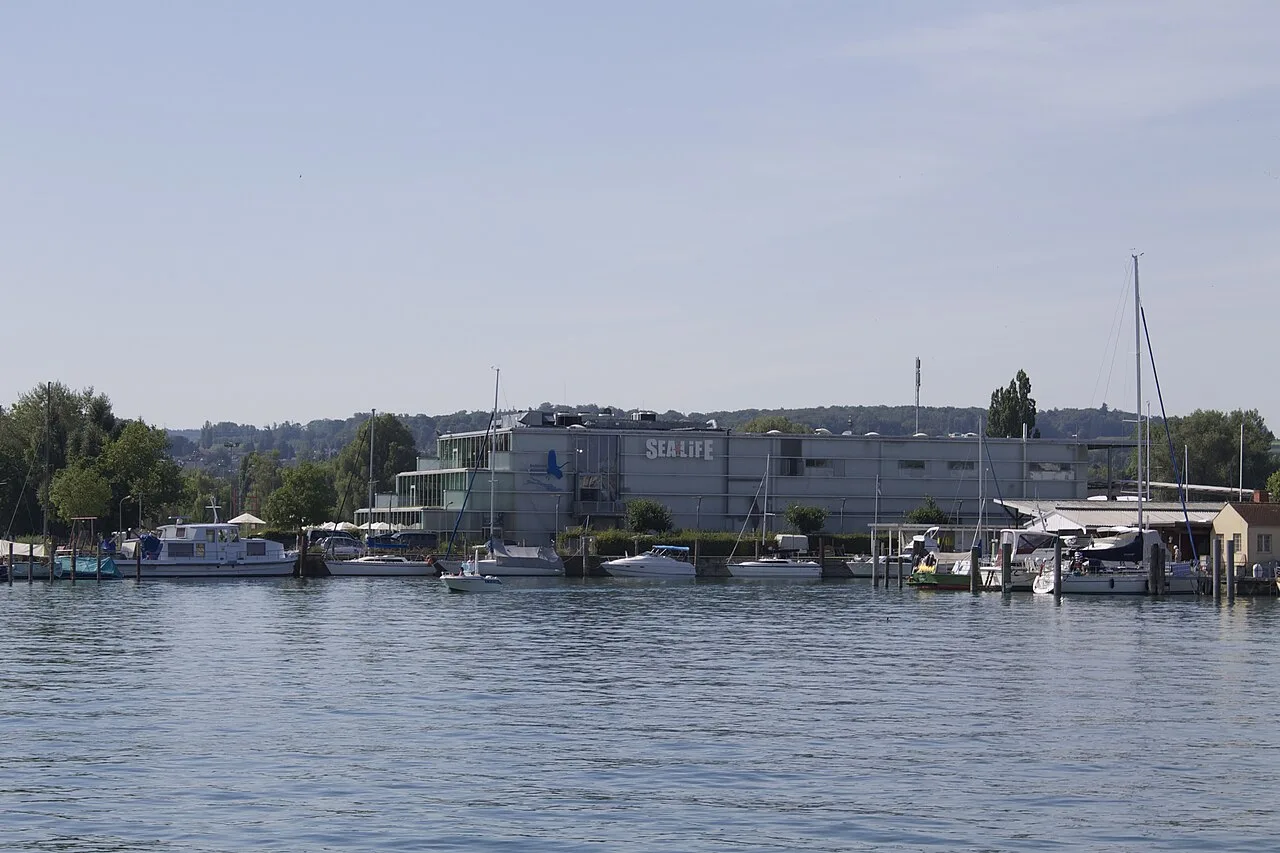
The Bodensee Card PLUS is a separate adventure flat rate, marketed with 160 attractions, usable flexibly across seven or three days a year, and including some destinations with express check-in. The operator directs readers to current prices and validity rather than publishing a fixed figure in its general description. Before buying, work out whether your planned itinerary actually uses enough included entries to justify the card.
The important caution is that a network ticket and an attraction card are not the same thing, and neither automatically covers every boat, ferry or museum on the lake. Coverage varies by product and by route, and conditions are revised over time. Verify what is included for your specific dates on the operator's own pages before you rely on either card for a leg of your journey.
Cross-Border Practicalities Between Konstanz and Kreuzlingen
Konstanz borders Switzerland directly, and Kreuzlingen is the Swiss town on the other side, which makes the border a routine part of daily movement here rather than an exceptional event. The city's historic centre is described as bordering Switzerland, Lake Constance and the Rhine outflow, so the international line runs through the city's own geography. Anyone planning a walk or a bus or train hop into Switzerland should treat the crossing as a normal part of the route.
Because entry rules and document requirements can change, check current requirements for your own nationality with the relevant authorities rather than relying on a general guide. The sourced material on this region does not state passport, visa or customs rules for travellers. Treat the border as something to confirm, not assume.
Simple Car-Free Blueprints
For a single car-free day, take a morning boat or ferry across the lake and spend the middle of the day on the far shore before returning by water in the afternoon. Meersburg rewards a slow walk through the lower and upper town, while the catamaran to Friedrichshafen suits anyone who wants more distance and a faster crossing. A suggested allowance of a full day is sensible for either, and both are individual suggestions rather than official itineraries.
For a shorter window, keep everything within the centre: arrive at the main station, walk to the harbour, and use the boats only for a short lake leg rather than a full crossing. This works well if you want the lake experience without committing a whole day to it. The station-to-harbour transfer itself takes only a few minutes on foot, which is what makes the short version possible at all.
When to Choose the Train, the Ferry or the Local Bus
Choose the train for anything beyond the lake's immediate shoreline, including arrival from Zurich Airport, because rail does the long-distance work that boats and buses cannot. Choose a boat or ferry when the journey itself is the point and the destination lies across the water, which is the case for Meersburg, Friedrichshafen and Mainau. Choose the local bus for short, land-based hops such as the run out to the university.
The trade-offs are straightforward: boats are scenic but exposed to weather and operate on their own seasons, trains are reliable but tie you to stations, and buses are limited to the routes that actually run. None of the three requires a car. Deciding by distance, and by whether you want the water to be part of the experience, will settle most of the questions.
Plan Your Konstanz Transport
Konstanz rewards a simple plan: arrive at Hauptbahnhof, walk to the harbour, and let boats, ferries and local buses handle the rest. The compact interchange at Bahnhofplatz, with tourist information inside the station, means you can adjust your plan on arrival rather than before you leave home. Start with the city pages to see what you actually want to reach, then work out which mode gets you there.
Before buying any pass, check the operator's current terms for your dates, since prices, validity and coverage all change. Confirm boat services directly with the operator rather than assuming a route runs year-round. With those two habits, a car-free stay on Lake Constance is genuinely straightforward.
Frequently Asked Questions
Which Konstanz train station do you arrive at, and how close is it to the harbour?
Trains arrive at Hauptbahnhof Konstanz, the main station, which sits in the town centre rather than on the outskirts. The harbour and the city bus terminal are adjacent to the station, so you can walk between the train platform, the boats and the buses in a few minutes. The tourist information office is inside the station building, which makes it a sensible first stop.
Is there a boat or ferry from Konstanz to Meersburg and Friedrichshafen?
Yes, but they are different services. A regular car and passenger ferry operates between Konstanz and Meersburg on the northern shore. Friedrichshafen is reached by catamaran, and the crossing is published as 45 minutes. Check the operator's current sailing information before you plan around either route, as schedules and seasons vary.
How do you travel between Konstanz and Switzerland by train?
From Zurich Airport, a direct train runs to Konstanz every hour, with a published journey time of about one hour and six minutes. The service is listed as operating daily from 06:48 to 23:48. Because timetables are revised, confirm the current schedule close to your travel date. Kreuzlingen, the Swiss town adjoining Konstanz, is the border neighbour on the city's doorstep.
Does a Lake Constance ticket or card cover boats and buses?
A regional public transport ticket and an attraction card are separate products, and coverage differs between them and across routes. The Bodensee Ticket is presented as a public transport ticket for the region, while the Bodensee Card PLUS is an adventure card covering a long list of attractions. Check what each one includes for your specific dates before buying, since terms and validity are set by the operators.
How do you reach the University of Konstanz from the main station?
Buses 9A and 9B leave from in front of the main train station and run directly to the university's main entrance. Because the campus sits outside the central area, this is a bus journey rather than a walk. Check the current route information at the stop or with the operator, as service details can change.


