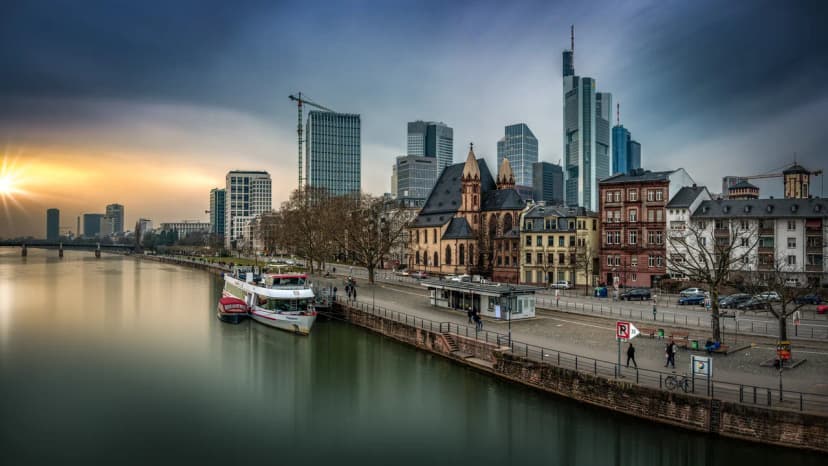
Frankfurt works well for families partly because the city is compact and partly because its tourism board sorts family activities by age rather than by district. One sourced detail worth front-loading: the tourism board describes the banks of the River Main as offering endless space to play, run and relax, which makes the embankment a free, reliable anchor for almost any family day. A suggested planning duration of two to three days is enough for most families to cover one outdoor block, one museum block and one deeper single stop without rushing. That duration is a planning suggestion, not an official figure. For wider planning, see Zoo Frankfurt Tickets and Family Visit. For wider planning, see Senckenberg Natural History Museum Visitor Guide.
The most useful first step is deciding what kind of trip you are planning, because a five-year-old and a fifteen-year-old will not want the same stops. The city's family pages split suggestions into kindergarten age, primary school age and teenagers, which makes it easier to pick two or three anchors rather than a long checklist. Build the plan around those anchors, then fill gaps with free riverbank time or a park. Confirm current opening times and prices with each operator before booking anything.
How to Shape the Days by Age
Treat age as the main filter rather than location. For kindergarten children, the tourism board highlights the GrünGürtel green belt, the Ich-Denkmal, the Palmengarten, the Papageno children's music theatre and Frankfurt Zoo. These are mostly slow-paced, sensory stops that suit short attention spans and stroller access.
For primary school children the mix shifts toward doing rather than watching. Experiminta Science Centre offers more than a hundred experimental stations covering physics, maths, technology and computer science, and the Young Museum Frankfurt runs interactive exhibitions with weekend workshops where children print, make paper or play in historical rooms. The Senckenberg museum and the city forest with the Goethe Tower round out this age group.
Teenagers get a different list altogether: the Anne Frank Educational Centre, the German Film Museum, the Dialogmuseum in complete darkness, the Eissporthalle ice rink, the Main Tower viewing platform and shopping around Zeil, MyZeil and Skyline Plaza. These are independent, often social activities, so teenagers may prefer to split off for a block. Check each venue's own calendar because programmes change by season.
A First Day on the Riverbank and in the Old Town
Start outdoors, because the River Main embankment is free, open-ended and forgiving of jet lag or late arrivals. The tourism board describes the banks as offering endless space to play, run and relax, and the Eiserner Steg footbridge is a short walk across for skyline views. River cruises depart from the Main and give a different perspective, though they are a paid extra rather than a core stop.
Pair the riverbank with the new old town around the Römerberg, where you can wander without buying a ticket and stop when energy drops. Keep this day light: one outdoor block, one short walk and an early dinner. If the weather turns, swap the riverbank for an indoor option from the rainy-day list rather than pushing through.
For families extending the trip, a two-day city plan covering museums, the old town and the Mainufer can be adapted by trimming one museum block. The two-day structure works as a template rather than a fixed schedule.
Where to Find the Main Family Attractions
Museums in Frankfurt are separate attractions with separate tickets, so decide in advance which one gets the full morning. The Senckenberg Museum of Natural History draws children with dinosaur skeletons and interactive exhibitions, while Experiminta turns physics and technology into a hands-on experiment. Trying to combine both in one day usually ends in fatigue rather than curiosity. For wider planning, see Frankfurt am Main landmark visitor guides.
The Young Museum Frankfurt suits primary school children and above, with temporary exhibitions on Level 2 designed for experimenting and self-directed learning. On weekends, selected workshops let children print, make paper or play in historical rooms. Because the workshop programme changes, check the museum's own calendar before you build the day around a specific session.
If you have a teenager in the group, the German Film Museum combines a permanent exhibition with interactive stations and its own cinema, which makes it a flexible rainy-afternoon choice. The Dialogmuseum asks visitors to move through rooms in complete darkness, an experience that tends to stick with older children. Both are ticketed, so budget them as paid stops rather than free fillers.
A Third Day for a Single Deeper Stop
A third day is best spent on a single larger attraction rather than a sequence of small ones. Frankfurt Zoo works for mixed ages because it combines animal observation with learning, but it is a paid attraction with its own ticket, so check the operator's current prices and family rates before committing. Palmengarten offers greenhouses and themed gardens with children's events, and the Papageno music theatre stages fairy tales and musical pieces aimed at young children.
For a slower day, the GrünGürtel green belt encircles the city with theme trails, playgrounds and picnic areas, and the city forest adds nature trails, water playgrounds and picnic spots. None of these require a ticket to enter, though individual facilities may operate on their own schedules. Pack food and water, and treat the day as a break from structured sightseeing.
The Ich-Denkmal, or Me-Monument, is described as playful and accessible, encouraging small children to marvel and discover. It suits a short visit rather than a half-day, so combine it with a park or playground nearby. Families with very young children often prefer two half-days to one long day.
Free Grounds Versus Paid Interiors
The clearest budget distinction in Frankfurt is between open space and ticketed buildings. The River Main embankment, the Eiserner Steg, the GrünGürtel and the city forest are free to enter, and they carry no programme dependency. That makes them reliable anchors when plans change or children need to run.
Museums, the zoo, the Palmengarten greenhouses, the Papageno theatre and the Main Tower viewing platform are paid interiors or ticketed experiences. Crucially, a museum complex does not automatically share one ticket across every collection, so read each venue's own admission page rather than assuming. The tourism board's family page lists the attractions but does not publish a single combined family pass for all of them.
Plan a ratio rather than a list: one paid interior per day, surrounded by free space. That keeps costs predictable and gives children recovery time between structured visits. If a paid stop disappoints or runs short, the free riverbank is always available as a fallback. The Museumsufer area along the river contains multiple separate institutions, each with its own admission policy.
Tickets and Discount Schemes That Matter
The single most budget-relevant rule is that admission to Frankfurt's municipal museums is free for children and young people up to and including the age of 17. That applies to municipal museums specifically, not to every museum in the city, so check whether your target is municipal before assuming free entry. For families with several children, this rule often changes the arithmetic more than any other discount.
The KUFTI culture and leisure ticket gives children and young people under 18 free admission to many municipal museums, and Satourday opens participating museums free of charge with special programmes and workshops on the last Saturday of every month. Both are eligibility-based rather than universal, so the scope matters: KUFTI covers many municipal museums, and Satourday covers participating museums only.
The Frankfurt Card offers reduced museum admission plus discounts on public transport and selected attractions, which suits families planning several paid stops in a short window. Whether it saves money depends on how many of its partner attractions you actually visit, so compare it against your planned list. Prices and partner lists change, so confirm current terms with the tourism board before buying.
Rainy-Day and Indoor Options
Frankfurt's rainy-day suggestions are alternatives rather than guaranteed programmes. The tourism board points to swimming pools with slides and wave pools, cinemas showing children's films, indoor playgrounds such as NoriPark, climbing gyms such as Dynochrom and the Titus Therme thermal baths. Treat each as an option to verify on the day, since opening times and sessions vary.
Museums double as rain cover, which is one reason to keep at least one ticketed indoor stop in reserve rather than scheduling it early. The German Film Museum's cinema, the Dialogmuseum and the hands-on stations at Experiminta all work when outdoor plans collapse. Check each venue's own site for that day's programme rather than relying on a general list.
Indoor playgrounds and climbing gyms typically charge their own admission, and those fees are set by each operator. Because the tourism board does not publish those prices, check directly with the venue before you go. Weather-dependent programmes can change, so a flexible indoor backup is more useful than a fixed booking.
Teenager-Friendly Frankfurt
Teenagers tend to prefer independence, so plan blocks they can do alone or with friends. The Zeil shopping promenade, MyZeil and Skyline Plaza function as meeting places with shops and food, and the Main Tower viewing platform offers skyline views from above. These are best treated as separate stops rather than one combined outing.
Cultural stops with a stronger emotional or sensory hook include the Anne Frank Educational Centre, which addresses tolerance, human rights and civil courage, and the Dialogmuseum's darkness experience. The Eissporthalle ice rink adds public skating sessions, disco events and courses for figure skating and ice hockey. Each venue sets its own session times, so check the current programme.
The Main Embankment and Eiserner Steg are also described as popular meeting places for young people, especially during summer cultural events. That makes the riverbank a useful neutral base when teenagers want time away from younger siblings. Pair it with a shopping stop and let them shape that half-day themselves.
Practical Logistics and Pacing
One main stop per half-day is enough. Frankfurt's compact centre means you can mix an outdoor block, an indoor block and a meal without long transfers, but over-scheduling is the most common family mistake. Build in downtime at the riverbank or a playground between ticketed visits.
Use the tourism board's family page as your planning base because it groups activities by age and links to individual operators. From there, confirm current opening times, prices and any booking requirements directly with each attraction. That sequence avoids building a plan on outdated information.
Dietary needs and downtime are best handled as questions rather than assumptions. Check whether a venue has a cafe or allows outside food, and ask about stroller access or quiet spaces if you are travelling with very young children. A short email or phone call before the trip usually settles it.
Winter and Christmas Season Note
The Frankfurt Christmas Market runs from 23 November to 22 December 2026, stretching from Roßmarkt along the Zeil toward Römerberg and Mainkai. A children's Christmas market is premiering at Mainkai, which gives families a dedicated area rather than negotiating the whole route, and there are stalls at Hauptwache as well.
Treat the market as a cold-weather add-on rather than the core of a family itinerary. It is outdoor, crowded and weather-dependent, so pair it with an indoor stop nearby such as a museum or the Zeil shops. Frankfurt's traditional Bethmännchen marzipan pastry and hot apple wine are seasonal staples, though the latter is for adults.
Because dates apply to this market only, do not extend them to other Frankfurt events. Confirm the current year's dates and any children's programme details with the organiser before planning travel around them.
Build the Plan Around Your Children
Frankfurt rewards a short, age-matched plan more than a long checklist. Pick one anchor per day, keep free riverbank or park time in reserve, and let the free municipal museum rule for under-18s shape your budget. Two to three days is a reasonable suggestion for most families, not an official figure.
Before you travel, confirm current opening times, prices and booking requirements with each operator, and check whether your target museums fall under the municipal scheme. The tourism board's family page is the best starting point, but individual venues hold the final word on their own schedules.
Frequently Asked Questions
How many days in Frankfurt is enough with children?
A suggested planning window of two to three days covers one outdoor block, one museum block and one larger single stop without rushing. Families with very young children often prefer two half-days per day rather than full days. This is a planning suggestion, not an official recommendation, and you can stretch it if you add day trips.
What can you do in Frankfurt with kids on a rainy day?
Indoor options include swimming pools with slides and wave pools, children's cinema screenings, indoor playgrounds such as NoriPark, climbing gyms such as Dynochrom, and the Titus Therme thermal baths. Museums also work as rain cover, particularly the hands-on stations at Experiminta and the German Film Museum's cinema. These are alternatives rather than guaranteed programmes, so check each venue's current schedule before you set out.
Are Frankfurt museums free for children?
Admission to Frankfurt's municipal museums is free for children and young people up to and including the age of 17. That applies to municipal museums, not to every museum in the city, so check whether your target venue is municipal before assuming free entry. The KUFTI ticket and Satourday on the last Saturday of every month extend free access to many municipal and participating museums respectively.
Which Frankfurt attractions suit kindergarten children versus teenagers?
For kindergarten age, the tourism board highlights the GrünGürtel green belt, the Ich-Denkmal, the Palmengarten, the Papageno children's music theatre and Frankfurt Zoo. Teenagers are pointed toward the Anne Frank Educational Centre, the German Film Museum, the Dialogmuseum, the Eissporthalle ice rink, the Main Tower viewing platform and shopping around Zeil, MyZeil and Skyline Plaza. The split matters because the pacing and independence levels are very different.
Is the Frankfurt Christmas Market worth visiting with children?
If your trip falls between 23 November and 22 December 2026, the market is a seasonal option, and a children's Christmas market is premiering at Mainkai. It is outdoors and can be crowded, so pair it with an indoor stop and go early in the day. Confirm the current year's dates and programme before planning around it.